
REVIEW · KOLKATA HERITAGE TOURS
Kolkata: A Sea of Faces and A Thousand Places
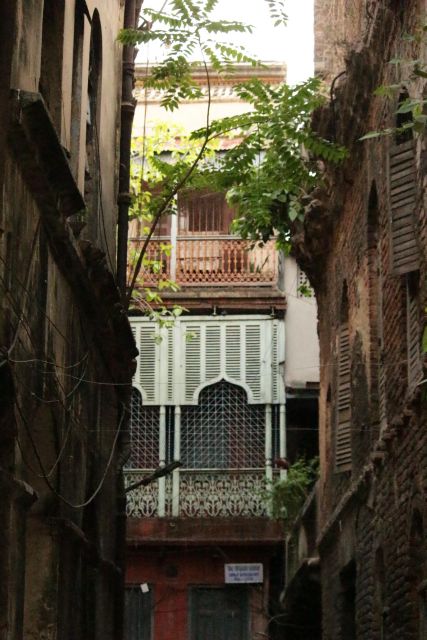
Kolkata becomes a moving story. This small-group tour is built like a narrated script, taking you from Esplanade into imperial-era lanes, then across Howrah Bridge, and finally up-close with Kumartuli and College Street ideas. I especially like the way you get orientation fast, and the fact that you ride real local transport, not just sit in a vehicle. One thing to plan for: it is part walk, part bus, part waiting around, so hot weather and stamina matter.
You’ll meet your guide at the entrance of Smaranika Tram Museum in Esplanade, and the day keeps shifting pace on purpose, so it feels like you’re learning Kolkata in layers. I’ve seen guides named Anushtup, Paulami, Mayukh, Rishita, Moinak, Nandita, and Shrijit lead these story walks, and the best part is they connect buildings to people, politics to street life, and past to present without turning the whole day into a lecture. Since transportation costs and food are not included, you should budget a little extra on the day.
If you want a simple checklist of top sights, this might feel too story-driven. But if you want to understand why Kolkata looks the way it does, how neighborhoods function, and how the city thinks, it is a strong fit.
In This Review
- Key moments you will remember
- Esplanade to B.B.D. Bagh: getting your bearings in one day
- The tea break and street-food alley: the city’s everyday rhythm
- Across Howrah Bridge by bus, then the ferry on the Hooghly
- Hatkhola and Old North Kolkata: pre-megapolis daily life
- Kumartuli potters’ quarter: where craft turns into culture
- The yellow taxi ride to College Street: revolution meets ideas
- Price and logistics: what $32 really covers in Kolkata
- Who should choose this Kolkata day, and who should skip it
- Should you book this Kolkata face-sea story tour?
- FAQ
- Where do I meet the guide?
- How long is the tour?
- Is this a small group?
- What languages are the guides able to use?
- What is included in the price?
- Is food included?
- Do I need cash?
- Is pickup available?
- Is the tour wheelchair accessible or suitable for older guests?
Key moments you will remember
- Esplanade orientation with a guide who sets the scene before you start crossing neighborhoods
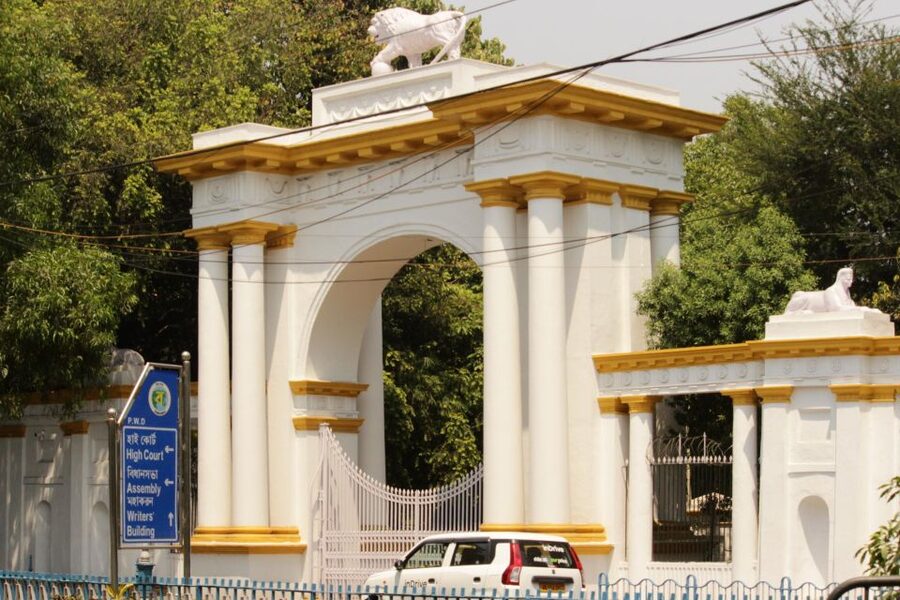
- B.B.D. Bagh walk through the imperial-era core and its grid-like city logic
- Howrah Bridge photo stop plus a ferry ride on the Hooghly with bridge views
- Hatkhola and Old North Kolkata for pre-modern rhythms and spiritual threads
- Kumartuli potters’ quarter for hands-on craft energy and idol-making culture
- College Street finish at Indian Coffee House for the intellectual Kolkata feeling
More Kolkata streets we have walked
Esplanade to B.B.D. Bagh: getting your bearings in one day

The day starts at the entrance of Smaranika Tram Museum in Esplanade, which is a smart place to begin if you want structure. Esplanade is central, active, and easy to picture on a map, and the first walk helps you spot the city’s bigger patterns without you having to think too hard. In about half an hour of walking, your guide frames what you are seeing: how the city’s public spaces work, where the power buildings sit, and why Kolkata developed the way it did.
From there you head into B.B.D. Bagh, a district people either love or find intimidating, depending on how they approach it. Here the approach is narrative. You’ll get an expert local guide to point out the imperial neo-classical architecture and walk through the logic of the area’s layout. The grid and the grand facades can look like “just buildings” if you show up without context, so having that context matters. It turns a formal government and business core into something you can actually read.
Practical tip: wear shoes you trust. This is not a sit-and-stare day, and even when the walking segments are short, the surface and the crowding in central Kolkata can add up. Also, bring your water. Bottled water is included, but you’ll still want it accessible.
The tea break and street-food alley: the city’s everyday rhythm
After the architectural orientation, the tour shifts to something more human: an energetic street food alley and a short tea break. This stop is useful because it resets your brain. You’ve just been looking at buildings and city planning. Now you get to experience the food energy of Kolkata, where daily life is written in menus, queues, and the fast back-and-forth of street vendors.
You can expect a chance to sample local favorites, with the guide steering you toward options described as delicious and hygienic in the tour context. Food itself is not included, so keep your expectations realistic. What is included is the tea or coffee, plus water, so you can slow down, cool off a bit, and still keep momentum.
One consideration: street food means you need common sense. If you are sensitive to spice or heat, ask your guide what’s easiest. If you have any dietary restrictions, tell them early. With a small group, it is easier to get a practical answer than with a big tour.
Across Howrah Bridge by bus, then the ferry on the Hooghly

This is one of the most memorable parts of the day because it combines two things you can only get by actually moving through the city: the sense of scale and the sense of time. You’ll take a local bus/coach segment and cross the iconic Howrah Bridge, with a photo stop along the way.
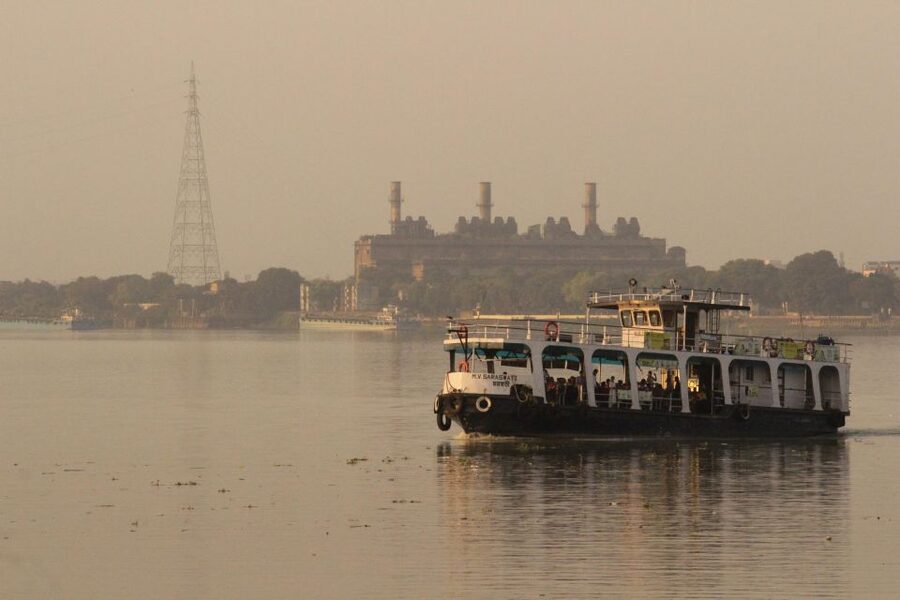
Then comes the payoff. You reach a ferry point and board for a ride on the Hooghly, the Kolkata stretch of the Ganga, with a special view of Howrah Bridge. The ferry segment is short on paper, about twenty minutes, but it is long enough to change how you understand the city. From the water, the skyline and river activity stop being background and start becoming the story.
Why this matters: Kolkata is a river city in how it feels. Many first-time visitors only see the river from far away, or they skip it entirely. Getting a ferry view makes the rest of your walking make more sense, especially when you later reach Old North neighborhoods and Kumartuli, where history is tied to the river’s influence.
Timing can be a little fluid. One thing to keep in mind is that ferry schedules and waiting time depend on what’s happening on the day, so don’t plan tight onward travel right after. If you’re the type who hates waiting, this part might test your patience for a moment, but the views usually justify it.
- Magic Hour Tour★ 5.0 · 241 reviews
- Alleyway Food Tour★ 5.0 · 137 reviews
- Private Half-Day Kolkata Tour★ 5.0 · 125 reviews
- Kolkata: A Sea of Faces and A Thousand Places★ 4.9 · 116 reviews
- Kolkata – Sounds and Sights – Private Full Day City Tour★ 5.0 · 106 reviews
Hatkhola and Old North Kolkata: pre-megapolis daily life
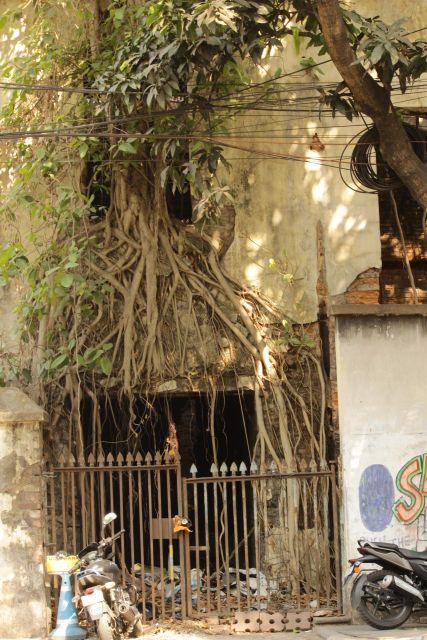
After the river ride, the tour heads into Hatkhola, guided for about twenty minutes, and then toward the Old North feel of Kolkata. This area is the contrast you were missing. Imperial government buildings are one side of Kolkata. Hatkhola is where you start to sense older trades, older routines, and the spiritual strings that keep neighborhoods connected.
You’ll hear about ancient occupations and old lifestyles, and the guide plays the role of narrator, so the stop is less about a single “must-see landmark” and more about the neighborhood as a living system. That’s a big deal if you’re tired of tours that just push you from one photo spot to the next.
Heat note: this is the part of the day where Kolkata can feel full-force. Tours often keep moving, but you might slow down if the humidity spikes. Use your included tea or coffee to take a proper break if you need it. If you’re traveling with limited stamina, this is where you’ll appreciate having a small group, since the guide can pace you.
Kumartuli potters’ quarter: where craft turns into culture
Next is Kumartuli, the famous potters’ colony. The tour includes guided time and a walk of about thirty minutes. This stop is one of the highest-praise moments because it’s visual and hands-on in spirit. Even if you are not an arts person, you can’t help but notice the intensity of work and the way skill is passed along.
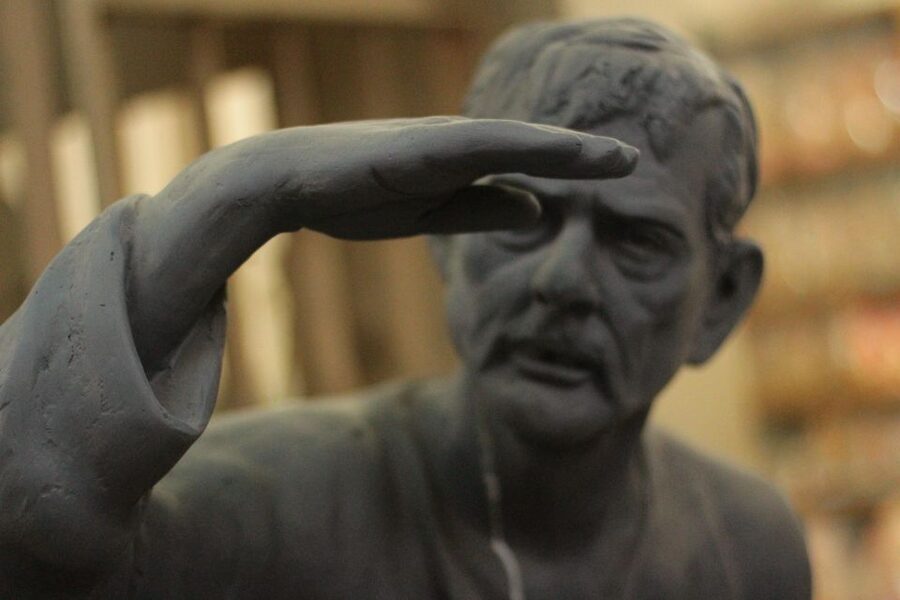
Kumartuli is tied to idol-making culture, and you’ll hear stories that place craft into the larger city narrative. In the tour storytelling, you’ll also pick up mentions of the neighborhood’s connections to revolutionary history, plus the idea of hidden spaces, like a secret gym for revolutionary fighters. Even when those details are presented as local lore through the guide’s script, the point stays clear: Kolkata’s creativity has political and cultural edges.
What I like about this stop for you: it gives depth without requiring a museum mindset. You can walk the lanes, look closely at work, and feel how the city makes meaning with its hands. If you care about authenticity, this is usually where a “generic sightseeing day” turns into a real Kolkata day.
One practical consideration: photography and looking can slow you down. If you want more photos, go lighter on other items you carry and keep your phone secure. If you’re trying to conserve energy, focus on one or two lanes or workshops and let the rest just wash over you.
The yellow taxi ride to College Street: revolution meets ideas
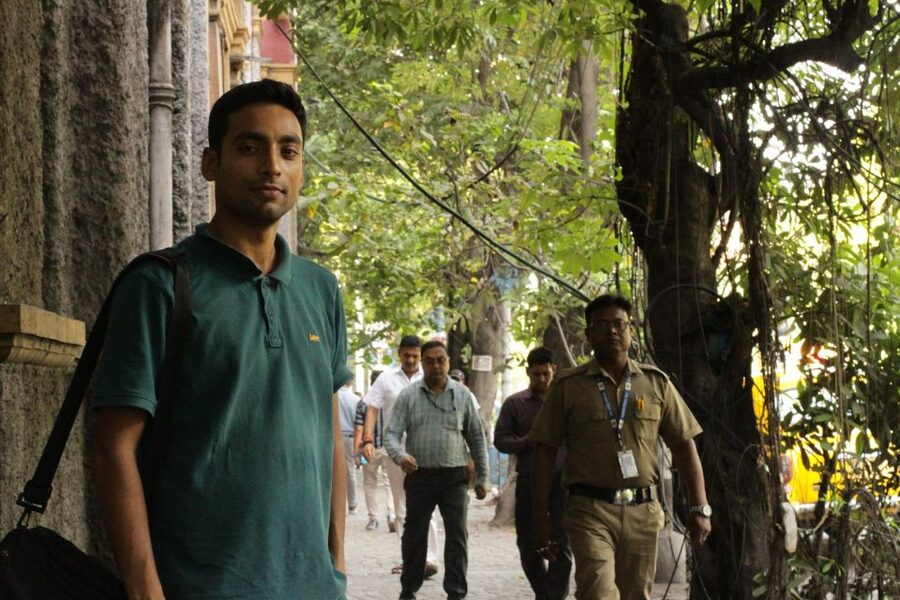
After Kumartuli, the tour shifts into a classic mode of Kolkata travel: a black cab ride for about fifteen minutes. Then you reach College Street, where the guided walk runs about fifty minutes and the tour finishes there.
College Street is the intellectual heart people talk about for a reason. Here you’ll hear stories about the Bengal Renaissance and the city’s freedom legacy, with the guide connecting student life, books, and street energy to the broader struggle for independence. This stop works best if you enjoy hearing how places gain meaning over time.
The route also matters because it lets you experience Kolkata as a city that moves. A short taxi ride breaks the day’s walking rhythm and gives you a visual “zoom out” of how neighborhoods transition into each other. From the tour logic, it is not just transportation. It’s part of the storyline pacing.
Finish point with a payoff: Indian Coffee House is part of the end experience in the tour narrative, and it is famous as one of India’s oldest cafes. The included tea or coffee helps you settle in. If you want something extra to eat, you might be able to order items like vegetable pakoda or buttered toast, since those are specifically mentioned as enjoyable in the end-of-day food moments people talk about.
Price and logistics: what $32 really covers in Kolkata
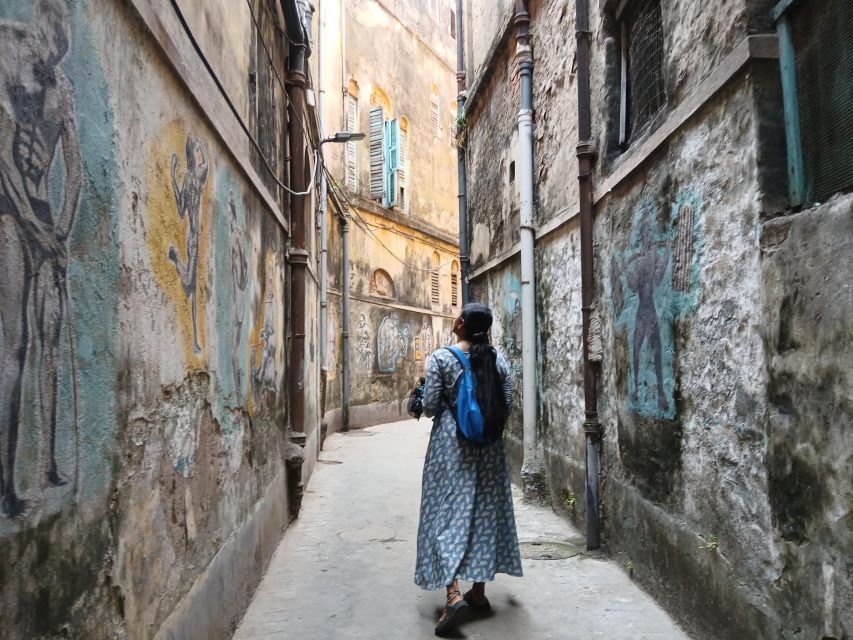
At $32 per person for a six-hour experience, this tour is priced to be accessible compared to many private guided days in big cities. You get a local guide, plus bottled water and tea or coffee, and you also get multiple forms of local transport that would be annoying or confusing to coordinate on your own.
The important catch is right in the basics: transportation costs and food are not included. That means your true cost is $32 plus what you pay on the day for the bus, ferry, and taxi segments, plus any meals or snacks you choose beyond the included drink.
Why this still can be good value: the day is structured around experiences that matter, like the ferry ride and the Kumartuli neighborhood access. If you try to recreate that independently, you’ll spend time figuring out logistics and you’ll miss the connections that your guide draws between places.
Also, it is a small group limited to 6 participants, which usually makes it easier to ask questions and keep the day from feeling like a crowd herding machine.
Who should choose this Kolkata day, and who should skip it
This is a great match if you:
- Want an orientation of Kolkata fast, without bouncing between random attractions
- Like stories that connect architecture, food, neighborhoods, and political eras
- Don’t mind local transport and some walking, and you can handle heat and crowding
- Enjoy craft and everyday life stops like Kumartuli
It may not be the best match if you:
- Need a fully wheelchair-friendly route. The tour explicitly is not suitable for wheelchair users.
- Are over seventy. The tour explicitly is not suitable for people over 70.
- Hate any waiting around for transport. Ferry timing can create a bit of downtime.
One more practical note: weather in Kolkata can feel heavy. If you’re visiting in peak heat or monsoon swings, plan to take breaks seriously, and don’t overpack.
Should you book this Kolkata face-sea story tour?
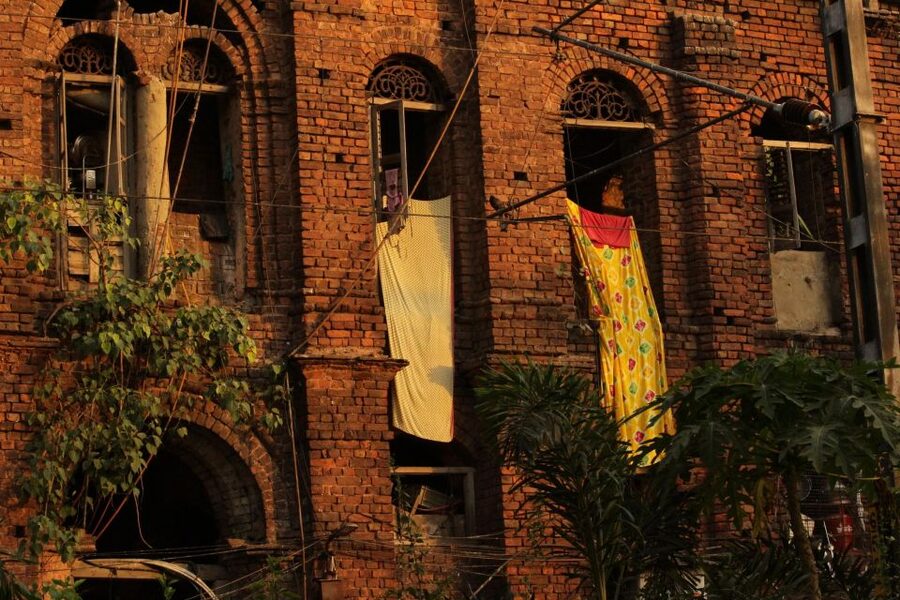
I’d book it if you want Kolkata to make sense as a place, not just as a set of photos. The strongest reasons are simple: you get a fast city orientation, you ride the bus and ferry for real views of Howrah Bridge, and you end with the College Street coffee-and-ideas mood. The day is built around small-group pacing, story-driven context, and neighborhood stops like Hatkhola and Kumartuli that most first-time plans miss.
If you hate walking, have limited mobility needs, or want food fully covered, you should look for another option. But if you’re open to local transport, a narrated route, and a day that explains why Kolkata looks and feels the way it does, this is an excellent first or return-visit choice.
FAQ
Where do I meet the guide?
Meet your guide Shrijit at the entrance of Smaranika Tram Museum in Esplanade.
How long is the tour?
The tour duration is 6 hours.
Is this a small group?
Yes. The group is small, limited to 6 participants.
What languages are the guides able to use?
The live guide can speak Bengali, English, and Hindi.
What is included in the price?
Included are the local guide, bottled water, and tea or coffee.
Is food included?
No. Food is not included.
Do I need cash?
Yes, you should bring cash, since transportation costs are not included.
Is pickup available?
Pickup is optional. If you share your hotel where you are staying, the guide will contact you for pickup.
Is the tour wheelchair accessible or suitable for older guests?
No. It is not suitable for wheelchair users and for people over 70 years.
Kolkata, More Streets Reviewed




Recently reviewed across Kolkata
- Walk the Kolkata Wetlands: Green Eye Candy
★ 5.0 · 10 reviews - Kolkata: Full-Day Spirituality & Temples Tour
★ 4.5 · 10 reviews - Kolkata City Private Sightseeing Tour – Custom Hours, Itinerary
★ 5.0 · 11 reviews - Learn to Cook Authentic Bengali Food in a Local Home
★ 5.0 · 11 reviews - In the Footsteps of the Raj – Dalhousie Square Walk
★ 5.0 · 11 reviews - Kolkata Daily – Private Tour with Snacks, Coffee & Bengali Sweets
★ 5.0 · 11 reviews
Kolkata Heritage Tours, compared.
 ★ 5.0Cultural Confluence of Kolkata – Culture Kaleidoscope TourFrom $39701 reviews
 ★ 4.0Kolkata Heritage Tram TourFrom $60395 reviews
 ★ 5.0Bengali Nights Kolkata Food Tour with 13+ TastingsFrom $39325 reviews
 ★ 5.0Private Custom Full Day Sightseeing Tour of KolkataFrom $72128 reviews
 ★ 5.0Private Half-Day Kolkata TourFrom $99125 reviews
 ★ 5.0Kolkata – Sounds and Sights – Private Full Day City TourFrom $89106 reviews
 ★ 5.0Explore Kolkata- Private Tour with LunchFrom $9987 reviews
 ★ 5.0Private Full Day Sightseeing Tour of KolkataFrom $6079 reviews
Browse the lists this tour appears in