
REVIEW · KOLKATA HERITAGE TOURS
Cultural Confluence of Kolkata – Culture Kaleidoscope Tour
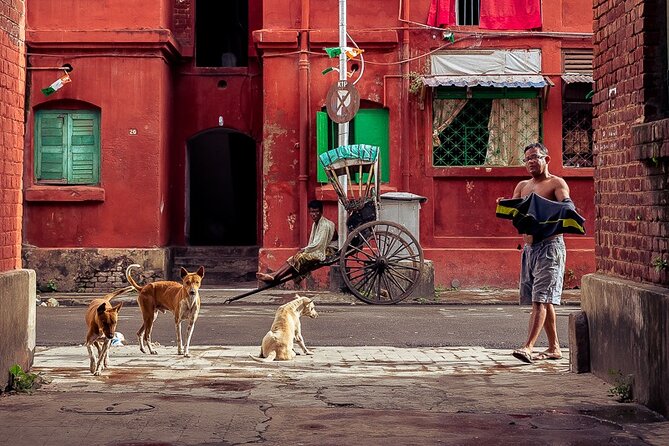
Faiths meet on Kolkata streets. This 3-hour guided walk with Manjit turns Bow Barracks and Old Chinatown into a story you can see, not just read, and it is built for photos along the way. The only drawback to plan around is that Covid-related access rules can change day to day, so a couple of sites may have restricted entry.
I like that the route stays practical and small, max 15 people, so you can ask questions without losing your place in the crowd. The tour also offers pickup and uses a mobile ticket, which makes it easier to show up and get going.
You start near the Indian Airlines Office on Central Ave in Bowbazar, then you end around Brabourne Road near Bara Bazar. It is a smart way to get your bearings in Kolkata without wasting the morning on guesswork.
In This Review
- Key things to know before you go
- A 3-hour cultural shortcut through Kolkata’s changing neighborhoods
- Central Ave start, Brabourne Road finish: the route makes sense
- Bowbazar to Bow Barracks, where the city’s community stories overlap
- Old Chinatown and old Jewish neighborhood stops: faith plus daily life
- Jain Temple, plus nearby church corners that show Kolkata’s layered Christianity
- Chitpur neighborhood time: the route turns toward quieter streets
- How Manjit’s storytelling makes the small details click
- Photo-friendly timing, markets, and when streets feel most alive
- Price and value: is $39.61 a fair deal for this kind of walk?
- Who should book, and who should skip this walk
- Should you book Cultural Confluence of Kolkata: Culture Kaleidoscope Tour?
- FAQ
- How long is the Cultural Confluence of Kolkata tour?
- What is the price per person?
- Do they offer pickup, and do I get a mobile ticket?
- Where do I meet and where does the tour end?
- How large is the group?
- What neighborhoods and places are included on the walk?
- Is the tour good for photographers?
- Do I need a lot of fitness for this walk?
- What happens if weather is poor or access is restricted?
Key things to know before you go
- A compact route (3 hours) through multiple communities and faith spaces
- Small group size, max 15, for calmer pacing and better conversations
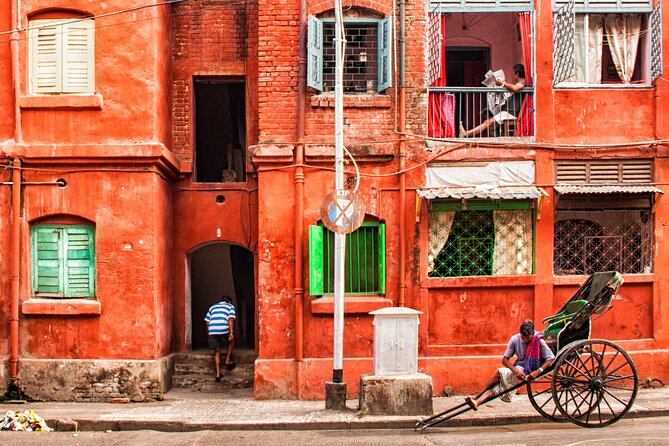
- Photo-forward stops across Bow Barracks, Old Chinatown, and nearby quarters
- Meeting near Central Ave and finishing by Brabourne Road, convenient for post-walk wandering
- Good for most people, with an easy walking pace in cooler morning hours
- Covid access and weather can affect which places you can enter
More Kolkata streets we have walked
A 3-hour cultural shortcut through Kolkata’s changing neighborhoods
This is not a long, sit-and-listen tour. You get a short walking window, around 3 hours, and you spend that time moving through Kolkata’s community mix: markets, residential streets, and places of worship side by side. That matters because Kolkata’s story is not only in museums, it is in everyday proximity.
What makes the format work for you is the balance between explanation and walking. Your guide keeps the route tight enough that you see a lot of variety without feeling like you are sprinting from one photo spot to the next. And since the tour is designed with photography in mind, you tend to stop where there is real visual information, not just empty street corners.
Price also feels more realistic here than in many “one neighborhood” tours. At $39.61 per person for a guided walk, you are paying for human guidance plus time spent in a part of the city that many people would not pick on their own.
Central Ave start, Brabourne Road finish: the route makes sense
The meeting point is near the Indian Airlines Office, Central Ave, close to Air India Limited, in Bowbazar (700012). Your tour ends at Brabourne Road near Bara Bazar Market.
I like this kind of start and finish because you do not end up stranded in the middle of nowhere. After the walk, you are already near a main road area where you can continue exploring, grab breakfast, or head toward other parts of the city. It is also a plus that the tour is described as near public transportation, which keeps your day from collapsing if you arrive without a taxi plan.
Pickup is offered, so if you want to reduce friction on day one, that helps. Just remember the tour needs good weather, so if rain is in the forecast, you will want to keep your plans flexible.
Bowbazar to Bow Barracks, where the city’s community stories overlap
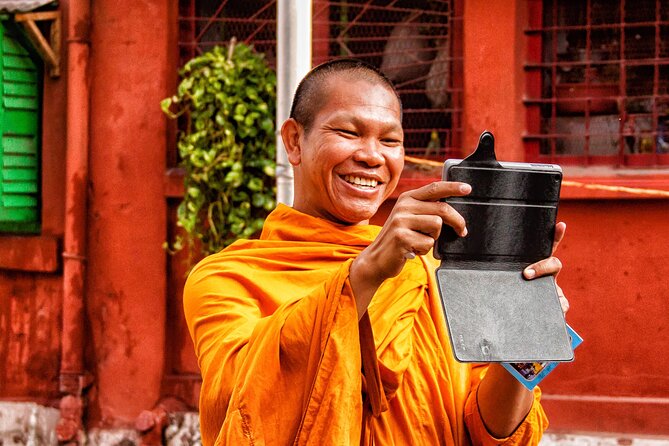
Your walk begins in Bowbazar, then the route connects into Bow Barracks. This is one of the best stretches for understanding Kolkata as a place of overlapping identities rather than one single “theme.”
Bow Barracks is a key area because it gives you a lens on community history in a small geographic space. You do not just hear dates. You see how different groups share the same streets and how religious and social life can cluster nearby. One thing I appreciate is that the tour does not treat history like something trapped in the past. Instead, it keeps bringing it back to what you can observe in the neighborhood today.
From a photography point of view, this area supports all kinds of shots. You get street-level scenes, storefront textures, and the human scale of daily life. Even if you do not photograph, the walking pace makes it easier to notice details you might miss while commuting.
Then, you move toward the Zoroastrian Fire Temple. Seeing a fire-temple setting in an urban neighborhood context is one of those “ah, so that’s how it fits” moments. It helps you understand that Kolkata is not only a big city with buildings, it is a living arrangement of faith practices.
- Magic Hour Tour★ 5.0 · 241 reviews
- Alleyway Food Tour★ 5.0 · 137 reviews
- Private Half-Day Kolkata Tour★ 5.0 · 125 reviews
- Kolkata: A Sea of Faces and A Thousand Places★ 4.9 · 116 reviews
- Kolkata – Sounds and Sights – Private Full Day City Tour★ 5.0 · 106 reviews
Old Chinatown and old Jewish neighborhood stops: faith plus daily life
The tour includes Old Chinatown and Old Jewish neighborhood areas. This is where the walking format really pays off. In a car, you might just register, big picture, “different areas exist.” On foot, you notice transitions: signs, rhythms, and the way people move through public space.
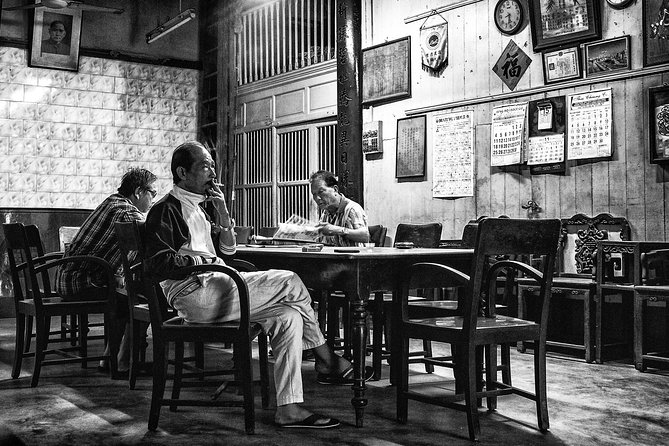
Old Chinatown gives you a chance to photograph older street patterns, shopfront textures, and the feel of a district that has kept its character. You also learn how these communities contributed to Kolkata’s development as the city grew and traded.
The old Jewish neighborhood component is especially valuable for anyone who likes clarity. The guide helps you connect the place names you might see around town to the actual communities that shaped them, including a synagogue context mentioned in accounts of the tour. You get a sense of how faith communities add structure to street life, not just buildings.
If you are the type who likes to understand cities by their people, these stops deliver. You do not just collect landmarks, you understand why the neighborhoods have the forms they do.
Jain Temple, plus nearby church corners that show Kolkata’s layered Christianity
As the walk continues, you include a Jain Temple stop. Jain spaces are a great counterpoint in a city walk because they push you to pay attention to symbols, etiquette, and the visual language of devotion. Even if you know little about Jainism, the guide’s job is to translate what you are seeing into something you can remember.
The tour also includes Portuguese Church and Armenian Church. That pairing is smart because it gives you two different Christian presences without requiring a long detour to major monuments. You can look at the architecture, take in the street setting around the church, and learn the why behind the community presence.
A practical note for these worship stops: entry can be limited by Covid rules on some days. You might get to view the exterior and surroundings even if you cannot enter. In other words, build your expectations around observing the neighborhood, not guaranteeing every interior.
This is one of those tours where a flexible mindset beats a strict checklist. If you treat it as a guided walk through community geography, you will enjoy it more.
Chitpur neighborhood time: the route turns toward quieter streets
The itinerary also references the Chitpur neighborhood. This is the kind of stop that helps you avoid the “only big sights” trap. It is where the tour shifts from postcard moments into the lived-in parts of Kolkata that do not always make it onto quick itineraries.
Chitpur can help you see how the city feels when you are not staring only at major traffic corridors. The guide’s storytelling tends to make these residential streets easier to read. You learn what to watch for, how to interpret the way places are arranged, and why the city’s mix feels so natural once you have the context.
From a practical standpoint, this section is also good for photography that is less about monuments and more about people, movement, and texture. If you like street portraits, this is where your camera can breathe.
How Manjit’s storytelling makes the small details click
Manjit comes up again and again for a reason: he does not treat the walk like a lecture. The vibe described in accounts is animated, with humor and a history lens that keeps the information grounded.
What I think you get from a guide like this is simple. You stop collecting random facts and start building a framework. Then, when you walk on your own later, you recognize patterns: how communities cluster, how religious spaces anchor neighborhoods, and how the city’s past shows up in everyday street form.
If you are someone who likes to understand complexity in plain terms, this tour style works well. The walking format also means the guide can adjust on the fly, so if you pause for a photo, you are not punished with a rushed explanation.
Also, the tour is described as suitable for most people, with no special fitness requirement. That matters because it keeps the pacing friendly. You are not forced into a hard grind, which makes it easier to actually look at things instead of only keeping up.
Photo-friendly timing, markets, and when streets feel most alive
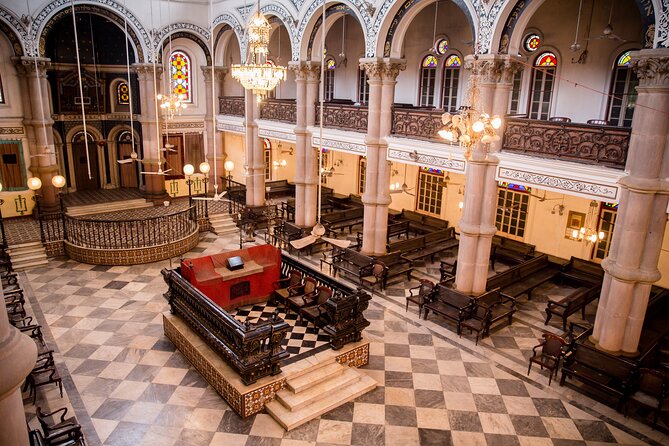
This experience is ideal for photographers, but you do not need a camera to benefit. It is designed around visual stops, so even if you only want the stories, you still get pointed moments where the guide tells you what to notice.
A big tip here: the tour is often done in cooler early morning hours. One account highlights how the streets felt more alive at that time. If you can choose timing, early beats late for comfort and for photos that look less washed out by harsh midday light.
Food is not the headline in the basic tour description, but some accounts talk about tasting street food and seeing traders at work, including breads, samosas, and tea. If that kind of snack stop matters to you, it is worth coming hungry and open-minded. Just keep in mind that what you try can depend on the day and route.
Festival timing can also add color. One account mentioned Pujo timing feeling especially right during the walk. If your trip overlaps with major festival seasons, expect the city to feel extra active and visual.
Price and value: is $39.61 a fair deal for this kind of walk?
At $39.61 per person for about 3 hours, this sits in a reasonable midrange for a guided city walk, especially one that covers multiple faith spaces and neighborhood quarters. The value comes from three things:
1) You get a tight route with a guide, so you are not spending your time piecing together where these communities are and why they matter.
2) Small group size, max 15, helps keep the pace comfortable.
3) Admission is free for the included places, so you are not stacking entry fees on top of the tour cost.
If you are traveling on a budget, you can think of this as paying for access to local context. In Kolkata, that context is often the difference between taking photos and understanding what your photos are actually showing.
Who should book, and who should skip this walk
Book this walk if you want a city feel without the heavy tourist circuit. It is a good match if you love neighborhoods, street life, and learning how communities live side by side. It is also a strong option if photography is part of your trip plan, since the route naturally supports camera time.
You might want to skip or adjust expectations if you need guaranteed interior access to every site. Covid-related entry rules can restrict what you can enter on a given day, and the tour can be affected by weather since good conditions are required.
It is also not framed as a must-see monuments run. So if your ideal Kolkata day is all famous landmarks only, you may prefer a more standard highlights tour first. This one is best when you want to understand the city’s “everyday map.”
Should you book Cultural Confluence of Kolkata: Culture Kaleidoscope Tour?
Yes, I think you should book it if you want a smart, small-group walk that connects faith, neighborhoods, and street scenes in a short time. The combination of Manjit’s storytelling, the variety of places like Bow Barracks, Old Chinatown, the Zoroastrian Fire Temple, and multiple churches makes it a strong value for $39.61.
If you are going on a tight schedule, this is also efficient. You get a concentrated look at Kolkata’s community geography without committing a whole day.
One last reality check to make the decision easy: check the weather close to your date and accept that some sites may have limited entry depending on Covid rules. If you are good with that, you will likely come away with a clearer sense of Kolkata than you would from wandering alone.
FAQ
How long is the Cultural Confluence of Kolkata tour?
It is approximately 3 hours.
What is the price per person?
The price is listed as $39.61 per person.
Do they offer pickup, and do I get a mobile ticket?
Pickup is offered, and the tour uses a mobile ticket.
Where do I meet and where does the tour end?
You start near the Indian Airlines Office on Central Ave, close to Air India Limited in Bowbazar. The tour ends around Brabourne Road near Bara Bazar Market.
How large is the group?
The tour has a maximum of 15 travelers.
What neighborhoods and places are included on the walk?
The route covers Bowbazar and includes Bow Barracks, the Zoroastrian Fire Temple, Old Chinatown, old Jewish neighborhood areas, a Jain Temple, Portuguese Church, Armenian Church, and the Chitpur neighborhood.
Is the tour good for photographers?
Yes. It is described as ideal for photographers and also works for non-photographers since the guide helps you understand what you are seeing while you walk.
Do I need a lot of fitness for this walk?
Most people can participate, and the pace is described as suitable for anyone without a great level of fitness.
What happens if weather is poor or access is restricted?
The experience requires good weather. If it is canceled due to poor weather, you will be offered a different date or a full refund. Also, Covid restrictions apply and some places may have restricted entry or banned entry.
Kolkata, More Streets Reviewed




Recently reviewed across Kolkata
- Walk the Kolkata Wetlands: Green Eye Candy
★ 5.0 · 10 reviews - Kolkata: Full-Day Spirituality & Temples Tour
★ 4.5 · 10 reviews - Kolkata City Private Sightseeing Tour – Custom Hours, Itinerary
★ 5.0 · 11 reviews - Learn to Cook Authentic Bengali Food in a Local Home
★ 5.0 · 11 reviews - In the Footsteps of the Raj – Dalhousie Square Walk
★ 5.0 · 11 reviews - Kolkata Daily – Private Tour with Snacks, Coffee & Bengali Sweets
★ 5.0 · 11 reviews
Kolkata Heritage Tours, compared.
 ★ 4.0Kolkata Heritage Tram TourFrom $60395 reviews
 ★ 5.0Bengali Nights Kolkata Food Tour with 13+ TastingsFrom $39325 reviews
 ★ 5.0Private Custom Full Day Sightseeing Tour of KolkataFrom $72128 reviews
 ★ 5.0Private Half-Day Kolkata TourFrom $99125 reviews
 ★ 4.9A Sea of Faces and A Thousand PlacesFrom $32116 reviews
 ★ 5.0Kolkata – Sounds and Sights – Private Full Day City TourFrom $89106 reviews
 ★ 5.0Explore Kolkata- Private Tour with LunchFrom $9987 reviews
 ★ 5.0Private Full Day Sightseeing Tour of KolkataFrom $6079 reviews
Browse the lists this tour appears in