
REVIEW · HIMACHAL HILL STATION TOURS
In the Footsteps of the Raj – Dalhousie Square Walk
Dalhousie Square turns colonial planning into real streets. This walk through Kolkata’s British-era power zone is built around clear storytelling, excellent English, and the kind of stop-to-stop context that helps you understand what the British set up to make Calcutta the “second city” of the empire. I like the well-researched narratives and I also like that you get a map of Calcutta as a gift so you can keep exploring after the tour.
One thing to plan for: you’re out for about 2 to 3 hours, starting at 8:00 am, and the experience requires good weather, so it is not a great fit if you hate early mornings or sudden rain.
In This Review
- Key highlights before you go
- Dalhousie Square, where British Kolkata feels walkable
- Price and what makes it good value
- Timing, meeting point, and how the 8:00 am start changes the experience
- Stop by stop: BBD Bagh and the colonial city blueprint
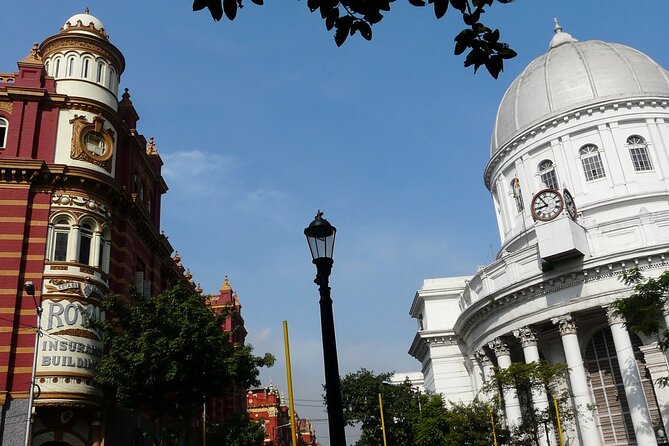
- The General Post Office: communication power, not just a building
- St. John’s Church: architecture with a worldview behind it
- Writers’ Building and kona dukaan tea and toast
- How the storytelling connects the dots
- The guide factor: English skills and story control
- Who this walk suits best, and who might not love it
- Practical tips to make the walk feel easy
- Should you book In the Footsteps of the Raj, Dalhousie Square Walk?
- FAQ
- How long is the Dalhousie Square walk?
- Where do I meet for the 8:00 am start?
- How big is the group?
- Do I need tickets for the stops, and is there any food included?
- What if the weather is bad?
- What is the cancellation and refund timing?
Key highlights before you go
- Dalhousie Square on foot, focused on the British administrative and commercial core
- BBD Bagh stops that mix grand buildings with small, human details like parasols and suitors
- General Post Office as a landmark of communication power in the eastern hemisphere
- St. John’s Church with admission included, giving you a real sense of Anglican colonial architecture
- Writers’ Building plus tea and toast at kona dukaan, a practical break in the middle of the story
- Small groups up to 20, led in strong English with clear, researched explanations
Shortlisting? Every Kolkata trip below went through the same review.




Dalhousie Square, where British Kolkata feels walkable
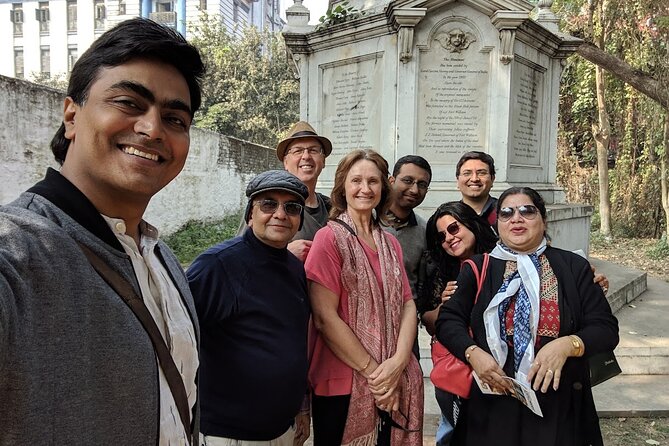
If you want to see colonial Kolkata without relying on guesswork, this route is a smart way to start. Dalhousie Square and the BBD Bagh area are packed with institutional buildings that were meant to run the city like a system. As you walk, the story stays tied to physical places, not abstract history.
The tour’s tone is not only “look at the architecture.” It also points at the harsh realities of occupation, so the buildings feel like they had consequences for people, not just style. That balance is part of why this walk works so well for first-time visitors who want to get their bearings fast.
Price and what makes it good value
At $34.02 per person for a 2 to 3 hour walk, the main value comes from three things: entry included at key stops, built-in food, and the map you take home. You are not just paying for a guide’s voice. You are paying for structured time and access, plus a practical takeaway for the rest of your Kolkata days.
Admission is free at the first BBD Bagh and the General Post Office stops, then included for St. John’s Church. On the final stretch, Writers’ Building is paired with tea and toast at kona dukaan, and that food is included too. That matters in real terms, because it turns a history walk into a smoother half-day with fewer decisions along the way.
Also, the tour uses a mobile ticket. That is handy in a place where paper tickets can get lost, especially if you are bouncing between sights that day.
Timing, meeting point, and how the 8:00 am start changes the experience
This is scheduled to start at 8:00 am, meeting at the LaLiT Great Eastern Kolkata on Dalhousie Square (the Old Court House Street area, Chowringhee North, Ward Number 1). Ending back at the meeting point keeps the logistics clean, and it means you do not have to plan a new meetup point afterward.
That early start is a real advantage if you like cooler walking and shorter lines. It can also be a downside if you are not a morning person. Either way, the 2 to 3 hour duration is long enough to learn a lot, but short enough to fit into an already busy itinerary.
And because good weather is required, you should treat your booking date like a mild plan, not a guaranteed stroll. If conditions are poor, the tour offers a different date or a full refund.
- Magic Hour Tour★ 5.0 · 241 reviews
- Alleyway Food Tour★ 5.0 · 137 reviews
- Private Half-Day Kolkata Tour★ 5.0 · 125 reviews
- Kolkata: A Sea of Faces and A Thousand Places★ 4.9 · 116 reviews
- Kolkata – Sounds and Sights – Private Full Day City Tour★ 5.0 · 106 reviews
Stop by stop: BBD Bagh and the colonial city blueprint
BBD Bagh is the place to start if you want the British-era Kolkata to make sense. This area is central to the idea of the empire building a “second city” outside England, and the tour uses the sights here to explain why the British designed the city the way they did.
One highlight is the mix of big-power architecture and smaller, almost cinematic stories. The walk includes a stop featuring an old tank tied to British daily life, plus a story about women carrying parasols and looking for suitors. It sounds like local color, but it helps the history feel human. You stop thinking of empire as a distant force and start seeing how it shaped routines and social spaces.
Even if you already know a little about colonialism, this sequence helps you connect cause and effect: institutions got built, systems got installed, and everyday life shifted around those decisions.
The General Post Office: communication power, not just a building
Next comes the General Post Office, positioned as the headquarters for the postal department across the eastern hemisphere. That framing is useful, because it tells you to look beyond the façade.
A post office is not only about letters. It is infrastructure for administration, trade, and control. When you stand there as part of a guided walk, you can imagine how messages moved and how quickly the empire could coordinate faraway operations.
This is a great stop if you like “how things worked” history. It also breaks up the sightseeing nicely, giving you a clear landmark to anchor your mental map of the area.
St. John’s Church: architecture with a worldview behind it
St. John’s Church is where the walk shifts from civic administration to religious and cultural imprint. With admission included, you get time that is long enough to actually notice details rather than just pass by.
The church is described as the old Anglican cathedral on British ground. That matters because it places you inside the story of settlement and authority, not just government buildings. The guide’s emphasis on what the British were trying to establish helps you read the church as part of a larger message about power, identity, and who was meant to feel at home in the space.
If you care about how architecture reflects ideology, this stop will likely be one of your favorites. It is also a good breather in the middle of the half-day, depending on how long you linger and how your guide paces the group.
Writers’ Building and kona dukaan tea and toast
Writers’ Building is presented as the headquarters connected to the East India Trading Company. That makes it more than a background landmark. It anchors the story in commerce and administration, two engines that often drove each other during the colonial era.
Then comes one of the most practical elements of the tour: tea and toast behind Writers’ Building at kona dukaan. This is a smart inclusion because walking interviews need fuel. It also adds a local flavor, letting you experience the area in a more ordinary way after you have spent time on heavier historical themes.
Even if you are not a big breakfast person, the timing fits the rhythm of a 2 to 3 hour walk. You do not want to cram food into a sightseeing schedule, and you also do not want to wait until you are starving. This stop handles both.
How the storytelling connects the dots
The tour is designed to be researched and explained with an infotainment approach, meaning it aims to teach without sounding like a lecture. The strongest version of this style is when the guide constantly links what you see to why it mattered.
From the way this series is described, the guides bring clear English and strong delivery. I also appreciate how multiple guides are noted for being enthusiastic and fun, not stiff. That matters because Dalhousie Square can feel like just another set of colonial façades if the story is not guided well.
There is also a theme of realism. The tour does not pretend colonial rule was harmless. It faces the occupation directly, so the city’s “official” buildings do not feel like neutral museum pieces.
The guide factor: English skills and story control
Guide quality is one of the biggest drivers of whether a walking tour feels like learning or like wandering. In this series, the guides associated with these walks are repeatedly praised for strong English and clear spoken delivery.
Names that have come up include Ramanuj Ghosh, Ifte, Tuhina, and Vedant. The comments attached to these guides point to a few consistent strengths: a knack for making the city feel alive, patience with questions, and the ability to keep the group moving without losing the story threads.
Some guides also adjust the route based on interest, which is a nice touch if you like a more tailored feel. With a maximum of 20 people, it is not hard for a good guide to manage questions and keep the group together.
Who this walk suits best, and who might not love it
This is a good choice if you want a structured introduction to colonial Kolkata in a compact area. You get major landmarks connected to British administration and institutions, plus an included church and a food break.
It is also ideal if you like history that has practical context. The tour gives you explanations that help you see why each building was set up and what role it played.
If you hate walking, you might find the 2 to 3 hours tough. It is not described as a slow, sit-down tour, so you need comfortable shoes. If you also dislike heavy historical topics, the focus on harsh realities may feel intense, even though the tour is handled through storytelling.
Practical tips to make the walk feel easy
Wear comfortable shoes. This is a city-walking format, and you will appreciate cushioning more than you think at 8:00 am.
Bring a light layer if it is cool, since mornings can be calmer and slightly brisk. Since good weather is required, you should also bring a plan for sudden changes, like a small umbrella.
Have your phone ready for the mobile ticket. That is the format used, and it helps avoid last-minute scrambling.
Finally, use the map gift after the tour. The point is not just to get educated for two hours, it is to help you move around the city with less guessing.
Should you book In the Footsteps of the Raj, Dalhousie Square Walk?
Yes, if you want one efficient way to understand why Dalhousie Square and BBD Bagh matter. The mix of British-era civic sites, an included church visit, and a tea stop makes it feel like a complete experience rather than a random walk with facts.
Also, if you value a guide who can explain things in strong English and keep the pacing moving, this style fits well. Small group size helps too, because you are less likely to feel like you are lost in a crowd.
Book it especially if this is your first time tackling Kolkata’s colonial core. You will likely leave with a clearer mental map and a better sense of what to look for on your own afterward.
FAQ
How long is the Dalhousie Square walk?
It runs for about 2 to 3 hours.
Where do I meet for the 8:00 am start?
You meet at the LaLiT Great Eastern Kolkata, Dalhousie Square 1, 2, 3, Old Court House St, Chowringhee North, Ward Number 1, Kolkata, West Bengal 700001. The tour ends back at the meeting point.
How big is the group?
The experience has a maximum of 20 travelers.
Do I need tickets for the stops, and is there any food included?
The tour uses admission tickets that are free at some stops, and admission is included for St. John’s Church. Tea and toast behind Writers’ Building at kona dukaan are included.
What if the weather is bad?
The tour requires good weather. If it is canceled due to poor weather, you will be offered a different date or a full refund.
What is the cancellation and refund timing?
You can cancel for a full refund up to 24 hours before the experience starts. If you cancel less than 24 hours before, the amount paid will not be refunded.
Recently reviewed across Kolkata
- Walk the Kolkata Wetlands: Green Eye Candy
★ 5.0 · 10 reviews - Kolkata: Full-Day Spirituality & Temples Tour
★ 4.5 · 10 reviews - Kolkata City Private Sightseeing Tour – Custom Hours, Itinerary
★ 5.0 · 11 reviews - Learn to Cook Authentic Bengali Food in a Local Home
★ 5.0 · 11 reviews - In the Footsteps of the Raj – Dalhousie Square Walk
★ 5.0 · 11 reviews - Kolkata Daily – Private Tour with Snacks, Coffee & Bengali Sweets
★ 5.0 · 11 reviews
Himachal Hill Station Tours, compared.
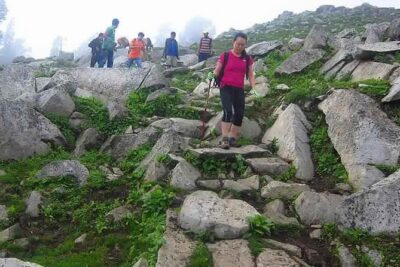 ★ 5.0Hiking Day Tour to Triund from DharamshalaFrom $3175 reviews
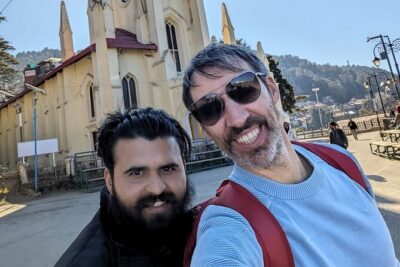 ★ 5.0Shimla Private Guided Walk Tour exploring the colonial trailsFrom $1666 reviews
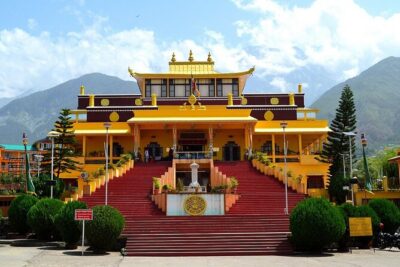 ★ 5.0Private 6 hrs Mcleodganj & Dharamshala City TourFrom $4565 reviews
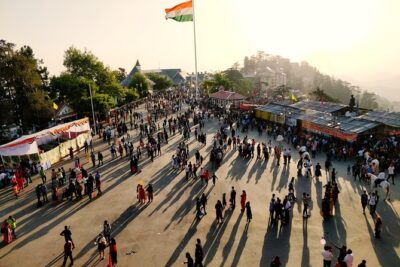 ★ 5.0Shimla Manali PackageFrom $25057 reviews
 ★ 5.0Amritsar Dalhousie Dharamshala 6 Days TourFrom $35855 reviews
 ★ 5.0Unique Shimla and Manali tourFrom $25047 reviews
 ★ 5.0Guided Heritage Walk Tour in ShimlaFrom $3140 reviews
 ★ 5.0Private 7 Days Shimla Manali Hill Stations Tour From ChandigarhFrom $45030 reviews
Browse the lists this tour appears in