
REVIEW · VARANASI GHATS AND GANGA AARTI
Banaras Photography Tours
Varanasi turns into a photo mission with a plan. This Varanasi photography tour is built around the river ghats, where prayer, daily life, and grief all share the same steps. I like that Vinay Singh brings context so your camera work feels respectful, not random.
What I like even more is the way he helps you find shots fast, including street-level details in the narrow lanes near Assi Ghat. One thing to consider, though: this is a real, crowded spiritual city. Expect close quarters and be ready to move quickly, especially around the main ghats.
In This Review
- Quick highlights for your camera roll
- Assi Ghat: the morning light and the first real frame
- Meeting Vinay Singh: your local translator for sacred scenes
- Sunrise boat, rituals on the river, and the lanes near Assi Ghat
- Dashashwamedh Ghat: photographing pilgrims and monks with respect
- Manikarnika Ghat: handling cremation photography the right way
- Tailoring the route: more than just “ghat photos”
- Price and what you actually get for about $127
- Timing, pace, and camera setup in a crowded city
- Where your photos improve most: composition choices at each stop
- Who should book this Varanasi photography tour
- Should you book with Vinay Singh or do it on your own?
- FAQ
- How long is the Banaras Photography Tours experience?
- How much does the tour cost?
- Is pickup available?
- Where does the tour start?
- Is this tour private?
- Do entry tickets cost extra?
- Can the boatride be included for sunrise photos?
- Do I receive a ticket on my phone?
- What is the cancellation policy?
Quick highlights for your camera roll
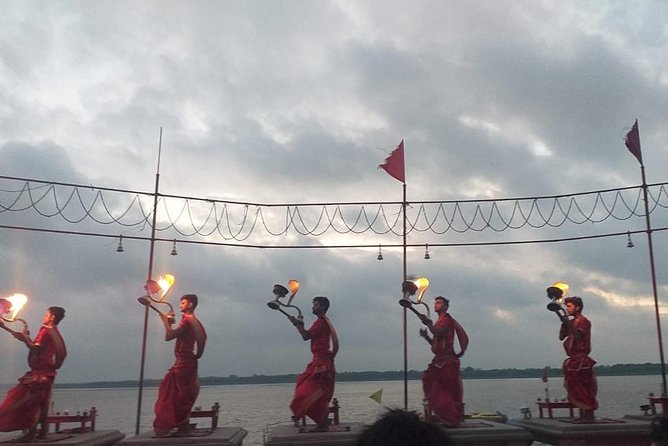
- Assi Ghat at the start of the day with a sunrise boat option and river ritual scenes
- Dasashwamedh Ghat’s classic energy where pilgrimages and local life overlap in front of you
- Manikarnika Ghat for cremation ceremony photography with guidance on what to photograph and how to do it politely
- A guide who thinks like a photographer so you spend time shooting, not wandering
- Private, small-group feel (only your group) with the route tailored to your interests
More time on the Varanasi ghats
Assi Ghat: the morning light and the first real frame
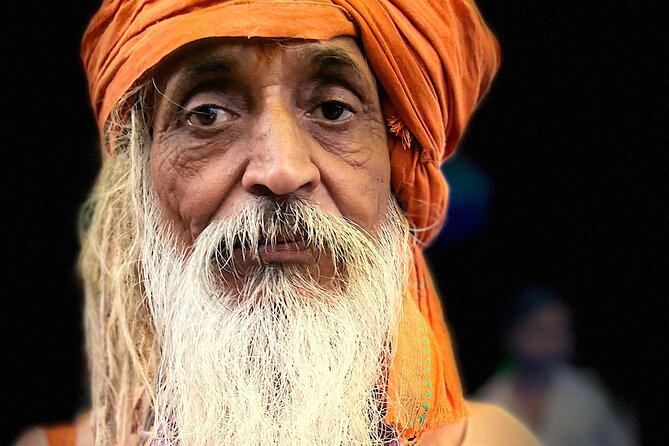
If you want Varanasi photos that feel alive, you start with Assi Ghat. The early morning flow is different from later in the day. There is more space to work your angles, and you’ll see people gathered for prayer and bathing along the river edge. The tour schedule is designed around those morning rituals, with time for you to shoot while the scene is still settling into the day.
A big bonus is that you are not just standing in one spot. After the river side moments, you also walk through nearby lanes. That matters because ghat photography can get repetitive fast if you only aim at the waterline. In the lanes, you’ll find smaller, more personal subjects, like faces, hands, and everyday textures that make your photos feel grounded.
Practical note: morning in Varanasi is not just “pretty light.” It is also movement. You may need to adjust your position often, and you’ll want to keep your camera ready rather than taking long breaks. If you’re the type who likes to shoot quietly and slowly, plan for a bit of extra hustle.
Meeting Vinay Singh: your local translator for sacred scenes
This tour is powered by Vinay Singh, and his value is not only knowing where to go. He helps you understand what you’re seeing, so you can photograph with context. That’s how you avoid the common beginner mistake of treating ceremonies like just another backdrop.
His approach is also practical. People consistently care about getting the right shot in the right place, and Vinay’s strength is pointing you toward photo opportunities instead of leaving you to figure it out alone. One review highlight that matches the tour style is how he guides you to good photo spots, plus where to eat safely when hunger hits.
Also, the tour is not locked into one rigid theme. Every part can be tailored. If you want Aghori sadhus, traditional wrestling, or a deeper focus on cremation ceremonies, he can steer the focus based on your interests. That flexibility is a real quality-of-life upgrade in Varanasi, where the city can feel like sensory overload.
Sunrise boat, rituals on the river, and the lanes near Assi Ghat
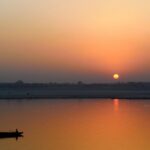
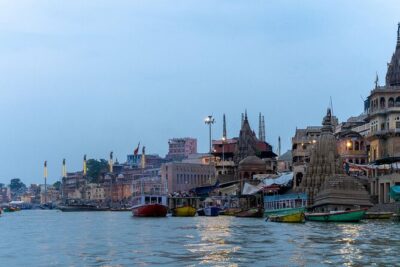
Stop one is built for photographers who want variety quickly. You begin at Assi Ghat and then you shift into river-side ceremony time, with a boat ride around sunrise to capture the ghat from the water. Seeing pilgrims bathe and pray from the river perspective changes your entire photo language. Boats let you frame people with softer backgrounds and stronger lead lines along the steps.
While you’re on the water, look for repeating patterns: hands in prayer, people adjusting cloth, and moments where the shoreline buildings reflect in the river. Even if you don’t get every shot, you’ll learn the visual rhythm, and your later frames improve.
After the boat and morning rituals, you continue on foot and spend time walking the nearby narrow lanes. This is where your camera can slow down a touch. The best ghat day photos often blend wide, iconic scenes with smaller storytelling shots. Lanes help you grab that mix.
Two considerations:
- You’ll be around active worship and daily life, so keep your actions low-key. Don’t block paths.
- If you’re carrying a large rig, think about how you’ll move through crowded lanes. A lighter setup makes the tour feel smoother.
- The Ultimate 1 Day in Varanasi – How to Spend 13 Hours – Private Guided Tour★ 5.0 · 295 reviews
- A Journey of A lifetime★ 5.0 · 272 reviews
- Varanasi: Hidden Secrets of Vibrant Tradition (Guided Tour)★ 4.9 · 176 reviews
- Private Heritage and Spiritual Walk Tour – Varanasi Kashi★ 5.0 · 172 reviews
- 3 Hour Walking Tour of Buddhism in Sarnath★ 5.0 · 160 reviews
Dashashwamedh Ghat: photographing pilgrims and monks with respect
Next comes Dashashwamedh Ghat, one of the oldest and most important ghats in Varanasi. This stop is where the pace usually feels higher. You’re watching a mix of pilgrimage activity and local routines, and the camera opportunities are constant because the scene is layered.
What makes this stop worth your time is the variety in subject. You may see Hindu monks and religious figures, and you’ll likely find moments where prayer, movement, and faces all line up. This is also a strong place for classic compositions that include the steps and the crowd as part of the story, not just as background.
A smart way to shoot here is to plan in short bursts. For example:
- One burst for wide scenes (ghat steps, lines leading into the river)
- One burst for medium portraits (faces and rituals with less clutter)
- One burst for details (hands, fabrics, prayer objects)
The tour gives you a set window at this location, so you won’t lose the day chasing one perfect angle. That structure is part of why the experience works for photographers who have limited time in the city.
Manikarnika Ghat: handling cremation photography the right way
Then you reach Manikarnika Ghat, known for cremation ceremonies. The moment you arrive, it’s not about “cool photos.” It’s about understanding what you’re photographing. You’ll be near the holy fire and learn about death as part of Indian cultural and spiritual life. If you come with sensitivity and patience, this stop can produce images with real emotional weight.
You should also expect that this area has its own rules of space and respect. Even if you love documentary-style photography, you need to keep your behavior careful. Don’t crowd people, don’t interfere with ritual movement, and avoid long, intrusive lens hovering over individuals. A guide helps here because he can advise what is appropriate to photograph in that exact moment.
One practical advantage of having a dedicated stop here is timing. You can focus your attention without losing your way in one of the most intense areas of Varanasi. Even though the time at this stop can be short, you’ll still get the chance to make meaningful frames, especially if you’re prepared to shoot with restraint.
Tailoring the route: more than just “ghat photos”
A regular photography walk can end up as a checklist: stand, shoot, move on. This experience is meant to be more flexible. The city has many layers, and Vinay’s pitch is that your tour can match your interests.
If you want to go beyond the standard sunrise and main ghats, the tour can be shaped to include other deeply rooted elements of Varanasi life, such as Aghori sadhus and traditional wrestling. That doesn’t mean you will see every possible scene in one afternoon, but the point is that you can ask for the direction you care about.
You can also request help with meals. If you get hungry, Vinay can lead you to restaurants or street food that is safe to eat for travelers. That matters for photographers because food breaks can derail your schedule, and in Varanasi, “safe” is not a vague word. A local recommendation can save time and stomach problems.
Price and what you actually get for about $127
At $127 for a 3 to 4 hour session, this tour is priced like a focused local guide experience, not a massive production. The value is in three things that affect your final results: guidance, efficiency, and access to the right moments.
Here’s what justifies the price:
- Pickup is offered, which cuts down on your logistical stress.
- You get structured time at three major photo zones, so you don’t waste the limited daylight drifting.
- Entry is included where it counts for the Assi Ghat stop, while the other stops are listed as ticket-free for the tour points.
- It’s private, meaning only your group participates. That helps you move at a comfortable pace for shooting, not at a generic group pace.
There are also group discounts, which can lower the per-person cost if you’re going with friends or a fellow photographer.
If you’re thinking of doing this on your own, the math changes. You can walk ghats by yourself, sure. But you’ll spend more time figuring out where to stand, what to photograph, and how to behave in sensitive spaces. Paying for a guide is paying for your time, your camera results, and your comfort.
Timing, pace, and camera setup in a crowded city
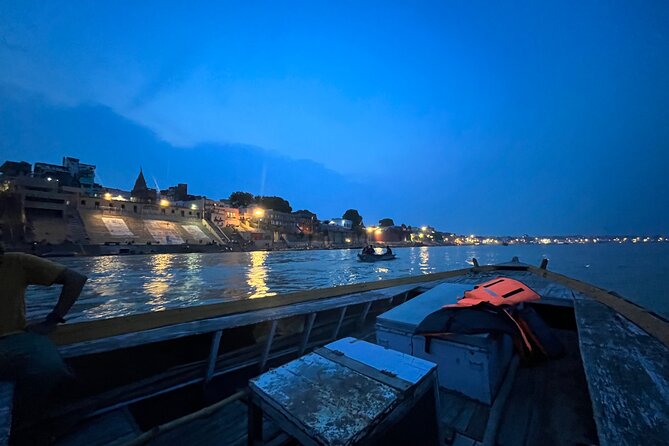
This is not a slow sightseeing stroll. It’s a photo-first walk along important waterfront locations. Expect active movement, shifting viewpoints, and short transitions between stops.
Also, Varanasi’s daily rhythm is real. Around major ghats, you’ll be close to other people and close to activity. That affects camera choices:
- If you use a tripod, plan how you’ll set it up without blocking paths.
- If you shoot with a long lens, mind your walking space in lanes.
- Keep your settings ready. You may need to react quickly to prayers, bath moments, and people crossing your frame.
The tour runs daily, based on the opening hours shown. Still, the best photographic payoff usually comes from early session timing, especially because the tour starts at Assi Ghat and includes sunrise ceremony river time.
Where your photos improve most: composition choices at each stop
You’ll come away with more than images. You’ll come away with photo habits.
At Assi Ghat, the boat perspective trains your eye for leading lines and storytelling across water and steps. In the lanes, you practice finding subject matter that is not just a postcard angle.
At Dashashwamedh Ghat, you learn how to handle layered scenes, where pilgrims, monks, and activity all compete for attention. The trick is to shoot in short bursts and accept that not every frame will be perfect.
At Manikarnika Ghat, your growth is about ethics and framing. Your best images here often come from calm observation, respectful distance, and careful timing with what’s already happening.
This is where Vinay’s guidance matters. A good guide doesn’t just point a finger and say take this shot. He helps you understand what kind of photo the moment supports.
Who should book this Varanasi photography tour
This tour fits best if you:
- Want photography guidance in the ghat areas with context, not just a walking route
- Have limited time in Varanasi and want the most important photo zones covered efficiently
- Care about documentary-style images and respect the weight of what you’re photographing
- Prefer a private experience, so your group can shoot without constant crowd mixing
It may be less ideal if you:
- Need a very quiet, slow pace with long breaks between stops
- Struggle with crowded sacred spaces or scenes that feel emotionally heavy
- Want a purely scenic, non-ritual photo day. This tour focuses on spirituality and ceremony.
Should you book with Vinay Singh or do it on your own?
If you want Varanasi photos that look intentional, book it. You’re paying for a guide who can help you find frames quickly and handle sensitive moments in a respectful way. The sunrise river component, the main ghat stop at Dashashwamedh, and the cremation ceremony focus at Manikarnika create a strong photo sequence that you can’t easily replicate with trial and error.
If you love wandering alone and don’t mind figuring out logistics and photo ethics yourself, you could go independently. But if you want to spend your time shooting instead of decoding the city, this guide-led setup is the smarter use of a half day.
FAQ
How long is the Banaras Photography Tours experience?
It runs about 3 to 4 hours.
How much does the tour cost?
The price is listed as $127.
Is pickup available?
Pickup is offered.
Where does the tour start?
You meet at Assi Ghat, Nagwa Rd, Assi Ghat, Shivala, Varanasi, Uttar Pradesh 221005, India.
Is this tour private?
Yes. It is a private tour/activity, and only your group participates.
Do entry tickets cost extra?
Admission ticket is included for the Assi Ghat stop. The other listed stops are marked as free for the tour points.
Can the boatride be included for sunrise photos?
The tour description says you can include a boat for sunrise to capture the ghat.
Do I receive a ticket on my phone?
The experience includes a mobile ticket.
What is the cancellation policy?
Free cancellation is available up to 24 hours in advance for a full refund. Changes within 24 hours are not accepted, and cut-off times use the local time of the experience.
The Ghats at Varanasi, More Reviews
Recently reviewed across Varanasi
- Varanasi: Sunrise Boat Tour and Heritage Walk with transfers
★ 5.0 · 10 reviews - Varanasi Mysteries Walk: A Journey through Life and Death
★ 5.0 · 10 reviews - Omvity’s Full-Day Varanasi Tour: Sunrise Boat to Sunset Aarti
★ 5.0 · 10 reviews - Cycle of Life, Death & Rebirth (2 Hours Guided Walking Tour)
★ 4.5 · 10 reviews - Varanasi: Private Heritage Walking Tour & Sunrise Boat Ride
★ 4.9 · 11 reviews - Varanasi: Ganga Arti Evening Light Ceremony on the Main Ghat
★ 4.1 · 11 reviews
Varanasi Ghats and Ganga Aarti, compared.
 ★ 4.8Full Day City Highlights Day Tour & Ganges CruiseFrom $61520 reviews
 ★ 5.0Hidden Secrets of Varanasi: Vibrant Tradition (Guided Tour)From $24429 reviews
 ★ 5.0Sunrise Boat Tour with Arti CeremonyFrom $31375 reviews
 ★ 5.0Banaras Wala ToursFrom $13329 reviews
 ★ 5.0The Ultimate 1 Day in Varanasi – How to Spend 13 Hours – Private Guided TourFrom $65295 reviews
 ★ 4.9Hidden Secrets of Vibrant Tradition (Guided Tour)From $16176 reviews
 ★ 5.0Private Heritage and Spiritual Walk Tour – Varanasi KashiFrom $24172 reviews
 ★ 4.5Varanasi Landmark Evening City Tour – Aarti, Boating & Witnessing the GODFrom $31149 reviews
Browse the lists this tour appears in