
REVIEW · VARANASI GHATS AND GANGA AARTI
Varanasi: Hidden Secrets of Vibrant Tradition (Guided Tour)
Varanasi is not a place you skim. This guided walking tour gives you faith, history, and street-level reality in just 3 hours, starting right by the Ganges. I especially like how it focuses on key sites like Vishalakshi Mata Shaktipeeth and the cremation grounds at Manikarnika Ghat, with context you can actually use while you’re there.
The main drawback is that you will be walking through busy lanes and visiting cremation-related space at Manikarnika Ghat, so it is not the right fit for people who need low-stimulation or who have mobility limits.
In This Review
- Key highlights worth planning for
- 3 Hours on Foot, Starting at Rajendra Prasad Ghat
- Vishalakshi Mata Shaktipeeth: Why This Temple Changes Your Lens
- The Ghat View Stops: Meer Ghat and the Art of Not Getting Lost
- Kathwala (Nepali) Temple and the Shiva Thread Through Varanasi
- Manikarnika Ghat: Cremation Grounds, Moksha, and Respectful Watching
- Manikarnikeshwar Mahadev, Ratneshwar, and Chakrapushkarini
- Tea, Coffee, and a Real Local Break
- Price and What Feels Like Real Value
- Who This Walking Tour Suits Best
- Should You Book This Varanasi Walking Tour?
- FAQ
- How long is the Varanasi guided walking tour?
- Where do I meet the guide?
- Which places will I visit?
- Is the cost of temple or ghat admissions included?
- Is coffee or tea included?
- Does the tour include bottled water?
- What languages does the guide speak?
- Is transportation included?
- What should I bring?
- Is this tour suitable for wheelchair users or people with mobility impairments?
Key highlights worth planning for
- Temple stops are built in, including Vishalakshi Temple, Nepali (Kathwala) Temple, Manikarnikeshwar, Ratneshwar, and Chakrapushkarini
- Manikarnika Ghat has spiritual context, not just sightseeing
- Back-street walking and photo stops, so you see Varanasi beyond the obvious riverfront views
- Coffee or tea plus bottled water, included so you do not scramble mid-walk
- A local guide experience, often praised for clear English and friendly, patient answers
More time on the Varanasi ghats
3 Hours on Foot, Starting at Rajendra Prasad Ghat
This tour is designed for walking, with a tight 3-hour window and a start point that puts you close to where Varanasi actually breathes. You meet at Rajendra Prasad Ghat, in front of the Virtual Experiential Museum. The guide stands at the museum entrance, which sounds simple, but do arrive early because getting into ghat areas can be tricky.
The big value here is that you get a structured path through the sacred parts of the city without having to figure it all out yourself. You will move on foot between stops, including narrow lanes, photo moments, and guided time at each site. Comfortable shoes matter. If your feet tend to complain fast, Varanasi’s lanes will remind you.
Also note what is and is not covered. You get bottled water and coffee or tea, plus admissions for the listed temples and ghats, but you do not get transportation. Plan to walk what you can, and if you are coming from farther away, consider using a tuk tuk or rickshaw to get as close as possible to the ghat zone.
Vishalakshi Mata Shaktipeeth: Why This Temple Changes Your Lens
The tour begins with a stop at Shri Vishalakshi Mata Shaktipeeth Temple (Kashi). This is not just a scenic place. It’s dedicated to the Hindu Divine Mother, Adi Shakti, and learning that upfront helps you understand why pilgrims treat certain spaces in Varanasi like living centers of devotion.
You will have guided time here (about 15 minutes), plus a photo stop. This is the kind of early stop that sets the tone for the rest of your walk. Instead of seeing statues and steps as random details, you start connecting them to the city’s religious logic. In a city where so much is happening at once, that framing is the difference between collecting images and actually understanding what you are seeing.
A practical tip: temples involve entrances, rules, and crowd flow. Wear shoes you can slip into a steady rhythm, and keep your hat and sunscreen ready. Even in cooler seasons, the sun near the riverfront can still catch you by surprise.
The Ghat View Stops: Meer Ghat and the Art of Not Getting Lost
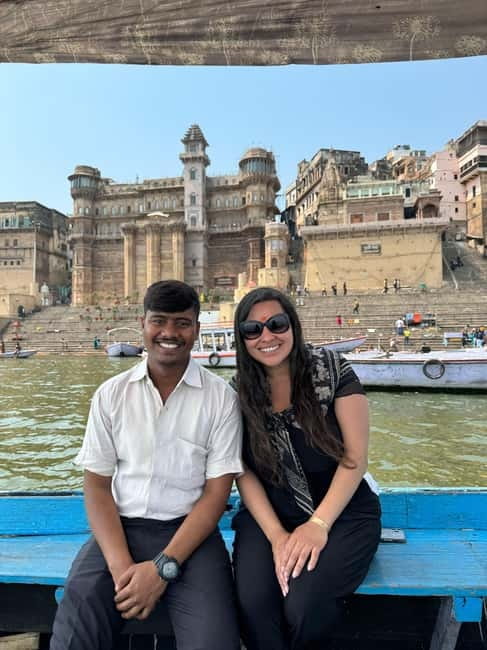
After the Shaktipeeth stop, you’ll transition into a river-area photo rhythm, including a visit area called Meer Ghat and additional guided/photo time between stops. This part of the walk matters because Varanasi is layered. You get glimpses of river life, but also the lanes that feed into it.
The best lesson in this stretch is how a guide helps you move through the “maze” with less stress. Multiple guests mention that navigating the Banarasi galis, the narrow lanes, is hard alone. With a guide, you get two wins: you spend time looking, not constantly checking maps, and you learn what to focus on without missing the meaningful details.
If you want photos, use this section to reset your expectations. You are not photographing a clean backdrop. You are photographing lived-in space: people moving, rituals continuing, shops operating, and boats passing on the Ganges. The guide’s timing helps here, including planned photo moments.
- The Ultimate 1 Day in Varanasi – How to Spend 13 Hours – Private Guided Tour★ 5.0 · 295 reviews
- A Journey of A lifetime★ 5.0 · 272 reviews
- Varanasi: Hidden Secrets of Vibrant Tradition (Guided Tour)★ 4.9 · 176 reviews
- Private Heritage and Spiritual Walk Tour – Varanasi Kashi★ 5.0 · 172 reviews
- 3 Hour Walking Tour of Buddhism in Sarnath★ 5.0 · 160 reviews
Kathwala (Nepali) Temple and the Shiva Thread Through Varanasi
Next up is the Nepali Temple, also known as the Kathwala Temple. You’ll also hear it described as the Shri Samrajeswar Pashupatinath Mahadev Mandir, dedicated to Lord Shiva.
This stop adds a second pillar to what you are learning. The tour is already anchored in Adi Shakti at the Vishalakshi Mata Shaktipeeth. Shiva then brings another set of stories, symbols, and pilgrim motivations into the same walk. Even if you know basic Hindu ideas, the guide’s job is to translate what you’re seeing into plain language you can connect the dots with.
You get guided time here (about 30 minutes), plus photo time. That longer visit is a clue: the experience is meant to feel like more than a quick photo break. You should come with a little curiosity and expect to ask questions. If you like myth, ritual, and how belief shows up in everyday architecture and movement, this is one of the better moments to slow down.
Practical note: temples can be emotionally intense even when they are not solemn. Keep your camera respectful, and avoid blocking people who are praying. If you are unsure, watch what locals do first, then follow the guide’s instructions.
Manikarnika Ghat: Cremation Grounds, Moksha, and Respectful Watching
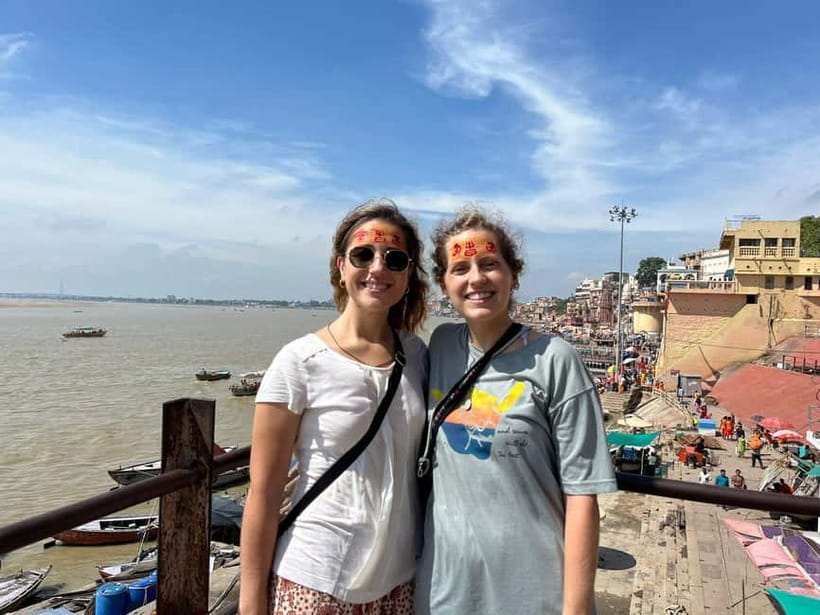
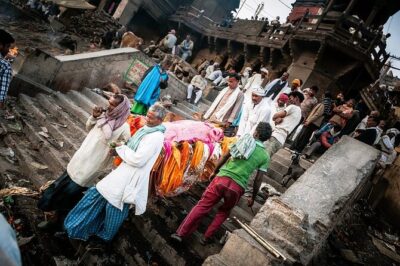
The tour’s centerpiece is Manikarnika Ghat, one of the holiest cremation grounds among the sacred riverfronts along the Ganges. This is not a casual stop. It’s where Hinduism frames death as part of karma, and where many believers see cremation as a step toward liberation.
The tour includes guided time here (about 1 hour). You’ll learn the core ideas: death as a gateway to another life, moksha as the soul’s release from the cycle of rebirth, and the belief that cremation here connects a person’s spiritual journey to that goal. In Hindu belief, the story is not only about ending. It is about transformation.
There is also a related belief tied to the next temple stop: devotees who take a bath at Manikarnika and worship Manikarnikeshwar Mahadev are said not to see mother’s womb again, meaning no rebirth. Whether you share these beliefs or not, hearing them out loud helps you understand why people behave the way they do around the ghat.
How to handle this stop in real life:
- Keep your posture calm and your voice low.
- Ask the guide what is appropriate to photograph and when to put the camera away.
- Expect emotion, not spectacle. If you come expecting a performance, you will miss the point.
And here is the blunt truth: this stop can be heavy. It is one reason the tour is not suitable for everyone, including pregnant women and people with mobility impairments.
Manikarnikeshwar Mahadev, Ratneshwar, and Chakrapushkarini
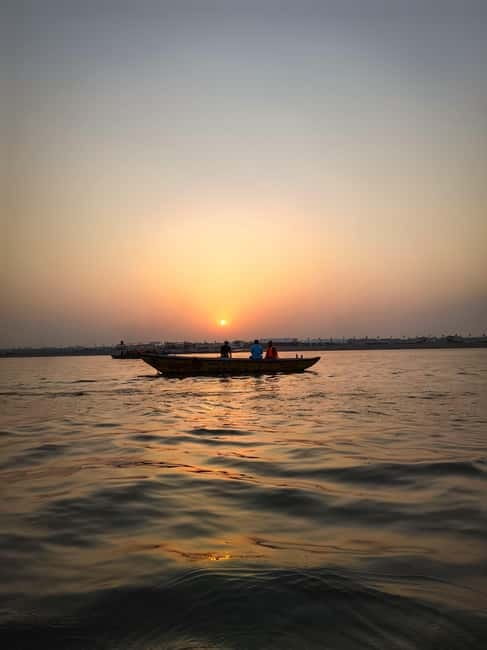
After Manikarnika Ghat, the tour ends at Manikarnikeshwar Mahadev Temple (Kashi Khand). You get photo time plus guided time (about 10 minutes). This is directly tied to the beliefs you heard about Vishnu and rebirth, so the stop feels like the spiritual “answer” to what you just saw.
Then you continue to Ratneshwar Mahadev Temple, with about 10 minutes of guided visit and photo time. Even though the tour does not give you a lot of extra explanation for this stop in the core details, the structure matters: you are moving from cremation grounds into temples dedicated to Shiva related forms and meanings. The walk helps you see how one place feeds the next in Varanasi’s religious map.
Finally, you visit Shri Manikarnika-Chakra Pushkarini (Chakrapushkarini Kund), again with guided time (about 10 minutes). This temple-and-water connection is part of what makes Varanasi unique: water is not only scenery. It’s part of religious practice and symbolism.
If you like a city where faith, ritual, and daily movement overlap, these end stops are where the walk clicks into place. You go from understanding the story of death at Manikarnika to seeing how worship and water practice support that story.
Tea, Coffee, and a Real Local Break
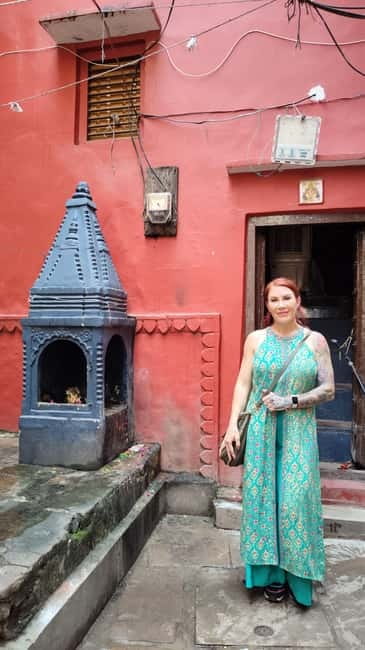
The tour includes coffee and/or tea, plus bottled water. The tea or coffee stop is at a popular local food stall in the city, and that small included moment can be a big deal. Varanasi’s lanes can drain your energy fast, and you do not want to choose between hydration and missing the last temple stops.
This also gives you a simple way to experience local life without turning it into a separate food quest. You can use the break to ask your guide a couple follow-up questions about what you just learned, or to request a gentle recommendation for where to eat after.
One extra practical tip from guest experiences: at the end of the walk, guides have been known to point people toward a good nearby restaurant spot called Dolphin. If you want food advice, ask directly while you still have your local guide with you.
Price and What Feels Like Real Value
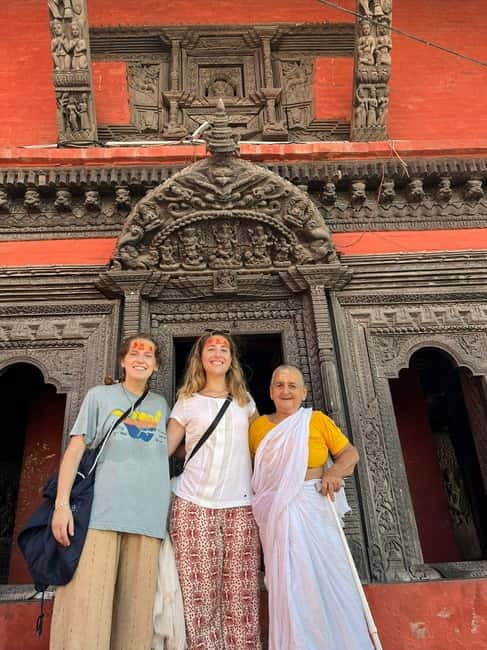
At $16 per person for 3 hours, this is priced in a way that makes sense for what you get. You’re paying for a local guide, a planned sequence of major religious stops, and included entry or admission for multiple temples and ghat-related sites. You also get bottled water and coffee or tea, which quietly raises the real value.
Compare that to the typical DIY problem in Varanasi: if you rely on apps or wandering, you end up paying time and nerves. A guide is doing the heavy lifting, including helping you find your way through crowded lanes, and giving you context so you can interpret what you are seeing instead of just walking past it.
The other value point is safety and scams. Several guests specifically mention that Varanasi can be easy to scam near the ghats, and having a local guide makes it simpler to know what to trust and what to avoid.
One consideration: you will still need to handle your own meals and any snacks beyond the included drink. The tour does not include food beyond the tea/coffee moment.
Who This Walking Tour Suits Best
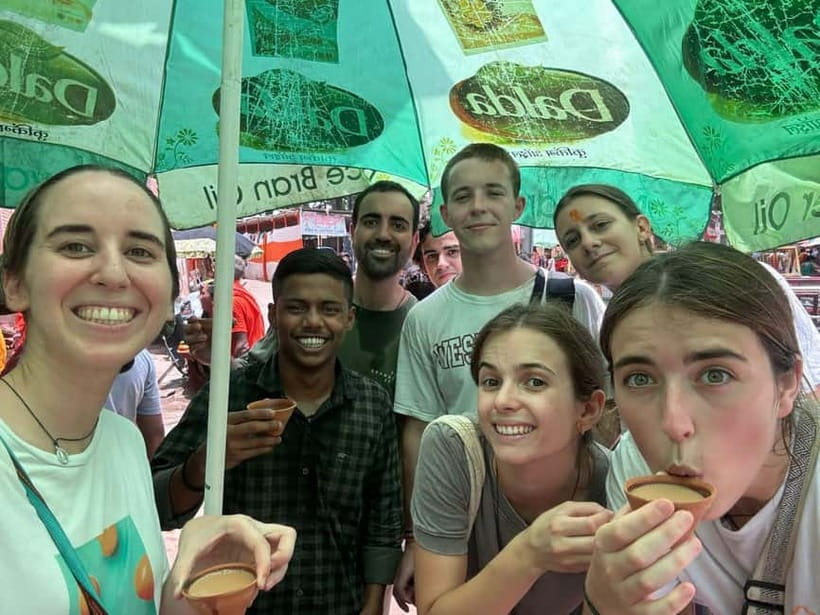
This walking tour is ideal if you want the “why” behind Varanasi, not only the “where.” If you’re curious about Hindu temples, ghat rituals, and how belief shows up in daily movement, the guided explanations at Vishalakshi Temple, the Nepali (Kathwala) Temple, Manikarnika Ghat, and the Shiva temples afterward will likely feel like a strong orientation.
It also fits well if you like a lighter group vibe where you can ask questions. Many guests praise guides like Niwas and Akash for clear English, friendly humor, and letting people move at their own speed. One guest even notes you can get help finding your way if you arrive late or get lost.
This is less suitable if you:
- Need step-free routes or cannot manage sustained walking
- Are avoiding any cremation-ground content
- Are traveling with babies under 1 year
- Are pregnant
For clothing and comfort, I’d prioritize breathable layers, a hat, sunscreen, and shoes with good grip. Keep your camera ready, but respect the fact that this is a working religious space.
Should You Book This Varanasi Walking Tour?
If you’re a first-timer, you should strongly consider booking this. The value is unusually good for a tour that includes admissions for multiple sacred stops and gives you interpretive context you cannot easily pick up on your own. The route also helps you see Varanasi as a living city of devotion, not just a checklist of famous names.
Book it if you want:
- A guided first taste of Varanasi’s main spiritual sites
- Temple-and-ghat context explained in clear language
- A walk with built-in breaks and included water plus tea or coffee
Skip it if you are not comfortable with cremation-related space or you cannot handle the walking and crowds. If you are unsure, read the suitability notes closely and consider asking your operator what kind of pace to expect.
If you do book, my practical advice is simple: arrive early, wear comfortable shoes, and treat your guide’s role as your shortcut to understanding. In Varanasi, that makes the whole city feel less overwhelming and a lot more meaningful.
FAQ
How long is the Varanasi guided walking tour?
The tour lasts 3 hours.
Where do I meet the guide?
You meet at Rajendra Prasad Ghat, in front of the Virtual Experiential Museum, and the guide stands at the museum entrance.
Which places will I visit?
You’ll visit Shri Vishalakshi Mata Shaktipeeth Temple, Nepali Temple (Kathwala Temple), Manikarnika Ghat, Manikarnikeshwar Mahadev Temple, Ratneshwar Mahadev Temple, and Shri Manikarnika-Chakra Pushkarini. You will also have photo stops along the way.
Is the cost of temple or ghat admissions included?
Yes. Entry and admission for the Vishalakshi Temple, Nepali Temple (Kathwala Temple), Manikarnika Ghat, Manikarnikeshwar Temple, Ratneshwar Temple, and Chakrapushkarni Kund are included.
Is coffee or tea included?
Yes. Coffee and/or tea are included during the tour.
Does the tour include bottled water?
Yes. Bottled water is included.
What languages does the guide speak?
The guide provides a live tour in English and Hindi.
Is transportation included?
No. Transportation is not included.
What should I bring?
Bring comfortable shoes, a hat, a camera, sunscreen, and water.
Is this tour suitable for wheelchair users or people with mobility impairments?
No. It is not suitable for people with mobility impairments, wheelchair users, or babies under 1 year. It is also not suitable for pregnant women.
The Ghats at Varanasi, More Reviews



Recently reviewed across Varanasi
- Varanasi: Sunrise Boat Tour and Heritage Walk with transfers
★ 5.0 · 10 reviews - Varanasi Mysteries Walk: A Journey through Life and Death
★ 5.0 · 10 reviews - Omvity’s Full-Day Varanasi Tour: Sunrise Boat to Sunset Aarti
★ 5.0 · 10 reviews - Cycle of Life, Death & Rebirth (2 Hours Guided Walking Tour)
★ 4.5 · 10 reviews - Varanasi: Private Heritage Walking Tour & Sunrise Boat Ride
★ 4.9 · 11 reviews - Varanasi: Ganga Arti Evening Light Ceremony on the Main Ghat
★ 4.1 · 11 reviews
Varanasi Ghats and Ganga Aarti, compared.
 ★ 4.8Full Day City Highlights Day Tour & Ganges CruiseFrom $61520 reviews
 ★ 5.0Hidden Secrets of Varanasi: Vibrant Tradition (Guided Tour)From $24429 reviews
 ★ 5.0Sunrise Boat Tour with Arti CeremonyFrom $31375 reviews
 ★ 5.0Banaras Wala ToursFrom $13329 reviews
 ★ 5.0The Ultimate 1 Day in Varanasi – How to Spend 13 Hours – Private Guided TourFrom $65295 reviews
 ★ 5.0Private Heritage and Spiritual Walk Tour – Varanasi KashiFrom $24172 reviews
 ★ 4.5Varanasi Landmark Evening City Tour – Aarti, Boating & Witnessing the GODFrom $31149 reviews
 ★ 5.0INDIVIDUAL YOGA CLASS – BEGINNER / ADVANCED Sunrise Yoga with Ayush in VaranasiFrom $16147 reviews
Browse the lists this tour appears in