
REVIEW · OLD DELHI AND CHANDNI CHOWK TOURS
Delhi By Cycle & Old Delhi
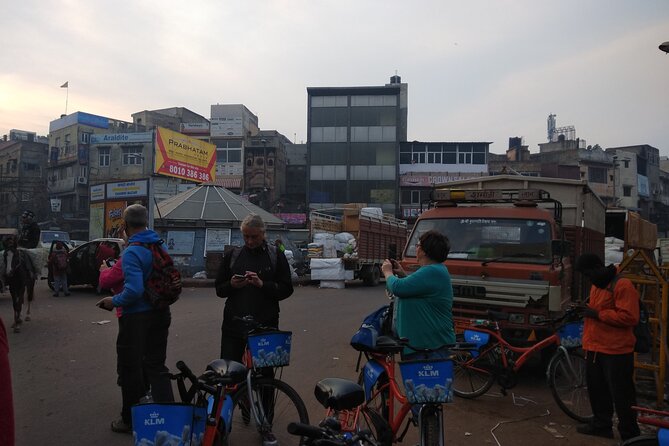
A bike is the fastest way in Old Delhi. This small-group ride from Daryaganj takes you on two wheels through lanes that feel unreachable in traffic, with stops and stories tied to Shah Jahan, Chandni Chowk, and the Red Fort area. It’s a very “morning in the real city” kind of tour, not a checklist.
I love the storytelling most, especially when guides like Krishna, Faiz, and Ashutosh explain what you’re seeing and why it matters. I also love the built-in break, chai plus breakfast in side-street spots that feel local, not showroom-tourist.
The one drawback to plan for is the ride through narrow Old Delhi lanes, where tight turns and crowded conditions mean you need patience and good focus on the road.
In This Review
- Key highlights to know before you book
- Old Delhi by Bike: why this works better than walking
- Where the morning starts in Daryaganj at 06:30
- Turkman Gate: the royal-city entrance you can actually feel
- Chawri Bazar: market history in one squeezed-in stop
- Gadodia Market rooftop: spice-market views plus a mosque conversation
- Chandni Chowk: the road that turned into an all-in-one destination
- Shah Jahan stories: what the guide teaches you between landmarks
- Chai break and breakfast: real fuel for a half-day ride
- Safety, helmets, and how the ride stays manageable
- Price and value: what $30 gets you in real access
- Who should book this cycle tour, and who might hesitate
- Practical tips so you enjoy the ride (not just survive it)
- Should you book DelhiByCycle and Old Delhi by Cycle?
- FAQ
- What time does the tour start?
- How long is the Delhi by Cycle and Old Delhi tour?
- Where is the meeting point?
- What is included in the price?
- Is transport to and from the meeting point included?
- What should I wear?
- Is this tour kid friendly?
- Is free cancellation available?
Key highlights to know before you book
- 06:30 start from Daryaganj, so you get into the morning before the day fully ramps up
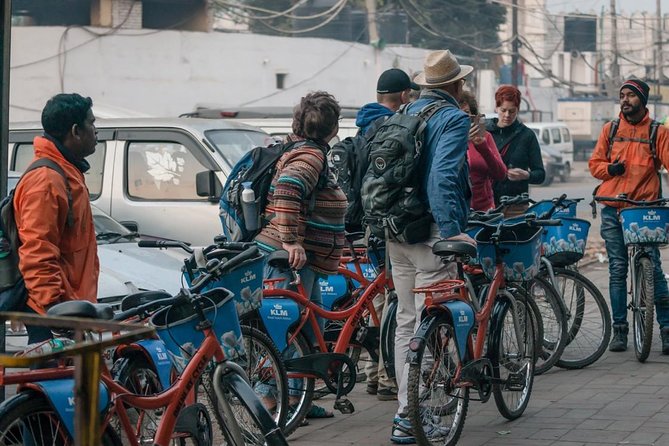
- Two-guides support (a guide plus a co-guide) and helmets provided for a calmer ride
- Old City “pinball” route, pairing big-name sights with lesser-seen market streets
- Chai break and breakfast, served during the ride so energy stays up
- Mughal stories in context, with Shah Jahan woven into what you see on the ground
- Stops that teach you how Delhi changed, from Turkman Gate to Chawri Bazar
Deeper into Old Delhi and the Chowk
Old Delhi by Bike: why this works better than walking
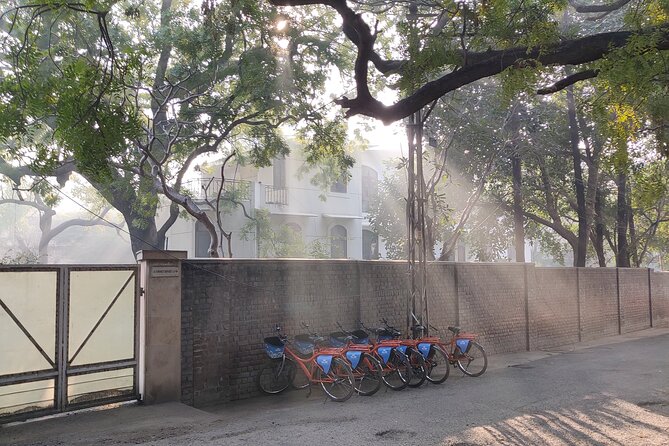
Old Delhi is the kind of place where walking can feel like work. The lanes are tight, the street life is constant, and the turns come fast. A bike changes the rhythm. You cover ground without speeding past details, and you can slip into the kinds of lanes cars and buses simply can’t handle.
What makes this ride special is that it’s not only about speed. The guides steer you toward meaning. You’re not just looking at buildings, you’re learning how the city’s layers connect. One example: Turkman Gate is introduced as one of the old entry points to the royal city, which helps the rest of the route click into place.
The other big advantage is sensory. Markets are smell-heavy and sound-heavy. You’ll notice spice stalls, snack stands, and the daily flow of people, and you’ll feel like you’re moving with the city rather than through it. That matters in a place like Chandni Chowk, where the energy is part of the experience.
Where the morning starts in Daryaganj at 06:30
The meeting point is at the DelhiByCycle location on Ansari Road in Daryaganj. The expectation is you arrive by 06:30 a.m. so you can meet your guide, get your cycle, and get a quick briefing before you ride.
This timing is not random. Early in the morning, Old Delhi is still awake but less chaotic than later. You’ll get a better chance to notice what’s around you, take photos with fewer people in every frame, and hear the guide clearly during stops. It’s also cooler, which helps when your ride includes a chai break and a breakfast stop.
One practical note: you’ll want to bring sunglasses and keep your phone secure. The route includes busy market streets, so you’re going to be handling your bike and your attention at the same time.
Turkman Gate: the royal-city entrance you can actually feel
Your first real landmark stop is Turkman Gate, an ancient gate that once served as one of the entry points to the royal city. What I like about starting here is the way it sets the tone. Before you hit the markets, the guide gives you a spatial anchor, like, this is where people moved from outside to inside the old power center.
Even if you know the names of monuments already, gate stories help you understand how cities used to function. Gates shaped movement, controlled access, and created a sense of threshold. Standing there on a bike tour makes that idea physical, because you’re leaving and entering spaces as you go.
If you’re worried about being rushed at the start, this stop is brief, which is a relief. You get context without turning the morning into a classroom.
- Old & New Delhi City Tour – Half or Full Day Options Available★ 5.0 · 4,811 reviews
- Taj Mahal Tour from Delhi by Express Train (Viator Award Winner)★ 5.0 · 2,849 reviews
- Same Day Taj Mahal, Fort & Baby Taj Tour from Delhi by Car★ 4.9 · 2,534 reviews
- From Delhi: Taj Mahal and Agra Fort Private Sunrise Tour★ 4.9 · 2,270 reviews
- Sunrise Taj Mahal, Agra Fort & Baby Taj Tour from Delhi by Car★ 5.0 · 2,243 reviews
Chawri Bazar: market history in one squeezed-in stop
Next up is Chawri Bazar, an older, crowded market area that has seen sharp transitions over time. The tour frames it as a place that changed identities across history, including a period when it became known in a very different way, and now it’s extremely busy in the evenings.
That framing is useful because it stops you from treating markets like they’re frozen in time. In Old Delhi, streets keep adapting. The guide helps you notice how commercial life and social life overlap, and why the city feels layered rather than uniform.
From a practical view, markets are where you’ll feel the ride’s “human pace.” You are cycling, but you’ll also be slowing down often as you approach people, carts, and stalls. You’ll be glad you’re going early.
Gadodia Market rooftop: spice-market views plus a mosque conversation
One of the more memorable parts of the route is Gadodia Market, described as a rooftop in the middle of the spice market. This is where the tour shifts from street-level browsing to perspective.
Rooftop stops are smart on a bike tour. They give your legs a break and your eyes a wider read of how the market sits inside the neighborhood. You’ll also discuss spice stories and Old Delhi connections, including Fatehpuri Mosque as part of the conversation. Even without getting deep into architecture, hearing how faith sites and daily commerce share space helps you understand why Old Delhi feels so alive.
If you’re sensitive to heights or you don’t like crowded stairs, keep in mind this type of stop is designed to be short and view-focused. It’s not meant to feel like a long hangout.
Chandni Chowk: the road that turned into an all-in-one destination
Chandni Chowk is where the tour leans hard into “this is why people come to Old Delhi.” The road is described as famous for its street food, shopping energy, and its mix of religious places for multiple faiths. It’s also tied to the canal history of the area, which helps you see the street as more than a shopping strip.
On a bike, you get a strong sense of how the road works. You can see the flow of people moving in waves, how vendors set up and rearrange, and how the market pulls different crowds at different times. Wedding shopping is mentioned as one of the many reasons the area stays busy.
The guide role matters here. Without guidance, you can feel overwhelmed fast. With guidance, you get better at picking what to look at. You’ll learn which sights to connect to stories about Shah Jahan and the Mughal world, and how those stories relate to the physical space you’re passing.
You may also hear about big monuments in the same sphere, including the UNESCO-listed Red Fort and Jama Masjid. Even if you’re not touring inside like you would on a museum visit, the key is the explanation. Context turns a view into something you can actually remember.
Shah Jahan stories: what the guide teaches you between landmarks
A cycle tour like this rises or falls on narration. This one is built around an “in-story” approach, with the guide explaining details of the life of Mughal emperor Shah Jahan as you ride. That approach works because Shah Jahan is not just a name on a plaque. The stories help connect rulers, architecture, and the way the city’s power center once operated.
In the feedback you can find recurring praise for guides being patient and engaging. Names that come up include Krishna, Faiz, Shivam, Mukesh, Ashutosh, Jehu, and Ujjwal. The consistent theme is a guide who explains while also keeping you safe and comfortable in tight traffic patterns.
If you get bored easily on history tours, this style is a good match. You’re moving while you listen, and the history is tied to visible places right in front of you.
Chai break and breakfast: real fuel for a half-day ride
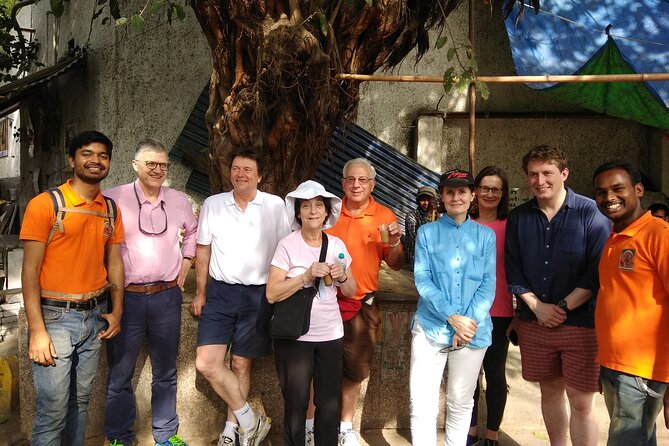
You’re not left to fend for yourself. Included in the experience is a chai break plus breakfast at hidden places in Old Delhi (meaning small, local-feeling food stops). A water bottle is also provided.
I like food breaks on tours because they solve two problems at once. First, you stay energized. Second, you slow the pace in a way that feels natural, not forced. In Old Delhi, the contrast between cycling momentum and a quiet sip of chai can feel like a reset button.
If you have dietary restrictions, the tour data here doesn’t specify options. I’d treat breakfast as something you’ll want to ask about when you book, especially if you avoid certain ingredients.
Safety, helmets, and how the ride stays manageable
This is a group tour with a maximum of 20 travelers, and it includes helmets. There’s also a co-guide for help & safety, which matters in a place like Old Delhi where you might otherwise feel like you are “in the stream” without support.
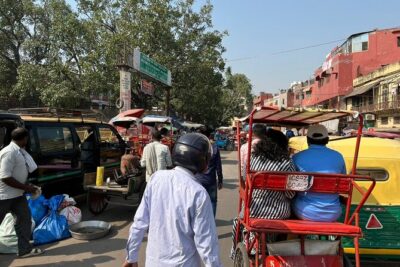
The ride is described as reaching parts of the city traffic can’t touch. That also implies tight lanes and more human clutter than you’d see on a wide boulevard. The best way to handle it is exactly what the guides train into you: keep your eyes on the road, use your bike’s controls, and trust that the guides are watching the overall flow.
The dress code is moderate and designed for conservative social norms in Old Delhi. So bring clothes that cover appropriately, especially if you plan to take photos near religious sites like the ones in the area.
Price and value: what $30 gets you in real access
At $30 per person for about 3 to 4 hours, this is priced like a true local experience rather than a luxury tour. You’re paying for access to hard-to-reach lanes, for a guide who can interpret what you’re seeing, and for the added costs baked into the plan like helmets, chai, and breakfast.
Transport to and from the meeting point is not included, and the tour ends back at the start. That’s normal for a half-day neighborhood ride, but it’s worth planning for so you don’t lose time coordinating your own arrival.
What makes the cost feel fair is the package: two guides, included bike safety gear, and food that keeps you from spending extra money mid-tour. If you’re trying to see Chandni Chowk and the Red Fort area on a morning schedule without getting stuck in traffic, this format is a solid use of time.
Who should book this cycle tour, and who might hesitate
This is a good fit for you if you:
- want a way into Old Delhi that doesn’t depend on crawling through traffic on foot
- enjoy learning history while also watching daily life
- like guided stops with time to look around, eat, and reset
- don’t mind cycling in dense city streets for a few hours
It might be less ideal if you:
- strongly prefer wide, smooth cycling paths (Old Delhi lanes are not built for that)
- get anxious in crowded areas or find constant attention tiring
- have difficulty riding a bike for 3 to 4 hours, even with breaks
That said, “most travelers can participate,” and the tour is kid friendly, as long as kids ride with parents or guardians. So families who want an active morning with guidance often find it works well.
Practical tips so you enjoy the ride (not just survive it)
- Plan to be early and rested. The 06:30 start is the difference between a thoughtful experience and a stressed one.
- Wear the right clothing for conservative areas in Old Delhi. Keep it simple, comfortable, and covered.
- Expect busy market conditions, especially around Chandni Chowk. Keep your camera ready, but don’t stop pedaling your attention.
- If you’re a little nervous about traffic, take comfort in having a co-guide for safety and a small group size up to 20.
Should you book DelhiByCycle and Old Delhi by Cycle?
If your goal is to experience Old Delhi as a living neighborhood, not as an over-managed sightseeing route, I think this is an easy yes. You get access that walking and buses can’t replicate, you get included chai and breakfast to keep the morning enjoyable, and you ride with guides who explain what you’re seeing, including Shah Jahan connections.
Book it if you like city energy plus interpretation, and you’re comfortable cycling through tight streets. If you need a perfectly smooth ride or you hate crowding, look for a more relaxed format. But for most people, especially first-time Delhi visitors, a morning on two wheels is one of the smartest ways to understand this part of the capital.
FAQ
What time does the tour start?
The meeting point expects you by 06:30 a.m. so you can meet the guide, get your cycle, and begin.
How long is the Delhi by Cycle and Old Delhi tour?
The ride is about 3 to 4 hours.
Where is the meeting point?
You meet at Delhi By Cycle, Street 4B, Ansari Rd, Daryaganj, New Delhi, Delhi 110002, India. The tour ends back at the meeting point.
What is included in the price?
Helmets, a water bottle, chai (tea) break, breakfast at Old Delhi, and guided support from the main guide plus a co-guide.
Is transport to and from the meeting point included?
No. Transport to and from the meeting point is not included.
What should I wear?
Dress code is described as moderate to match conservative norms in Old Delhi.
Is this tour kid friendly?
Yes, it is kid friendly, as long as children are with parents or guardians.
Is free cancellation available?
Yes. Free cancellation is available up to 24 hours in advance for a full refund. If you cancel within 24 hours, the amount paid is not refunded.
Still in Old Delhi? Keep Going




Recently reviewed across New Delhi
- Golden Triangle – Delhi Agra and Jaipur
★ 5.0 · 10 reviews - Taj Mahal & Agra Tour by Indian Bullet Train All Inclusive
★ 4.5 · 10 reviews - Private Tour in Mehrauli Archaeological Park & Qutub Minar
★ 5.0 · 10 reviews - Old & New Delhi Tour
★ 5.0 · 10 reviews - From Delhi : Taj Mahal & Agra Fort Tour by Luxury Express Train
★ 5.0 · 10 reviews - Delhi Shopping Tour: Top Bazaars, Crafts & Souvenir Finds
★ 5.0 · 10 reviews
Old Delhi and Chandni Chowk Tours, compared.
 ★ 5.0Old & New Delhi City Tour – Half or Full Day Options AvailableFrom $384,811 reviews
 ★ 5.0Old & New Delhi City Tour – Choose Half or Full Day ExperienceFrom $384,513 reviews
 ★ 5.0Old & New Delhi Private Tour – Half or Full Day (Rated Excellent)From $202,226 reviews
 ★ 5.0Old & New Delhi Full or Half Day Sightseeing TourFrom $241,900 reviews
 ★ 5.0Old and New Delhi Guided Full or Half-Day TourFrom $20976 reviews
 ★ 5.0Old & New Delhi Private City Tour – Traveler’s Choice (Top Rated)From $13746 reviews
 ★ 5.0Old Delhi Food, Heritage&Cultural Walk with Rickshaw ride to Masterji Kee HaveliFrom $52742 reviews
 ★ 5.0Full-Day Private Old and New Delhi Combo TourFrom $20625 reviews
Browse the lists this tour appears in