

REVIEW · HISTORICAL TOURS
Heritage & Cultural Walk of Trivandrum Guided Walking Tour
A short walk, a big education. This Trivandrum heritage walking tour is a smart way to get oriented fast, with stories that connect landmarks to the city’s everyday life, not just postcard sights. I especially like the stop at the tallest national flag in India at Kanakakunnu Palace grounds, and I like how the route includes smaller places and alleyways you would probably miss. One thing to consider, the pace can be brisk, so if you want long hangs inside each stop, this may feel a bit quick.
The guide style is part of the value. In the best versions of this walk, guides like Siddharth and Hareesh Das bring the facts, plus local anecdotes, with a dash of cheeky talk about past royals and even modern celebrities. If you hate fast chatter and constant movement, bring patience, not a nap.
In This Review
- Key points to look for
- Why this 2-hour Trivandrum walk is a good “first day” plan
- Kanakakunnu Flag Post, the big view that sets the tone
- Napier Museum: art and natural history with just enough time
- Keralam Museum of History and Heritage, plus the Mateer Memorial Church connection
- Rama Rao Lamp, old houses of Kerala, and the academic glow
- Memoriam of Men of the Indian Army and St. Joseph’s Cathedral in Palayam
- Connemara Market, Palayam: the arched entrance and practical shopping ideas
- Ending at the Kerala Government Secretariat, why the finish point matters
- Guide quality is the real differentiator on this tour
- Price and value: is $14 a fair deal?
- Practical tips for your day in Trivandrum
- Who should book this walking tour
- Should you book this Trivandrum Heritage & Cultural Walk?
- FAQ
- Where does the tour start?
- How long is the walking tour?
- What does the tour cost?
- Which languages are spoken on the tour?
- What’s included in the price?
- What is not included?
- What should I bring?
- Where does the tour finish?
- Is there free cancellation?
- Is there a way to book without paying right away?
Key points to look for
- Kanakakunnu Flag Post start with the tallest national flag in India right at the beginning
- Napier Museum quick-hit on art and natural history, with historical artifacts worth clocking even in short time
- Keralam Museum of History and Heritage area plus the Mateer Memorial Church connection
- Old-city street culture around Rama Rao Lamp, older houses, the state library, and an old university area
- Palayam’s Connemara Market with its arched entrance and variety shopping stops
- A finish at the Kerala Government Secretariat that helps you understand where the city’s public life centers
Shortlisting? Every Thiruvananthapuram trip below went through the same review.

Why this 2-hour Trivandrum walk is a good “first day” plan

Trivandrum can be a little tricky for independent exploring. The city is layered, and the meaningful places are not always clustered in a way that taxis naturally solve. This tour gives you a route that makes sense on foot, and it also hands you context that helps the next thing you see feel like it belongs to a bigger story.
What you’re really buying is guidance and pattern recognition. You get a guide who can speak English and Hindi, plus local tips for what’s worth your time and what’s worth skipping. For the money, that guidance is the difference between “I walked past a building” and “I understand why that building matters.”
This is also a good match for people who like to walk but don’t want to commit to a half-day or full-day itinerary. Two hours is enough to reset your sense of direction and give you a list of follow-up places for later.
Kanakakunnu Flag Post, the big view that sets the tone
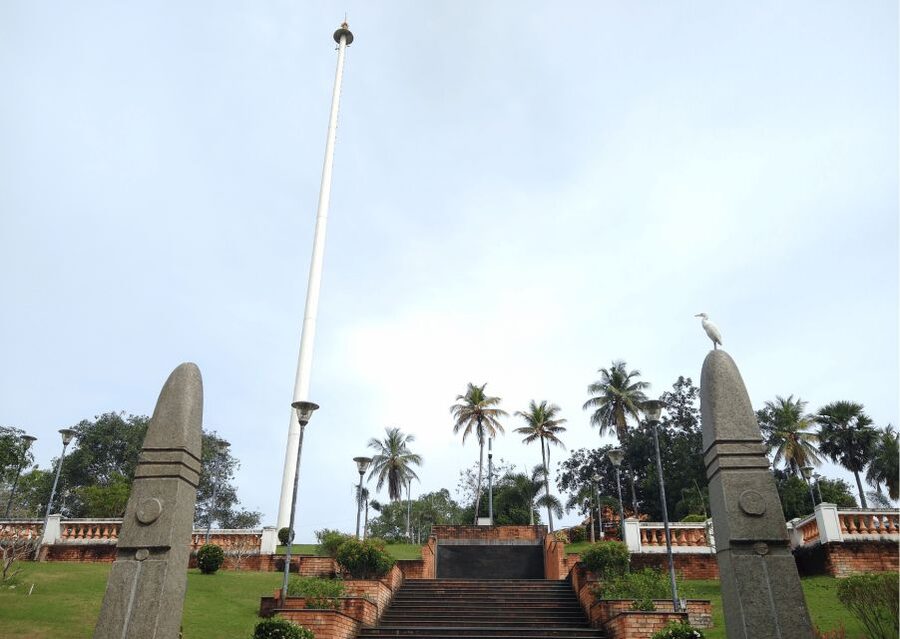
The meeting point is right by the Kanakakunnu Flag Post side, so you start with something immediate and easy to spot. From there, you head into the Kanakakunnu Palace grounds area for a look at the tallest national flag in India flying proudly.
This stop works because it’s not just a photo moment. It’s a quick introduction to how Trivandrum treats public space, official symbols, and ceremonies as part of daily civic identity. Even if you’ve seen flags elsewhere, this particular landmark sets the mood for the rest of the walk: formal history, mixed with lived-in city energy.
Practical note: it’s a walking start, so comfortable clothes matter. You do not want tight shoes on a day you might end up circling for photos later.
Napier Museum: art and natural history with just enough time
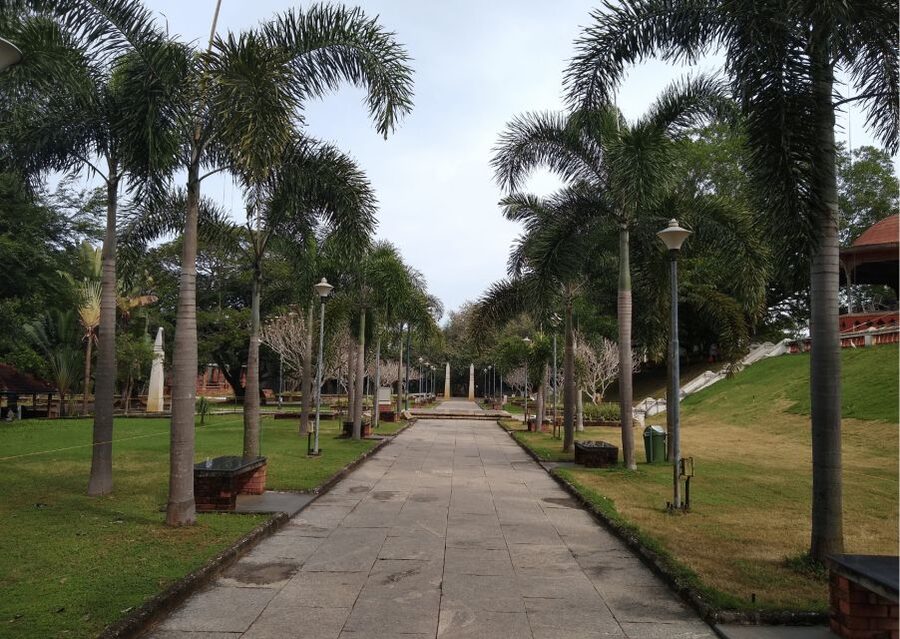
Napier Museum is your next anchor stop, and it’s a smart one. The museum is known as an art and natural history collection, and it holds historical artifacts that help bridge the “colonial influence” part of Indian urban history with the local long-term story.
The tour format here is a guided tour plus walking, so don’t expect a deep museum marathon. You’ll likely get the highlights and a sense of what to look for if you return on your own. If you like museums but also like moving, this timing can feel perfect. If you prefer to linger with zero schedule pressure, you may wish you had more time inside.
Either way, the benefit is clarity. The guide’s job is to connect what you’re seeing to bigger themes, so later when you pass similar buildings or collections, you’ll know what they’re doing there.
Keralam Museum of History and Heritage, plus the Mateer Memorial Church connection
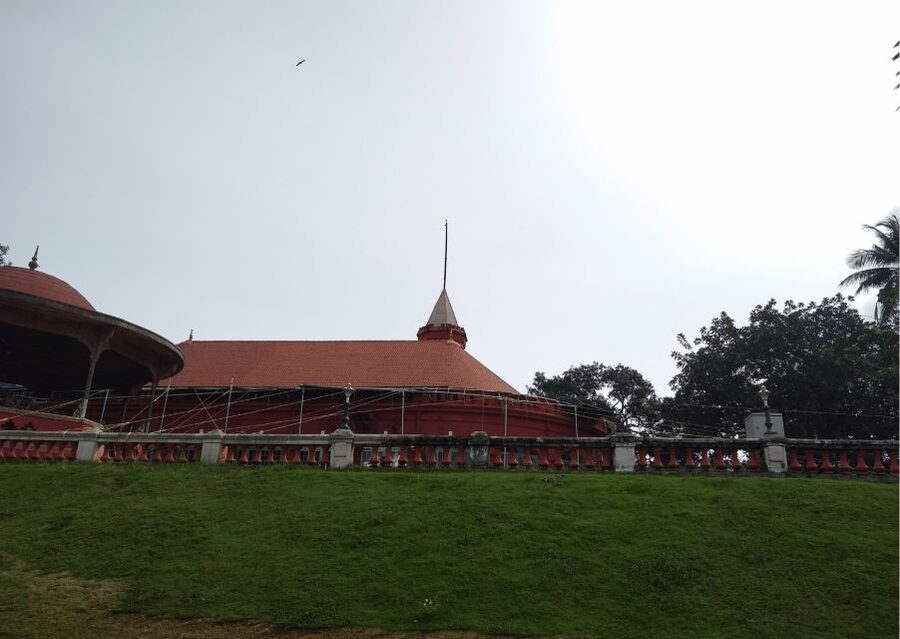
Next up is Keralam, the Museum of History and Heritage. This is the kind of stop that helps you understand how a place narrates itself. You’re not only learning dates. You’re picking up ideas about identity, tradition, and how heritage gets displayed for newcomers.
The highlights for this part also include the Mateer Memorial Church. Even if you are not going to spend a long time inside every space, the combination makes sense. Museums tell one story, churches and memorial spaces tell another, and the city’s walkable center lets both stories sit side by side.
What I like about this segment is that it helps you avoid the “just buildings” trap. If you only see landmarks as architecture, Trivandrum can feel like a series of stops. With this museum and church pairing, it starts to feel like a conversation between different layers of influence.
Rama Rao Lamp, old houses of Kerala, and the academic glow
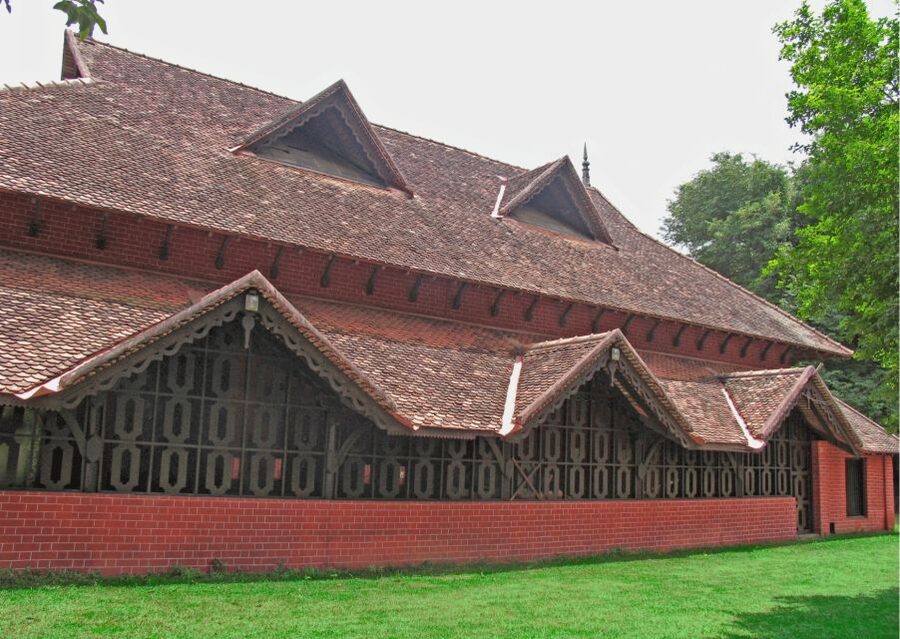
Then you move into a more local-feeling zone around Rama Rao Lamp. This is one of those stops that sounds like a name on a map until a guide explains why it’s there and how it fits into old civic patterns. The walk also covers old houses of Kerala, the state library, and an old university area.
This is where the tour often becomes more than sightseeing. The guide can point out details about how neighborhoods formed, how institutions shaped daily routines, and how older city plans affected the feel of the streets. Even if you are not a history buff, this kind of context helps you read the city like a living thing.
Still, there is a small drawback to keep in mind: some sights here are more about passing and spotting than sitting. One review noted that the wall time at sights can be brief, so you may want to capture photos and plan a second visit if something catches you.
If you’re the type who loves “street-level” understanding, this portion is a highlight.
Memoriam of Men of the Indian Army and St. Joseph’s Cathedral in Palayam
The route continues with the Memoriam of Men of the Indian Army. Memorial spaces are emotional even when you only get a short guided window. This stop gives the tour an important human thread, not just cultural objects and architecture.
Right after, you pass St. Joseph’s Latin Catholic Metropolitan Cathedral in Palayam. Cathedrals and churches can look similar to an untrained eye until someone explains what makes this one distinct. You’re likely to get a mix of architectural observation and cultural context, and it adds variety to the route so the walk doesn’t feel like one long sequence of museums and official buildings.
Together, these stops help the tour avoid a common problem with heritage tours: turning everything into “look but don’t feel.” Even with a fast pace, memorial and cathedral stops give you something to take home emotionally.
Connemara Market, Palayam: the arched entrance and practical shopping ideas
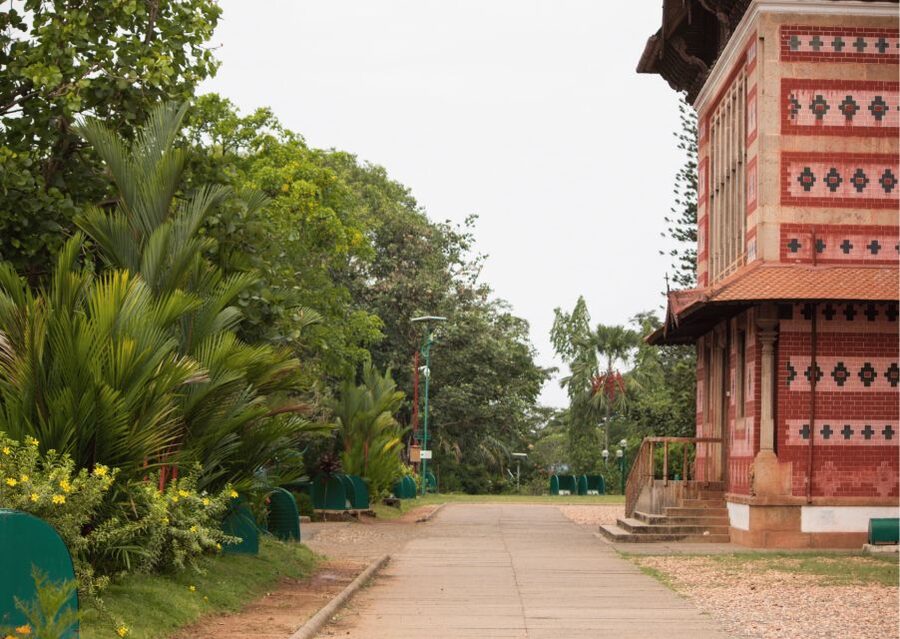
Now for a stop that feels like real city life. Connemara Market in Palayam is described as one of the oldest Connemara Markets, known for variety of items and recognized by its arched entrance.
Even if you do not buy anything, you’ll probably enjoy seeing how locals move through a market that’s been around long enough to become part of the city’s rhythm. Markets also make good photo stops because activity gives your pictures energy without you having to chase it.
If you’re short on time in Trivandrum, this is also a practical place to think about snacks, small gifts, or supplies for the rest of your trip. The tour doesn’t position this as a shopping spree. It positions it as a cultural stop with a living function.
Tip: wear shoes that can handle uneven pavement or a bit of crowding. A market is a market, and Palayam’s version keeps things grounded.
Ending at the Kerala Government Secretariat, why the finish point matters
The tour ends at the Kerala Government Secretariat. This finish point helps tie the route together. You started with a national symbol at Kanakakunnu, and you end near the nerve center of state administration.
That arc is useful because it maps out the city’s “public life” geography. After the walk, you’ll have a better sense of where important civic buildings sit in relation to the older cultural and museum spaces you just saw.
It also makes planning easier. If you’re going to spend more time in this part of town, having the tour deliver you closer to the main administrative zone saves decision fatigue.
Guide quality is the real differentiator on this tour
The best tours don’t just list stops. They explain what you should notice. This walk does that, and it shows up in how guides talk.
You’ll hear English or Hindi narration from the guide, and the storytelling style is described as historical explanation plus curious anecdote, with some lightly scandalous humor about past and present celebrities and defunct royals. That tone matters because it turns dry context into something you want to listen to.
Two names stood out in the guide experience shared here: Siddharth and Hareesh Das. Both were described as personable and passionate, with strong local and cultural history knowledge. That kind of personality can make a fast-paced walk feel like it’s accelerating your understanding rather than rushing you.
If you book because you want a relaxed stroll, keep expectations realistic. This is still a walking tour with multiple stops in a short window, so the guide has to keep it moving.
Price and value: is $14 a fair deal?
At around $14 per person for a 2-hour guided walk, the value is mostly in three areas:
First, you get real guidance in language you can understand, English or Hindi. Second, you get access to hidden lanes and places, meaning you’re not only following the most obvious route. Third, you get practical local tips for saving money and exploring the best of the city.
Because many of the stops are described as guided tours and passes-by rather than long indoor sessions, the cost fits the format. You are paying for interpretation and route design, not for museum tickets, extended time in galleries, or transportation.
What you should think about before booking is your personal style. If you want lots of sit-down time at each attraction, you might feel time pressure. If you want orientation plus a curated sweep of key culture spots, it’s a good deal.
Practical tips for your day in Trivandrum
- Bring comfortable clothes. This tour is built around walking, and you’ll feel it by the end.
- Plan on carrying your own water. A water bottle is not included, so grab one before you meet.
- Arrive at the Kanakakunnu Flag Post meeting point on time. One experience shared noted a start-time mismatch and some delays in getting underway, so giving yourself a buffer helps.
- If you like photos, use quick shots at each stop. Since time can be brief at sights, you’ll want your best images early.
- If you’re short on energy, this tour can still work because the route is structured, but pace yourself. The guide’s storytelling keeps you engaged even when you’re moving.
Who should book this walking tour
I think this experience fits best if you:
- Want a fast, guided introduction to Trivandrum’s culture and institutions
- Like learning why places matter, not just collecting photos
- Prefer a short commitment over longer tours
- Enjoy guides who mix history with lively local stories
It may not be ideal if you:
- Want to spend lots of time inside each museum or monument
- Dislike brisk pacing
- Need hotel pickup and drop-off, since it is not included
Should you book this Trivandrum Heritage & Cultural Walk?
Yes, I’d book it if you want a smart orientation walk with a personable guide and a route that hits museum culture, memorial spaces, churches, and a market all in one compact plan. The $14 price makes sense for the amount of guided interpretation you get, especially since the tour includes access to back lanes and spots you might not find alone.
Hold back if you are planning a trip where you only have time for long museum sessions, or if you know you prefer slow, unstructured wandering. This walk is designed to keep moving and to teach as you go.
If you do book, bring comfortable shoes, add a water bottle, and come ready to listen. When the guide is in full storyteller mode, this is one of the easiest ways to turn Trivandrum from a place you pass through into a city you actually understand.
FAQ
Where does the tour start?
It starts at the Kanakakunnu Flag Post side.
How long is the walking tour?
The tour lasts 2 hours.
What does the tour cost?
The price is listed as $14 per person.
Which languages are spoken on the tour?
The live tour guide speaks English and Hindi.
What’s included in the price?
A storyteller/guide who can speak English and Hindi is included, along with local tips and recommendations, access to hidden lanes and places, and the conversations and interesting stories.
What is not included?
Hotel pickup and drop-off are not included, and a water bottle is not included.
What should I bring?
Comfortable clothes.
Where does the tour finish?
The tour finishes at the Kerala Government Secretariat.
Is there free cancellation?
Yes, it offers free cancellation, cancel up to 24 hours in advance for a full refund.
Is there a way to book without paying right away?
Yes, it offers a reserve now, pay later option, meaning you can book your spot and pay nothing today.
Recently reviewed across Thiruvananthapuram
- Vibrant Markets of Trivandrum (2 Hours Guided Walking Tour)
★ 4.5 · 15 reviews - Heritage & Cultural Walk of Trivandrum Guided Walking Tour
★ 4.4 · 19 reviews
Historical Tours, compared.
 ★ 5.0Old Delhi Food, Heritage&Cultural Walk with Rickshaw ride to Masterji Kee HaveliFrom $52742 reviews
 ★ 5.0Blue City Heritage Private Walking Tour With Pickup and Drop-OffFrom $11441 reviews
 ★ 4.0Kolkata Heritage Tram TourFrom $60395 reviews
 ★ 5.0Private Heritage Walking Tour in Jaisalmer Fort and Old BazaarFrom $10306 reviews
 ★ 4.8Panaji: Heritage Walk through Goa’s Latin QuarterFrom $12291 reviews
 ★ 5.0Old Delhi Heritage Walking TourFrom $13247 reviews
 ★ 5.0Jodhpur Blue City Heritage Walking Guided TourFrom $13240 reviews
 ★ 5.03-hour Old Delhi Heritage Walking tour with Rickshaw RideFrom $7240 reviews
Browse the lists this tour appears in