
REVIEW · VARANASI GHATS AND GANGA AARTI
Heritage Walking Tour in Varanasi
Varanasi hits fast at the waterline. This Heritage Walking Tour turns a busy riverfront into a guided, step-by-step story you can actually follow, with key stops like Kashi Vishwanath Temple and Manikarnika Ghat.
I especially love how direct the focus is. Two hours is long enough to connect the dots between temples, ghat life, and spiritual meaning, yet short enough to avoid fatigue when the streets and steps get crowded. I also like the private-group feel, so you can ask questions without feeling rushed.
One consideration: Manikarnika Ghat is a working cremation ground. If death rituals make you uneasy, you’ll want to approach this stop with respect and, honestly, a lot of emotional preparation.
In This Review
- Key Highlights You’ll Feel on the Ground
- Morning Walking Route Along Varanasi’s Ghat Life
- Kashi Vishwanath Temple: Shiva, Tight Lanes, and Big Meaning
- Man Mandir Ghat: 16th-Century Power and Ornate Craft
- Domraja Palace and the Role of the Doms
- Nepali (Kathwala) Temple: Old Identity and a Mini Khajuraho Feel
- Manikarnika Ghat: The Cremation Ground Stop You Should Not Treat Lightly
- Your Guide Can Make or Break Varanasi
- Price and Value for a Private 2-Hour Walk
- What to Expect on the Ground: Timing and Walking Style
- Who This Tour Suits Best (And Who Should Reconsider)
- Should You Book This Heritage Walking Tour in Varanasi?
- FAQ
- Where does the Heritage Walking Tour in Varanasi start?
- How long is the tour?
- Is this tour private?
- What ticket do I get?
- Are admission fees included for the stops?
- What is the main focus of the tour?
Key Highlights You’ll Feel on the Ground
- A private, only-your-group walking format that keeps things personal and flexible
- Temple and ghat stops grouped tightly for a smooth morning route
- A guide named Manish who’s praised for being patient, attentive, and easy to ask questions
- Manikarnika Ghat with context, so you’re not just watching, you’re understanding what you’re seeing
- Entry is listed as free at the included temple and ghat stops, which helps your overall value
- A realistic 2-hour pace with time at each major point, not a sprint through alleyways
More time on the Varanasi ghats
Morning Walking Route Along Varanasi’s Ghat Life
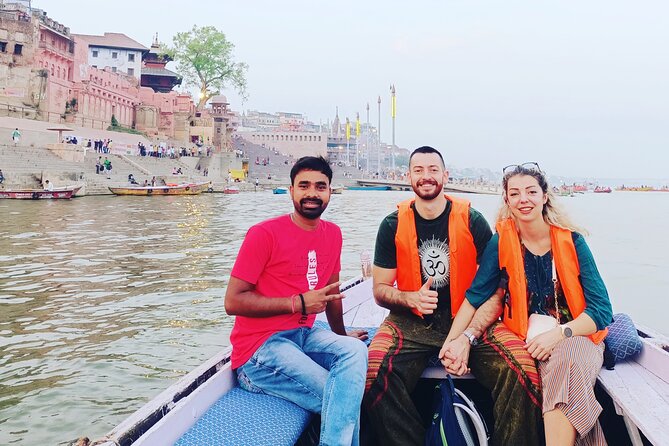
This tour is built for the early energy of Varanasi, when the Gangesfront feels most alive and people are moving with purpose. You’ll start at Girja Ghar Chauraha and then walk along the river ghats, hitting major spiritual landmarks without needing constant backtracking.
What makes this format useful is that it’s not just sightseeing. It’s a guided walk where each stop explains how the city thinks about Shiva worship, daily devotion, and the sacred role of the riverfront, including cremation. That context matters in Varanasi, because the sights can feel intense if you only see the surface.
It’s also short enough to stay practical. At around 2 hours (approx.), you can still enjoy the rest of your day in Varanasi without feeling like you burned an entire morning on walking. And because it’s a private tour, the guide can adapt to your pace, which comes in handy if your group includes older family members or anyone who moves slowly.
Kashi Vishwanath Temple: Shiva, Tight Lanes, and Big Meaning
A major anchor stop is Kashi Vishwanath Temple, dedicated to Shiva. It’s described as one of the twelve Jyotirlinga shrines, which immediately tells you this isn’t just a local temple. This is a major pilgrimage site in the Shiva tradition.
Expect that the area around the temple is active and close-quarters. Even if the walking is not long, the environment can feel concentrated, with people entering, praying, and moving through narrow paths. This is one of those places where a guide’s explanations help you focus. Instead of just staring at stone and incense, you learn what the temple represents and why people travel here.
A nice thing for first-timers is that the stop is set for about 20 minutes. That’s enough time to orient yourself, see the key parts of the temple area, and understand the significance, without feeling like you’re stuck there for hours.
Possible drawback here is simple: crowding. If you’re uncomfortable around busy religious spaces, you might want to keep your expectations flexible and use the guide to help you navigate the flow.
Man Mandir Ghat: 16th-Century Power and Ornate Craft
Next you’ll visit Man Mandir Ghat, formerly known as Someswara Ghat. The details are worth paying attention to because they explain why Varanasi’s ghats are not just steps to the river. They’re tied to rulers, patronage, and physical craftsmanship.
This ghat was built in the 16th century CE by Raja Man Singh of Amer. The information also notes that the ghat was renamed after him, and that he built a palace here. You’ll also see how the area connects to the reputation for exquisite ornate window carvings.
If you like architecture but hate museum lectures that never end, this stop can be a sweet spot. In a short time, you get a sense of who shaped the city’s built environment and what kind of artistic effort went into these places.
The time here is about 20 minutes, which works well because it prevents the walk from becoming a long sit. You can look closely, absorb the story, and then move on while the momentum is still good.
- The Ultimate 1 Day in Varanasi – How to Spend 13 Hours – Private Guided Tour★ 5.0 · 295 reviews
- A Journey of A lifetime★ 5.0 · 272 reviews
- Varanasi: Hidden Secrets of Vibrant Tradition (Guided Tour)★ 4.9 · 176 reviews
- Private Heritage and Spiritual Walk Tour – Varanasi Kashi★ 5.0 · 172 reviews
- 3 Hour Walking Tour of Buddhism in Sarnath★ 5.0 · 160 reviews
Domraja Palace and the Role of the Doms
The itinerary includes Domraja Palace, with a focus on the traditional custodians of cremation grounds. This is an important, delicate piece of Varanasi life to understand, because people often visit Manikarnika Ghat and only think about the fire and the ritual moment.
Here, you’re given background about the Dom community, described as keepers of the sacred fire that is never allowed to die down, and also the cremators of the dead. The stop notes that the chief cremation undertakers at Manikarnika are from this group.
I like that this kind of explanation turns the whole experience into something more human and less abstract. You’re not just watching a ritual. You’re learning that there are roles, responsibilities, and long-standing traditions tied to the work.
This stop is shorter, around 10 minutes, so it’s not a deep lecture. But for a 2-hour tour, it’s a smart inclusion. It gives you context before you reach the most intense ghat.
If you’re sensitive to religious and funeral-related topics, this is where you’ll want to decide your comfort level before continuing to the cremation ground.
Nepali (Kathwala) Temple: Old Identity and a Mini Khajuraho Feel
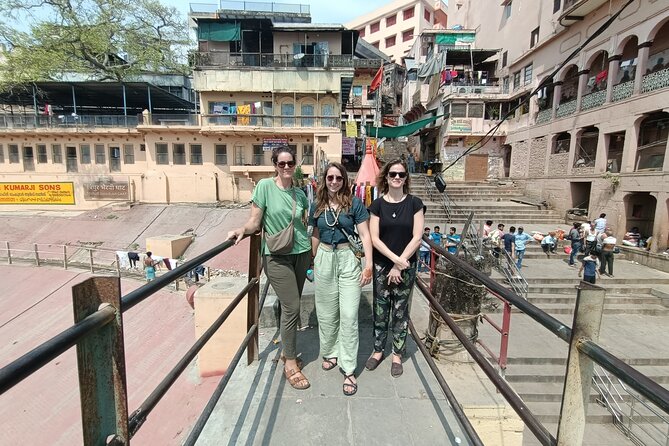
Another temple stop is the Nepali Temple, also known as Kathwala Temple. The description in the itinerary mentions names you might hear locally: Shri Samrajeswar Pashupatinath Mahadev Mandir, Kanthwala Mandir, and it’s sometimes described as Mini Khajuraho.
The inclusion matters because the tour isn’t only chasing the biggest names. It also brings you to a temple that’s described as one of the oldest and most famous in Varanasi, and it gives you multiple identifiers so you can recognize it in conversation.
You’ll spend about 20 minutes here. That’s enough to notice the details and understand the temple’s identity without feeling like you’re on a time-bomb schedule. For many people, this is a welcome breath from the riverfront intensity, because it’s more focused on sacred space and worship rather than the action of ghat life.
Potential drawback: temples in Varanasi can have rules about covering, footwear, and movement through certain areas. The tour info here doesn’t list specific dress codes, so plan for respectful clothing (shoulders and knees covered) and expect you might be asked to adjust how you move.
Manikarnika Ghat: The Cremation Ground Stop You Should Not Treat Lightly
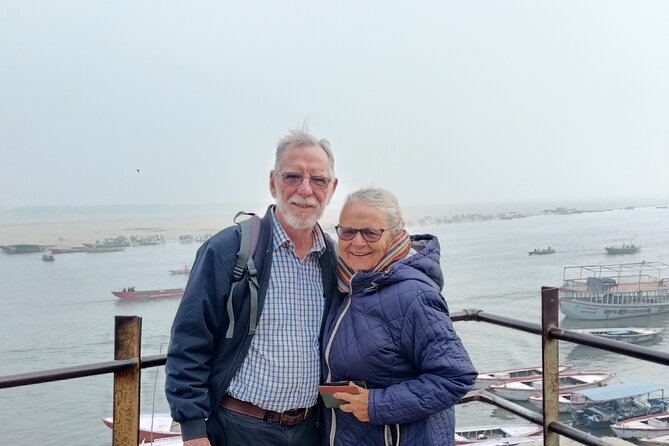
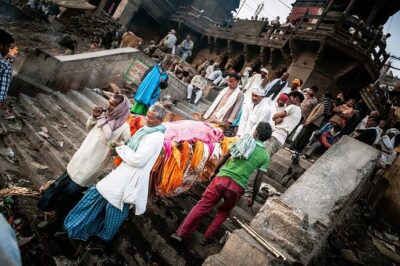
The final major stop is Manikarnika Ghat, one of the holiest cremation grounds among the sacred riverfronts on the Ganges. In Hinduism, death is considered a gateway to another life marked by spiritual continuation, and that theme is part of why this ghat is so central to Varanasi’s religious identity.
This stop is listed for about 30 minutes, which is significant. That extra time is probably because you can’t rush understanding here. You’ll likely see the cremation setting and the riverfront rituals, and you’ll want the guide to explain what you’re seeing so you don’t reduce it to shock value.
I’ll be direct: this is the part of the tour that can feel heavy. If you came to Varanasi for lighter cultural sights only, you may find this difficult. But if you want to understand Varanasi’s spiritual reality, this stop is the emotional center of the tour.
Also, think about how you’ll handle your own emotions. You can stay respectful without forcing yourself to watch every moment. Use the time to absorb explanations, ask questions in a calm tone, and step back if you need a breather. A good guide helps you do that without making you feel awkward.
Your Guide Can Make or Break Varanasi
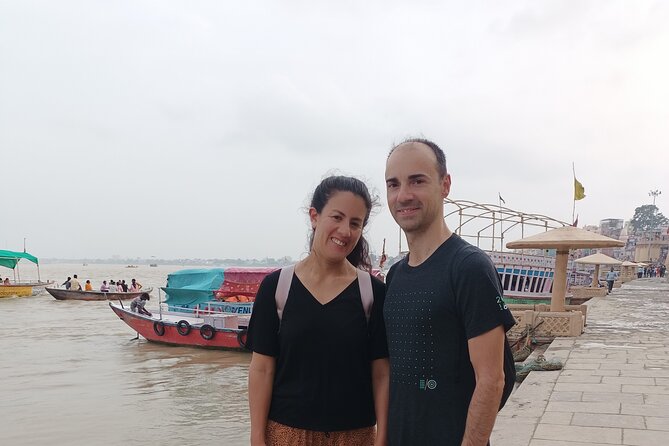
One of the strongest signals from the experience details is the guide factor. A guide named Manish appears in multiple accounts as attentive, patient, and flexible. People highlight that he gives lots of information, answers many questions, and keeps things comfortable even for slower walkers.
That matters in Varanasi because the environment moves fast, and the streets can be confusing. Even when the route is only a couple hours, you still need someone who can read the situation: where to stand, when to move, how to keep the group calm, and how to translate religious meaning into something you can actually grasp.
You’ll also enjoy the tour more if you go in ready to ask. The best part of a guided walking experience is not just being shown places, it’s having someone help you interpret what you’re seeing. In Varanasi, that interpretation can turn a confusing walk into a memorable learning moment.
Price and Value for a Private 2-Hour Walk
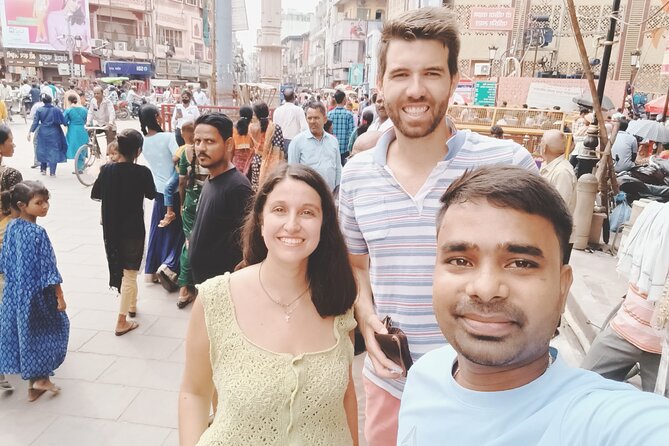
The price is listed at $21, and the duration is about 2 hours. For a Varanasi walking experience that includes major stops, this is strong value, especially because the included stops show admission ticket free for each site listed.
What you’re really paying for here is not museum access. It’s time with a guide, the route planning, and the ability to make sense of the spiritual places you’d otherwise just pass through. In a city like Varanasi, that guidance saves you from common mistakes, like not knowing what you’re looking at or spending too long in the wrong spot.
This is also a private tour, meaning only your group participates. Private format usually costs more in most cities, so the fact that the price stays low is a good sign for value. If your group is small, you may feel like you’re getting a personal lesson rather than a standard group shuffle.
What to Expect on the Ground: Timing and Walking Style
The tour is structured by short blocks of time:
- Kashi Vishwanath Temple area: about 20 minutes
- Man Mandir Ghat: about 20 minutes
- Domraja Palace: about 10 minutes
- Nepali (Kathwala) Temple: about 20 minutes
- Manikarnika Ghat: about 30 minutes
That time structure is helpful. It signals a walking experience that balances seeing with learning. You won’t be stuck forever at one stop, but you also won’t get the fast, forgettable version where you barely look around.
The meeting point is Girja Ghar Chauraha, and the activity ends back at the meeting point. It’s also noted as near public transportation, which is useful if you want to pair this tour with other sightseeing or food stops before or after.
Because it’s a walking tour, think about comfort. Wear shoes you can trust on uneven ground near old temple areas and river steps. Carry water, take breaks if you need them, and plan for weather that can change quickly.
Who This Tour Suits Best (And Who Should Reconsider)
This Heritage Walking Tour fits best if you:
- Want a guided morning route along Varanasi’s ghats without overplanning
- Like learning the meaning behind temples and religious practices
- Appreciate a guide who can explain, and who is patient about questions
- Prefer a private group so your pace stays your pace
It may be less ideal if you:
- Are strongly uncomfortable with funeral and cremation realities
- Want only light, entertainment-style sightseeing
- Hate walking in crowded, sacred spaces
If you’re traveling with a range of ages, the private format can help. Accounts tied to this experience mention comfort for an older traveler, which suggests the guide keeps the pace realistic.
Should You Book This Heritage Walking Tour in Varanasi?
Book it if you want a short, meaningful walk that helps you understand the parts of Varanasi that feel hardest to decode on your own. The combination of Kashi Vishwanath Temple, ghat stops like Man Mandir, and the closing focus at Manikarnika Ghat gives you a guided map of the city’s spiritual rhythm.
Hold off or approach carefully if cremation rituals will overwhelm you. You can still do Varanasi, but this particular tour is designed to confront the reality of the riverfront, with context rather than avoidance.
If you do book, go in with two attitudes: respect and curiosity. Ask questions, follow the guide’s cues, and treat the ghats like a living religious space, not just a photo set. For many first-timers, that mindset is exactly what turns a 2-hour walk into a real Varanasi education.
FAQ
Where does the Heritage Walking Tour in Varanasi start?
The tour starts at Girja Ghar Chauraha, Girja Ghar, Varanasi, Uttar Pradesh, India. It also ends back at the meeting point.
How long is the tour?
The duration is about 2 hours.
Is this tour private?
Yes. It is listed as a private tour/activity, so only your group participates.
What ticket do I get?
You receive a mobile ticket. You should also get confirmation at the time of booking.
Are admission fees included for the stops?
The itinerary shows admission ticket free for the listed stops, including Kashi Vishwanath Temple area, Man Mandir Ghat, Domraja Palace, Nepali (Kathwala) Temple, and Manikarnika Ghat.
What is the main focus of the tour?
It’s a walking tour along Varanasi’s ghats with temple and ghat stops, including a visit to Manikarnika Ghat, which is a cremation ground.
The Ghats at Varanasi, More Reviews




Recently reviewed across Varanasi
- Varanasi: Sunrise Boat Tour and Heritage Walk with transfers
★ 5.0 · 10 reviews - Varanasi Mysteries Walk: A Journey through Life and Death
★ 5.0 · 10 reviews - Omvity’s Full-Day Varanasi Tour: Sunrise Boat to Sunset Aarti
★ 5.0 · 10 reviews - Cycle of Life, Death & Rebirth (2 Hours Guided Walking Tour)
★ 4.5 · 10 reviews - Varanasi: Private Heritage Walking Tour & Sunrise Boat Ride
★ 4.9 · 11 reviews - Varanasi: Ganga Arti Evening Light Ceremony on the Main Ghat
★ 4.1 · 11 reviews
Varanasi Ghats and Ganga Aarti, compared.
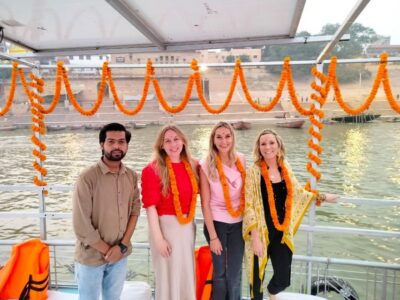 ★ 4.8Full Day City Highlights Day Tour & Ganges CruiseFrom $61520 reviews
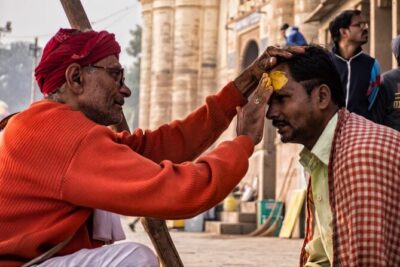 ★ 5.0Hidden Secrets of Varanasi: Vibrant Tradition (Guided Tour)From $24429 reviews
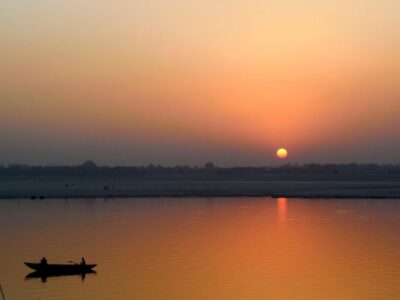 ★ 5.0Sunrise Boat Tour with Arti CeremonyFrom $31375 reviews
 ★ 5.0Banaras Wala ToursFrom $13329 reviews
 ★ 5.0The Ultimate 1 Day in Varanasi – How to Spend 13 Hours – Private Guided TourFrom $65295 reviews
 ★ 4.9Hidden Secrets of Vibrant Tradition (Guided Tour)From $16176 reviews
 ★ 5.0Private Heritage and Spiritual Walk Tour – Varanasi KashiFrom $24172 reviews
 ★ 4.5Varanasi Landmark Evening City Tour – Aarti, Boating & Witnessing the GODFrom $31149 reviews
Browse the lists this tour appears in