
REVIEW · KOLKATA HERITAGE TOURS
Kolkata – A Sea of Faces and A Thousand Places (local guide)
Kolkata reads like a movie script. This half-day small-group tour strings the city together by “sets,” starting with orientation, then moving through trading lanes, old neighborhoods, and major landmarks, with a fun transit mix along the way. It is also one of the easiest ways to get your bearings fast in a city that can feel huge and busy in the best way.
I love the small group size (max 7) because you get real attention, not a speed-walk through postcards. I also like the guide-led storytelling style, where the city gets explained in a way that helps you notice what you would otherwise miss, especially if you meet a strong guide like Paulami or Shrijit.
The one thing to consider is pacing. The format uses lots of narration, so if you prefer shorter, site-first explanations, you might find some parts feel long before you reach the next stop.
In This Review
- Key things to know before you go
- A cinematic Kolkata tour that connects the dots
- Meeting at 9:30 and getting around without feeling trapped
- Menoka Cinema to BBD Bagh: modern Kolkata, then Victorian layers
- Bara Bazar and the trade tail: markets that show the city working
- College Street and Shobhabazar: books, revolution lanes, and Kumortuli pottery
- Howrah Bridge by ferry and the yellow cab closer with film-city vibes
- Price and value: does $39.16 make sense for a half day?
- Who this tour fits best, and who should think twice
- Should you book this Kolkata city guide tour?
- FAQ
- What is the duration of the Kolkata tour?
- What is included in the tour price?
- What should I bring with me?
- Is pickup available, and where does the tour end?
- How large is the group?
- Is the tour weather dependent?
- What is the cancellation policy?
Key things to know before you go
- Pickup included makes the start smoother, especially at a set 9:30 am start time
- 5 to 6 hours is long enough to feel like a real city lesson, not a rushed drive-by
- Multiple transport styles keep it engaging: tuk tuk, ferry, yellow cab, and a tram ride at the end
- Trade-focused stops show Kolkata as a working city, not just monuments
- Free admission sites are part of the plan, with meals not included
- Good weather matters, since the experience can be changed or refunded if conditions are poor
More Kolkata streets we have walked
A cinematic Kolkata tour that connects the dots
What makes this tour different is the way it organizes the city. Instead of treating Kolkata like a list of attractions, the guide links places through people, trade, and political change, using a filmmaking-inspired approach with a “script” feel before the “sets” around town. That matters because Kolkata’s stories are not always obvious on the street.
You start with a kind of orientation, which is a big deal in a place where neighborhoods can feel like separate worlds. Then you move into the city like scenes: markets, business district heritage, old residential areas, and landmark viewpoints. By the end, you have a mental map that sticks.
I also appreciate that the tour is not only about what is old. You see the present day bustle beside older layers, especially in trade areas and older quarters. That balance helps you understand why Kolkata looks the way it does today, not just what it used to be.
Meeting at 9:30 and getting around without feeling trapped
The tour starts at 9:30 am and runs about 5 to 6 hours. Your experience begins with hotel pickup included, which saves you time and reduces stress. You also get a mobile ticket, and there is WiFi on board, which is handy if you want to quickly plan your next step later.
Group size is capped at 7 travelers, so you are not fighting for audio space or trying to keep up with a crowd. The guide can slow down when something sparks curiosity, like a street detail or an explanation about the city’s layout.
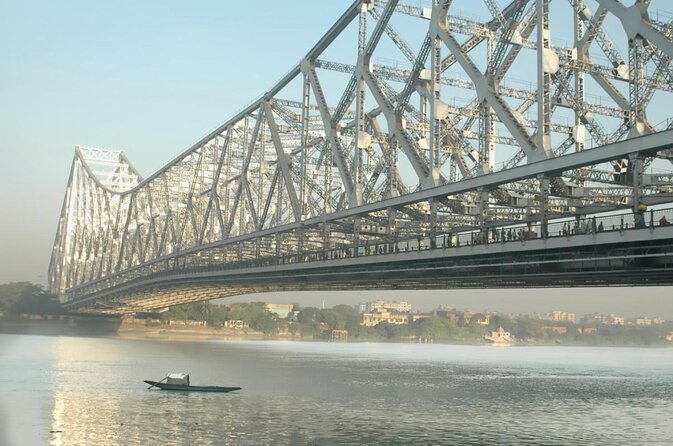
The transport mix is also part of the value. You will do more than one style of movement, including a tuk tuk and a ferry (including a pass under the Howrah Bridge), plus a yellow cab segment later. The tour overview also includes a ride on India’s oldest tram line, which is a classic Kolkata way to travel.
One practical note: an air-conditioned vehicle is not included. If it is hot or humid on your day, dress for that, bring water, and plan for some outdoor walking time between transfers. Also, the tour ends in a different location than where it starts, so double-check your next plan. You may want to schedule a flexible buffer before dinner.
Menoka Cinema to BBD Bagh: modern Kolkata, then Victorian layers
Your first stop is Menoka Cinema, in South Kolkata near a lake in a modern neighborhood. Think of it as your orientation chapter. You get placed in context, including how parts of Kolkata function today, not just how they looked in old photos. This early setup helps later stops make more sense because you start noticing patterns instead of only names.
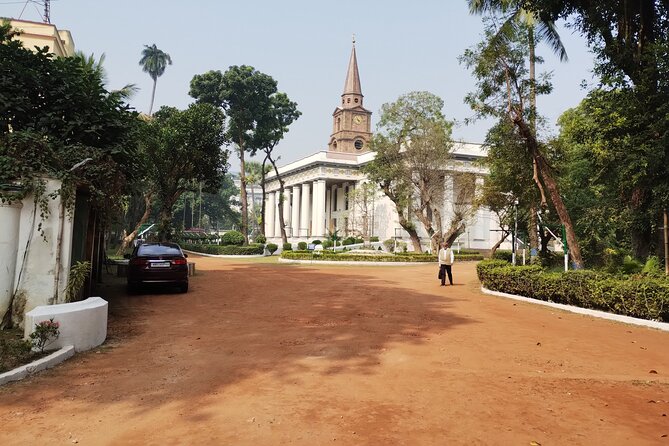
Then you head to BBD Bagh, Kolkata’s business district. Here the theme shifts to the British-era imprint, often described through the idea of Victorian Calcutta and heritage buildings. You are shown major heritage masterpieces and guided through how colonial presence shaped the city’s style and structure.
This is a good segment if you like cause-and-effect explanations. You start to understand why business and power concentrated where they did, and why certain streets and buildings still dominate the skyline. If you are the type who likes architecture and urban planning, this stop will feel satisfying rather than abstract.
Possible drawback: because the tour’s narration style is central to the experience, the explanation-heavy nature of this part might feel like a slower build before the markets and neighborhoods get going.
- Magic Hour Tour★ 5.0 · 241 reviews
- Alleyway Food Tour★ 5.0 · 137 reviews
- Private Half-Day Kolkata Tour★ 5.0 · 125 reviews
- Kolkata: A Sea of Faces and A Thousand Places★ 4.9 · 116 reviews
- Kolkata – Sounds and Sights – Private Full Day City Tour★ 5.0 · 106 reviews
Bara Bazar and the trade tail: markets that show the city working
Next comes Bara Bazar, described as the largest wholesale market of India. This is where Kolkata shows its trading engine up close. Even if you only have a short time at the stop, you get the point fast. Here you can see how the city moves goods, how deals happen, and how market energy shapes streets around it.
The tour then follows a fascinating idea called a trade tail between White Town and Grey Town, passing by an oldest China town and synagogues along the route. You travel in a tuk tuk for this segment, so you get rolling commentary and a moving view of how different communities have lived and traded side by side.
This part is especially valuable because it is not limited to “tourist heritage.” It is about how history functions in daily life. You are looking at the present day hustle with old context in your head, which makes even common street scenes feel meaningful.
A small warning, for comfort: market areas can be crowded and busy. Wear breathable clothes, keep your phone secured, and be ready for brief waits as you move through narrower parts of the city.
College Street and Shobhabazar: books, revolution lanes, and Kumortuli pottery
Then you move to College Street (Boi Para), Kolkata’s college town and intellectual hub. The guide frames it as a place where ideas sparked, and you walk through lanes tied to the freedom movement. This is also where a famous book market shows up, giving you a very Kolkata kind of visual: textbooks, old volumes, and street trading in an area known for learning.
What I like about this stop is how it links education to streets. You do not only hear about the past, you walk through the area where the intellectual reputation is built into the neighborhood itself.
After that comes Shobhabazar, sometimes referred to as the Black Town. This is a quieter but deeper-feeling segment. You explore older neighborhoods described as around 300 years old, and you also visit Kumortuli, the pottery locality. Seeing Kumortuli in the context of the tour adds meaning, because the area becomes more than a workshop zone. You start to understand it as part of a long-running cultural fabric, including references to Bengali aristocracy and buildings with traces of older eras.
Another strong point here is the neighborhood scale. Shobhabazar is not only one monument. You get a chance to absorb how the district feels on a human level: older streets, lived-in blocks, and workshop life.
Potential drawback: depending on your interests, the pottery and neighborhood walk could be the kind of stop that asks you to stay curious rather than expecting a single headline attraction photo. If you prefer quick hits, you might want to mentally prepare for a more storytelling-led experience.
Howrah Bridge by ferry and the yellow cab closer with film-city vibes
The tour brings you back to the present with a ferry ride that passes under the Howrah Bridge. That ferry element is one of the best ways to understand Kolkata because it changes your perspective quickly. From the water, the city’s edges and movement look different, and the bridge becomes a living structure instead of a landmark you only see from far away.
After the ferry, you reach Nandan West Bengal Film Centre, then you catch the iconic yellow cab ride segment through the White Town side of Kolkata. This is where the tour connects your earlier themes back to major sights, including stops that pass by Victoria Memorial.
The tram ride mentioned in the tour overview usually lands in the ending stretch, and it is a great way to round out the day. It feels like a true local touch, not a random add-on. You finish with a city travel rhythm that feels very Kolkata.
If you like transit as a way to see a place, you will appreciate that the tour keeps transportation varied and useful, not just decorative.
Price and value: does $39.16 make sense for a half day?
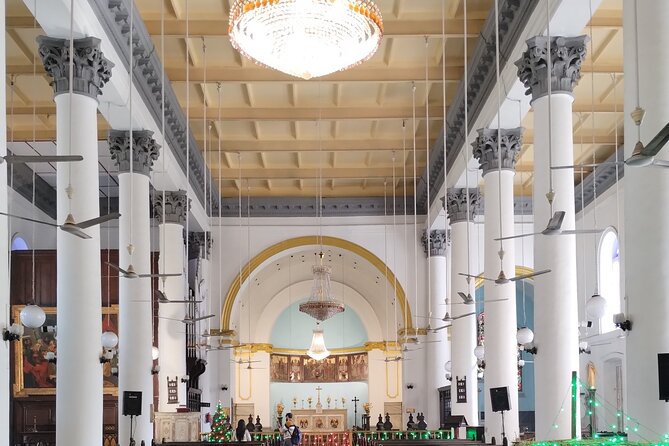
At $39.16 per person, this tour is priced like a thoughtful city guide experience, not a budget-only walking tour. The value comes from a few concrete factors:
- Pickup included reduces your own transport costs and hassle.
- Small group size means you are paying for personal attention.
- Multiple transport modes are part of the experience, including tuk tuk, ferry, and the tram ride.
- Several stops are paired with free admission in the plan.
What is not included matters too. You are asked to bring money for snacks and you should plan around the lack of an air-conditioned vehicle. If you are trying to keep your day fully on a tight budget, that Rs 500 minimum for food and travel is worth planning for ahead of time.
So for value, this is best if you want a guided orientation plus a structured route that covers key areas without you figuring it out alone. If you already know Kolkata well and mainly want independent time for photos and shopping, the guided storytelling style may feel less worth it.
Who this tour fits best, and who should think twice
This tour is a strong fit if you want:
- A guided overview that helps you understand neighborhood differences
- A story-led walkthrough that connects politics, trade, and everyday life
- A half-day plan that covers multiple areas without needing your own transport planning
You may also enjoy it if you like guides who can turn “where is this” into “why does it matter.” Guides such as Paulami and Shrijit are often highlighted for their depth and delivery, and that style is exactly what powers the tour format.
Where it may not fit as well is if you want shorter explanations. One balancing factor from the experience is that the stories can run long, and the payoff depends on your personal patience for narration. Also, because the tour covers multiple districts, you do not linger as long as you might on a purely market-focused or museum-focused day.
If you are traveling with limited interest in history or politics, you might still enjoy it for the markets and transport, but you will likely get the most from it if you lean curious about the city’s layers.
Should you book this Kolkata city guide tour?
I would book this if you want a smart orientation to Kolkata with a guide who explains the city in a story-driven way. The small group, pickup, and mix of tuk tuk, ferry, yellow cab, and tram ride make it feel like more than a checklist. It is also a nice length, long enough to learn, short enough to keep your evening open.
I would skip it, or at least consider a different format, if you prefer fast, site-first pacing with minimal narration. If you know you get impatient with long explanations, you may want a more straightforward walking tour instead.
One last practical tip: come with comfortable shoes and a flexible mind. Kolkata is not a place that rewards rushing, and this tour works best when you let the route and storytelling guide your attention.
FAQ
What is the duration of the Kolkata tour?
The tour lasts about 5 to 6 hours.
What is included in the tour price?
The experience includes WiFi on board, and hotel pick-up is offered and included. Admission tickets for the listed stops are free within the plan.
What should I bring with me?
You should carry at least Rs 500 for snacks and food and for travel needs. An air-conditioned vehicle is not included.
Is pickup available, and where does the tour end?
Pickup is offered, and the tour ends in a different location than where it starts. The start time is 9:30 am.
How large is the group?
The tour has a maximum of 7 travelers.
Is the tour weather dependent?
Yes. This experience requires good weather, and if it is canceled due to poor weather, you will be offered a different date or a full refund.
What is the cancellation policy?
You can cancel for free up to 24 hours in advance for a full refund. If you cancel less than 24 hours before the start time, the amount paid is not refunded.
Kolkata, More Streets Reviewed




Recently reviewed across Kolkata
- Walk the Kolkata Wetlands: Green Eye Candy
★ 5.0 · 10 reviews - Kolkata: Full-Day Spirituality & Temples Tour
★ 4.5 · 10 reviews - Kolkata City Private Sightseeing Tour – Custom Hours, Itinerary
★ 5.0 · 11 reviews - Learn to Cook Authentic Bengali Food in a Local Home
★ 5.0 · 11 reviews - In the Footsteps of the Raj – Dalhousie Square Walk
★ 5.0 · 11 reviews - Kolkata Daily – Private Tour with Snacks, Coffee & Bengali Sweets
★ 5.0 · 11 reviews
Kolkata Heritage Tours, compared.
 ★ 5.0Cultural Confluence of Kolkata – Culture Kaleidoscope TourFrom $39701 reviews
 ★ 4.0Kolkata Heritage Tram TourFrom $60395 reviews
 ★ 5.0Bengali Nights Kolkata Food Tour with 13+ TastingsFrom $39325 reviews
 ★ 5.0Private Custom Full Day Sightseeing Tour of KolkataFrom $72128 reviews
 ★ 5.0Private Half-Day Kolkata TourFrom $99125 reviews
 ★ 4.9A Sea of Faces and A Thousand PlacesFrom $32116 reviews
 ★ 5.0Kolkata – Sounds and Sights – Private Full Day City TourFrom $89106 reviews
 ★ 5.0Explore Kolkata- Private Tour with LunchFrom $9987 reviews
Browse the lists this tour appears in