
REVIEW · OLD DELHI AND CHANDNI CHOWK TOURS
Old Delhi Heritage Food Walk
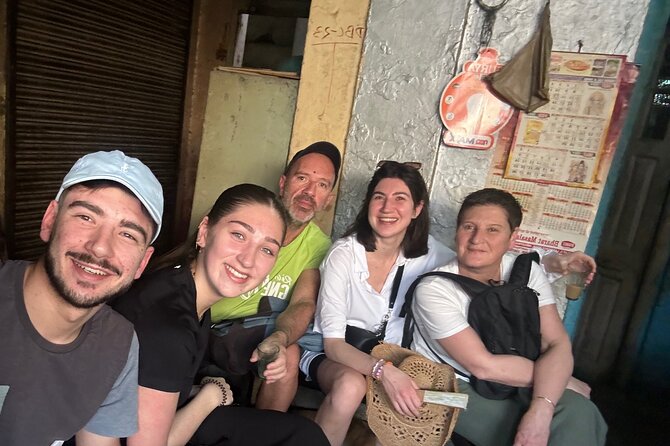
Spices first, history right after. This Old Delhi Heritage Food Walk strings together a rickshaw ride, a clutch of religious landmarks, and the spice-and-paratha streets that locals use every day. It is a 4.5-hour format that works well if you want food, photos, and context without spending your whole day stuck in traffic.
I love how the food feels like part of the neighborhood, not a stage show. Masala chai is built in, and the plan keeps you moving from one bite stop to the next, guided by people like Dave and Dev, who repeatedly get praised for being punctual, professional, and good at answering questions on the spot. I also like the practical touches, like one bottled water included, since Old Delhi can get warm fast.
One thing to consider: it is a walk through narrow lanes and market streets, so comfortable shoes matter. And while most stops include admission tickets, Jama Masjid admission is not included, so that is one cost you may want to plan for.
In This Review
- Key highlights worth knowing before you go
- Why this food walk feels more real than a food list
- The $35 value: what you get for your time
- How the 4.5 hour timing really works on the ground
- Stop 1: Rickshaw ride plus masala chai at the Old City start
- Stop 2: Sri Digambar Jain Lal Mandir and the bird hospital detail
- Stop 3: Gauri Shankar Temple, a roughly 600-year-old stop
- Stop 4: Khari Baoli spice market, what to expect and how to shop
- Stop 5: Gali Paranthe Wali and the paratha-focused street moment
- Stop 6: Jama Masjid photo time and what is not included
- Pickup, mobile tickets, and making it easier to start the day
- What the guide quality looks like in real life
- Who should book this Old Delhi Heritage Food Walk
- A few smart expectations for what you will eat and learn
- Should you book it or skip it?
- FAQ
- How much does the Old Delhi Heritage Food Walk cost?
- How long is the tour?
- Where does the tour start and end?
- Is pickup available?
- What is included in the tour price?
- Are admission tickets included?
- Are tips included in the price?
- Can I get a full refund if I cancel?
- Is it open every day?
Key highlights worth knowing before you go
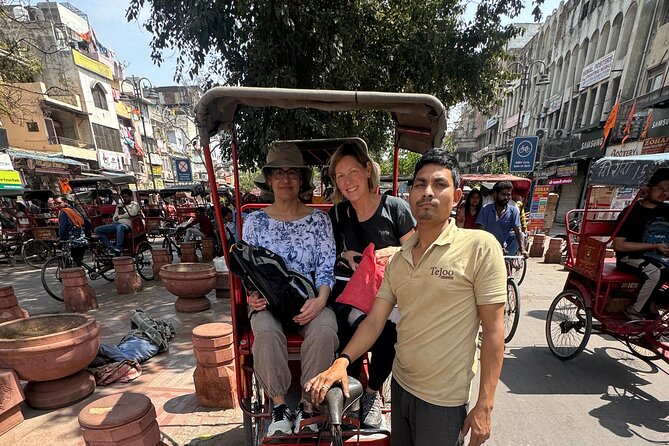
- Rickshaw ride through Old Delhi lanes, paired with chai tasting right at the start
- Temple stops that are quick but specific, including a Jain temple with a bird hospital note
- Khari Baoli spice market, described as the largest spice market in Asia, built for smell, photo angles, and smart buying
- Gali Paranthe Wali, famous for parathas and the kind of street-food energy you come to Old Delhi for
- Jama Masjid photo time, with attention to what you can capture, even though admission is not included
Deeper into Old Delhi and the Chowk
Why this food walk feels more real than a food list
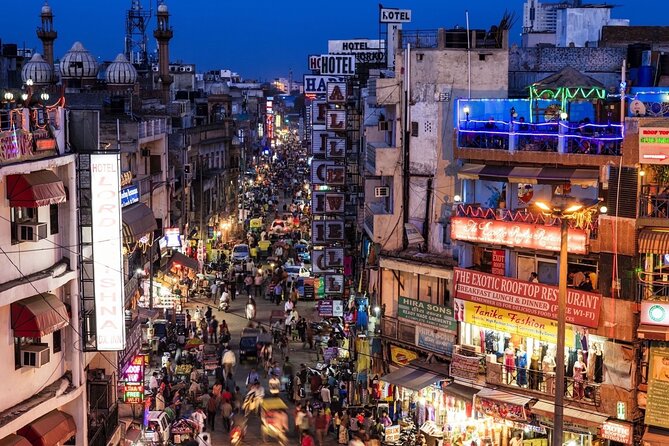
Old Delhi is not the place you do on autopilot. Even if you know what to order, the lanes, the smells, and the way people flow through markets change your experience in real time. This walk uses that reality, building the day around food and a few landmark stops so you understand why the area tastes the way it does.
The best part is the balance. You get street-level food moments, then you step into temples and mosques long enough to notice details you would likely miss on your own. It is a smart rhythm for a half-day outing, especially if it is your first time in the Old Delhi area.
The $35 value: what you get for your time
At $35 per person, this is priced like a budget-friendly guided food walk, not like a full private day of sightseeing with a long car transfer. For that money, you get a guided route, bottled water, and a structure that includes multiple stops with admission tickets listed as included for most locations.
I also like that the tour is described as a private tour/activity, meaning it is only your group. That usually matters in Old Delhi, where small groups can weave through narrow streets without feeling like you are being herded.
If you are counting costs carefully, remember one key item: Jama Masjid admission is not included. Everything else is listed as admission included at the temple and related stops, so you can budget with fewer surprises.
How the 4.5 hour timing really works on the ground
This is about 4 hours 30 minutes total, which is a sweet spot. Long enough to get real food variety and a feel for the markets, short enough that you are not stuck wandering after a late lunch.
The stops are time-boxed, so you should expect:
- short temple visits where you can observe and take photos
- market time where you can smell spices and understand what you are seeing
- bite stops where you can taste without committing to a full restaurant meal
The practical win here is pace. Old Delhi streets can slow you down, so having a plan helps you avoid spending the best hours just trying to find the next place.
Room for one more plate? These walks too
- Old Delhi Street Food Tour★ 5.0 · 497 reviews
- Delhi Food Walk: Rickshaw Ride, Street Eats & Market Tour★ 5.0 · 401 reviews
- Old Delhi Street Food Tour – Explore Spices in Chandni Chowk★ 5.0 · 334 reviews
- Old Delhi Food-Spice Market-Temples Tour Soon Featured on NETFLIX★ 5.0 · 304 reviews
- Chandni Chowk Delhi Food Tour with 15+ Tastings★ 5.0 · 285 reviews
Stop 1: Rickshaw ride plus masala chai at the Old City start
The day kicks off at Jama Masjid in Old Delhi, and the first real sensory hit is the Old Delhi rickshaw ride. Even if you have done a rickshaw before, doing it here makes a difference because you are moving through the kind of tight lane system that feels like it has layers.
From there, you taste masala chai, described as part of the start experience. This is not just a warm drink. Chai is a simple way to connect with daily rhythm, especially before you hit the spice market. It also gives you a moment to slow down before the food intensity ramps up.
You also visit a Sikh temple as part of the opening segment. The way the route is sequenced helps, because you get cultural context early, then you move into the trade and food side of the neighborhood.
Stop 2: Sri Digambar Jain Lal Mandir and the bird hospital detail
Next up is Sri Digambar Jain Lal Mandir, listed at about 30 minutes with an admission ticket included. This temple is described as beautiful, and there is a specific note about a bird hospital on site.
That bird hospital detail matters because it gives you something concrete to look for. Instead of only scanning for architectural highlights, you can pay attention to how care for animals shows up in the temple environment.
Jain temples can feel quieter than the market streets, even when you are surrounded by activity. That contrast is a good thing on this kind of tour. You get to reset your senses, then you are ready for spices again.
Stop 3: Gauri Shankar Temple, a roughly 600-year-old stop
You then head to Gauri Shankar Temple, another 30 minute segment with admission included. It is described as a Hindu temple and noted as older than 600 years.
This stop is a reminder that the food route is not happening in a vacuum. Old Delhi street life has always been tied to religious practice and community meeting points. Even a short visit helps you see why certain areas attract crowds and why food stalls and temples often live side by side.
If you care about photos, keep your camera ready here. Short stops can tempt you to rush, but this is one of those segments where you can get respectful shots without eating up the food time.
Stop 4: Khari Baoli spice market, what to expect and how to shop
Then you hit Khari Baoli, described as the largest spice market in Asia, with about 1 hour on the schedule and admission included. This is the stop that turns your nose into a map. You will likely notice piles of spices, different grades, and the kinds of mixtures people buy for everyday cooking.
I like that the plan makes this a full hour. Spice markets are not a one-minute photo stop. You need a little time to:
- understand what is ground, whole, and blended
- notice different colors and textures
- ask basic questions without feeling rushed
If you plan to buy spices, go in expecting that prices and options can vary by packaging size. This walk gives you the advantage of asking questions in context, with a guide who can help you interpret what you are seeing.
Also, you get bottled water included. When you are sniffing constantly and eating at multiple stops, hydration helps you stay comfortable.
Stop 5: Gali Paranthe Wali and the paratha-focused street moment
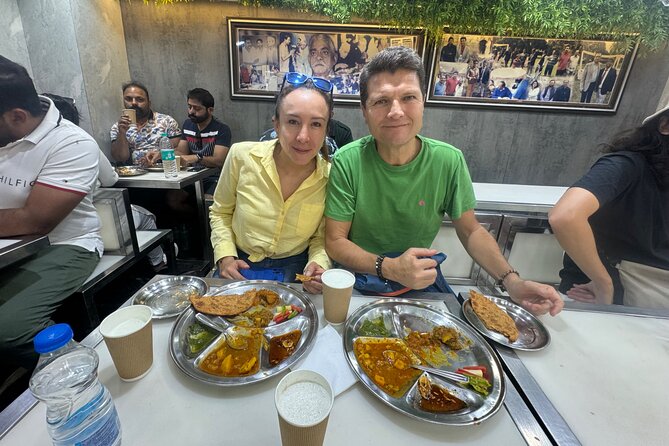
Next is Gali Paranthe Wali, a very famous street for parathas, with about 30 minutes. The key idea here is simplicity: you are not just tasting food, you are stepping into a lane that people associate with a specific comfort-food style.
Paratha is a good street-food target because it is filling and easy to compare. Different stalls can feel different even if the core concept is the same. This makes the tasting more meaningful if you like learning how small changes in spice blends and cooking style affect the result.
I would treat this stop like your chance to slow down and actually taste rather than just snap photos and move on. Once you are full, the rest of Old Delhi can feel more enjoyable, not harder.
Stop 6: Jama Masjid photo time and what is not included
The last named stop is Jama Masjid again, with about 20 minutes and a note that admission is not included. The tour ends back at the meeting point, so your logistics stay simple.
This segment is built for photos and final views. Jama Masjid is described as the largest mosque of India, so even if your time inside is limited by admissions, the exterior and surrounding angles can still deliver memorable images.
One practical note: because admission is not included, do not assume you will go inside. If you really care about being inside the main prayer space, you may want to plan that separately.
Pickup, mobile tickets, and making it easier to start the day
The tour offers pickup, which can be a big deal in this area. Old Delhi traffic and lane access can be tricky, and starting with a smooth handoff lowers stress.
You also get a mobile ticket, and confirmation is received at booking. If you like straightforward planning, these details matter. You will spend less time trying to figure out where to go and more time actually tasting.
Meeting point and ending point are also clearly set at Jama Masjid. That is ideal for a half-day format because you do not need to solve the end-of-day transport puzzle.
What the guide quality looks like in real life
The recurring theme from guide feedback is simple: guides like Dave and Dev are praised for making the experience feel organized, flexible, and easy to follow. People also mention guides being punctual and professional in dress, plus strong at answering questions, including pointers for photo spots.
That matters for a street food walk because you are surrounded by choices. A good guide helps you:
- avoid overwhelm at busy stalls
- understand what you are tasting and why
- keep moving at a pace that still feels comfortable
If you want a tour where conversation is part of the fun, this one fits that style. Several comments highlight good conversation and a personal, family-like feel within the group size.
Who should book this Old Delhi Heritage Food Walk
This is a strong choice if:
- you want street food plus context rather than only eating
- it is your first time in Old Delhi and you want a guided route that makes sense
- you like walking through markets but still want structure so you do not waste time
It may be less ideal if:
- you hate walking on narrow lanes and market floors
- you need long temple interior time, since several stops are short
Because it is described as most travelers can participate and it also notes service animals allowed, it is broadly friendly. You still should come with the basics: comfortable shoes and a willingness to move.
A few smart expectations for what you will eat and learn
The tour emphasizes typical food, spices, and culture tied to places that are more than 2,000 years old in the broader area. The plan also calls out spice education in Khari Baoli and a paratha-focused street segment later.
On the food side, you should expect:
- a masala chai tasting early
- multiple food tastings across the route
- one included bottled water to keep you comfortable
If you have dietary restrictions, the data here does not list specific accommodations. In that case, it is smart to contact the provider before booking so you can confirm what can be adjusted.
Should you book it or skip it?
Book this Old Delhi Heritage Food Walk if you want a half-day that mixes real street energy with key cultural stops, and you care about tasting spices and parathas with guidance. The price feels fair for the time, the included water, the structured stops, and the fact that admission tickets are listed as included for most segments.
Skip or think twice if you are mainly after a full architectural tour, since the temple and mosque stops are short and Jama Masjid admission is not included. Also, if walking through busy lanes is not your thing, plan to take it easy on the day.
FAQ
How much does the Old Delhi Heritage Food Walk cost?
It costs $35.00 per person.
How long is the tour?
It is approximately 4 hours 30 minutes.
Where does the tour start and end?
It starts at Jama Masjid, Old Delhi, Delhi 110006, India, and ends back at the meeting point.
Is pickup available?
Yes, pickup is offered.
What is included in the tour price?
The tour includes one bottled water and food tastings during the experience.
Are admission tickets included?
Admission tickets are included for the listed temple and market stops, but Jama Masjid admission is noted as not included.
Are tips included in the price?
No, tips are not included.
Can I get a full refund if I cancel?
Yes. Free cancellation is available, and you can cancel up to 24 hours in advance for a full refund.
Is it open every day?
Yes. The opening hours are listed as Monday to Sunday, from 8:30 AM to 5:00 PM.
Eating Across New Delhi


Still in Old Delhi? Keep Going





Recently reviewed across New Delhi
- Golden Triangle – Delhi Agra and Jaipur
★ 5.0 · 10 reviews - Taj Mahal & Agra Tour by Indian Bullet Train All Inclusive
★ 4.5 · 10 reviews - Private Tour in Mehrauli Archaeological Park & Qutub Minar
★ 5.0 · 10 reviews - Old & New Delhi Tour
★ 5.0 · 10 reviews - From Delhi : Taj Mahal & Agra Fort Tour by Luxury Express Train
★ 5.0 · 10 reviews - Delhi Shopping Tour: Top Bazaars, Crafts & Souvenir Finds
★ 5.0 · 10 reviews
Old Delhi and Chandni Chowk Tours, compared.
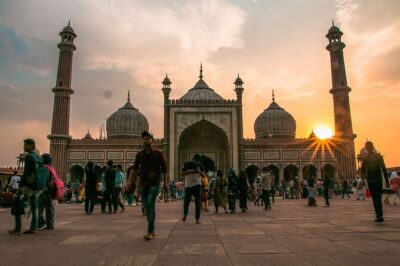 ★ 5.0Old & New Delhi City Tour – Half or Full Day Options AvailableFrom $384,811 reviews
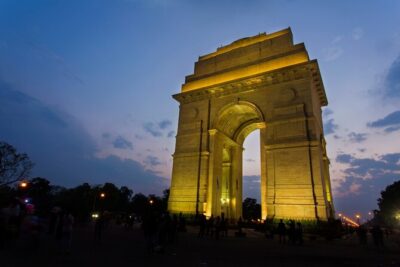 ★ 5.0Old & New Delhi City Tour – Choose Half or Full Day ExperienceFrom $384,513 reviews
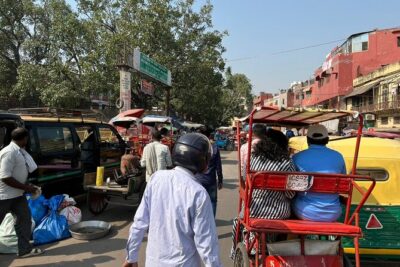 ★ 5.0Old & New Delhi Private Tour – Half or Full Day (Rated Excellent)From $202,226 reviews
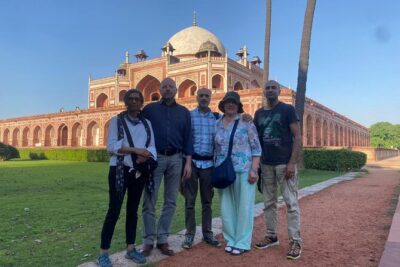 ★ 5.0Old & New Delhi Full or Half Day Sightseeing TourFrom $241,900 reviews
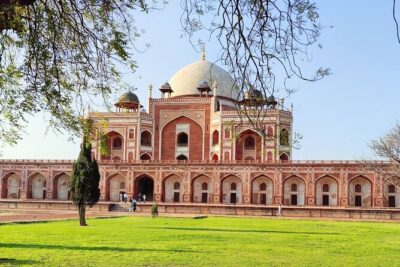 ★ 5.0Old and New Delhi Guided Full or Half-Day TourFrom $20976 reviews
 ★ 5.0Old & New Delhi Private City Tour – Traveler’s Choice (Top Rated)From $13746 reviews
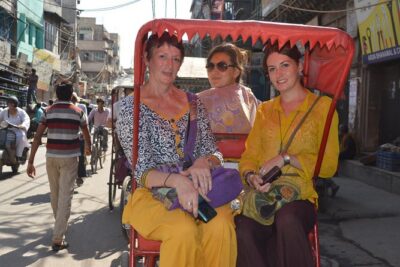 ★ 5.0Old Delhi Food, Heritage&Cultural Walk with Rickshaw ride to Masterji Kee HaveliFrom $52742 reviews
 ★ 5.0Full-Day Private Old and New Delhi Combo TourFrom $20625 reviews
Browse the lists this tour appears in