
REVIEW · OLD DELHI AND CHANDNI CHOWK TOURS
Old Delhi Tour with Local Experience
Old Delhi can feel like sensory overload, but this tour gives you a map in motion. You’ll ride the metro, then hop into a rickshaw, all while a local guide helps you make sense of what you’re seeing. I especially like the mix of famous sights and the smaller, food-focused streets that help you understand Delhi beyond the postcard version. The stop for tea in a local shop is a nice reset from the crowds.
Two things I really like are the practical pacing (about 3 hours) and the way the guide connects landmarks to everyday culture. You’ll also get bottled water and a local tea stop, which makes a big difference in Delhi heat. One consideration: you’re doing walking in crowded areas, so plan for a moderate fitness level and keep your expectations realistic for narrow lanes and busy streets.
If you want Old Delhi without spending your whole day figuring out transport and logistics, this is a strong, friendly way to do it. Just note it’s a group experience with a maximum of 10 people, so it won’t feel like a private tour with unlimited slow stops.
In This Review
- Key highlights worth your attention
- Old Delhi in 3 hours: metro, rickshaw, and a smart route
- Price and value: what $30 actually buys you here
- Starting at Connaught Place: a clean way to begin
- Stop 1, Chandni Chowk: the stories behind a legend
- Stop 2, Nai Sarak (2584-2585): walking through Indian food culture
- Stop 3, Gurudwara Sis Ganj Sahib: Sikh community and shared kitchen
- Stop 4, Kinari Bazaar: the wedding market you can actually feel
- Stop 5, Gali Paranthe Wali: a short lesson in one iconic dish
- Tea, water, and comfort: the small inclusions that matter
- Guides who keep things human: Pradeep and Salmon as examples
- What the route helps you do, and what it does not
- Who should book this Old Delhi local experience
- Should you book it? My honest take
Key highlights worth your attention
- Metro plus rickshaw travel so you feel the city’s everyday rhythm, not just stand-and-stare sightseeing
- Guided storytelling that links what you see to Delhi’s history and culture
- Tea stop in a local shop to take a break and taste the moment
- Major and lesser-known Old Delhi stops including Gurudwara Sis Ganj Sahib and the wedding market area
- Small group size capped at 10, with up to 5 people per booking
- Water included to keep you comfortable during your 3-hour loop
Deeper into Old Delhi and the Chowk
Old Delhi in 3 hours: metro, rickshaw, and a smart route
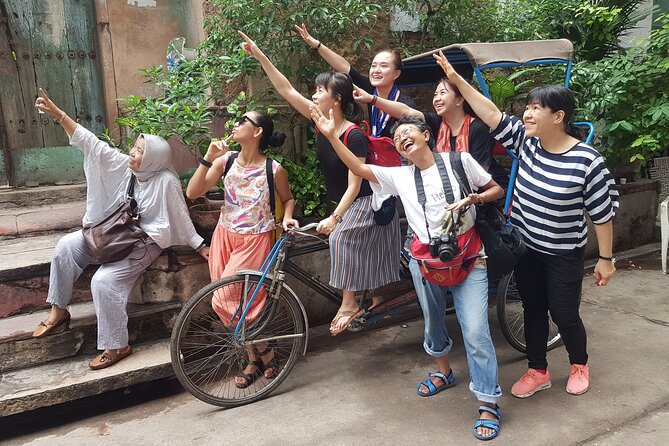
Old Delhi is famous for its chaos. Even if you love crowds, it can still feel like you need a guide just to read the place correctly. This tour solves that problem with a clear, short timeframe and a route that keeps moving, from the metro system into the lanes where the real action happens.
I like that it starts near Connaught Place at Inner Circle, Block A. That matters because getting to Old Delhi can be its own mini-adventure. Having a set meeting point, then returning there at the end, also keeps the day from turning into a logistics headache.
You’re out for about 3 hours. That’s long enough to see real variety, but not so long that you’re mentally done halfway through. The group format, with a maximum of 10, helps too, because you’re not constantly waiting for a large pack to navigate alleys.
Price and value: what $30 actually buys you here
$30 per person is not a fortune, especially in a city where private guiding can cost much more. What makes the price feel fair is that you’re getting real local transport time plus multiple guided stops, not just a single attraction visit.
Included value is practical, too:
- Metro ride and rickshaw ride
- Professional guide
- Local tea stop
- Bottled water
You don’t need to budget for admission for the listed stops, since the tour notes free admission at each site. That combination, guided time plus transport plus refreshments, is why this feels like a good deal for a first taste of Old Delhi.
The one thing not included is personal shopping, which is normal. If you’re the type who gets tempted by spices, wedding wear, or food snacks along the way, set a limit before you go. The route is designed to show you the interesting stuff, so you’ll likely want to buy something.
Starting at Connaught Place: a clean way to begin
The meeting point is at Inner Circle, Block A, Connaught Place (New Delhi). You’ll start there and the tour ends back at that same meeting point, which is a simple win for planning.
Being near public transportation matters in Delhi. If you’re staying in the central area, it’s easier to link this with your hotel routine. If you’re coming from elsewhere, the “near public transportation” note is your hint that you should aim to arrive with enough buffer to reach the meeting point calmly.
The tour uses a mobile ticket. Bring your phone with enough battery, and keep it accessible. In busy places, you do not want to be the person searching for a ticket while everyone else is moving.
- Old & New Delhi City Tour – Half or Full Day Options Available★ 5.0 · 4,811 reviews
- Taj Mahal Tour from Delhi by Express Train (Viator Award Winner)★ 5.0 · 2,849 reviews
- Same Day Taj Mahal, Fort & Baby Taj Tour from Delhi by Car★ 4.9 · 2,534 reviews
- From Delhi: Taj Mahal and Agra Fort Private Sunrise Tour★ 4.9 · 2,270 reviews
- Sunrise Taj Mahal, Agra Fort & Baby Taj Tour from Delhi by Car★ 5.0 · 2,243 reviews
Stop 1, Chandni Chowk: the stories behind a legend
Chandni Chowk is the kind of place that looks like it’s always been here. But without context, it’s just a flood of movement, shops, and noise. This stop is brief, about 5 minutes, which is exactly right for the first “wow” moment. The guide’s job here is to get you oriented so the rest of the route makes sense.
What you’ll get is a guided introduction to why Chandni Chowk matters, not just a photo opportunity. The tour is built around commentary, so you should expect the guide to point out what makes the area historically important and how people use the street today.
A drawback to know up front: this is a public, crowded area. If you’re sensitive to close quarters, you’ll want to stay patient and let the guide manage the flow. You can still enjoy it, but comfort depends on your tolerance for busy lanes.
Stop 2, Nai Sarak (2584-2585): walking through Indian food culture
Next you’ll walk through the Nai Sarak area, a market lane connected to Indian food and everyday shopping. The stop is around 10 minutes and it’s focused on learning, not shopping.
This is the kind of place where a guide helps you see details you would otherwise miss. You’ll be walking and getting context, which is more useful than simply pausing at storefronts. Even if you don’t buy anything, you’ll start to understand why Old Delhi food culture is so specific.
The smart part here is the pacing. You’re not stuck in one spot. You get movement plus explanations, so your brain stays engaged. If you’re traveling with someone who wants photos and snacks, this also gives them something to react to without losing the tour’s structure.
Stop 3, Gurudwara Sis Ganj Sahib: Sikh community and shared kitchen

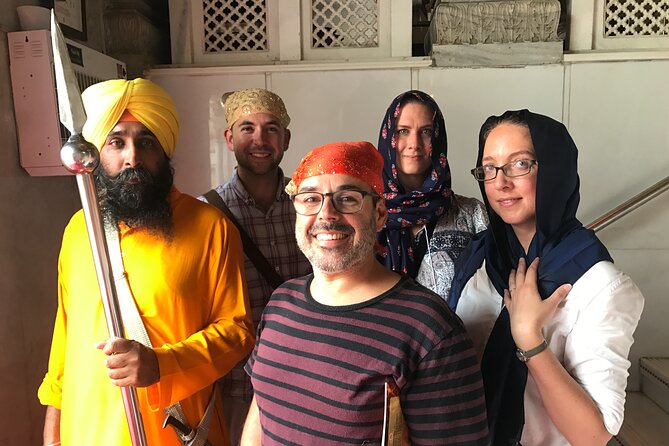
This is one of the most meaningful stops on the route. You’ll visit Gurudwara Sis Ganj Sahib, about 15 minutes, learning about Sikhism and its culture of community service.
What I appreciate is that this stop isn’t only about architecture or a religious landmark. The tour highlights the idea of service, and it even notes that if you’re sporting enough, you can try cooking in the community kitchen. That’s a big difference from a standard sightseeing visit, because it turns “watching” into participation.
If cooking isn’t your thing, don’t worry. The value is still in understanding the community aspect and how the space functions. Also, this is a moment to slow down from markets and traffic. Even a short stop here can feel like a reset.
As a practical note, religious sites tend to have expectations around clothing and behavior, and you’ll want to follow those on the day. Wear comfortable shoes and keep your movements respectful in the space.
Stop 4, Kinari Bazaar: the wedding market you can actually feel
Kinari Bazaar is where the tour shifts from food and temples into cultural craft, especially wedding-related shopping. The time here is about 10 minutes, and the guide’s commentary helps you see why the place changes with festivals.
This stop is interesting because it’s visual and emotional. Wedding markets are about more than products. They’re about tradition, celebrations, and the way communities mark big life moments.
Even if you’re not buying anything, it’s worth noticing how people interact with the street. You’ll see the energy of Old Delhi in a more celebratory way than you might get at purely commercial food lanes.
A consideration: wedding shopping areas can be intense. If you dislike sales pressure, keep your focus on the tour’s learning points and don’t feel obligated to browse. You can enjoy the atmosphere and still skip purchases.
Stop 5, Gali Paranthe Wali: a short lesson in one iconic dish
The final walk is at Gali Paranthe Wali, about 5 minutes. Paranthas are one of India’s most famous comfort foods, and this stop is built to explain the process rather than just point at a menu.
This is a perfect closing stop because it pulls the day together through food. You’ve already seen market lanes and learned about food culture. Ending with a dish-focused explanation gives your brain something memorable to carry with you.
Because the stop is short, you won’t be stuck watching one shop for half an hour. You get the idea, then the tour moves on. If you’re hungry, the local tea stop earlier can help tide you over, but you might still want a proper meal right after the tour ends.
Tea, water, and comfort: the small inclusions that matter
Delhi weather can be tricky, and the tour handles this with bottled water included. That’s not glamorous, but it’s practical. When you’re walking in crowded streets for a few hours, hydration becomes part of your enjoyment, not an afterthought.
The local tea stop is another underrated inclusion. It gives you a break from constant scanning and helps you recover without leaving the experience. It’s also a cultural moment, because tea is such a daily ritual. You’re not just taking a sip, you’re getting a pause built into the route.
If you’re the type who gets hangry, this matters. A guided tour can feel like a blur if you don’t get a reset. Here, you do.
Guides who keep things human: Pradeep and Salmon as examples
A huge portion of how good a tour feels comes down to the guide. Two guide names came up in experiences shared by past guests: Pradeep and Salmon.
Pradeep is described as kind, knowledgeable, and attentive. Salmon is described as friendly and engaging, with a smooth start that includes picking you up from your hotel. Even if pickup details vary by situation, the important theme is consistency: you’re not just getting facts. You’re getting someone who watches the group and adjusts so you don’t get lost in the chaos.
When you book, look for the kind of tour where the commentary is active. This one is designed around guided storytelling, so your guide is part teacher, part local translator, and part traffic controller for crowds.
What the route helps you do, and what it does not
This tour is built for orientation. It helps you understand how Old Delhi works, where key cultural hubs are, and why the areas matter. You’ll leave with names you can remember, plus a sense of how the streets connect to food, faith, and celebration.
It is not a slow, sit-everywhere, take-hour-long photos type of experience. You’ll have short stops that add up quickly. If you prefer lingering, you can still do that after, but this tour is about making sure you hit the right mix efficiently.
It also won’t replace a full-day deep dive into every market. Think of it as a strong first or second outing, especially if you want to avoid wasting time figuring out transit.
Who should book this Old Delhi local experience
This is a great fit if:
- You want Old Delhi highlights with real local transport choices
- You like guided commentary that explains what you’re seeing
- You want a short, structured 3-hour window instead of an all-day ordeal
- You appreciate breaks, with tea and bottled water included
- You’re okay with moderate walking in busy areas
It might not be ideal if you have mobility limits or need very quiet, uncrowded sightseeing. The tour notes moderate physical fitness. If walking crowded lanes feels stressful, you could still try it, but consider where your comfort threshold is.
If you’re a first-time visitor to Delhi, this gives you a usable foundation. And if you’ve been once already, the food and community service angle can still feel new.
Should you book it? My honest take
If you’re deciding whether to book this Old Delhi tour, I’d say yes, especially if you want value and clarity. The combination of metro plus rickshaw, guided stop-by-stop commentary, and the included tea and water makes it easier to enjoy the city instead of managing the day.
The best part is how the route connects different sides of Old Delhi. You get major landmark energy at Chandni Chowk, food culture in market lanes, meaning at Gurudwara Sis Ganj Sahib, and celebration at Kinari Bazaar. It’s not random. It’s a guided lesson with movement.
The only reason I’d hesitate is if you strongly dislike crowded walking or prefer long, unhurried sightseeing. For everyone else, this is a smart way to see Old Delhi in one tight afternoon and feel like you understood it, not just photographed it.
Still in Old Delhi? Keep Going





Recently reviewed across New Delhi
- Golden Triangle – Delhi Agra and Jaipur
★ 5.0 · 10 reviews - Taj Mahal & Agra Tour by Indian Bullet Train All Inclusive
★ 4.5 · 10 reviews - Private Tour in Mehrauli Archaeological Park & Qutub Minar
★ 5.0 · 10 reviews - Old & New Delhi Tour
★ 5.0 · 10 reviews - From Delhi : Taj Mahal & Agra Fort Tour by Luxury Express Train
★ 5.0 · 10 reviews - Delhi Shopping Tour: Top Bazaars, Crafts & Souvenir Finds
★ 5.0 · 10 reviews
Old Delhi and Chandni Chowk Tours, compared.
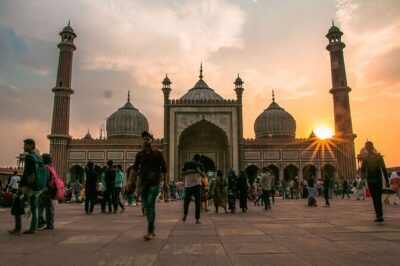 ★ 5.0Old & New Delhi City Tour – Half or Full Day Options AvailableFrom $384,811 reviews
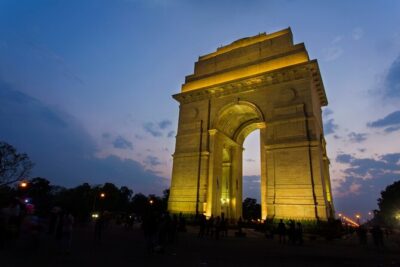 ★ 5.0Old & New Delhi City Tour – Choose Half or Full Day ExperienceFrom $384,513 reviews
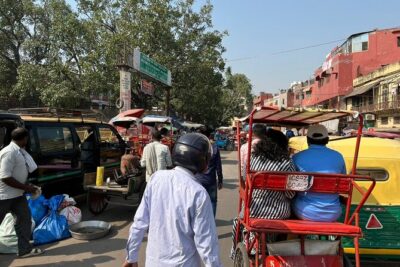 ★ 5.0Old & New Delhi Private Tour – Half or Full Day (Rated Excellent)From $202,226 reviews
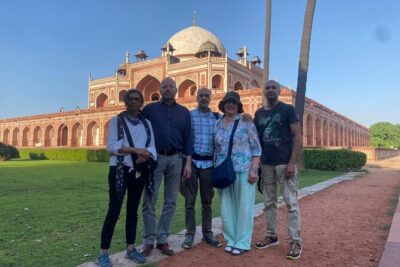 ★ 5.0Old & New Delhi Full or Half Day Sightseeing TourFrom $241,900 reviews
 ★ 5.0Old and New Delhi Guided Full or Half-Day TourFrom $20976 reviews
 ★ 5.0Old & New Delhi Private City Tour – Traveler’s Choice (Top Rated)From $13746 reviews
 ★ 5.0Old Delhi Food, Heritage&Cultural Walk with Rickshaw ride to Masterji Kee HaveliFrom $52742 reviews
 ★ 5.0Full-Day Private Old and New Delhi Combo TourFrom $20625 reviews
Browse the lists this tour appears in