
REVIEW · OLD DELHI AND CHANDNI CHOWK TOURS
Unveil Old Delhi’s Food, Spice Market & Heritage Walk
Follow your nose through Old Delhi. This 5-hour Old Delhi food and heritage walk pairs classic sights with serious snack time, starting outside the Red Fort and guided by Raj. I like that the history is practical, told right where you stand, not dumped from a distance.
Two things I really enjoyed: the 14+ varieties of food and drinks plus desserts, and the way the route connects markets, temples, and street scenes into one smooth plan. The pace also feels manageable for a group, with tuk-tuk rides covered in Old Delhi and a small size (max 10 people), so it is easier to keep up.
One consideration: this tour is not recommended for vegans, and you should expect Indian flavors that can lean spicy. If you have tight dietary rules, tell the guide early so you can plan around it.
In This Review
- Key highlights you should know before you go
- Starting outside Red Fort, where the city’s layout makes sense
- Chandni Chowk: the 1650 square behind today’s street food
- Gurudwara Sis Ganj Sahib: a respectful break from the snack rush
- Naughara and the Kinaari Bazaar lanes: nine houses and travel-worn meanings
- Khari Baoli: Asia’s largest spice market in 30 minutes
- Jama Masjid alleys: kebab, butter chicken, and rose sharbat
- The 14+ tastings, plus chai, lassi, and dessert, actually add up
- Tuk-tuk rides, pacing, and the small-group feel
- Price and value at $39.31, plus who it is best for
- Should you book this Old Delhi food, spice market, and heritage walk?
- FAQ
- How long is the Old Delhi food, spice market, and heritage walk?
- How much does the tour cost?
- What is included in the tour?
- Is the tour recommended for vegans?
- How many people are in a group?
- What if the weather is poor?
Key highlights you should know before you go
- Red Fort outside viewing, with a guided look at Shahjahanabad and Chandni Chowk
- Chandni Chowk’s 1650 design story, tied to how the area still works today
- Gurudwara Sis Ganj Sahib (1783), a calm cultural pause with free admission
- Khari Baoli spice market, Asia’s largest spice market, with scents and stalls packed into short lanes
- Jama Masjid area alley-food tasting, including kebab, butter chicken, and rose sharbat
- 14+ tastings plus chai, lassi, soda, and desserts like kulfis, sweets, and rabri
Deeper into Old Delhi and the Chowk
Starting outside Red Fort, where the city’s layout makes sense
You begin near Chandni Chowk, with the official meeting point at McDonald’s (No. 1888-89, Commercial Complex, II, near Maha, Laxmi Market, Chhippy Wada, Chandni Chowk, New Delhi). From there, the first stop is outside the Red Fort, so you get the big-picture view without turning this into a ticket line day.
What makes this start click is the context. Your guide frames Shahjahanabad and Chandni Chowk as the city’s old engine, the reason the food streets exist in the first place. You do not just see a monument, you get a map in your head for why people built and moved through this area the way they did.
Practical note: you are outdoors first. On hot or hazy days, bring water (bottled water is included) and wear something that dries fast. A light layer helps if you get cooler shade later around the markets.
Chandni Chowk: the 1650 square behind today’s street food
Chandni Chowk is more than a famous shopping street. It was designed in 1650 CE by Princess Jahanara Begum, originally imagined as a half-moon-shaped space with a reflective water pool that shimmered under moonlight from the Yamuna. Even if you will not see water features exactly the way they were described, the idea of a planned, symmetrical marketplace still shapes how the lanes feed into the broader area.
This is also where you start connecting food to movement. The guide’s job here is to help you understand what you are looking at, so when you pass a spice stall, a tea seller, or a snack stop, you know what role it likely plays in the neighborhood day.
You get a long chunk of time at Chandni Chowk (about 2 hours), and admission is free. That matters because it lets you slow down. You can stop for photos, check what is in season, and taste without feeling like you are being rushed off to the next checkpoint.
Gurudwara Sis Ganj Sahib: a respectful break from the snack rush
Then the tour shifts from the bazaar tempo to a more reflective one: Gurudwara Sis Ganj Sahib. It is a prominent Sikh temple in Delhi built in 1783, and it is tied to stories of faith and bravery. Admission here is free, and the stop runs about 30 minutes.
This kind of pause is useful on a food tour. It keeps the day from becoming only about eating and scrolling through stalls. You also learn how different communities in Old Delhi shaped the city’s public life, not just its cuisine.
A tip for getting the most out of this stop: slow down your camera. Sit back for a moment, observe quietly, and let your guide explain what you see. If you plan to take photos, ask where it is appropriate. A small amount of respect goes a long way in these spaces.
Room for one more plate? These walks too
- Old Delhi Street Food Tour★ 5.0 · 497 reviews
- Delhi Food Walk: Rickshaw Ride, Street Eats & Market Tour★ 5.0 · 401 reviews
- Old Delhi Street Food Tour – Explore Spices in Chandni Chowk★ 5.0 · 334 reviews
- Old Delhi Food-Spice Market-Temples Tour Soon Featured on NETFLIX★ 5.0 · 304 reviews
- Chandni Chowk Delhi Food Tour with 15+ Tastings★ 5.0 · 285 reviews
Naughara and the Kinaari Bazaar lanes: nine houses and travel-worn meanings
Next comes a smaller, less obvious cultural pocket: Naughara, a row of nine houses in Shahjahanabad. The name connects to ideas of nau ghar (nine homes) or nau ghara (possibly nine pots for water for travelers). Either way, the point is clear. This was a practical stopping zone, built for people on the move.
You also access it through the Kinaari Bazaar, which helps you feel how the older neighborhoods stitch together. Even with a short visit (about 30 minutes), you get a sense of how these gates and enclosed lanes shaped everyday travel, trade, and lodging needs.
One practical takeaway: expect narrower pathways. If you are carrying a small day bag, keep it zipped and close. Old Delhi lanes can be tight, and your group size is small enough that you should not block others while you look around.
Khari Baoli: Asia’s largest spice market in 30 minutes
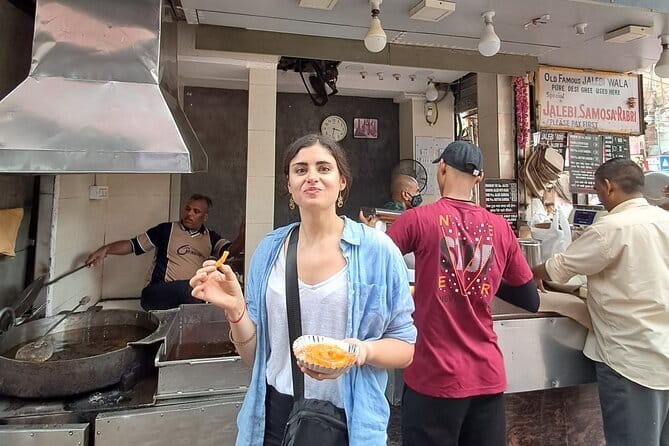
If there is one stop that hits your senses the hardest, it is Khari Baoli, described as Asia’s largest spice market. You will move through lanes packed with spices, dried fruits, herbs, and teas, and the smell alone is enough to wake up your appetite.
This stop is about 30 minutes, and admission is included. Short time, intense impact. That is actually a good setup if you want value from the tour without spending hours shopping. You taste your way through the day, then get the market context at the end of a few major heritage stops.
Two things to keep in mind:
- Spices get everywhere. If you are sensitive to strong odors or dust, bring a scarf or mask.
- This tour does not include market shopping. You can browse, but anything you buy is on you.
If you are a spice lover, this stop is great for learning the language of flavors. If you hate strong smells, tell your guide up front. You can likely adjust where you stand and what you sample.
Jama Masjid alleys: kebab, butter chicken, and rose sharbat
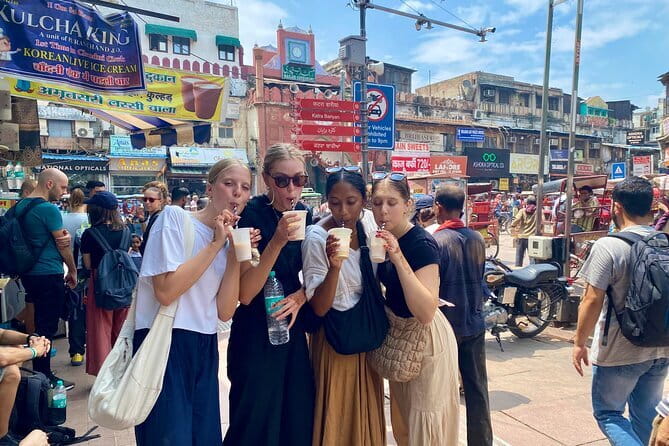
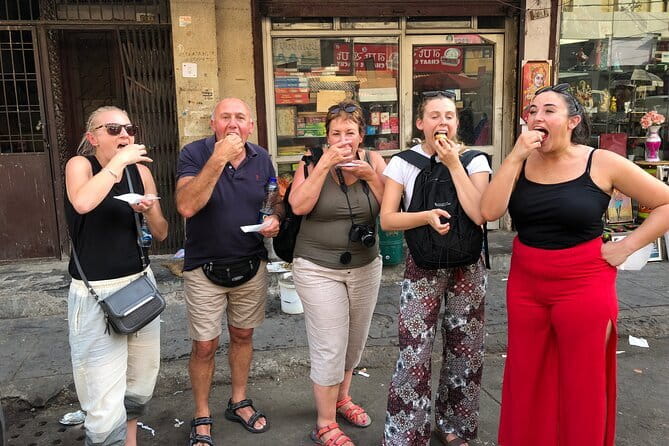
After Khari Baoli, you shift into the alleys around Jama Masjid for the heart of the tasting. This is where you try dishes like kebab and butter chicken, plus a refreshing rose sharbat to balance the heat and weight that street food can bring.
This part is only as fun as how you handle your appetite. The tour includes bottled water, and it also builds in drinks like chai tea, lassi, and soda, plus desserts such as kulfis, sweets, and rabri. In other words, you are not just eating one savory item and calling it done. You are getting a full flavor arc.
One subtle benefit I liked: the snack stops come with a sense of story. The best guides explain what you are tasting and why it matters locally, not just what ingredients are inside. It makes the food feel like part of the neighborhood, not a staged menu.
Food reality check: this tour is not recommended for vegans. Even if you do not go fully vegan, if you need strict vegetarian or low-spice choices, plan to communicate clearly.
The 14+ tastings, plus chai, lassi, and dessert, actually add up
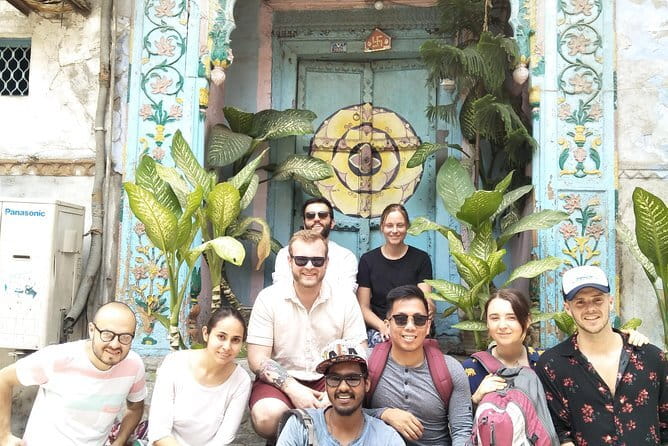
The included list is where the value becomes obvious. You get:
- Bottled water
- Taste 14+ varieties of Old Delhi delicacies
- Beverages: chai, lassi, soda
- Desserts: kulfis, sweets, rabri
- Tuk-tuk rides in Old Delhi covered
- A friendly expert guiding you
From a pricing standpoint, this is the difference between paying for a walk and paying for a food education. At around $39.31 per person for a half-day, you are buying convenience, timing, and guided tasting, not just paying to be led between monuments.
If you were to do this on your own, you would spend time figuring out where to eat, which stalls are good, and how much to try without overloading your stomach. Here, the tour is doing that math for you.
Still, I would be honest: you should arrive ready to eat. This is not a light sampling tour. It is a full “you will feel it by the end” experience, which is exactly what street food fans want.
Tuk-tuk rides, pacing, and the small-group feel
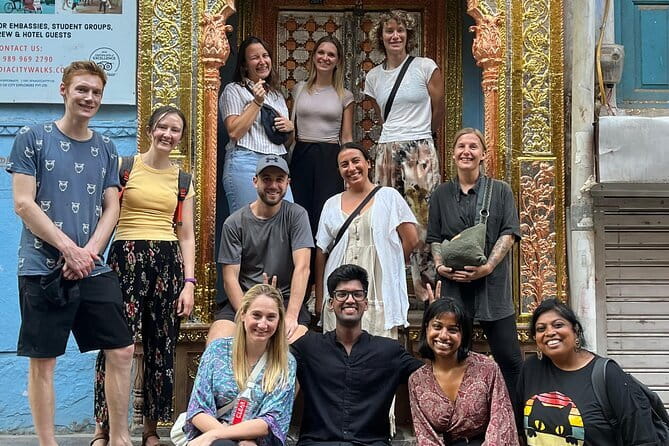
The tour is designed for motion without chaos. Tuk-tuk rides in Old Delhi are covered, and the whole day runs about 5 hours. That time window is long enough to cover the major heritage anchors, but short enough that you are not committed to a whole day of walking in crowds.
The group size is capped at 10 travelers, which matters more than you might think. Small groups are easier to manage around food lines and narrow lanes. They also make it simpler to ask questions without feeling like you got lost in the shuffle.
Based on the guide style described in the reviews, the day also leans friendly and low-pressure. You should expect a relaxed vibe where asking questions is normal, not awkward. That helps a lot if you are traveling solo or if you worry about feeling out of place in a busy area.
Price and value at $39.31, plus who it is best for
At $39.31 for about 5 hours with 14+ tastings, included drinks, and covered tuk-tuk rides, the price feels fair if your main goal is food plus context. The fact that some major stops have free admission (like Chandni Chowk and Gurudwara Sis Ganj Sahib) also supports the idea that you are not paying only for access.
This tour makes the most sense if:
- You want to eat your way through Old Delhi instead of just sightseeing
- You like street food but also want someone to explain what you are seeing
- You prefer smaller groups over big group bus tours
- You are comfortable with an area known for spice and strong smells
It is less ideal if:
- You follow a vegan diet (this is explicitly not recommended)
- You avoid spicy food and do not want to risk Indian street flavors
- You want zero walking and zero crowd navigation
Should you book this Old Delhi food, spice market, and heritage walk?
Yes, book it if you want a guided food day that also teaches you how Old Delhi works. The biggest reason to go is the combo: heritage landmarks plus spice market energy plus serious tasting in one organized route.
I would hold off only if your dietary needs are strict, or if you are not willing to handle the aromas and possible heat of a spice market. For everyone else, this is a strong way to spend half a day, because you leave with both full taste memories and a clearer sense of the neighborhood.
FAQ
How long is the Old Delhi food, spice market, and heritage walk?
It runs about 5 hours (approx.).
How much does the tour cost?
The price is $39.31 per person.
What is included in the tour?
The tour includes bottled water, tastings of 14+ varieties of Old Delhi delicacies, drinks such as chai tea, lassi, and soda, desserts like kulfis and sweets, tuk-tuk rides in Old Delhi, and a friendly expert guide.
Is the tour recommended for vegans?
No, it is not recommended for vegans.
How many people are in a group?
The tour has a maximum of 10 travelers.
What if the weather is poor?
This experience requires good weather. If it is canceled due to poor weather, you will be offered a different date or a full refund.
Eating Across New Delhi


Still in Old Delhi? Keep Going





Recently reviewed across New Delhi
- Golden Triangle – Delhi Agra and Jaipur
★ 5.0 · 10 reviews - Taj Mahal & Agra Tour by Indian Bullet Train All Inclusive
★ 4.5 · 10 reviews - Private Tour in Mehrauli Archaeological Park & Qutub Minar
★ 5.0 · 10 reviews - Old & New Delhi Tour
★ 5.0 · 10 reviews - From Delhi : Taj Mahal & Agra Fort Tour by Luxury Express Train
★ 5.0 · 10 reviews - Delhi Shopping Tour: Top Bazaars, Crafts & Souvenir Finds
★ 5.0 · 10 reviews
Old Delhi and Chandni Chowk Tours, compared.
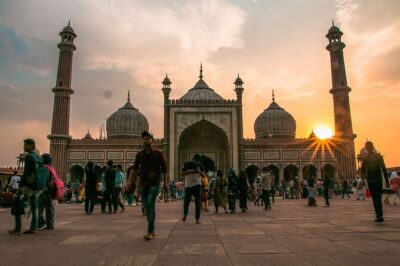 ★ 5.0Old & New Delhi City Tour – Half or Full Day Options AvailableFrom $384,811 reviews
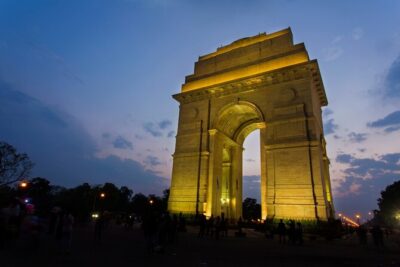 ★ 5.0Old & New Delhi City Tour – Choose Half or Full Day ExperienceFrom $384,513 reviews
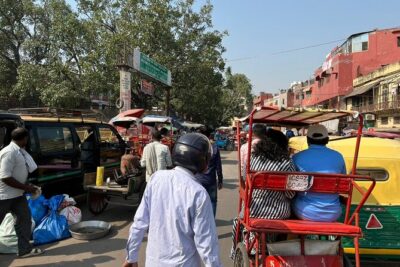 ★ 5.0Old & New Delhi Private Tour – Half or Full Day (Rated Excellent)From $202,226 reviews
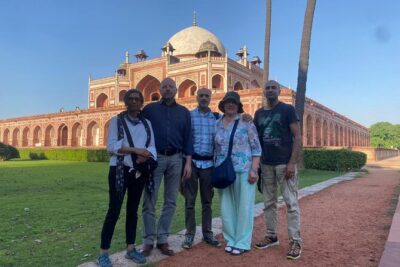 ★ 5.0Old & New Delhi Full or Half Day Sightseeing TourFrom $241,900 reviews
 ★ 5.0Old and New Delhi Guided Full or Half-Day TourFrom $20976 reviews
 ★ 5.0Old & New Delhi Private City Tour – Traveler’s Choice (Top Rated)From $13746 reviews
 ★ 5.0Old Delhi Food, Heritage&Cultural Walk with Rickshaw ride to Masterji Kee HaveliFrom $52742 reviews
 ★ 5.0Full-Day Private Old and New Delhi Combo TourFrom $20625 reviews
Browse the lists this tour appears in