
REVIEW · VARANASI GHATS AND GANGA AARTI
Varanasi: Ancient ghat walk tour with local guide
Varanasi feels real the moment you step onto the ghats. This 2-hour walk threads together a private guide and some of the city’s most meaningful temple-and-river scenes, from calm Assi Ghat beginnings to the big energy of Dashashwamedh. I love how the route mixes spiritual sites with history you can actually follow, and how the guide brings the places to life while keeping the pace manageable. One possible drawback: because it is not suitable for wheelchair users, you should expect uneven stone steps and tight lanes that can be tough if you have mobility limits.
The tour runs as a private group, starts and ends near Pizzeria Vaatika Cafe, and includes temple entry plus bottled water and chai or coffee. You get a live guide in Italian, Hindi, or English, and the plan includes skip-the-line temple time at the stops that matter most.
In This Review
- Key Highlights You’ll Care About
- The 2-Hour Ghat Circuit, Assi to Dashashwamedh
- Starting at Pizzeria Vaatika Cafe, then Into Temple Lanes
- Assi Ghat: A Serene Beginning That Sets the Tone
- Lolark Kund: Darshan, Fertility Blessings, and a Photo Moment
- Jain Temple Stop: Seeing Faiths Side by Side
- Durga Kund Temple, the Monkey Temple and Its Red Color
- Kedareshwar Ghat and the Lord Shiva Temple Feeling
- Harishchandra Ghat: Old Cremation Ghat, Observed Respectfully
- Manikarnika Ghat: Another Look at Ritual Life
- Dashashwamedh Ghat: The Famous Finale and Market Time
- Price and Value: What $26 Buys You in Varanasi
- Who This Tour Suits Best (and Who Should Reconsider)
- Should You Book This Varanasi Ghat Walk Tour?
- FAQ
- How long is the Varanasi ancient ghat walk tour?
- Where does the tour start and end?
- What is included in the price?
- What languages does the live guide speak?
- Do I need to carry identification?
- Is the tour wheelchair accessible or suitable for very elderly visitors?
Key Highlights You’ll Care About
- Assi Ghat to Dashashwamedh in 2 hours, so you see both quiet and iconic Varanasi
- Lolark Kund and Durga Kund Temple (Monkey Temple), with fertility symbolism and photo time at Lolark Kund
- Kedareshwar Ghat and Shiva temple atmosphere, plus a route shaped around Kashi devotees
- Harishchandra Ghat and Manikarnika Ghat rituals, viewed respectfully from the right distance
- A guide who can tailor things, with praised flexibility for family needs and added temple coordination like Kashi Vishwanath Temple when possible
- Optional Ganga Aarti at Dashashwamedh if your timing lands in the evening
More time on the Varanasi ghats
The 2-Hour Ghat Circuit, Assi to Dashashwamedh
This is a short walk, but it is not random. The whole point is a focused circuit that gives you contrast: starting at Assi Ghat, moving through temple-focused moments, then landing at Dashashwamedh Ghat, where the city’s river life becomes the headline. In just two hours, you get a good sense of how Varanasi is organized around devotion, daily routines, and public ritual space.
I like that the route is built for walking and understanding, not for rushing. You move from place to place with a guide who explains what you are seeing, rather than just letting you guess. And because it is private, the pace can usually match your group.
The one tradeoff with a tight, temple-and-ghat route is that there is less time for wandering on your own. If you love lingering, this plan can feel structured. Still, for most first-time visitors, it is a strong way to get oriented fast without turning the day into a marathon.
Starting at Pizzeria Vaatika Cafe, then Into Temple Lanes
Your morning or evening begins at Pizzeria Vaatika Cafe, then you head into the ghat zone on foot. Using a recognizable meeting spot helps, especially in Varanasi where streets and lanes can feel confusing until you have a local beside you.
From the start, you have the practical setup that matters for a walk: bottled water is included, and you get chai or coffee as part of the experience. Those small comforts count, because the tour is only two hours and you do not want to lose time hunting for drinks.
It is also a private group, which makes the “start” feel calm. You are not trying to squeeze into a crowded formation, and your guide can point out what to watch for as you go.
If you have a language preference, the guide can work in Italian, Hindi, or English. In the feedback, Italian came up as a standout, and that can genuinely change how well you follow temple stories and local explanations.
Assi Ghat: A Serene Beginning That Sets the Tone
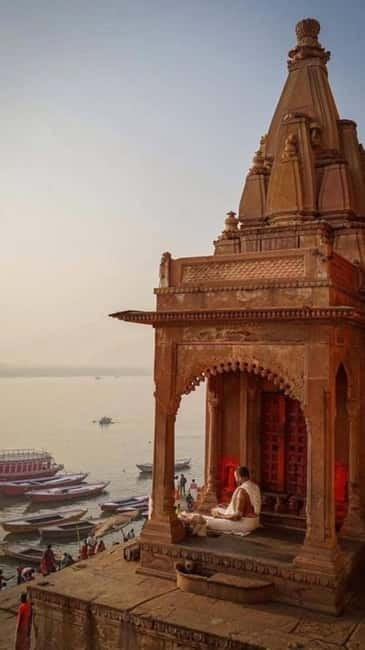
Assi Ghat is where the tour starts, and it is a smart choice. It is described as serene and less crowded, which helps you ease into Varanasi instead of getting hit immediately by the busiest river areas.
As you walk along the riverside at the beginning, you are not just moving for movement’s sake. This stretch is meant to settle your senses and help you understand why people come down to the water. You get that first look at the spiritual ambiance that makes the rest of the route click.
What I like most here: you begin with context. When you later reach larger, more famous ghats, you already understand what the river means in daily life and devotion.
- The Ultimate 1 Day in Varanasi – How to Spend 13 Hours – Private Guided Tour★ 5.0 · 295 reviews
- A Journey of A lifetime★ 5.0 · 272 reviews
- Varanasi: Hidden Secrets of Vibrant Tradition (Guided Tour)★ 4.9 · 176 reviews
- Private Heritage and Spiritual Walk Tour – Varanasi Kashi★ 5.0 · 172 reviews
- 3 Hour Walking Tour of Buddhism in Sarnath★ 5.0 · 160 reviews
Lolark Kund: Darshan, Fertility Blessings, and a Photo Moment
Next comes Lolark Kund, a sacred well tied to fertility and blessings. This stop is different from the big postcard ghats because it is more focused and symbolic, and it gives you a calmer kind of understanding.
You get guided darshan, and the tour includes time associated with observation and photography here. That matters, because you are not just “passing by” another monument, you are learning how locals relate to this place.
This is also a good reminder that Varanasi is not only about riverfront rituals and major temples. It includes many small, meaningful sacred points, and a guide helps you notice them without turning the experience into a scavenger hunt.
Jain Temple Stop: Seeing Faiths Side by Side
After Lolark Kund, you pass through a Jain Temple stop for sightseeing. Even within a short walk, this gives you a wider picture of religious life in the area.
I like including this kind of contrast because it prevents the tour from becoming one-note. Instead of only Shiva and Durga-focused stops, you get a chance to see how different traditions shape the spiritual geography.
You also get a practical benefit: a temple stop like this breaks the walk rhythm. It gives you something to focus on with your eyes and your guide’s explanations, rather than only following the riverline.
Durga Kund Temple, the Monkey Temple and Its Red Color
Then you move to Durga Kund Temple, famously called the Monkey Temple. In this tour, the guide points out its striking red color and its historic significance.
This stop tends to land well for two reasons. First, it is visually memorable. Second, it gives you a clear devotional focus tied to Goddess Durga, so your guide can connect symbolism, temple character, and local storytelling.
One consideration: temple zones can mean animals nearby, and the name itself hints at that. Your guide will keep you on the right path, but if you are uncomfortable around animals, tell them up front so you can plan your comfort level during this segment.
Kedareshwar Ghat and the Lord Shiva Temple Feeling
From Durga Kund, the walk continues to Kedareshwar Ghat, with a visit to the Lord Shiva temple there. This is where the tour leans into Kashi devotee life.
You get time to admire the architecture and absorb the spiritual ambiance around the ghat and temple space. This stop feels like a bridge. Earlier, you explored symbolic sites like Lolark Kund and a major goddess temple. Now you settle into a Shiva-focused moment that ties directly to the city’s long devotion to Kashi.
What you’ll gain here: a better sense of how the ghats function as more than scenery. They are part of an active religious system.
Harishchandra Ghat: Old Cremation Ghat, Observed Respectfully
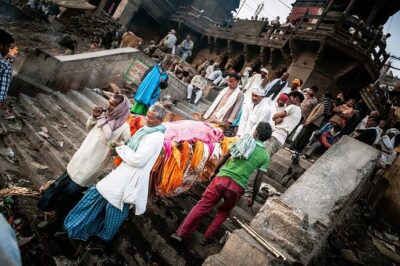
Next is Harishchandra Ghat, described as one of the oldest cremation ghats of Varanasi. This part can be emotionally serious, so the tour frames it as observing rituals from a respectful distance.
The wording matters. You are not there to gawk. You are there to understand how public ritual space works in a place where the river is tied to belief, remembrance, and ceremony.
If you have a sensitive stomach or strong feelings about death rituals, it is worth bracing mentally. Even when you view from a distance, the setting is unmistakably somber.
That said, I appreciate tours like this when they handle the topic with care. A good guide helps you stay respectful, keeps the experience educational, and prevents the whole thing from turning into discomfort that feels pointless.
Manikarnika Ghat: Another Look at Ritual Life
After Harishchandra, the tour also includes Manikarnika Ghat for guided sightseeing. Like Harishchandra, this is one of the key cremation areas in Varanasi, and you are led to the right viewpoints for seeing without disrespect.
This adds depth because it gives you a sense of how different ghat spaces contribute to the wider ritual ecosystem. When you are only hearing about cremation ghats from photos, it is hard to understand scale and meaning. Seeing both Harishchandra and Manikarnika, with a guide, helps you connect the dots.
Again, the emotional weight stays real. If you are traveling with older family members, communicate in advance. Based on feedback, guides such as Anmol have been praised for customizing the visit for parents and coordinating extra temple attention when appropriate.
Dashashwamedh Ghat: The Famous Finale and Market Time
Finally, the route arrives at Dashashwamedh Ghat, described as the most famous ghat in Varanasi. This is where the tour shifts from quieter, temple-and-symbol focus into riverfront visibility and social flow.
You get a chance to witness active life along the river and explore nearby markets. Even in a short visit, that means you are not only learning about faith, you are also seeing how people live around the sacred spaces.
And if your timing is right, you can stay for the Ganga Aarti. It is described as highly recommended, and this is usually the moment when a ghat walk turns from informative to unforgettable.
Practical tip: if you want the Aarti, keep your expectations realistic about crowds and standing. The tour includes sightseeing time around Dashashwamedh, so you have a built-in window to decide whether to linger for the ceremony.
Price and Value: What $26 Buys You in Varanasi
At $26 per person for a 2-hour private experience, this tour is priced more like a service than a sightseeing “deal.” You are paying for a local guide, temple entry, bottled water, and chai or coffee, plus skip-the-line temple access.
That is what makes it good value. Without a guide, you would still be doing the walking, but you would likely spend extra time figuring out what each place means, where to stand, and when it is appropriate to take photos or move on. Here, that guidance is included.
The private-group format also matters. You get live interpretation in Italian, Hindi, or English, and your group is not stuck following someone else’s schedule. Feedback includes praise for guides being polite, accommodating, and able to answer questions beyond the strict route.
One more value note: the tour can be flexible. In feedback, a guide named Anmol was praised for coordinating a seamless extra visit to Kashi Vishwanath Temple even though it was not part of the standard plan. Not every day will be the same, but it signals the tour’s potential responsiveness.
Who This Tour Suits Best (and Who Should Reconsider)
This tour is a strong fit if you want a guided, temple-and-ghat introduction to Varanasi in just two hours. It is especially good for first-timers who feel overwhelmed by the scale of the city and want a clean route from Assi Ghat to Dashashwamedh.
It is also a decent choice for couples or small groups because it is private and language-friendly. If you are traveling with family members, pay attention to this: feedback highlights accommodation for parents, and that suggests guides pay attention to pacing and comfort.
Not sure it is for you if mobility is an issue. It is explicitly not suitable for wheelchair users, and it is not suitable for people over 95 years. If you are in either category, you might want a different plan with fewer stairs and shorter movements.
Should You Book This Varanasi Ghat Walk Tour?
I would book it if you want structure, context, and a spiritual focus without turning your day into a full tour day. The route makes sense, the included guide support is the real value, and the mix of Assi Ghat, temple moments like Lolark Kund and Durga Kund Temple, and the more serious cremation-ghat segments gives you a rounded picture of Varanasi.
I would skip it if your ideal day is mostly free roaming with no emotional weight. This walk includes cremation-area viewing, and even with respectful distance, it is still part of the experience.
If your main goal is orientation plus meaningful stops, this private 2-hour walk is exactly the kind of start that helps you enjoy the rest of Varanasi on your own.
FAQ
How long is the Varanasi ancient ghat walk tour?
The tour lasts 2 hours.
Where does the tour start and end?
The experience starts at Pizzeria Vaatika Cafe and returns to the same place.
What is included in the price?
Included items are the temple tour, an experienced local guide, bottled water, temple entry, and chai or coffee.
What languages does the live guide speak?
The guide speaks Italian, Hindi, and English.
Do I need to carry identification?
Yes. You need to carry a copy of your ID or passport.
Is the tour wheelchair accessible or suitable for very elderly visitors?
No. It is not suitable for wheelchair users, and it is not suitable for people over 95 years.
The Ghats at Varanasi, More Reviews



Recently reviewed across Varanasi
- Varanasi: Sunrise Boat Tour and Heritage Walk with transfers
★ 5.0 · 10 reviews - Varanasi Mysteries Walk: A Journey through Life and Death
★ 5.0 · 10 reviews - Omvity’s Full-Day Varanasi Tour: Sunrise Boat to Sunset Aarti
★ 5.0 · 10 reviews - Cycle of Life, Death & Rebirth (2 Hours Guided Walking Tour)
★ 4.5 · 10 reviews - Varanasi: Private Heritage Walking Tour & Sunrise Boat Ride
★ 4.9 · 11 reviews - Varanasi: Ganga Arti Evening Light Ceremony on the Main Ghat
★ 4.1 · 11 reviews
Varanasi Ghats and Ganga Aarti, compared.
 ★ 4.8Full Day City Highlights Day Tour & Ganges CruiseFrom $61520 reviews
 ★ 5.0Hidden Secrets of Varanasi: Vibrant Tradition (Guided Tour)From $24429 reviews
 ★ 5.0Sunrise Boat Tour with Arti CeremonyFrom $31375 reviews
 ★ 5.0Banaras Wala ToursFrom $13329 reviews
 ★ 5.0The Ultimate 1 Day in Varanasi – How to Spend 13 Hours – Private Guided TourFrom $65295 reviews
 ★ 4.9Hidden Secrets of Vibrant Tradition (Guided Tour)From $16176 reviews
 ★ 5.0Private Heritage and Spiritual Walk Tour – Varanasi KashiFrom $24172 reviews
 ★ 4.5Varanasi Landmark Evening City Tour – Aarti, Boating & Witnessing the GODFrom $31149 reviews
Browse the lists this tour appears in