
REVIEW · VARANASI GHATS AND GANGA AARTI
Varanasi Day Tour with Temples & Ganga Aarti – Dawn to Dusk
Dawn on the Ganges sets the tone. From 5:30am pickup, this one-day plan strings together an old-town walk, a sunrise boat ride, temple stops, Sarnath, and the evening Ganga Aarti. It is long, but it is also one of the fastest ways to experience Varanasi’s religious rhythms without wasting time.
I love the sunrise boat ride because it turns the ghats from background scenery into the main event. I also like the Sarnath sequence, where you move from Buddha-related sites to Ashoka-era monuments at a steady pace.
One possible drawback: it is a 14-hour day, with early mornings and plenty of walking through narrow streets and temple areas. If you prefer slow sightseeing, or you do not do well with crowds, plan for an extra-tired evening.
In This Review
- Key highlights worth waking up for
- How the day runs, from pickup at 5:30am to the evening Aarti
- Banaras Ghats at sunrise: why this morning stop matters
- Dashashwamedh, temples, and the Shiva-first rhythm of old Varanasi
- Banaras Hindu University: a breathing space inside the sacred schedule
- Sarnath: Buddha’s first sermon and Ashoka-era monuments you can actually place
- Evening Ganga Aarti at Dashashwamedh Ghat: what you will notice first
- Price and logistics: is $128 good value for this much ground?
- Who should book this tour, and who might prefer a slower plan
- Should you book Varanasi Day Tours dawn to dusk?
- FAQ
- What time does the tour start?
- How long is the Varanasi day tour?
- Is pickup and drop-off included?
- Are the boat rides included?
- Is food included in the price?
- Is the tour private?
Key highlights worth waking up for
- Sunrise at the Banaras ghats, plus an evening return for the Aarti scene
- Dashashwamedh Ghat as the star setting, including the famous lamps-and-mantras ceremony
- Kashi Vishwanath Temple circuit focused on Lord Shiva, plus several nearby temples
- Sarnath’s Buddha-first-sermon sites, including Ashoka landmarks and a site museum
- Guides and logistics that keep you moving, including named guides like Vinod and Indrajeet
More time on the Varanasi ghats
How the day runs, from pickup at 5:30am to the evening Aarti
Your day starts early, with pickup around 5:30am in a private AC car, then you spend roughly 14 hours on the go. The tour is private, meaning it is just your group, and it includes a professional guide (the provider says they use licensed guides for safe, honorable tourism).
This matters in Varanasi. The city is not just monuments on a map. It is lanes, crowds, priests, pilgrims, boats, and timing that can shift based on conditions. A good guide helps you get the order right, so you see the big moments like the ghats at dawn and the Ganga Aarti later at night, without turning your day into constant problem-solving.
You also get two boat rides included: one in the morning at sunrise and one later in the day leading you back toward the evening ceremony. Boat time plus temple time plus walking time is what makes this feel full, and also why it is a smart fit if you have limited time.
If your flight or schedule is messy, this style of tour can be a lifesaver. In the experiences shared with this company, guides such as Indrajeet and Vinod are praised for smooth coordination and flexibility when plans change.
Banaras Ghats at sunrise: why this morning stop matters
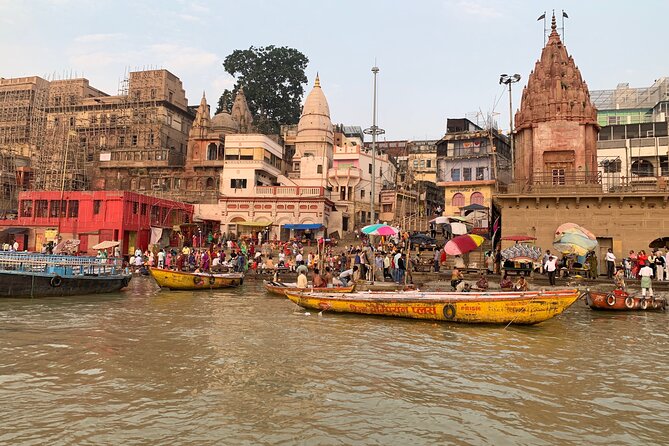
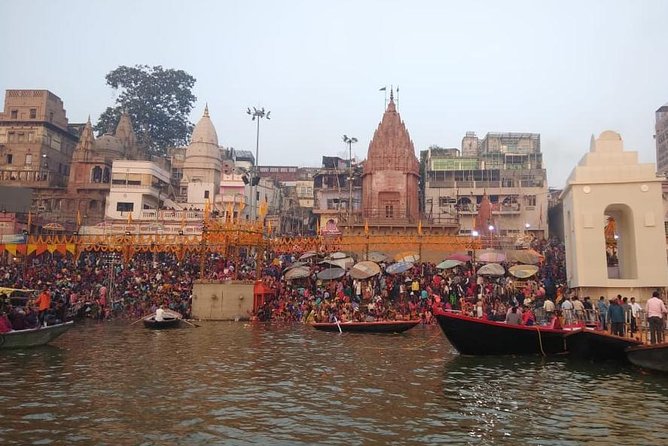
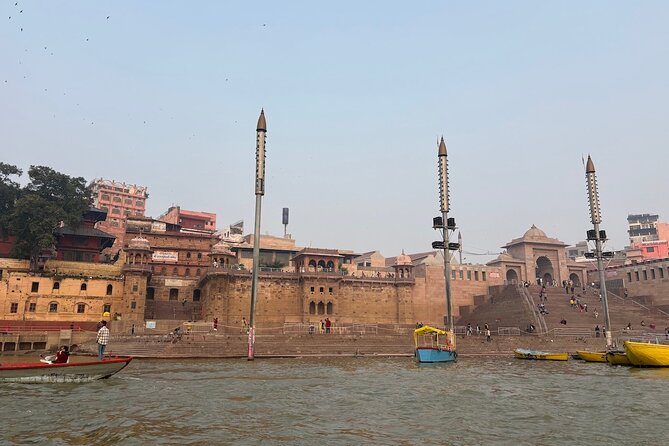
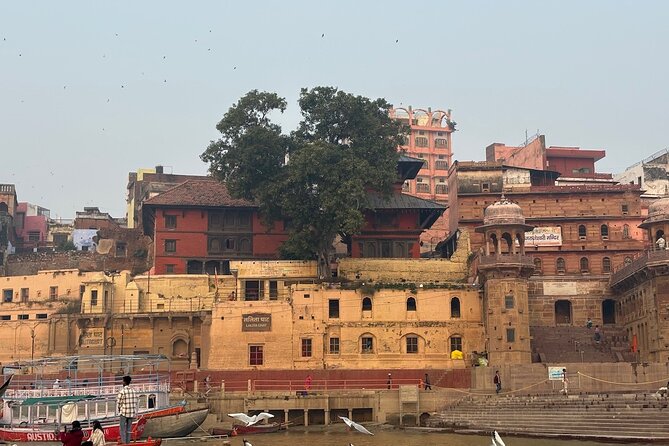
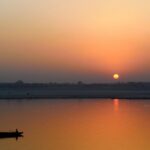
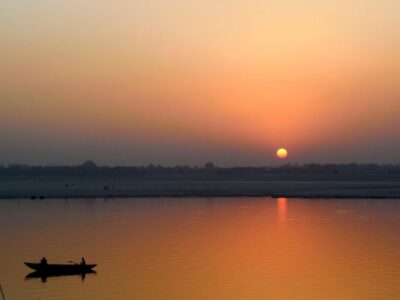
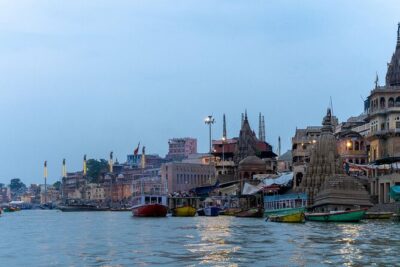
The first real “wow” is the Banaras Ghats portion, centered on the Ganges Riverfront. The main attraction here is the sunrise boat ride, timed so you can watch daily life wake up along the steps and river edges.
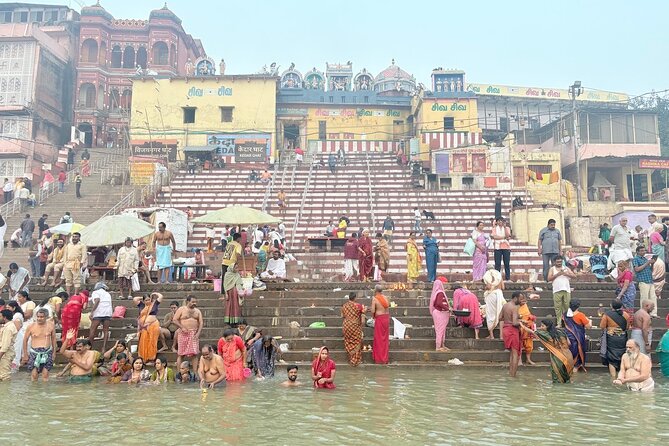
Think of the ghats as a layered stage. You see pilgrims moving with purpose, people washing, locals going about routines, and priests working near the water. Even if you have read about Varanasi, sunrise is when the riverfront feels most alive. The light is softer, and the mood is more focused.
Your route includes several named ghats:
- Dashashwamedh Ghat, described as the main and most spectacular ghat in Varanasi. It is tied to two Hindu legends about welcoming Lord Shiva and Brahma’s role in creating it.
- Kedar Ghat, another key riverfront stop along the ghat steps.
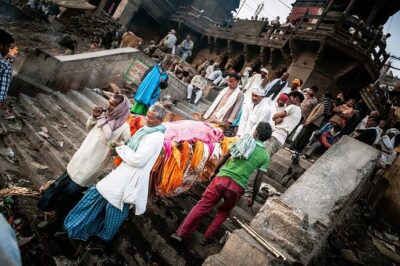
- Manikarnika Ghat, the main burning ghat. This is the place where cremations take place, and the tour route explains that bodies are handled by specific community members known as doms, carried through old-town alleyways.
That last part is the reality check. You are not touring a theme park. Manikarnika is a place of death rites, and it can be emotionally heavy. I like that this tour does not pretend it is all light and color. If you are sensitive, you should mentally prepare for that moment, and you should follow your guide’s direction on where to stand and when to move on.
Practical tip that fits the day: wear shoes that can handle uneven ground and crowds. You will be walking and repositioning a lot, especially near river edges and temple entry points.
Dashashwamedh, temples, and the Shiva-first rhythm of old Varanasi
After the morning river time, the day shifts into temple Varanasi, starting with Shri Kashi Vishwanath Temple, often called the Golden Temple (it is dedicated to Lord Shiva). You get about 20 minutes at this stop, and the admission is listed as free.
This is a major choice point for many travelers. Kashi Vishwanath is one of those places where devotion is not a side story. It is the whole show: chants, bells, offerings, and constant movement. A tight time window means you should decide what you want most from the visit: quick visuals, time for quiet observation, or photo angles that do not interfere with worship. Your guide can help you pick the right moments without pushing you through like a conveyor belt.
Then you move on to a set of nearby temples that give the day a more three-dimensional feel:
- Durga Temple (Durga Mandir), built in the 18th century by Rani Bhabani of Natore. It also connects to a nearby kund (pond) in the description of the site.
- Sankat Mochan Hanuman Temple, dedicated to Hanuman, associated with the preacher-poet saint Sri Goswami (as listed in the tour details).
- Bharat Mata Temple, a special variation: instead of traditional statues, it presents the idea of Mother India through a temple format described as featuring an image or relief concept rather than typical deity idols.
These short stops are useful because they prevent the day from becoming one single devotional theme. Yes, the Shiva focus is strong, but you also get Durga, Hanuman, and Bharat Mata in the same old-town flow. That mix helps you understand Varanasi as a place where multiple strands of belief coexist side by side.
- The Ultimate 1 Day in Varanasi – How to Spend 13 Hours – Private Guided Tour★ 5.0 · 295 reviews
- A Journey of A lifetime★ 5.0 · 272 reviews
- Varanasi: Hidden Secrets of Vibrant Tradition (Guided Tour)★ 4.9 · 176 reviews
- Private Heritage and Spiritual Walk Tour – Varanasi Kashi★ 5.0 · 172 reviews
- 3 Hour Walking Tour of Buddhism in Sarnath★ 5.0 · 160 reviews
Banaras Hindu University: a breathing space inside the sacred schedule
One of the more interesting “breaks” in the day is the stop at Banaras Hindu University (BHU). It is described as an internationally reputed place of learning and is linked in the provided details to the nationalist leader Pandit Madan Mohan Malaviya.
Even though BHU is not the kind of stop people talk about like a temple landmark, it functions as a mental reset. After river sights and tight lanes, you get a different pace and a different kind of place to look at. You are not just switching locations, you are switching sensory experience: from crowds and chants to grounds and buildings, still within Varanasi but not directly on the ghats.
If you are visiting for the first time and you only have one day, this kind of contrast is valuable. It keeps your brain from turning everything into one long blur of religious activity.
Sarnath: Buddha’s first sermon and Ashoka-era monuments you can actually place
Sarnath gets about 3 hours in the plan, and that time is important. Here you are moving from Varanasi’s Hindu religious landscape into the Buddhist story, starting with the core idea: Sarnath is where Buddha chose to deliver his first sermon, making it a major pilgrimage site.
You will see a sequence of monuments that are easier to understand when grouped:
- Chaukhandi Stupa, described as one of the most divine and important Buddhist monuments.
- Dhamek Stupa, described as marking the spot where the Buddha preached his first message, built by the Mauryan king Ashoka in the 3rd century BCE.
- Dhammarajika Stupa, built over Buddha relics by Ashoka in the 3rd century BCE.
- Ashoka Pillar, part of Ashoka’s pillar network across the subcontinent, erected or inscribed with edicts during his reign.
You also visit the Sarnath Museum. The provided details call it the oldest site museum of the Archaeological Survey of India, with findings and excavations from Sarnath displayed. This is where the visit clicks for many people. Monuments are powerful, but a museum helps you connect what you are seeing to what has actually been found on-site.
The tour description also notes connections beyond Buddhism, including Jainism. Even if you only care about the Buddhist angle, it is good context: Sarnath is not a single-story setting.
Two practical notes for this section:
- Wear sun-friendly gear. You can spend a long time outdoors.
- Let your guide give the links between sites. Without that, stupa and pillar details can start to feel like labels.
Evening Ganga Aarti at Dashashwamedh Ghat: what you will notice first
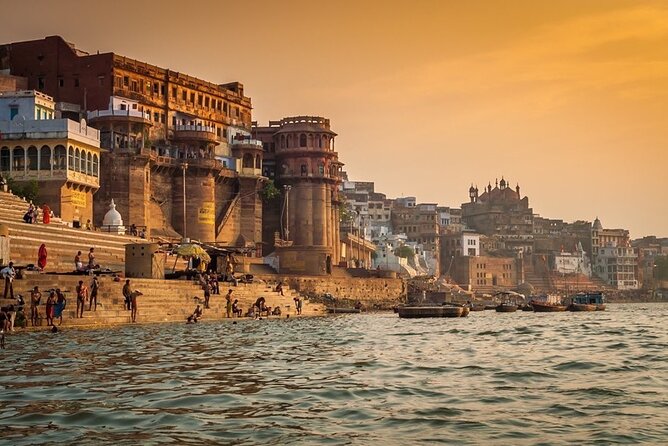
The day ends with Ganga Aarti, scheduled for about 1 hour, and tied directly to Dashashwamedh Ghat as the setting where the ceremony is performed every evening.
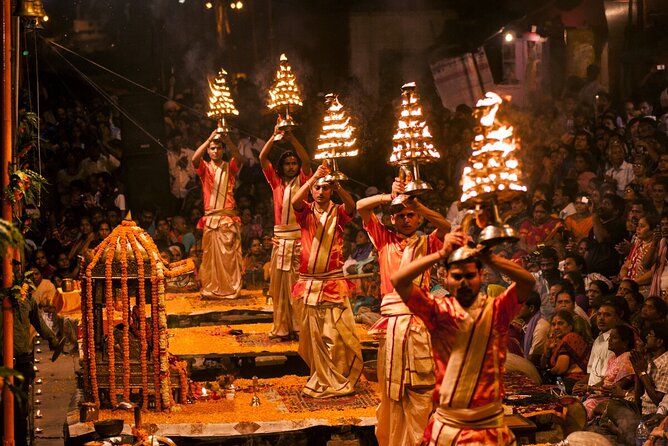
This part is where Varanasi’s spiritual life becomes pure performance. Aartis are songs sung in praise of the deity when offering lamps, and for the Ganga version, the river itself is worshipped as goddess.
The tour description also gives a useful breakdown of what the ceremony feels like: mantra recitation accompanied by bells, drums, and cymbals. In other words, this is not just visual. It is rhythm, call-and-response energy, and sound moving through the air above the water.
You will likely appreciate the order of the day here. After seeing the river at sunrise, you come back for the evening ceremony with the right mental reference. The ghats stop being abstract steps and start behaving like a stage with different scenes.
One honest consideration: evening ceremonies can be intense in a sensory way. If you are sensitive to noise or large crowds, set expectations that you will need patience, and you will want to follow your guide for the best viewing approach.
Price and logistics: is $128 good value for this much ground?
At $128 per person for a roughly 14-hour day, the value comes from bundling. This price includes:
- Hotel pickup and drop off via private AC car
- Professional guide (licensed, per the provider)
- Boat rides in both morning and evening
- All taxes, fees, and handling charges
- An Experiences brokerage fee
That is a lot of moving pieces. If you tried to recreate this on your own, you would pay for transportation, a guide, and at least one boat experience, and then still wrestle with timing between temples, Sarnath, and the evening Aarti.
What is not included matters too:
- Food and drinks
- Tips
- Entrance fees for temples or personal expenses on rituals
In the itinerary details, some stops list admission free or ticket included, like Kashi Vishwanath and several Sarnath monuments. But the package also states that temple/ritual entrance fees can be excluded depending on the specific site or expense. I suggest you plan your budget with extra room for meals and any small on-site costs.
The other value angle is time. This is built for travelers who want the big, named moments: key ghats, major Shiva temple, a set of classic temples, then the Buddha-first-sermon sites in Sarnath, and finally the Aarti experience.
Who should book this tour, and who might prefer a slower plan
This tour is a strong match if you:
- Have limited time and want Varanasi and Sarnath in one day
- Enjoy structured sightseeing with a guide who handles timing and movement
- Want both Hindu and Buddhist context, not just one side
It is also a good match if you like walking with purpose. The day includes a guided old-town experience through narrow lanes and temple areas, plus ghats where you reposition and observe from the right angles.
You might want a different option if you:
- Struggle with long days and early starts
- Do not do well with crowd noise and religious ceremony intensity
- Prefer minimal walking
One more note I think is important: Varanasi is a place where daily life and spiritual practice coexist. The tour includes a stop at Manikarnika Ghat, the cremation ghat. That is meaningful and historically significant, but it can also be emotionally confronting. If you are unsure, talk with your guide beforehand about your comfort level and where you should stand.
Should you book Varanasi Day Tours dawn to dusk?
If your priority is to get the main Varanasi story, this is a sensible plan. You cover riverfront life, major Shiva worship at Kashi Vishwanath, a set of classic temples, then Sarnath’s Buddha-first-sermon sites plus Ashoka-era monuments, and you end with the Ganga Aarti at Dashashwamedh Ghat.
I also like the guide quality pattern that shows up in the experiences associated with this provider. Names like Vinod, Indrajeet, Akash, Vineet Pandey, and Jai Prakash Mishra are linked with clear storytelling, smooth logistics, and attention to making the day work when schedules change.
Book it if you can handle a full day outdoors and on your feet. Skip it if you want a relaxed pace or you are not ready for the cremation ghat reality at Manikarnika.
FAQ
What time does the tour start?
The tour start time is 5:30am.
How long is the Varanasi day tour?
The duration is about 14 hours.
Is pickup and drop-off included?
Yes. You get hotel pickup and drop-off by a private AC car.
Are the boat rides included?
Yes. The tour includes morning and evening boat rides.
Is food included in the price?
No. Food and drinks are not included.
Is the tour private?
Yes. It is listed as a private tour/activity, so only your group participates.
The Ghats at Varanasi, More Reviews


Recently reviewed across Varanasi
- Varanasi: Sunrise Boat Tour and Heritage Walk with transfers
★ 5.0 · 10 reviews - Varanasi Mysteries Walk: A Journey through Life and Death
★ 5.0 · 10 reviews - Omvity’s Full-Day Varanasi Tour: Sunrise Boat to Sunset Aarti
★ 5.0 · 10 reviews - Cycle of Life, Death & Rebirth (2 Hours Guided Walking Tour)
★ 4.5 · 10 reviews - Varanasi: Private Heritage Walking Tour & Sunrise Boat Ride
★ 4.9 · 11 reviews - Varanasi: Ganga Arti Evening Light Ceremony on the Main Ghat
★ 4.1 · 11 reviews
Varanasi Ghats and Ganga Aarti, compared.
 ★ 4.8Full Day City Highlights Day Tour & Ganges CruiseFrom $61520 reviews
 ★ 5.0Hidden Secrets of Varanasi: Vibrant Tradition (Guided Tour)From $24429 reviews
 ★ 5.0Sunrise Boat Tour with Arti CeremonyFrom $31375 reviews
 ★ 5.0Banaras Wala ToursFrom $13329 reviews
 ★ 5.0The Ultimate 1 Day in Varanasi – How to Spend 13 Hours – Private Guided TourFrom $65295 reviews
 ★ 4.9Hidden Secrets of Vibrant Tradition (Guided Tour)From $16176 reviews
 ★ 5.0Private Heritage and Spiritual Walk Tour – Varanasi KashiFrom $24172 reviews
 ★ 4.5Varanasi Landmark Evening City Tour – Aarti, Boating & Witnessing the GODFrom $31149 reviews
Browse the lists this tour appears in