
REVIEW · VARANASI GHATS AND GANGA AARTI
Varanasi: Ganges River Sunrise and Morning Walking Tour
Dawn at the Ganges changes your pace. This Varanasi morning walking tour strings together Assi Ghat and multiple key Ganga ritual points, from the Aarti before sunrise to the busy steps and side lanes just after. It is built for people who want meaning, not just a photo stop.
I especially love how the day is paced around rituals you can actually see, starting with the morning Aarti and then moving through the ghats at human speed. The second win for me is the guide factor, since a good guide like Shivam can turn Hindu traditions into clear, everyday explanations you can follow without needing a crash course. You also get breakfast built in, so you are not hunting for food while your eyes are still half asleep.
The main drawback is simple: it is an early start, and one stop, Manikarnika Ghat, is emotionally heavy. If you do not do well with intense ritual scenes or you are traveling with limited mobility, you will feel this morning tour more than you would like.
In This Review
- Key things that make this tour worth your time
- Why Varanasi’s ghats feel different at sunrise
- Assi Ghat before dawn, where the Ganga Aarti sets the tone
- The guided walk by the river, your shortcut through sensory overload
- Tulsi Ghat and the nearby quiet option
- Dashashwamedh Ghat, where ritual and crowd energy meet
- Manikarnika Ghat: solemn witnessing with the right mindset
- The lanes behind the ghats, where Varanasi looks like daily life
- Breakfast stop, what to order when you are running on early-morning fuel
- Price and value: why $16 can make sense here
- Practical tips you will actually use at 5-something a.m.
- Who should book, and who should skip this sunrise walking plan
- Should you book this Varanasi Ganges sunrise and morning walk?
- FAQ
- How long is the tour?
- What is included in the experience?
- Which ghats will the tour visit?
- Is a sunrise boat ride included?
- Do I get pickup to Assi Ghat?
- What should I bring, and what is not allowed?
- Who is this tour not suitable for?
Key things that make this tour worth your time
- Assi Ghat Ganga Aarti before sunrise puts you close to the most famous morning ritual energy.
- Walking route along the riverbank gives you a slower, more human look than standing still.
- Tulsi Ghat and the option for nearby stops help you see a quieter side of the river world.
- Dashashwamedh Ghat rituals and foot traffic show you why this city never fully sleeps.
- Manikarnika Ghat with respectful context helps you understand the significance, not just the spectacle.
- Breakfast at a local eatery means you can refuel after the walking and early ceremony.
More time on the Varanasi ghats
Why Varanasi’s ghats feel different at sunrise
If you only visit Varanasi later in the day, you miss the mood shift. Morning changes everything. The river looks calmer, the air feels cooler, and the ceremonies happen when the city is still stretching awake.
On this tour, you are not just collecting landmarks. You are moving through ghat life in a logical flow: first the morning Aarti moment, then a walk that keeps you close to the river steps, and finally the most crowded and the most solemn ritual areas. That sequencing matters, because it helps your brain switch from awe to understanding.
Also, you are walking through the lanes behind the ghats. Those narrow streets are where daily life happens, where shop fronts and small temples sit cheek by jowl with morning work. It is not quiet and it is not tidy, but it is real.
Assi Ghat before dawn, where the Ganga Aarti sets the tone
You start at Assi Ghat before sunrise to catch the morning Ganga Aarti. The ceremony typically begins just before dawn and runs as the sun starts to lift. This timing is the whole point. When the light is low, you see more than you photograph. You hear chants, you notice the rhythm of movement, and you feel that collective focus that people come for.
What I like is that the tour does not treat the Aarti as a random event. It is framed as the start of your day’s river understanding. And because the Aarti happens before the crowds really thicken, you are more likely to experience the ceremony without feeling like you are squeezed into a viewing line.
One practical note: photography has restrictions in some spots, and flash photography is not allowed. So you will want your camera ready, but also ready to put it away. The ceremony is worth experiencing with your eyes first.
The guided walk by the river, your shortcut through sensory overload
After the Aarti, you shift from ceremony to movement. You walk along the riverbank during the sunrise atmosphere, which is when Varanasi feels most balanced. The river is the anchor, and your guide keeps your attention on what you are seeing and why it matters.
A walking format is a smart way to handle a place like Varanasi. Instead of trying to figure out which steps to visit on your own, you get a route that links key ghats. You also get “translation time” where your guide can explain what is happening around you, not hours later when you have already lost the details.
You will also pass through the energy of early morning commerce and religious activity. You might notice local vendors, people preparing for the day, and regular visitors heading to the water. Even if you think you know what a ghat is, this kind of slow walk makes it click. You start to see how the river is both spiritual center and everyday workplace.
- The Ultimate 1 Day in Varanasi – How to Spend 13 Hours – Private Guided Tour★ 5.0 · 295 reviews
- A Journey of A lifetime★ 5.0 · 272 reviews
- Varanasi: Hidden Secrets of Vibrant Tradition (Guided Tour)★ 4.9 · 176 reviews
- Private Heritage and Spiritual Walk Tour – Varanasi Kashi★ 5.0 · 172 reviews
- 3 Hour Walking Tour of Buddhism in Sarnath★ 5.0 · 160 reviews
Tulsi Ghat and the nearby quiet option
Next you head toward Tulsi Ghat, which offers a calmer rhythm compared with the busiest waterfront steps. The mood here can feel more contemplative, and you get a chance to slow down again after the Aarti intensity.
There is also an optional nearby stop connected with Tulsi Manas Mandir, if you want to take that extra step. This is the kind of choice that suits different travel styles. If you like quiet corners and smaller religious spaces, you can lean into it. If you prefer to keep moving, you can stay focused on the main ghat flow.
The value of adding Tulsi Ghat is not that it is the biggest name on a list. It is that it gives contrast. You see Varanasi as a system of places with different vibes, not just one famous river moment.
Dashashwamedh Ghat, where ritual and crowd energy meet
Then you reach Dashashwamedh Ghat, one of Varanasi’s most prominent and active ghats. This is where the city shows its volume. You see rituals performed, people gathering, and that constant motion that makes Varanasi feel alive.
This stop works well in a morning schedule because you are still early enough to experience the area without fully losing control of your attention. You are not only looking at people. You are watching the patterns, the sequence of actions, and the roles people play in the ritual setting.
A good guide is the difference between watching and understanding. This tour is set up with a live guide in English, Spanish, Italian, or French, and that language support really matters here. You will hear explanations as you move, not just a quick overview after you already walked away.
If you are sensitive to heavy crowds, you should mentally prepare for the density at Dashashwamedh. It is part of the experience, but you will want comfortable shoes and a steady head.
Manikarnika Ghat: solemn witnessing with the right mindset
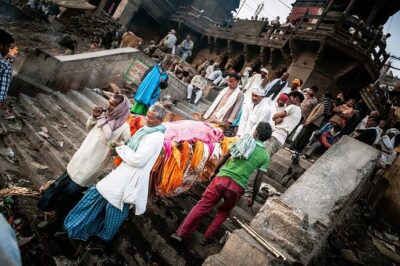
Later on, you visit Manikarnika Ghat, known for funeral pyres and funeral rituals. This is the stop that requires maturity and care. The tour is designed to help you understand the spiritual significance respectfully, but it is still a solemn scene.
Be realistic about your reaction. Some people feel overwhelmed. Others feel thoughtful and quiet. Either way, treat it as sacred ground. Do not chase shots, do not crowd people closer than necessary, and keep your behavior respectful.
If you are the type who needs distance from intense rituals, consider whether this is the right fit. The tour itself flags that the experience is not suitable for pregnant women and is not recommended for people with mobility impairments or wheelchair users. That is not a “maybe” situation. The route involves walking and areas where movement can be tight.
The lanes behind the ghats, where Varanasi looks like daily life
One of the best parts of this tour is that it does not stop at the river edge. You explore the narrow, busy lanes behind the ghats, where you will spot local shops, small eateries, and temples close together.
This is where you start to understand Varanasi beyond its postcards. The architecture looks old and tightly packed, and the street scenes show how people live with the river at the center of the city. You get those quick, memorable moments: a street interaction, a shop sign, a small shrine in a corner. It is not scripted. It is Varanasi happening.
It also helps you avoid the common trap of thinking you have “seen” Varanasi because you checked a few steps off a list. The lanes give you texture. They show you the in-between world that makes the ghats feel connected to real life.
Breakfast stop, what to order when you are running on early-morning fuel
You finish the walking with a breakfast stop at a local cafe or traditional eatery. This is practical, and it is also a great way to keep the day from turning into an expensive scavenger hunt.
The tour suggests you try local favorites like kachoris, jalebis, and chai. If you are unsure what to pick, start with chai and something fried or sweet. Breakfast here is not about dieting, it is about getting energy in a city where mornings move fast.
Also, you will appreciate the break because the day is front-loaded with attention. Even if you love travel, early ceremonies take focus. Breakfast gives you a reset moment where you can digest what you just saw, not just keep walking past it.
Price and value: why $16 can make sense here
At about $16 per person for a one-day guided experience, the big question is: what are you actually paying for?
You are paying for a lot of structure: a guide, early access to the morning Aarti at Assi Ghat, a guided walking route that hits multiple ghats including Tulsi Ghat, Dashashwamedh Ghat, and Manikarnika Ghat, plus breakfast. You are also getting convenience details like a pickup by e-rickshaw or tuk tuk to Assi Ghat.
You are not paying for a sunrise boat ride, and you are not getting passes for extra temples or monuments. That is fine, because the core value is the guided morning flow and the ability to understand what you are seeing as you see it.
If you tried to do this yourself, you would spend time figuring out the route, trying to interpret ceremonies, and coordinating timing around pre-dawn starts. Paying for a guide saves you friction, especially when the city feels complicated.
Practical tips you will actually use at 5-something a.m.
This tour asks for basic preparedness, and if you match the energy, it will feel easier.
Wear comfortable walking shoes. The ground near ghats and in lanes can be uneven, and you do not want sore feet at the moment the day turns emotional at Manikarnika Ghat.
Bring a hat, camera, cash, and a charged smartphone. You will also want your passport and an ID card as needed. You will be glad you have something to document the day because some locations have photography restrictions, and planning ahead helps.
Know what not to bring. Backpacks are not allowed. Plastic bottles are not allowed either, and flash photography is not permitted. If you need water, plan ahead around what is allowed for your specific moment.
Expect an early morning departure. This is not a relaxed “sleep in” kind of tour. If you like seeing Varanasi while it is still waking, you are in the right place.
The tour also includes a skip-the-line setup via a separate entrance, which helps reduce the worst of waiting. That saves energy for the moments that matter.
Who should book, and who should skip this sunrise walking plan
You should book this tour if you want a focused morning route through Varanasi’s key ritual spots, and you like having a guide explain what you are looking at. You will appreciate the language options, and you will benefit from a guide who communicates clearly and answers questions patiently.
It is also a good choice if you prefer walking over hopping between sites in a rushed way. The riverbank walk plus lane exploration gives you a fuller picture with less “bus ride to another view” fatigue.
You should think twice if you are pregnant or you have mobility limitations. The tour is not suitable for wheelchair users and it is not suitable for people with mobility impairments. The route involves walking and areas where access is not designed for easy movement.
Should you book this Varanasi Ganges sunrise and morning walk?
If you care about the meaning behind the ghats and you want to see Varanasi in its most time-sensitive mood, I think you will be happy with this tour. The combination of Assi Ghat Ganga Aarti, a guided riverbank walk, multiple major ghats, and a local breakfast at a set price is good value for a morning itinerary.
My main advice is emotional readiness. Be respectful at Manikarnika Ghat, stay flexible with photography limits, and treat the morning like an experience you are participating in, not a checklist.
If that sounds like your kind of travel, go for it. If you need comfort-first pacing or you avoid intense ritual scenes, consider choosing a different Varanasi day plan.
FAQ
How long is the tour?
The tour runs for 1 day. Starting times vary, so you should check availability to see when the morning tour begins.
What is included in the experience?
It includes the morning Ganga Aarti at Assi Ghat, a guided walk along the riverbank, visits to Tulsi Ghat, Dashashwamedh Ghat, and Manikarnika Ghat, exploration of Varanasi’s narrow lanes, and breakfast at a local café or traditional eatery.
Which ghats will the tour visit?
You visit Assi Ghat for the morning Ganga Aarti, then Tulsi Ghat, Dashashwamedh Ghat, and Manikarnika Ghat.
Is a sunrise boat ride included?
No. A morning sunrise boat ride is not included.
Do I get pickup to Assi Ghat?
Yes. Pickup is included, using an e-rickshaw or tuk tuk to get you to Assi Ghat.
What should I bring, and what is not allowed?
Bring a passport, comfortable walking shoes, a hat, a camera, cash, and a charged smartphone. Smoking is not allowed, flash photography is not allowed, backpacks are not allowed, and plastic bottles are not allowed.
Who is this tour not suitable for?
The tour is not suitable for pregnant women, people with mobility impairments, and wheelchair users.
The Ghats at Varanasi, More Reviews




Recently reviewed across Varanasi
- Varanasi: Sunrise Boat Tour and Heritage Walk with transfers
★ 5.0 · 10 reviews - Varanasi Mysteries Walk: A Journey through Life and Death
★ 5.0 · 10 reviews - Omvity’s Full-Day Varanasi Tour: Sunrise Boat to Sunset Aarti
★ 5.0 · 10 reviews - Cycle of Life, Death & Rebirth (2 Hours Guided Walking Tour)
★ 4.5 · 10 reviews - Varanasi: Private Heritage Walking Tour & Sunrise Boat Ride
★ 4.9 · 11 reviews - Varanasi: Ganga Arti Evening Light Ceremony on the Main Ghat
★ 4.1 · 11 reviews
Varanasi Ghats and Ganga Aarti, compared.
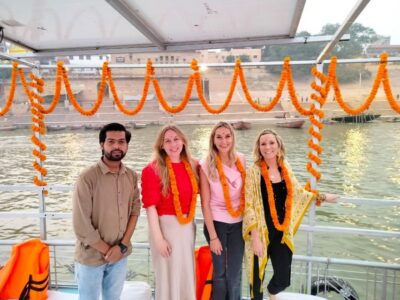 ★ 4.8Full Day City Highlights Day Tour & Ganges CruiseFrom $61520 reviews
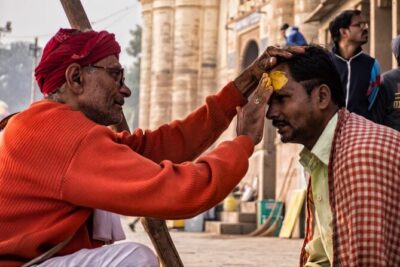 ★ 5.0Hidden Secrets of Varanasi: Vibrant Tradition (Guided Tour)From $24429 reviews
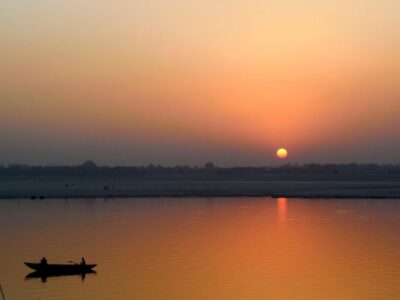 ★ 5.0Sunrise Boat Tour with Arti CeremonyFrom $31375 reviews
 ★ 5.0Banaras Wala ToursFrom $13329 reviews
 ★ 5.0The Ultimate 1 Day in Varanasi – How to Spend 13 Hours – Private Guided TourFrom $65295 reviews
 ★ 4.9Hidden Secrets of Vibrant Tradition (Guided Tour)From $16176 reviews
 ★ 5.0Private Heritage and Spiritual Walk Tour – Varanasi KashiFrom $24172 reviews
 ★ 4.5Varanasi Landmark Evening City Tour – Aarti, Boating & Witnessing the GODFrom $31149 reviews
Browse the lists this tour appears in