
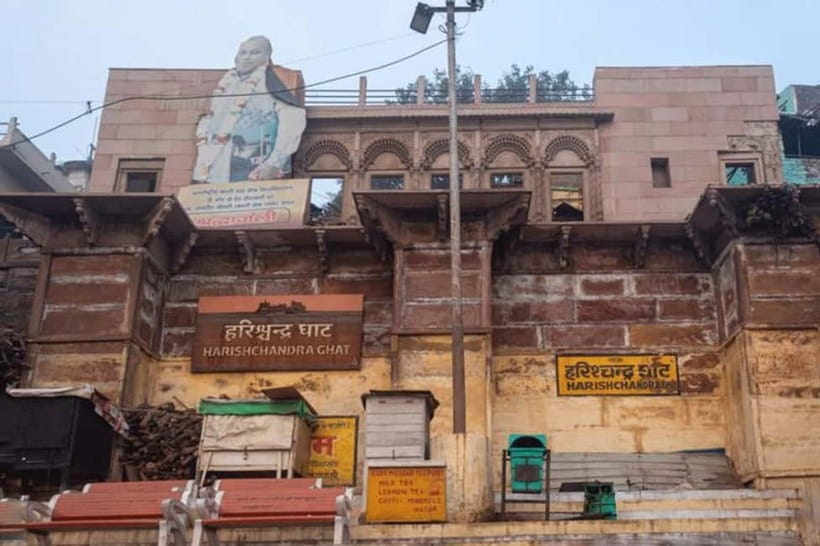
REVIEW · VARANASI GHATS AND GANGA AARTI
Full-day private Varanasi tour with AC car, boat & Sarnath
Varanasi at sunrise hits hard. This private day trip strings together Ganges river rituals and Sarnath history with an AC car and a local guide.
I love the private boat ride early, because it gives you a close-up perspective on the ghats and morning ceremonies. I also like how the day ties temple sights to real meaning, especially around Kashi Vishwanath temple.
One consideration is that this is a long day, roughly starting with 5:30am pickup and ending around the evening Aarti, and it’s listed as not suitable for people over 70 or wheelchair users.
In This Review
- Key highlights worth choosing this day trip for
- The 5:30am Ganges boat ride, and why it matters
- Assi Ghat, Manikarnika Ghat walks, and fitting the river into your day
- Kashi Vishwanath temple, old lanes, and getting meaning before photos
- BHU at 10am, the Birla Temple replica, and a break from pure pilgrimage mode
- Durga Mandir, silk weaving lessons, and a detour into craft and symbolism
- Bharat Mata Mandir: Mother India as a marble map
- Sankat Mochan and the shift toward Sarnath
- Dhamekh Stupa and the deer park story that frames Buddhism
- Evening at Dashashwamedh Ghat, cremation grounds, and Ganga Aarti
- AC car comfort, private pacing, and the reality of a long day
- Language options, skip-the-line, and who the guides fit best
- Price check: is $61 per person good value for this Varanasi day?
- Should you book this Varanasi and Sarnath private tour?
- FAQ
- What time is pickup for this Varanasi tour?
- Is there a boat ride included?
- Which major sites are included besides Varanasi temples?
- Are meals included in the price?
- Is the Archaeological Museum in Sarnath always open?
- Is this tour suitable for wheelchair users?
Key highlights worth choosing this day trip for
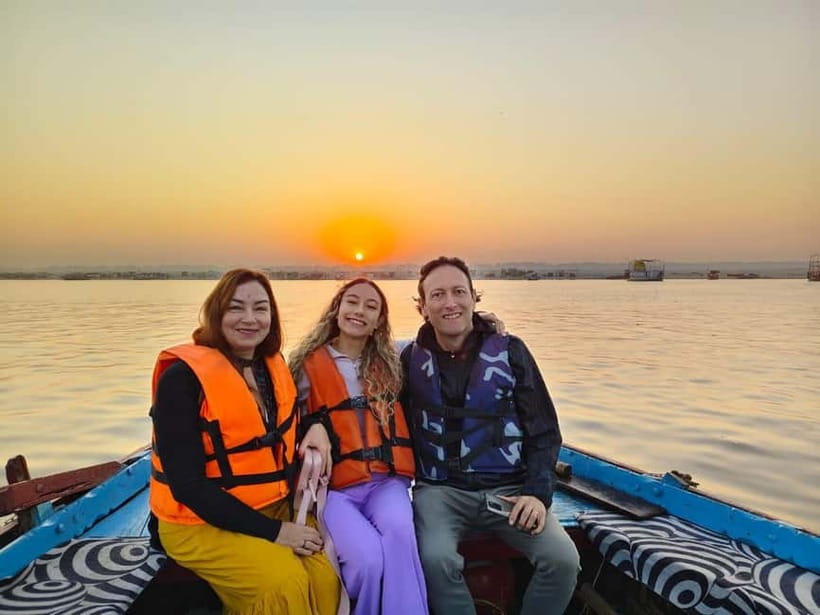
- A private sunrise boat cruise on the Ganges with morning ritual views from the water
- Expert guidance in the old city lanes, including explanations at Kashi Vishwanath temple
- Sarnath’s Dhamekh Stupa and the deer park setting, with a calmer Buddhist focus after Varanasi
- BHU stop plus the Birla (new) Vishwanath Temple replica, giving you context beyond just temples
- Evening Ganga Aarti at Dashashwamedh Ghat, with lights, chants, conch shells, and flowers
More time on the Varanasi ghats
The 5:30am Ganges boat ride, and why it matters
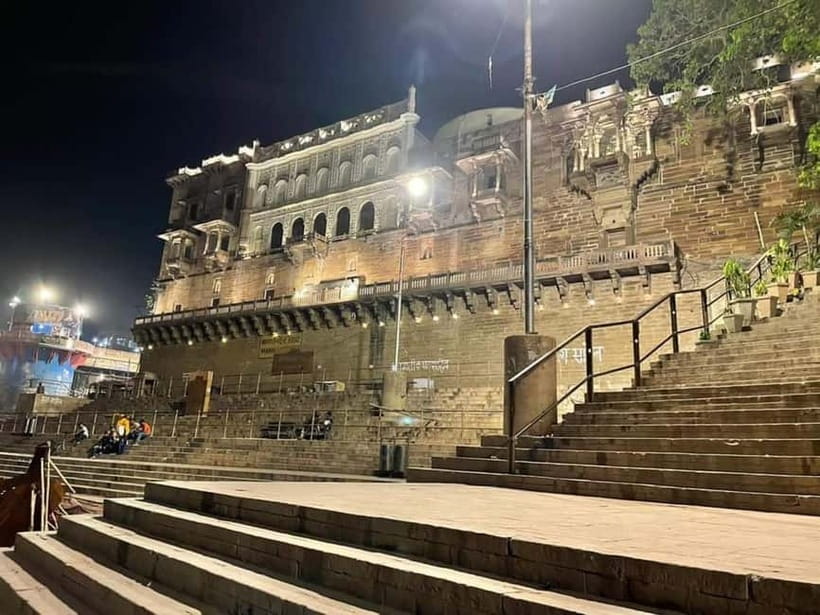
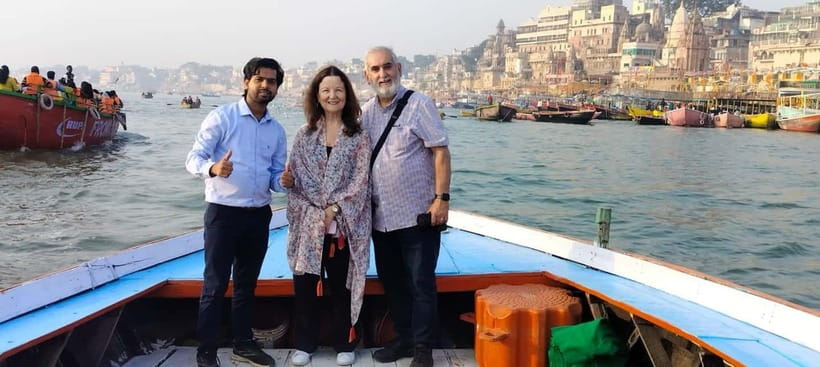
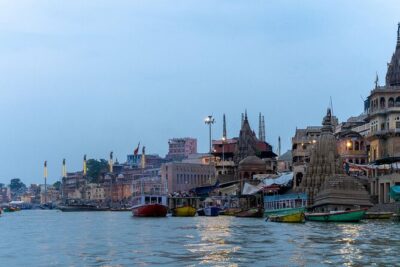
The day starts early for a reason. A sunrise boat ride on the Ganges lets you see the river when it feels less crowded and more intentional. You get morning rituals at the riverside, and the whole setup is calmer than trying to piece it together from land.
I like that it is private and paired with a guide. That combination matters in Varanasi, where the best moments are often the ones that need a sentence or two of context. Your guide can explain what you are looking at, rather than leaving you to guess.
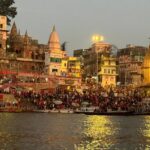
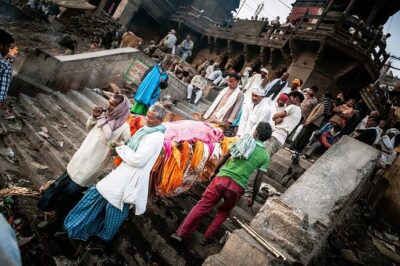
Expect your perspective to shift. From the water, the ghats look planned and layered, not chaotic. You also get a powerful view of cremation activity and why people come to witness these river rites. One of the strongest themes from guides like Anmol is that he keeps the experience respectful and clear, so you are not stuck processing it alone.
Assi Ghat, Manikarnika Ghat walks, and fitting the river into your day
After the boat, you will transition toward the riverfront areas. Places like Assi Ghat and Manikarnika Ghat are part of why the Ganges is more than a river in Varanasi. This is where faith, tradition, and daily life overlap in ways you cannot fully understand from a viewpoint.
A short walking segment helps you get your bearings fast. The guide leads you through the sights and explains what you are seeing as you move, rather than dumping everything at one stop. That pacing is a big deal because Varanasi can feel intense, even when you are excited.
You do need to be mentally ready for what you will encounter around cremation grounds. The tour includes time around those areas, and the best approach is simple: stay close to your guide, ask questions if you have them, and keep your focus on respectful observation.
Kashi Vishwanath temple, old lanes, and getting meaning before photos
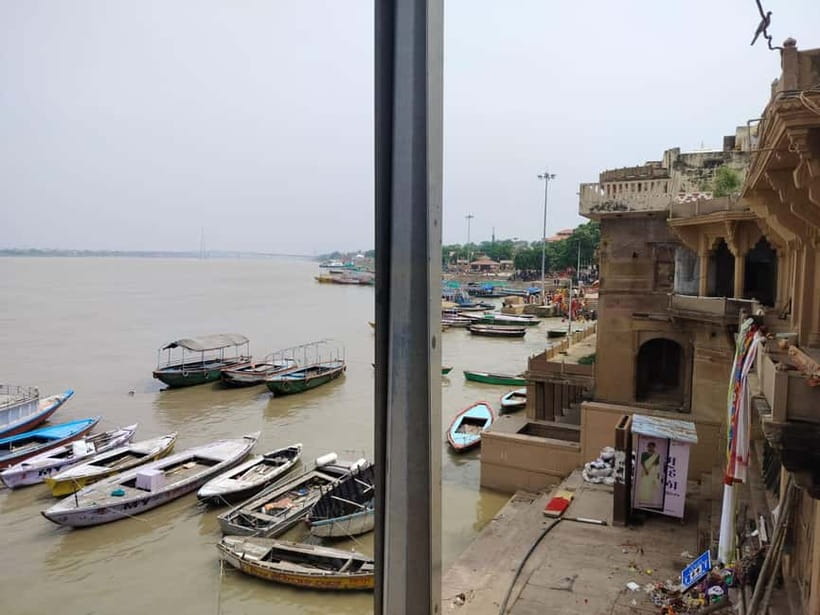
Next comes the classic Varanasi feel, old alleyways and temple approach streets. The tour includes a guided walking tour where your guide helps you notice details you might otherwise miss: where sightlines open, how worship shapes movement, and why certain spaces feel important.
Kashi Vishwanath temple is the highlight here. The temple is one of the holiest Hindu sites in the city, and having a guide makes the difference between seeing a landmark and understanding why people treat it as sacred. This is also where guides such as Saurabh Rajbhar (praised for patience and clear explanations) show up as a real value add.
Practical tip: wear comfortable shoes and keep water handy. Even with AC waiting later, temple areas can have sun exposure, crowds, and lots of steps.
Other stops on the Buddhist circuit
- 3 Hour Walking Tour of Buddhism in Sarnath★ 5.0 · 160 reviews
- Full-day private Varanasi tour with AC car, boat & Sarnath★ 4.9 · 103 reviews
- Varanasi & Sarnath: Full-Day Tour with Ganges Boat Ride★ 4.7 · 87 reviews
- 10 Hours Morning Ganges Tour including Sarnath and Ganga Arti★ 5.0 · 26 reviews
- Full-Day Private Bodh Gaya Spirituality Tour from Varanasi★ 4.5 · 17 reviews
BHU at 10am, the Birla Temple replica, and a break from pure pilgrimage mode
After morning river time and temples, the tour shifts pace. You pass by Banaras Hindu University (BHU) and stop around 10:00am. BHU was established in 1916 and is described as the largest university campus in Asia, so it brings a different side of Varanasi to the day.
You tour the campus area and also visit the new Vishwanath Temple, the Birla Temple, described as an exact replica of the original Vishwanath Temple. This stop is more than sightseeing. It gives you a chance to step back from the nonstop religious circuit and see how sacred architecture gets replicated, interpreted, and taught.
There is a breakfast stop, but it is your own expense. I like that structure because it keeps you flexible if you have dietary preferences or want to eat something local quickly before continuing.
Durga Mandir, silk weaving lessons, and a detour into craft and symbolism
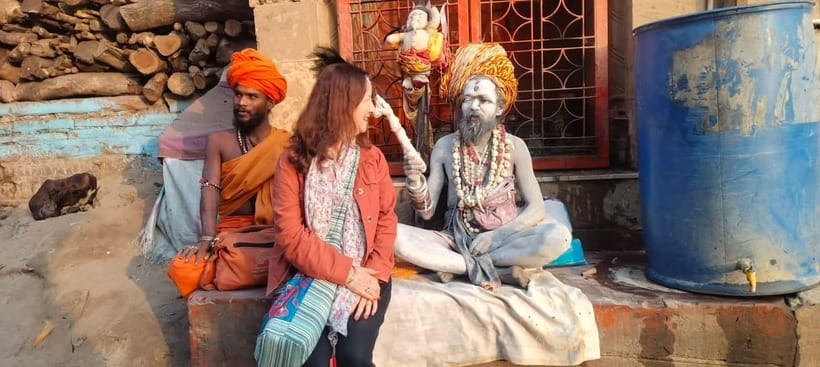
Midday includes cultural sights beyond the main river-and-temple loop. You visit Durga Mandir, also known as Durga Kund Mandir and Durga Temple. This is one of Varanasi’s famous temples in the holy city, and it adds variety to your religious route.
At around 12:30pm, you learn about silk weaving traditions of Varanasi. Even if you do not buy anything, this kind of stop matters because Varanasi is also a working city. Knowing how silk fits into the local economy helps you look at temples and ceremonies with more grounded context.
Lunch is your own expense after that. Plan for another reset, because the next block includes a longer drive toward Sarnath.
Bharat Mata Mandir: Mother India as a marble map
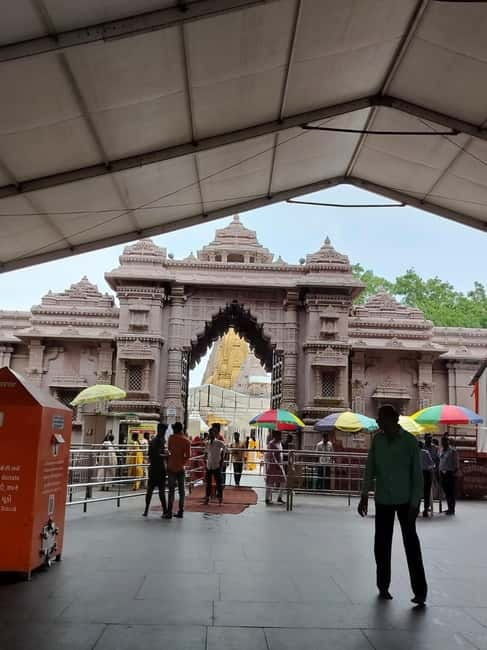
Then comes one of the more surprising stops on the day: Bharat Mata Mandir. Instead of housing a deity, it focuses on “Mother India” with a large relief marble map of undivided India, including mountains, rivers, and islands.
The tour notes that the map is carved with precision in Makrana marble. It also credits freedom-fighter Shiv Prasad Gupta with building it and says it was inaugurated by Mahatma Gandhi in 1936. That combination of politics, geography, and religion gives you a different lens on why Varanasi matters within the broader story of India.
If you tend to skip “odd one-off” landmarks on tour days, don’t here. This is exactly the kind of stop that makes the day feel tailored, not just rushed.
Sankat Mochan and the shift toward Sarnath
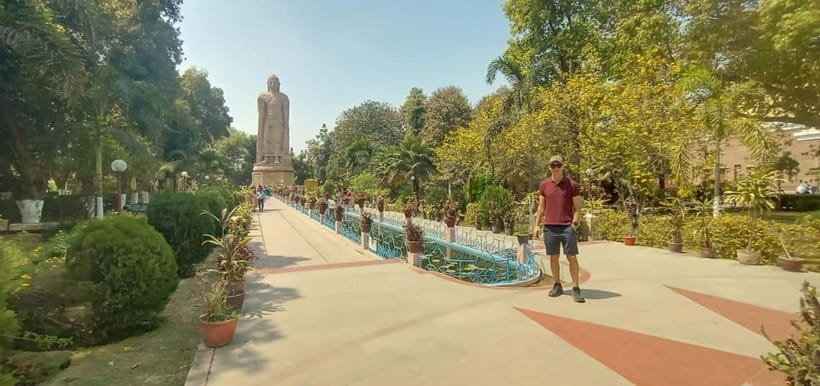
Later in the day you visit Sankat Mochan Hanuman Mandir. Hanuman worship is a big part of Varanasi, and adding this temple gives the tour a fuller picture of what people actually do, not just what the city is famous for.
Then the drive takes you about eight miles (13 km) to Sarnath. I like that there is a travel buffer here, because Sarnath is a noticeable change in tone. Varanasi is sensory and urgent. Sarnath is more spacious and reflective.
Dhamekh Stupa and the deer park story that frames Buddhism
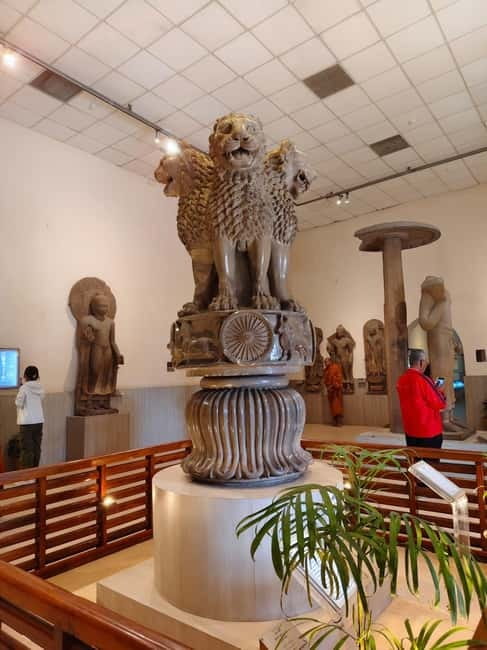
Sarnath is located about 10 kilometers northeast of Varanasi near the confluence of the Ganges and Varuna rivers. The tour focuses on Dhamekh Stupa, described as the place where the Buddha gave his first sermon.
You also visit the Archaeological Museum. It is said to hold treasures dating to the 3rd-century BC, but it remains closed on Fridays. If your travel dates land on a Friday, count on the museum part being unavailable and let your guide adjust.
The tour context is strong here: it connects Sarnath to the deer park setting where Gautama Buddha first taught the Dharma and where the Buddhist Sangha came into existence through the enlightenment of Kondanna. That matters because you get a story, not a scatter of monuments.
This is also where the reviews’ theme of balance really shows up. Guides such as Anmol and Prasan are praised for making the Buddhist sites feel understandable, especially when you are coming from Varanasi’s intensity.
Evening at Dashashwamedh Ghat, cremation grounds, and Ganga Aarti
As evening approaches, the tour is timed for river rituals. Around 5pm, you see the cremation grounds along the Ganges, then return to Dashashwamedh Ghat for the evening Ganga Aarti.
The Ganga Aarti is described as a powerful mix of lights, chants, and reverence. Priests swing glowing lamps, sound conch shells, and offer flowers to the sacred waters. It happens daily around sunset and attracts a large gathering.
What I like here is the structure: morning boat, then temples, then Sarnath, then evening river ceremony. It keeps you from oversaturating in one direction. By the time you see the lights at Dashashwamedh, you have enough background to feel the ritual rather than just watch it.
Dress for comfort. Even if the car carries you between stops, you will likely stand for parts of the ceremony. A towel is listed as something to bring, which is useful for river-side days.
AC car comfort, private pacing, and the reality of a long day
This is a private full-day tour with air-conditioned transportation. That is a major practical win in Varanasi, where heat and traffic can turn a “short day” into a long slog. The reviews mention AC rests between visits, and you should expect that the car becomes your reset button.
It is also designed for flexibility. Some guides are praised for checking in and adjusting the pace. If you want more time at a temple or fewer alley turns, you can ask. One review even notes options to do more or less, which is what you want in a place like this.
Still, be honest about stamina. The tour is listed as not suitable for people over 70 and wheelchair users. At the same time, one review mentions a 72-year-old who managed with breaks. So I would treat this as a “depends on the person” situation. If you fall near those limits, message the operator before booking and ask what walking portions will be and what can be minimized.
Language options, skip-the-line, and who the guides fit best
The tour includes a live guide with language options: English, Spanish, Japanese, Italian, Hindi. That helps a lot in Varanasi, where nuance matters. Your guide is there to translate not only language, but also meaning.
The guide quality is a standout from the feedback. Anmol is repeatedly praised as attentive, caring, and respectful, with strong history and culture explanations. Saurabh Rajbhar is praised for being patient. Shiva is praised for gentle guidance through ceremonial life at the ghats. Prasan and Anurag are also mentioned as enthusiastic and connected to Varanasi.
One more operational detail: the tour includes skip-the-ticket line. That saves time where it matters, especially with early starts.
Price check: is $61 per person good value for this Varanasi day?
At about $61 per person for a 10-hour private tour, this can be good value, mainly because several things usually cost extra when you book separately.
What is included:
- Local guide
- Bottled water
- A cup of tea
- Private air-conditioned vehicles
- Private boat ride
- Hotel pickup and drop-off
- Skip the ticket line
What is not included:
- Monument fees
- Extra expenses
- Meals like breakfast and lunch, which are your own expense
In other words, you are paying for the big logistics: getting out early, handling the river boat, and moving safely between dense areas with an AC car. If you were to hire a driver, sort boat access, and pay for a guide separately, the totals usually climb.
If you are traveling in a group of two or four, the private nature also makes the price feel more reasonable. The tour rating also suggests transport runs smoothly for most people.
Should you book this Varanasi and Sarnath private tour?
Book it if you want a structured, guided day that hits the big spiritual beats while still making the meaning clear. It is especially worth it if you care about the Ganges rituals, want a calmer counterweight in Sarnath, and prefer not to navigate Varanasi alone.
Consider skipping or double-checking if:
- You have mobility limits (the tour lists not suitable for wheelchair users and people over 70).
- You are uncomfortable around cremation-related sights and want more control over that portion.
- You are short on time and prefer fewer stops, because this is a long schedule.
My practical advice: message your guide in advance about what matters most to you, like temples only versus more river ritual focus. The private setup is there to make the day fit your comfort level.
FAQ
What time is pickup for this Varanasi tour?
Pickup is scheduled for an early start at 5:30am from your hotel.
Is there a boat ride included?
Yes. The tour includes a private boat trip on the Ganges River, timed for sunrise and morning rituals.
Which major sites are included besides Varanasi temples?
You will also visit Sarnath, including Dhamekh Stupa and the Archaeological Museum, plus stops like Bharat Mata Mandir and Durga Mandir in Varanasi.
Are meals included in the price?
Breakfast and lunch are not included. The tour includes bottled water and a cup of tea.
Is the Archaeological Museum in Sarnath always open?
No. The Sarnath Museum is closed on Fridays.
Is this tour suitable for wheelchair users?
The information is mixed: it says wheelchair accessible, but it also lists the tour as not suitable for wheelchair users. If you have accessibility needs, it’s best to confirm details with the provider before booking.
The Buddhist Circuit Continues

The Ghats at Varanasi, More Reviews

Recently reviewed across Varanasi
- Varanasi: Sunrise Boat Tour and Heritage Walk with transfers
★ 5.0 · 10 reviews - Varanasi Mysteries Walk: A Journey through Life and Death
★ 5.0 · 10 reviews - Omvity’s Full-Day Varanasi Tour: Sunrise Boat to Sunset Aarti
★ 5.0 · 10 reviews - Cycle of Life, Death & Rebirth (2 Hours Guided Walking Tour)
★ 4.5 · 10 reviews - Varanasi: Private Heritage Walking Tour & Sunrise Boat Ride
★ 4.9 · 11 reviews - Varanasi: Ganga Arti Evening Light Ceremony on the Main Ghat
★ 4.1 · 11 reviews
Varanasi Ghats and Ganga Aarti, compared.
 ★ 4.8Full Day City Highlights Day Tour & Ganges CruiseFrom $61520 reviews
 ★ 5.0Hidden Secrets of Varanasi: Vibrant Tradition (Guided Tour)From $24429 reviews
 ★ 5.0Sunrise Boat Tour with Arti CeremonyFrom $31375 reviews
 ★ 5.0Banaras Wala ToursFrom $13329 reviews
 ★ 5.0The Ultimate 1 Day in Varanasi – How to Spend 13 Hours – Private Guided TourFrom $65295 reviews
 ★ 4.9Hidden Secrets of Vibrant Tradition (Guided Tour)From $16176 reviews
 ★ 5.0Private Heritage and Spiritual Walk Tour – Varanasi KashiFrom $24172 reviews
 ★ 4.5Varanasi Landmark Evening City Tour – Aarti, Boating & Witnessing the GODFrom $31149 reviews
Browse the lists this tour appears in