

REVIEW · MUMBAI CITY TOURS
Mumbai heritage walk- Story of Gothic and Art Deco buildings
Mumbai’s buildings tell stories if you look up. This heritage walk focuses on Gothic and Art Deco architecture, tracing how the city grew as a trading hub. I love that it keeps things human, not museum-lecture, with snacks during the route, and a small group size that makes questions easy.
I also like the lineup of stops. You start with the UNESCO-listed Chhatrapati Shivaji Maharaj Terminus, then move through Art Deco and Gothic landmarks such as Eros Cinema, the Bombay High Court, Rajabai Clock Tower, and Elphinstone College. One drawback to consider: most views are from the outside, and even where you might expect interiors, the David Sassoon Library area is mainly seen from the lobby.
If your goal is architecture plus clear stories, this is a strong pick. Guides like Pankaj are especially praised for enthusiasm and for connecting the buildings to Mumbai’s history.
In This Review
- Key things you will notice on this walk
- Why Gothic and Art Deco work so well in one 3-hour loop
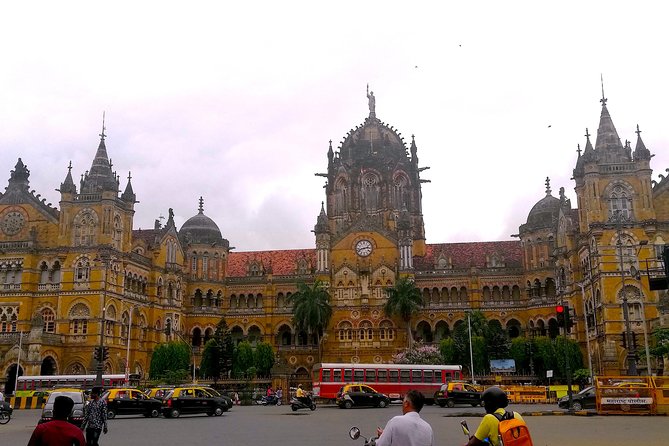
- Where the route begins at Chhatrapati Shivaji Maharaj Terminus (CST)
- Eros Cinema: Art Deco that looks like architecture got playful
- Empress Court: when Art Deco living became status
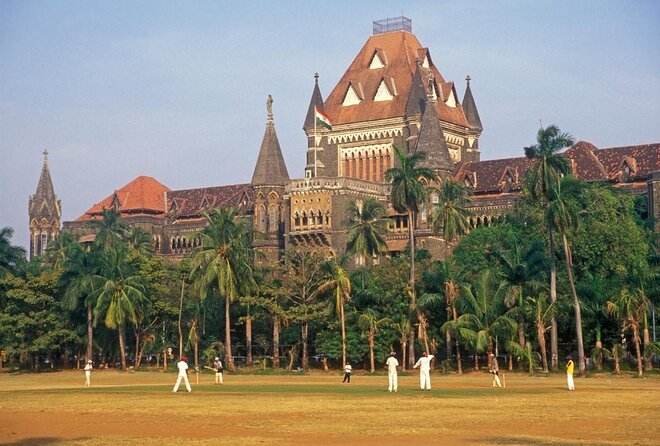
- Bombay High Court: Gothic drama with Justice and Mercy on top
- Rajabai Clock Tower: the chimes and the human reason behind them
- David Sassoon Library and Reading Room: Gothic you see from the lobby
- Elphinstone College: Gothic education with famous alumni
- Ending at Chhatrapati Shivaji Maharaj Vastu Sangrahalaya
- Price and value: what $35 buys you
- Logistics that actually matter on the ground
- Who should book this walk?
- Should you book this Mumbai Gothic and Art Deco heritage walk?
- FAQ
- How long is the Mumbai heritage walk?
- How much does the tour cost?
- How big is the group?
- Where does the tour start and end?
- Is a mobile ticket used?
- What admission tickets are included?
- Are snacks included?
- What happens if the weather is poor?
- Can I cancel for free?
Key things you will notice on this walk
- Victorian Gothic Revival at CST, with Indian-inspired design elements mixed into the Gothic look
- Art Deco shapes at Eros Cinema, including the tiered, wedding-cake style silhouette
- Status and daily life in Art Deco housing, explained at Empress Court
- Façade symbolism at the High Court, including statues of Justice and Mercy
- A surprisingly personal clock tower story, tied to the patron’s mother and the chimes
- Gothic reading room viewed from the lobby, at the David Sassoon Library complex
Mumbai, a few more routes through it
Why Gothic and Art Deco work so well in one 3-hour loop
This tour is built on a smart idea. Mumbai did not grow in a single style or in a single time period. You see the city as it shifted, especially through the buildings tied to commerce, education, law, and public life.
The Gothic chapters lean formal and dramatic, with pointed arches, heavy ornament, and an official feel. The Art Deco stops, by contrast, are sleek and geometric, with shapes that feel almost sculptural. The fun part is learning how those styles became part of Mumbai’s identity, not just background decoration.
You will also get a small-group pace. With a maximum of 15 people, you are not shouting over a crowd. You can ask about details, and the guide can actually keep the group together without rushing.
One more thing that matters: you get snacks during the walk. That sounds small, but a slow story session plus walking adds up. The food helps you keep going without turning the afternoon into a snack search.
Where the route begins at Chhatrapati Shivaji Maharaj Terminus (CST)
Your first stop is the headline act: Chhatrapati Shivaji Maharaj Terminus, a UNESCO heritage building and widely regarded as a top example of Victorian Gothic Revival architecture in India. Expect pointed, ornate Gothic features that look designed to impress from every angle.
What makes CST especially interesting on this tour is the way Gothic elements are blended with themes connected to Indian traditions. That combination is the point. You are not just seeing a copied style, you are seeing a style adapted to local culture and symbolism.
You can also expect this part to feel like a real introduction to the whole walk. Once you understand the building’s Gothic language, the later contrasts with Art Deco land better. You’ll start noticing shapes, patterns, and how the building tries to communicate authority, permanence, and civic pride.
Practical note: CST has an admission ticket included on the tour. So if you want to see that landmark in a more complete way, this is the stop that gives you the extra access value.
Eros Cinema: Art Deco that looks like architecture got playful
Next up is Eros Cinema. You view it from outside, but you do not feel shortchanged because the design is made to be noticed. The Art Deco look is strong, rising in tiers, topped with a semi-circular tower.
The guide’s description can help you see why people compare it to a wedding cake. The building’s layered profile is the giveaway. Once you spot the tiers, you start seeing how Art Deco was about vertical emphasis and stylized form, even for a movie hall.
This is a great stop if you like architecture that still has a role in everyday city life. Even when you are standing outside, you are seeing how entertainment and design meet in the streets.
The only drawback here is also the simplest one: no interior visit is included, so you are relying on exterior details and stories.
- Elephanta Caves & Island Guided Private Tour★ 5.0 · 1,327 reviews
- Private Guided Walking Tour in Fort & Colaba★ 5.0 · 895 reviews
- Mumbai: Street Food and Night Markets Tour★ 4.9 · 719 reviews
- Mumbai: Dharavi Slum, DhobiGhat, and Dabbawallas Tour★ 4.9 · 689 reviews
- Dharavi Slum Tour★ 5.0 · 625 reviews
Empress Court: when Art Deco living became status

From there you walk to Empress Court, an impressive residential Art Deco building. Again, you see it from outside, but the conversation is about what the building meant to people who lived there.
Art Deco often gets treated like pure style, but the tour frames it as social messaging. In other words, the building’s look acted as a signal. It was a way to show wealth and status in a city that was rapidly expanding.
I like this stop because it changes your perspective. You see Art Deco not only as decoration, but as a statement about modern life. This is the kind of explanation that makes you pay attention to features you might otherwise miss, like symmetry, façade rhythm, and the overall sense of polish.
Bombay High Court: Gothic drama with Justice and Mercy on top
Now you move into Gothic territory again with the Bombay High Court principal bench, viewed from outside. This is one of those buildings where the ornament is not just pretty. It signals power, responsibility, and order.
Look for the statues of Justice and Mercy on the top of the building. That detail matters because it tells you the building’s message is moral, not just legal. The imagery is tied to the idea of courts as guardians of public ethics.
If you enjoy symbolic architecture, you’ll have fun here. If you prefer purely aesthetic analysis, you may still like it because Gothic façades are built for storytelling in stone, and this one literally has themes on top.
Again, this is an exterior viewing stop, so plan to spend your time spotting details and listening to the guide connect them to the city.
Rajabai Clock Tower: the chimes and the human reason behind them
One of my favorite kinds of tour stops is the one where the architecture has a personal backstory. The Rajabai Clock Tower delivers that.
You get the story of how the tower was financed, including the reason connected to the patron’s mother, who was visually challenged. The point of the chimes was practical and caring: she could keep her fasts on time by listening to the clock.
It changes how you see a clock tower. You stop thinking of it as a landmark and start thinking of it as a tool made for someone’s real needs. That is exactly the sort of detail that makes a heritage walk feel alive instead of generic.
You will also likely find it easier to remember the clock tower once you connect it to that motive. Architecture stories stick when they attach to people.
David Sassoon Library and Reading Room: Gothic you see from the lobby
Next is the David Sassoon Library and Reading Room. The name alone is worth the pause, because the tour ties it to a Jewish banker, David Sassoon, who built the Gothic structure as a reading room and library.
Here’s the key practical difference: only members are allowed inside. So you do not get a full interior tour. You will see it from the lobby area.
That said, this stop is still valuable. You get the Gothic form and the sense of purpose, and the guide can explain why a reading space mattered in a city like Mumbai during its growth years. Even without full access, you can still appreciate how the building communicates learning and status through style.
If you are hoping for lots of interior wandering, adjust expectations. This is more about exterior and lobby viewing than a deep access visit.
Elphinstone College: Gothic education with famous alumni
Then you reach Elphinstone College, another Gothic structure that carries weight. You get a close appreciation of the architecture from the outside, while the stories connect the building to the institution’s impact.
The tour also gives you an alumni list that you can anchor in your own knowledge: Bal Gangadhar Tilak, Dr B R Ambedkar, and Jamshedji Tata. That mix helps you understand why this place matters beyond local architecture fans.
If you like education history, this stop can feel like a bridge between buildings and ideas. The architecture is one layer. The people linked to it add the human layer.
Time is tight here, so keep your eyes up and your camera ready. The building is the point, and you will want to get at least a couple of clear façade shots.
Ending at Chhatrapati Shivaji Maharaj Vastu Sangrahalaya
Your walk finishes at Chhatrapati Shivaji Maharaj Vastu Sangrahalaya, also known as the Prince of Wales Museum in the tour context.
This stop is brief, but it rounds out the story. The building is heritage grade and was earlier used as a military hospital connected to children’s welfare exhibitions. That earlier use helps explain why the structure feels like more than a museum shell. It is part of a broader civic and historical timeline.
Because admission is not included for this stop, treat it as a final moment to look up, absorb the architecture, and connect the dots you learned earlier. The earlier Gothic and Art Deco stops prime your eyes so the museum building does not feel random at the end.
Price and value: what $35 buys you
The cost is $35 per person for about 3 hours. For a tour built around major heritage landmarks, that is reasonable. You are paying for more than walking. You are paying for guided context, which is what turns a route of buildings into a story you can remember.
A couple of value points stand out:
- The group size is small, maximum 15, which usually improves the guide interaction.
- A mobile ticket is used, which is a practical plus.
- Snacks are provided, so you are not scrambling mid-walk.
- Admission is included for CST only, which means you are not paying extra for every stop.
If you are the type of traveler who likes to take architecture photos but also wants meaning, this pricing structure makes sense. If you mainly want to go inside buildings, you will need to understand that much of the route is outside viewing and lobby viewing.
Logistics that actually matter on the ground
The tour starts at Chhatrapati Shivaji Maharaj Terminus area in Fort and ends at the Vastu Sangrahalaya on Mahatma Gandhi Road, Lion Gate, Fort. You stay in the same general historic area, which keeps the route sensible.
It is also described as being near public transportation. That is helpful if you want to combine the walk with other sights the same day without building a whole itinerary around taxis.
Also, confirmation comes at the time of booking. That removes one layer of uncertainty when you are planning in a new city.
One more key point: the experience requires good weather. If it gets canceled due to poor weather, you will be offered a different date or a full refund. So if you are traveling during monsoon season or a storm-prone week, keep a little flexibility in your schedule.
Who should book this walk?
This heritage walk is best for you if:
- You enjoy architecture styles and want the story behind what you see.
- You like history that is explained through real buildings, not through abstract dates.
- You want a guide who can answer questions without a big crowd pressure.
- You want a compact half-day plan that still feels substantial.
It may not be your best match if you are looking for long interior visits at most stops. Many stops are outside, and the library area is mainly seen from the lobby.
Should you book this Mumbai Gothic and Art Deco heritage walk?
I think this is a smart booking for most first-timers to Mumbai who want an efficient way to understand the city’s built identity. You get a clear arc across Gothic and Art Deco, plus human details like the clock tower’s financing story.
The tour also scores highly in practice. The guide quality and storytelling energy are a consistent highlight, including praised enthusiasm from Pankaj. That matters because without good narration, architecture walks can become just picture-taking.
If your schedule allows a 3-hour slot and the weather looks steady, book it. You will likely finish the walk seeing the city differently, not just with better photos, but with an extra layer of meaning in the shapes and façades you pass every day.
FAQ
How long is the Mumbai heritage walk?
The tour runs for about 3 hours.
How much does the tour cost?
It costs $35.00 per person.
How big is the group?
The tour has a maximum of 15 travelers.
Where does the tour start and end?
It starts at Chhatrapati Shivaji Maharaj Terminus area in Fort and ends at Chhatrapati Shivaji Maharaj Vastu Sangrahalaya on Mahatma Gandhi Road, Lion Gate, Fort.
Is a mobile ticket used?
Yes, the tour uses a mobile ticket.
What admission tickets are included?
An admission ticket is included for Chhatrapati Shivaji Maharaj Terminus. The other listed stops do not include admission tickets.
Are snacks included?
Snacks are provided during the walk.
What happens if the weather is poor?
The experience requires good weather. If canceled due to poor weather, you will be offered a different date or a full refund.
Can I cancel for free?
Yes. There is free cancellation if you cancel up to 24 hours in advance for a full refund. If you cancel less than 24 hours before the start time, the amount paid is not refunded.
Mumbai, Keep Exploring





Recently reviewed across Mumbai
- Mumbai City Sightseeing Guided Tour on a Bicycle
★ 5.0 · 10 reviews - Mumbai Street Food & Beach Tour with 10+ Tastings
★ 5.0 · 10 reviews - Mumbai Market Tour & Maharashtrian Cooking Class with Chef Reshma
★ 4.5 · 10 reviews - Sailing Experience in Mumbai on Mid Size Yacht
★ 5.0 · 10 reviews - 3 Days Complete Mumbai Tour Inclusive of Bollywood Studio Experience
★ 5.0 · 10 reviews - Dharavi Slum Tour
★ 5.0 · 10 reviews
Mumbai City Tours, compared.
 ★ 4.9Full-Day Sightseeing Tour of MumbaiFrom $241,822 reviews
 ★ 5.0Group Guided Walking Tour in Fort and ColabaFrom $161,073 reviews
 ★ 4.8Elephanta Caves Half-Day Guided Tour with ExpertFrom $301,032 reviews
 ★ 5.0Highlights of Mumbai Sightseeing Tour: TRAVELLERS CHOICE AWARDEDFrom $33915 reviews
 ★ 5.0Private Guided Walking Tour in Fort & ColabaFrom $36895 reviews
 ★ 4.9Street Food and Night Markets TourFrom $13719 reviews
 ★ 4.9Dharavi Slum, DhobiGhat, and Dabbawallas TourFrom $14689 reviews
 ★ 5.0Highlights of South Mumbai Guided Private Tour in AC VehicleFrom $74620 reviews
Browse the lists this tour appears in