
REVIEW · DHARAVI AND MUMBAI SLUM TOURS
Dharavi Slum Tour
Factory work meets home life in Dharavi. This Mumbai Dharavi tour is built for people who want facts, not fantasies, and it centers on the recycling industries and small-scale production that power everyday livelihoods. I like how the focus stays practical, from the walk through the community to the behind-the-scenes look at how goods get made in tight spaces.
Two things I especially like: first, the quality of the guidance. Names like Ruqaiyya, Neha, and Rihanna come up again and again for clear explanations and friendly pacing. Second, you get real industry context, including the plastic and metal recycling work and how items are shaped and produced for major brands, like buttons made for Barbie dolls in India.
One drawback to keep in mind: it is a walking experience. You’ll want comfortable shoes, you should expect compact paths and close proximity in everyday areas, and you’ll need to follow the behavior rules (no alcohol or drugs, and no nudity).
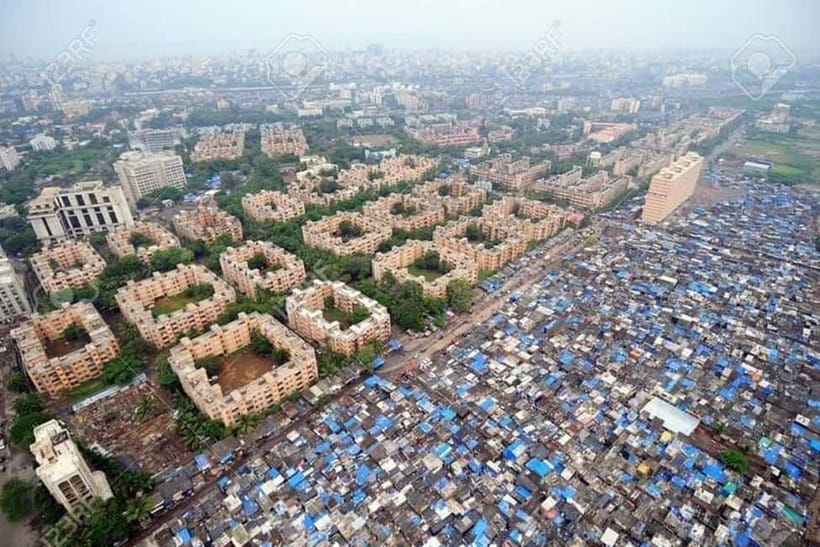
Dharavi can feel misunderstood from far away. On this tour you’ll hear how it supports an estimated 20+ million residents and generates around $1 billion a year, with recycling playing a major role. That scale is hard to picture until you see people working, building, and selling from right where they live.
The tour is guided in English (with English, Hindi, and Marathi available), and it runs from about 2 hours up to 7 hours depending on the option you choose. If you want convenience, pickup is optional, and you’re also covered with bottled water plus an air-conditioned vehicle and private transportation.
In This Review
- Key Things to Know Before You Go
- Why This Dharavi Slum Tour Feels Different From What You Expect
- Getting There: Mahim Railway Station and Optional Pickup
- Two Hours in Dharavi: How the Walk Is Set Up
- The 13th Compound Recycling Yard: Where the Economy Comes Into View
- What Your Guide Actually Does (and Why It Changes Everything)
- Beyond Recycling: Small Industries in Tight Spaces
- Drop-Off at Third Wave Coffee and Dhobi Ghat
- Price and Value: Why $8 Can Feel Fair
- Rules of Respect: What You Need to Do (and Avoid)
- Who Should Book This Mumbai Dharavi Tour
- Should You Book the Dharavi Slum Tour?
- FAQ
- Where does the Dharavi Slum Tour start?
- How long is the Dharavi Slum Tour?
- How long is the guided walking portion?
- What does the tour include?
- Are meals included?
- Are drinks included besides bottled water?
- What languages are the live guides?
- What should I bring and wear?
- Is there free cancellation?
Key Things to Know Before You Go
- Mahim Railway Station start point makes it easy to connect with the rest of Mumbai
- A guided walk around Dharavi keeps the experience human, not like a drive-by photo stop
- Plastic and metal recycling of the 13th compound is the clearest window into the local economy
- Guides like Ruqaiyya, Neha, and Rihanna stand out for clear, friendly explanations
- Bottled water, entry fees, and an A/C vehicle help make the low price feel fair
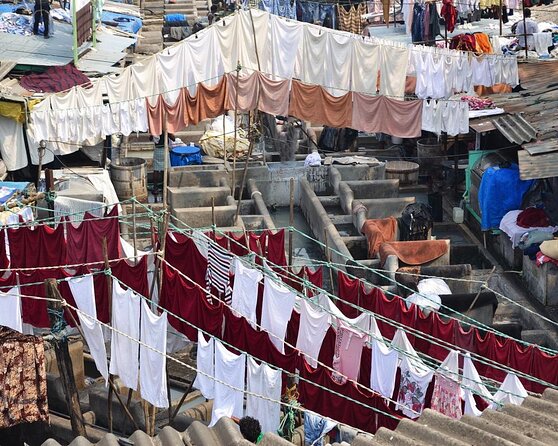
- Drop-off near Third Wave Coffee and Dhobi Ghat lets you continue your day with less fuss
Other Dharavi walks, guides named
Why This Dharavi Slum Tour Feels Different From What You Expect
Most people arrive with a “slum” mental picture. This Dharavi slum tour pushes you to update that picture fast, because the tour is structured around work, skills, and production. Instead of turning the community into a spectacle, it leans into how people run industries where space is tight and the output is real.
I like that the tour doesn’t pretend Dharavi is a simple success story. It talks about economics, recycling, and the practical logic of survival and opportunity. When you see how materials get processed and products move through markets, the stereotypes start to weaken.
Another reason this works well is the guide style. The experience tends to be led by locals who can explain what you’re seeing in plain terms. On top of that, guides like Ruqaiyya and Neha are specifically praised for clear communication and for answering questions without rushing you.
If you’re coming to Mumbai hoping for one or two experiences that feel genuinely “of here,” this is the kind of stop that can do it. Not because it’s comfortable, but because it’s honest.
Getting There: Mahim Railway Station and Optional Pickup
Your start point is typically Mahim Railway Station, which is a practical choice for a neighborhood-day plan. If pickup is included with your option, you’ll be picked up and dropped off, using an air-conditioned vehicle and private transportation.
If you choose pickup, plan to wait in the hotel lobby about 10 minutes before your scheduled start. Meeting points can vary by option, so read the exact instruction you’re given at booking, then use the names provided, like Mahim Railway Station, as your anchor.
This matters because Dharavi sits inside a busy city, and time gets spent fast when you’re routing yourself. The vehicle and guide coordination take the stress out of getting you to the right start line.
Also, the tour runs from 2 to 7 hours depending on the option. If you have a tight schedule, look for the shorter slot. If you want more time and slower pacing, choose a longer option.
Two Hours in Dharavi: How the Walk Is Set Up
The core experience is a guided walk lasting about two hours. You’re not just passing landmarks. You’re moving through areas tied to daily life and work, guided by someone who can explain what you’re seeing and why it matters.
The walk format is important. It keeps you from treating Dharavi like a distant viewpoint. You experience the environment in a way that lets you notice details: the rhythm of work, the way production spaces are organized, and how people integrate industry into home life.
The tour is also designed to challenge negative assumptions. It frames Dharavi as a place where people from different backgrounds coexist and where skills drive income, especially through recycling and small manufacturing.
Practical tip: go slow with your camera. Use it when it feels appropriate, but remember this is not a museum setup. Wear shoes you can walk in for a couple of hours comfortably, because that part is on you.
- Elephanta Caves & Island Guided Private Tour★ 5.0 · 1,327 reviews
- Private Guided Walking Tour in Fort & Colaba★ 5.0 · 895 reviews
- Mumbai: Street Food and Night Markets Tour★ 4.9 · 719 reviews
- Mumbai: Dharavi Slum, DhobiGhat, and Dabbawallas Tour★ 4.9 · 689 reviews
- Dharavi Slum Tour★ 5.0 · 625 reviews
The 13th Compound Recycling Yard: Where the Economy Comes Into View
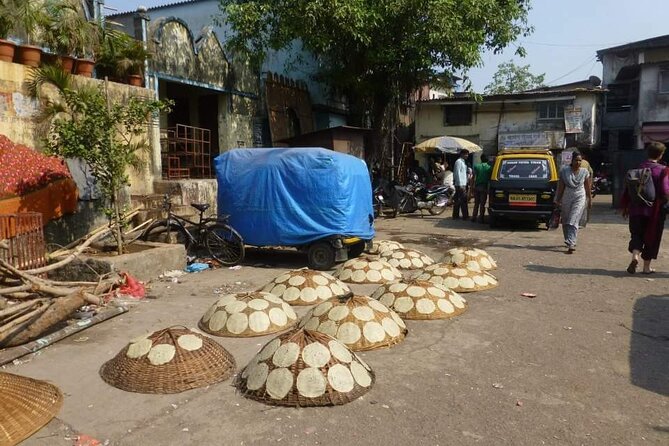
A key stop is the Plastic and Metal Recycling yard of the thirteenth compound. This is where the tour becomes more than a cultural visit. It becomes a lesson in how materials get turned into products.
You’ll see steps that include melting and molding plastic toys and creating items like buttons used by well-known brands, including Barbie dolls in India. That kind of detail changes how you interpret what’s around you. It turns “poverty label” into “production system” in your mind.
Even if you don’t know anything about recycling or manufacturing, the guide’s job is to connect the dots. The point is not to name every machine. The point is to show the logic: raw materials come in, work happens in stages, and output moves into markets.
This stop is also where the tour hits its emotional center. It’s one thing to hear that Dharavi contributes an estimated $1 billion annually. It’s another to see the practical steps that create value from reused materials.
One more thing: the space is compact, and work can be close and active. That’s not a reason to avoid the tour. It’s a reason to be respectful, steady, and prepared to move carefully through working areas.
What Your Guide Actually Does (and Why It Changes Everything)
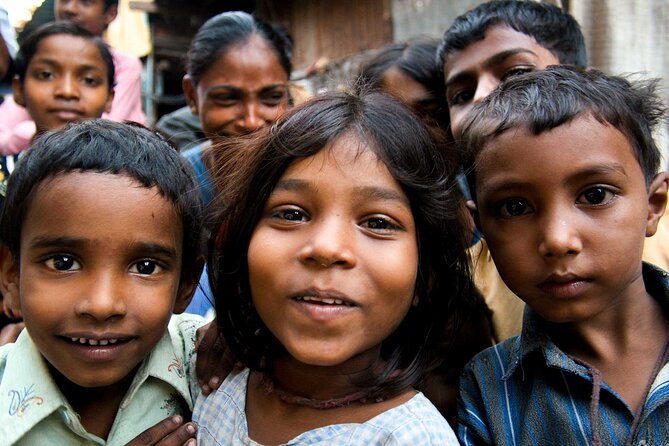
The tour lives or dies on the guide. That’s not a slogan here, it’s reality. In the experience reports, people consistently praise guides for depth, clarity, and a friendly, calm way of teaching.
Ruqaiyya is mentioned for strong English and for making the information clear without making it cold. Neha is praised for showing interesting places tied to daily life. Rihanna is also called out as a very good guide for explaining why recycling matters and how it supports employment.
So what does that mean for you? It means you can ask questions and get answers that fit the moment. You’re not left guessing, and you’re not forced into a script. A good guide helps you connect what you’re seeing to the larger story: how recycling supports jobs, how small-scale industries survive, and how products travel from local production to wider markets.
And since the guide language can be English, Hindi, or Marathi, you’re more likely to find a comfortable communication flow. That matters in a place where your instincts will otherwise fill in missing context.
Beyond Recycling: Small Industries in Tight Spaces
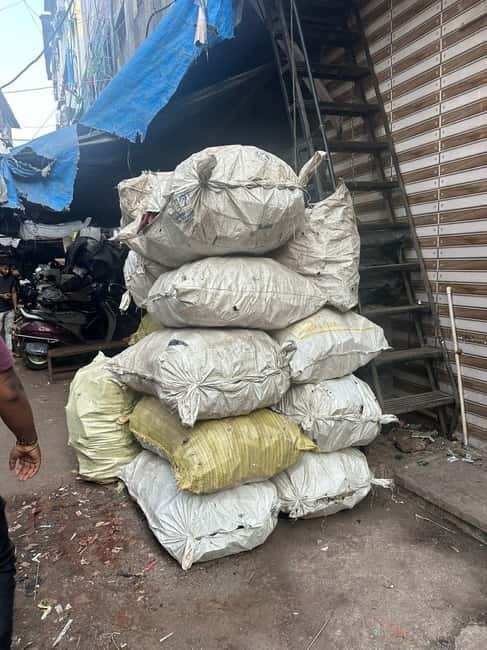
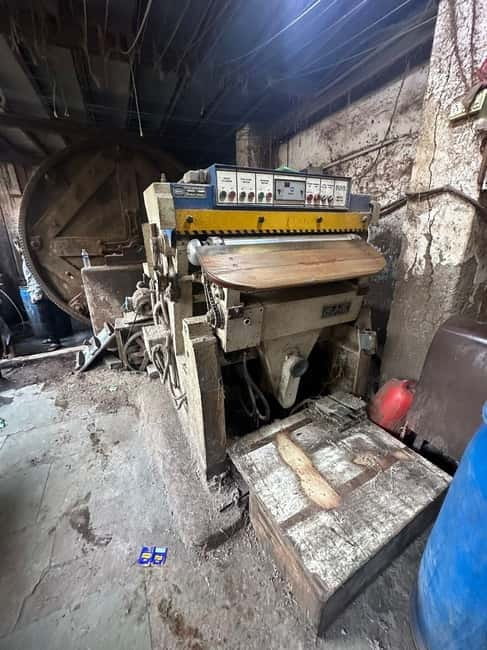
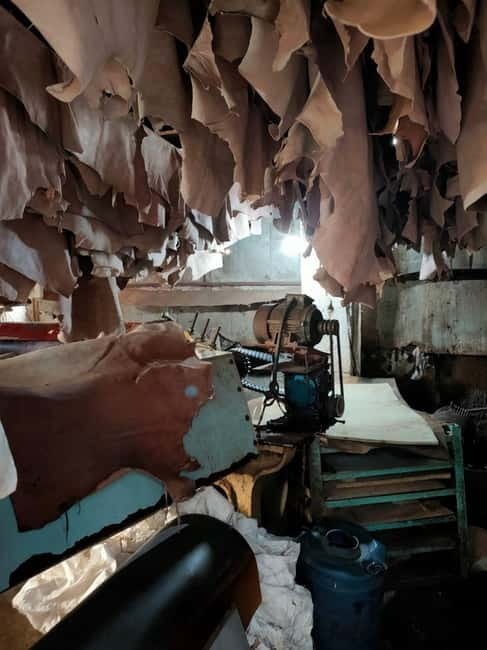
While recycling is the headline, the tour experience also points you toward other small-scale production. You may see or hear about work connected to leather goods, ceramics, and embroidered garments, as well as other products made in compact spaces.
The important part is how these industries fit into the same neighborhood ecosystem. Dharavi isn’t presented as a single factory line. It’s a network of workshops, makers, and traders, working in close quarters.
This is where the tour helps you see Dharavi as a city within a city, where daily routines and economic routines overlap. That blend is a major reason the experience sticks with people. It reframes the idea of what a “slum” looks like from the inside.
If you’re thinking about visiting for the learning angle, this is your payoff. You’re learning how work happens locally, and you’re learning why those skills matter economically.
Drop-Off at Third Wave Coffee and Dhobi Ghat
When the walk ends, you’re dropped at three locations, including Third Wave Coffee in Mumbai and Dhobi Ghat. The third stop depends on your option, but those are the named areas.
Practically, this is helpful. It means you can continue exploring without having to figure out transport right after a walk in a crowded area. Third Wave Coffee also gives you an easy place to sit down and reset.
Dhobi Ghat can be a convenient transition point if you’re planning other parts of your Mumbai day. Even if you don’t go anywhere immediately, the drop-offs keep the end of your tour simple.
Price and Value: Why $8 Can Feel Fair
At $8 per person, this tour is priced in the “watch your budget” range, not the “big attraction” range. The real value is in what you get for that price.
Included benefits you should care about:
- Entry fees covered
- A local guide in English (and also Hindi or Marathi)
- Bottled water
- Air-conditioned vehicle and private transportation
- Private group availability if you want a smaller, more personal setup
When a tour includes guide time plus transport plus water and entry fees, it often means fewer add-ons mid-day. That matters in a city where costs can add up quickly.
Another value angle: you’re paying for human context. Cheap tours often feel like a drive-by. This one is a walk with explanations, and that changes the cost-benefit equation.
If you’re planning a broader Mumbai itinerary, this is also a good “one smart experience” purchase. It gives you a high-impact perspective without demanding an entire day.
Rules of Respect: What You Need to Do (and Avoid)
This is a community tour, and the rules reflect that. You should come prepared for a respectful visit.
Not allowed:
- Alcohol and drugs
- Nudity
You’ll also want to follow general common sense: keep your distance when needed, don’t treat people like props, and ask your guide what’s appropriate. Since this is a working area, the people around you are not performing for tourists. Your behavior affects how smooth and comfortable the tour feels for everyone.
Bring:
- Comfortable shoes
The shoes part is not optional. Even if the route feels short on paper, you’ll still be walking through a dense area.
Who Should Book This Mumbai Dharavi Tour
This tour is a strong fit if you:
- Want a 2-hour experience that’s structured and guided
- Care about the real economy of Mumbai, especially recycling and small production
- Prefer explanations from a local guide over reading alone
- Like tours that help you question stereotypes instead of just collecting photos
It can also work well for travelers who want a balanced experience. The focus is on work, skills, and community life, not only on hardship.
A private group option is available, which is useful if you want quieter questions, slower pacing, or a smaller group dynamic.
If you hate walking, dislike crowded areas, or want a tour that stays strictly comfortable, you might find this challenging. But if you’re okay with a real neighborhood feel, it’s a solid match.
Should You Book the Dharavi Slum Tour?
I think you should book if your goal is understanding, not shock. This Dharavi slum tour gives you a practical look at industries tied to recycling and production, with guides who are praised for clear, friendly explanations like Ruqaiyya and Neha.
It’s also a good value buy for $8 when you factor in guide time, entry fees, and an A/C vehicle. For most schedules, the two-hour walk is long enough to get context and short enough to keep the day flexible.
I would skip it only if you’re uncomfortable with walking through tight, working spaces, or if you prefer a purely sightseeing-style tour without community interaction. If you’re open-minded and respectful, you’ll likely leave with a more accurate idea of how value gets created in Dharavi.
FAQ
Where does the Dharavi Slum Tour start?
The tour typically starts at Mahim Railway Station. The exact meeting point can vary depending on the selected option.
How long is the Dharavi Slum Tour?
The duration is listed as 2 to 7 hours, depending on availability and the option you choose.
How long is the guided walking portion?
The Dharavi portion is a guided walk that lasts about 2 hours.
What does the tour include?
It includes all place entry fees, an English language local guide, bottled water, an air-conditioned vehicle, and private transportation. Hotel or port pickup and drop-off is also included.
Are meals included?
No, meals are not included.
Are drinks included besides bottled water?
No, drinks are not included (bottled water is included).
What languages are the live guides?
The live tour guide is available in English, Hindi, and Marathi.
What should I bring and wear?
Bring comfortable shoes.
Is there free cancellation?
Yes, you can cancel up to 24 hours in advance for a full refund.
More Dharavi Walks with Local Guides





Recently reviewed across Mumbai
- Mumbai City Sightseeing Guided Tour on a Bicycle
★ 5.0 · 10 reviews - Mumbai Street Food & Beach Tour with 10+ Tastings
★ 5.0 · 10 reviews - Mumbai Market Tour & Maharashtrian Cooking Class with Chef Reshma
★ 4.5 · 10 reviews - Sailing Experience in Mumbai on Mid Size Yacht
★ 5.0 · 10 reviews - 3 Days Complete Mumbai Tour Inclusive of Bollywood Studio Experience
★ 5.0 · 10 reviews - Dharavi Slum Tour
★ 5.0 · 10 reviews
Dharavi and Mumbai Slum Tours, compared.
 ★ 4.9Dharavi Slum, DhobiGhat, and Dabbawallas TourFrom $14689 reviews
 ★ 5.0Dharavi Slum TourFrom $20625 reviews
 ★ 5.0Dharavi Slum tour in Mumbai by local residentFrom $4572 reviews
 ★ 4.9Dharavi Slum Slumdog Millionaire Tour with a LocalFrom $10529 reviews
 ★ 5.0Mumbai Slum Tour – Visit Dharavi Slum with Local GuideFrom $5509 reviews
 ★ 5.0Sanjay Colony Slum TourFrom $21498 reviews
 ★ 5.0Dhobi Ghat Laundry and Dharavi Slum Tour with LocalFrom $4469 reviews
 ★ 5.0New Delhi Slum Walking TourFrom $28360 reviews
Browse the lists this tour appears in