
REVIEW · MUMBAI CITY TOURS
Mumbai: Dharavi Slum, DhobiGhat, and Dabbawallas Tour
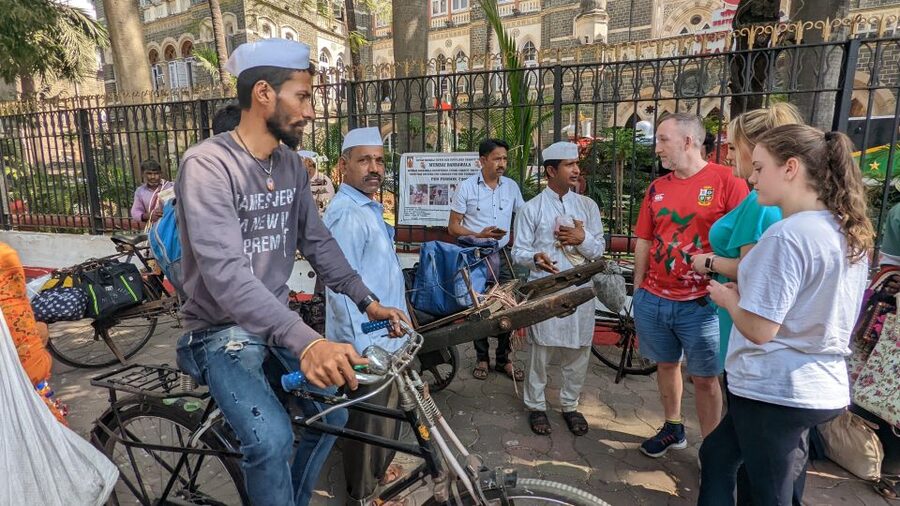
Mumbai turns real fast on this tour, led by locals like Loki. I love the way you see Dharavi up close with someone who lives in the neighborhood, and I love the inside look at Dhobi Ghat laundry operations. The only catch: you cannot take photos inside the slum, and the close, narrow streets can feel intense.
This is also excellent value. For about $14, you get a live English guide, transport, a guided walk in Dharavi, an inside visit at the open-air laundry, and a look at the lunchbox delivery workflow. You will ride local trains too, which saves time and makes the route feel like Mumbai, not a theme park.
If you want a respectful, practical way to understand Mumbai beyond the usual highlights, this one is hard to beat. It has a 4.9 rating from 689 reviews, and many people praise the guide experience for safety, clear English, and thoughtful explanations, including guides such as Maze, Alam, Ganesh, and Bharti.
In This Review
- Key highlights I think you will care about
- Dharavi, Dhobi Ghat, and dabbawallas in a half-day
- Starting at Churchgate and using local trains
- Walking Dharavi with a guide who lives there
- Respect rules you must follow
- What you might find challenging
- Dhobi Ghat, the open-air laundry you can actually see
- How to be a good visitor here
- Dabbawallas near Churchgate and how the lunchbox system works
- Timing rules can change what you see
- What you get for about $14, and why it feels fair
- Safety and comfort: what the best guides do
- Best time to book if dabbawallas are a must
- Who this tour is for, and who should skip it
- Should you book this Mumbai slum, laundry, and dabbawallas tour?
- FAQ
- How long is the Mumbai: Dharavi Slum, DhobiGhat, and Dabbawallas Tour?
- Where do I meet the guide for the tour?
- Is photography allowed during the tour?
- What is included in the ticket price?
- Will I always see the dabbawallas on this tour?
- Is this tour suitable for children or pregnant travelers?
- What should I bring for the tour?
Key highlights I think you will care about
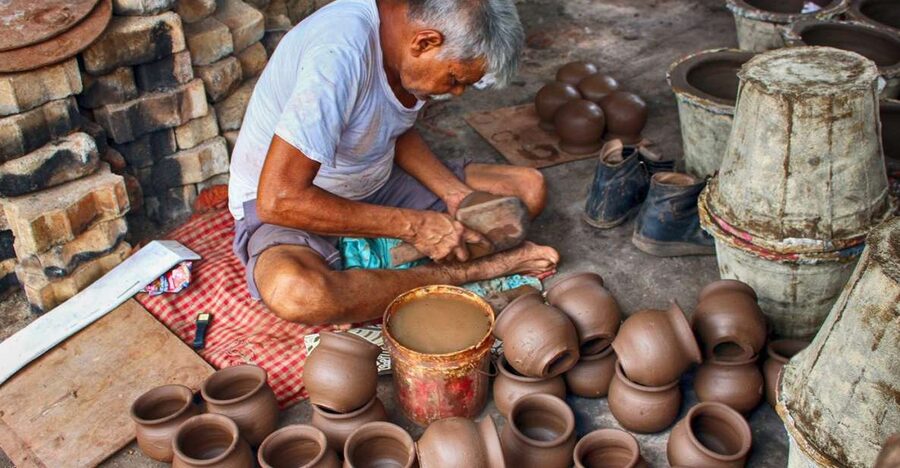
- Local guides from inside Dharavi often lead the walk and answer real questions, not generic ones
- Dhobi Ghat inside visit shows how the open-air laundry process works, step by step
- Public train segments help you dodge traffic and feel the rhythm of the city
- Dabbawallas lunchbox delivery view explains the system behind those famously on-time deliveries
- Respect rules are clear, especially around photography inside Dharavi
Mumbai, a few more routes through it
Dharavi, Dhobi Ghat, and dabbawallas in a half-day
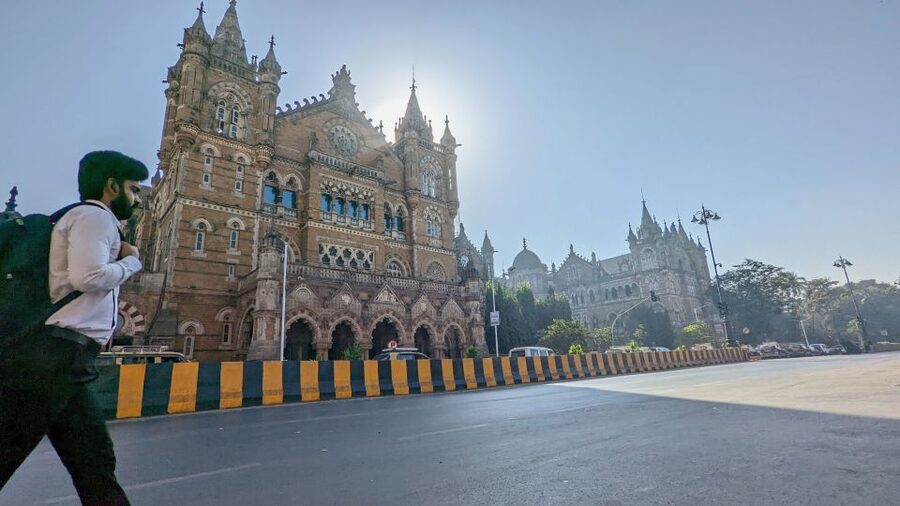
This tour is built around three work-focused places that show how Mumbai functions at ground level. Dharavi is known worldwide, but on this experience you do not just look at it, you walk with a guide who can explain how different industries and daily routines connect. Then you shift to Dhobi Ghat, an open-air laundry space where washing and sorting are part of the city’s visible infrastructure. Finally, you end near Churchgate to see the dabbawallas, the lunchbox delivery people whose system keeps office workers fed.
One reason I like this format is the pace. It is long enough to be meaningful, but short enough to stay manageable in hot weather. You should plan on about 3 to 4.5 hours overall, with walking inside Dharavi, a Dhobi Ghat guided visit, and two short train rides.
And it feels balanced. You spend time with people living and working in Dharavi, then you go to a place where the laundry process is watched from close range, then you see a logistics operation that runs on tight coordination.
Starting at Churchgate and using local trains
Your meeting point can vary by the option you book, but the standard flow is to meet your guide near Churchgate Railway Station and then hop onto a local train. The schedule is tight and practical: about 20 minutes by train toward Dharavi, then another short train segment later, around 15 minutes, before returning near Churchgate for the dabbawallas portion.
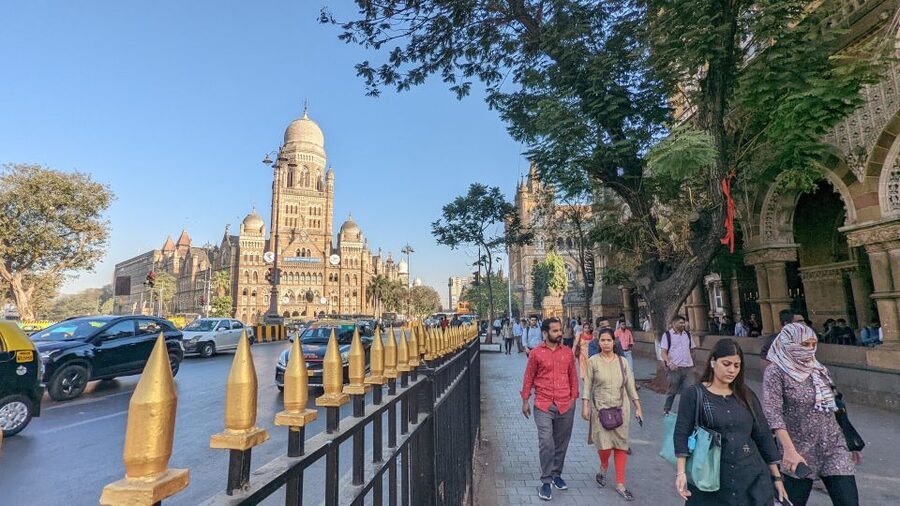
Why this matters: Mumbai’s traffic can be a headache. Taking the train keeps the day moving and gives you a real slice of commuter life. It also turns the tour into more than a walking loop. You are learning the city’s transport logic while you travel between neighborhoods.
What to watch for is crowding. Some trains can get busy, and you will want to stay aware of your space and belongings. A strong guide helps you time things right and keeps the group together.
One extra tip from the experience pattern people describe: try to wear something breathable and light, because the walk sections are outdoors and you will be in the sun more than you might expect.
Walking Dharavi with a guide who lives there
Dharavi is not a single factory or a single story. It is a maze of homes, small businesses, workshops, and community spaces. That is why the guide matters so much. Many of the best reviews mention guides who grew up in Dharavi or worked closely with residents, including names like Loki, Maze, Alam, Bharti, and Ganesh.
When you walk through Dharavi, you should expect a guided route that focuses on daily life and local industries. The point is not shock value. It is context. You learn what different workshops do, how work and home overlap, and how community networks help people function in a dense area.
Other Dharavi walks, guides named
- Mumbai: Dharavi Slum, DhobiGhat, and Dabbawallas Tour★ 4.9 · 689 reviews
- Dharavi Slum Tour★ 5.0 · 625 reviews
- Dharavi Slum tour in Mumbai by local resident★ 5.0 · 572 reviews
- Mumbai: Dharavi Slum Slumdog Millionaire Tour with a Local★ 4.9 · 529 reviews
- Mumbai Slum Tour – Visit Dharavi Slum with Local Guide★ 5.0 · 509 reviews
Respect rules you must follow
Photography is the big one. Photography is not allowed inside the Dharavi slum area. You should plan on leaving your camera away during that part of the walk and relying on your eyes and notes. Outside Dharavi, photography is allowed, so you will still have chances to capture the rest of the day.
Also expect close proximity. The streets are narrow, and the walk goes through areas where people live and work. Your guide should set expectations and keep the group moving at a pace that respects residents.
What you might find challenging
The main drawback of Dharavi is emotional weight, not danger. This is a real neighborhood with real poverty, but also real industry, skill, and community. If you struggle with seeing conditions that are far from what you are used to, the tour may feel heavy.
Also, the walking is not a flat, wide sidewalk stroll. It is a neighborhood walk. Good shoes help.
Dhobi Ghat, the open-air laundry you can actually see
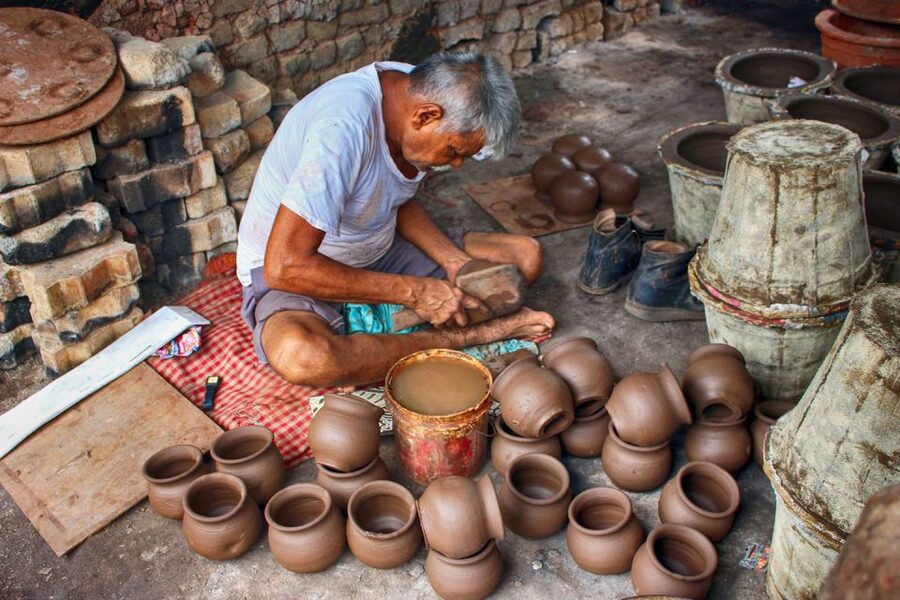
After Dharavi, the tour heads to Dhobi Ghat, an open-air laundry area where washing and sorting happen in a visible, industrial way. This is where the day shifts from personal stories to process.
You will get a guided visit, including walking time (about 20 minutes) and a structured look at how the laundry works. People tend to remember Dhobi Ghat because you can understand the workflow with your own eyes. Clothing is handled, sorted, washed, and dried in a system that looks simple until you notice the scale and organization needed to keep it running.
Here is why it is valuable for your understanding of Mumbai: it connects the city’s labor to its physical spaces. In a normal tourist day, work happens off-screen. At Dhobi Ghat, work is the main event.
How to be a good visitor here
You are stepping into an active working area. Follow your guide’s instructions and be careful where you stand. Because this is open-air and active, it is also hot and noisy at times. Stay hydrated and keep your pace steady.
If you love hands-on logistics and operational details, Dhobi Ghat will scratch that itch. If you just want photo ops, remember that you still have to behave like a respectful guest in a working environment.
Dabbawallas near Churchgate and how the lunchbox system works
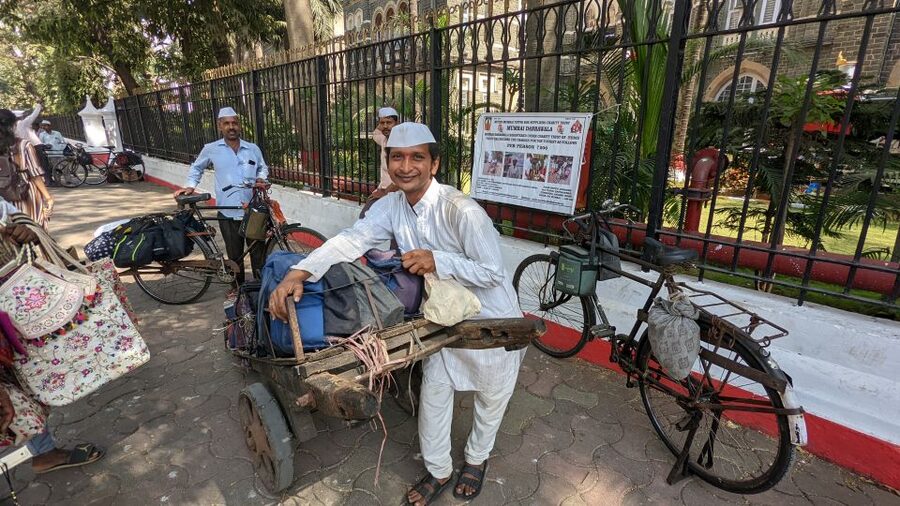
The dabbawallas portion happens near Churchgate Railway Station. The dabbawallas are lunchbox delivery people who coordinate daily food deliveries for office workers, using a system that depends on accuracy and timing.
During this part of the tour, you can expect to see the operation in action and hear how it runs. Many guides are praised for explaining the workflow clearly, including the roles and timing behind deliveries. In several reviews, people mention bike sorting and tiffin tin activity near the station area, which gives you a visual sense of how the system moves from collection to delivery.
Timing rules can change what you see
Two important limitations are baked in:
- Dabbawallas do not operate on public holidays and Sundays, so they will not be part of the itinerary on those days.
- There is also a Diwali leave window for dabbawallas in late October to early November 2024, and tours booked for Oct 31 to Nov 4, 2024 would not be able to see them.
So if seeing the dabbawallas is your number one reason for booking, check your travel dates carefully. This is one of those experiences where the calendar matters.
What you get for about $14, and why it feels fair
Let’s talk value. A price around $14 for a 3 to 4.5 hour tour is low compared to many city-guided experiences, and the reason it works here is that you are not paying for a long museum-style stop. You are paying for:
- a live English guide
- transport that includes train segments
- guided time in Dharavi
- an inside visit at Dhobi Ghat
- time to see the dabbawallas in action
That bundle is the value. You are getting local context where it would be hard or uncomfortable to go on your own. You also save time by using public transport with guidance. Guides like Loki, Maze, Alam, and Bharti are repeatedly praised for safety and clear explanations, which is a big deal in areas that can confuse first-time visitors.
The only cost to you is mental effort. This is not a carefree sightseeing circuit. It asks you to pay attention and be respectful.
Safety and comfort: what the best guides do
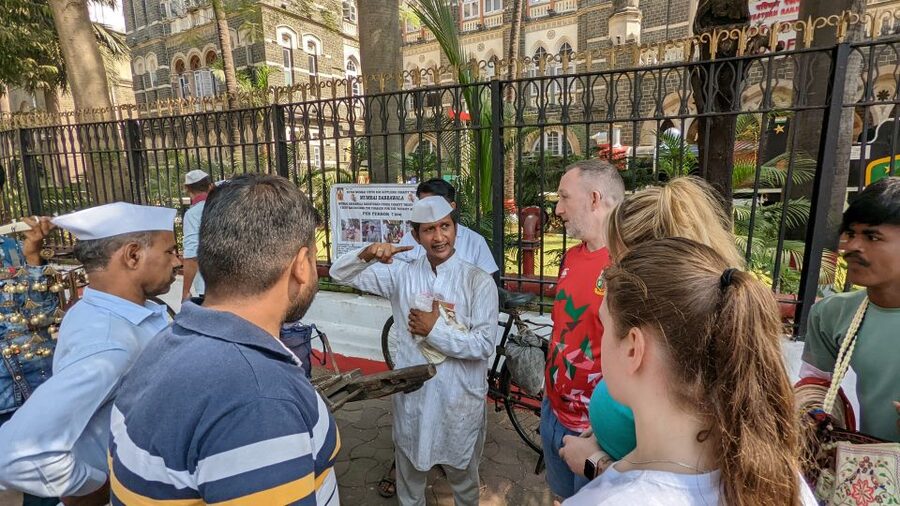
You will likely feel safe if you choose a guided group and follow instructions. Many reviews specifically praise guides for looking after the group and managing time. That matters because the day combines three busy zones: a dense neighborhood walk, an active laundry environment, and a station area logistics view.
A guide’s job here is practical:
- keep the group together
- explain where you should and should not go
- enforce the photography rules inside Dharavi
- manage pacing so you do not fall behind in tight streets
You might also get small breaks built into the flow. One group notes a tea and restroom stop mid-tour led by their guide. You should not expect that every time, but it is a sign that good guides manage your comfort, not just the route.
For your comfort, bring a sun hat as suggested. Mumbai sun is strong, and most of this tour happens outside.
Best time to book if dabbawallas are a must
If you want the full experience including the dabbawallas, aim for a day when they operate. The tour data is clear that they do not run on public holidays and Sundays. That means a lot depends on your schedule.
Also remember the special Diwali leave window for 2024. If your trip lands between Oct 31 and Nov 4, 2024, you should plan for the possibility that you will not see them.
If you are not traveling during that window and you are going on a weekday, you improve your odds of seeing the delivery operation as designed.
Who this tour is for, and who should skip it
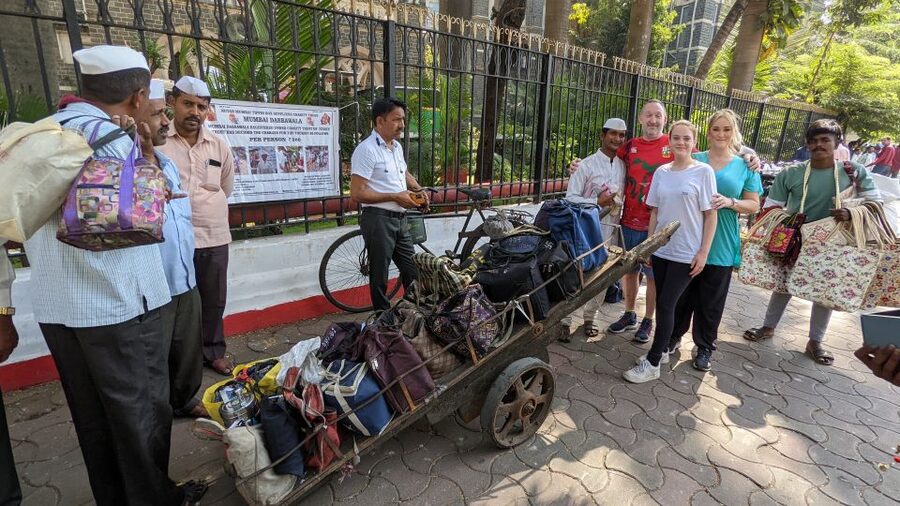
This is a strong fit if you like city process and real-life work stories, not just monuments. It is also great if you want an English guide who can answer questions and explain industries in plain language. Many people mention that their guides were warm, respectful, and careful about privacy.
It is not suitable for children under 4 years old and it is not suitable for pregnant women. This is mainly about the walking and the working environments, so it is best to plan accordingly.
If you are sensitive to poverty imagery, keep expectations grounded. You are not coming to a theme park. You are walking through a lived neighborhood and a working laundry and delivery system.
Should you book this Mumbai slum, laundry, and dabbawallas tour?
I think you should book it if you want the Mumbai that runs underneath the postcards. For the money, you get guided access to Dharavi, a close inside look at Dhobi Ghat, and a chance to understand the dabbawallas system near Churchgate. The consistent praise for guides, including Loki, Maze, Alam, Ganesh, and Bharti, tells me this works when you care about respect and context, not just photos.
You should think twice if photography inside Dharavi is a big deal for you. It is not allowed in the slum area, and you will need to follow that rule. Also, if long walks in hot weather would be difficult, or if your trip is on a Sunday or public holiday, you might miss the dabbawallas portion.
One more practical nudge: book with flexibility if you can. This experience includes free cancellation up to 24 hours in advance for a full refund, and there is a reserve now, pay later option for keeping plans flexible.
FAQ
How long is the Mumbai: Dharavi Slum, DhobiGhat, and Dabbawallas Tour?
The tour runs about 3 to 4.5 hours, depending on the schedule available.
Where do I meet the guide for the tour?
Your meeting point can vary by the selected option. The standard meeting flow includes meeting your guide at Churchgate Railway Station.
Is photography allowed during the tour?
Photography is not allowed inside the Dharavi slum. Photography is allowed everywhere else.
What is included in the ticket price?
The tour includes a live guide, transportation, a Dharavi guided tour, an inside tour at Dhobi Ghat, and a chance to see the dabbawallas in action.
Will I always see the dabbawallas on this tour?
No. Dabbawallas do not operate on public holidays and Sundays, so they will not be part of the itinerary on those days.
Is this tour suitable for children or pregnant travelers?
The tour is not suitable for children under 4 years old and it is not suitable for pregnant women.
What should I bring for the tour?
A sun hat is recommended.
More Dharavi Walks with Local Guides





Mumbai, Keep Exploring





Recently reviewed across Mumbai
- Mumbai City Sightseeing Guided Tour on a Bicycle
★ 5.0 · 10 reviews - Mumbai Street Food & Beach Tour with 10+ Tastings
★ 5.0 · 10 reviews - Mumbai Market Tour & Maharashtrian Cooking Class with Chef Reshma
★ 4.5 · 10 reviews - Sailing Experience in Mumbai on Mid Size Yacht
★ 5.0 · 10 reviews - 3 Days Complete Mumbai Tour Inclusive of Bollywood Studio Experience
★ 5.0 · 10 reviews - Dharavi Slum Tour
★ 5.0 · 10 reviews
Mumbai City Tours, compared.
 ★ 4.9Full-Day Sightseeing Tour of MumbaiFrom $241,822 reviews
 ★ 5.0Group Guided Walking Tour in Fort and ColabaFrom $161,073 reviews
 ★ 4.8Elephanta Caves Half-Day Guided Tour with ExpertFrom $301,032 reviews
 ★ 5.0Highlights of Mumbai Sightseeing Tour: TRAVELLERS CHOICE AWARDEDFrom $33915 reviews
 ★ 5.0Private Guided Walking Tour in Fort & ColabaFrom $36895 reviews
 ★ 4.9Street Food and Night Markets TourFrom $13719 reviews
 ★ 5.0Highlights of South Mumbai Guided Private Tour in AC VehicleFrom $74620 reviews
 ★ 5.0The Original Mumbai by Dawn – Recommended by Nigella Lawson & Nat Geo Traveller!From $86610 reviews
Browse the lists this tour appears in