
REVIEW · DHARAVI AND MUMBAI SLUM TOURS
Dharavi Slum Tour
Mumbai has a surprise in store for you. This Dharavi walk gives you a clear look at local work inside one of Asia’s biggest informal neighborhoods, where crafts, recycling, and small manufacturing run side by side with family life.
I especially love how the guide structure keeps it practical and human, with hosts like Rakesh and Leena showing how residents organize work, questions, and daily routines. I also like that the tour ends at the Reality Tours & Travel office in Dharavi, where you can hear how tour funds support education and health projects.
One possible drawback to plan for: no photography is allowed while you’re inside Dharavi, and you’ll need modest, shoulder and knee-covering clothing. The lanes are tight, so wear comfortable shoes and expect a straightforward walking experience, not a cushy city tour.
In This Review
- Quick takeaways
- Why this Dharavi walk feels different from a typical slum tour
- Meeting point and getting there: plan around local rail or meet the office
- Stop 1 in Dharavi: recycling, crafts, rooftop views, and popaddom
- The industries you’ll actually see, and why that matters
- Stop 2 at the Dharavi office: a soft drink and a money trail
- What to wear and how to act in Dharavi (so you feel comfortable and respectful)
- Lunch, water, and pacing: what’s included and what’s optional
- Price and value: $20.40 for a guided look at real local work
- Group size and vibe: small enough to ask questions, big enough to share time
- Who should book this Dharavi tour, and who might skip it
- Should you book the Dharavi Slum Tour with Reality Tours & Travel?
Quick takeaways
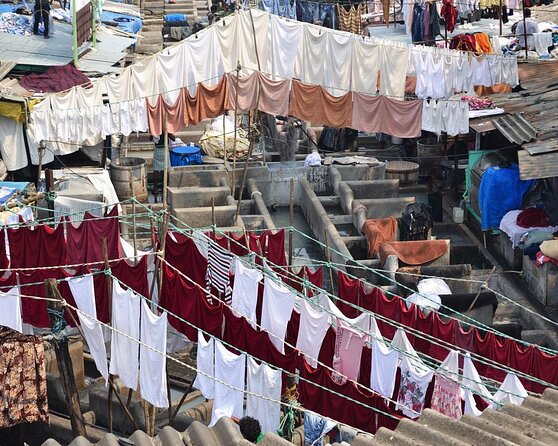
- You’re walking through working neighborhoods, with stops tied to recycling, pottery, and food making
- No photos while in Dharavi, so come ready to observe with your eyes, not your camera
- The tour has a visible funding purpose, ending at the operator’s office to explain reinvestment
- Expect about 2.5 hours total, including time with your guide through the lanes and workshops
- Dress modestly (shoulders and knees covered), since conservative norms apply throughout India
- Local guides lead the way, and several guides are noted as being from the community
Other Dharavi walks, guides named
Why this Dharavi walk feels different from a typical slum tour
Dharavi is one of those places people talk about in headlines, but a walking tour turns it into something you can actually understand. Instead of just photographing poverty, this experience focuses on how residents run businesses and solve problems day to day. You’ll see the city within a city feeling, where work happens in small spaces and routines keep moving.
What makes it stand out for me is the tone most people come for, and that most guides deliver well: agency. You’re not being dragged through misery. You’re being shown commerce, skills, and neighborhoods living with hustle, constraint, and pride. Even the way the tour flows helps, because it’s broken into recognizable pockets of activity, not one long, vague wander.
The guides matter here. Many tours of “unfamiliar neighborhoods” can feel scripted. This one tends to feel conversational because the guide is there to explain how things are organized, and they’ll answer questions. Names that come up often include Rakesh, Leena, Javed, Cethan, Suraj, Jay, and Rishi, and the consistent theme is respect plus clarity.
Meeting point and getting there: plan around local rail or meet the office
You start and end at the same spot: Reality Tours & Travel (Dharavi), 60 Feet Road, in Kumbhar Wada, Dharavi (Mumbai 400017). It’s a practical meeting point that also works as a debrief location afterward.
The big logistics choice is how you get there. Your tour may include travel by train with your guide, or you might go on your own if you select the self-arrival option. Either way, do yourself a favor and build in buffer time. Mumbai moves fast, and you want to arrive calm enough to listen.
Also note what you are not getting: there’s no hotel pickup or drop-off. That’s normal for this kind of city-based tour, but it means you should already have your bearings in the area around public transport.
Stop 1 in Dharavi: recycling, crafts, rooftop views, and popaddom
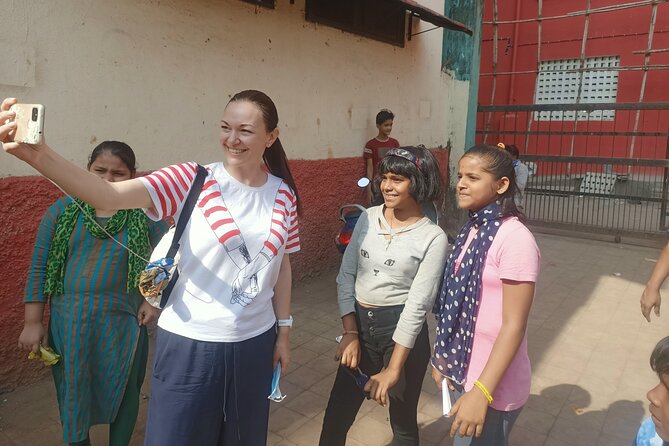
The main portion of the tour happens right in Dharavi, typically lasting about two hours. Your guide brings you through narrow lanes and working pockets, where you’ll see why Dharavi is often described as an industrial hub.
Here are the kinds of stops you can expect during Stop 1:
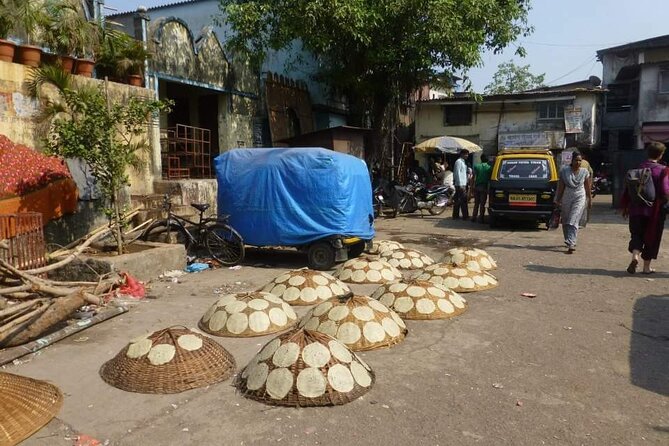
- Recycling area viewing, where materials are sorted and prepared for reuse
- A rooftop visit, giving you a different perspective on how densely the neighborhood is built
- Popaddom making, so you can connect street snacks to the supply chain behind them
- Kumbhar Wada pottery colony, with hands-on craft work and local production rhythms
You’ll also hear the scale of the place discussed in plain terms. Dharavi is home to nearly one million residents and it functions like a compact city with industry and daily life intertwined. That’s not just a statistic, it helps you understand why the lanes feel so alive with commerce.
The drawback to keep in mind: because this is an active neighborhood, the tour is not designed for slow pacing or frequent long rests. It’s a walk, through real spaces. If you’re expecting a museum-style experience, shift your mindset. Think of it as guided city watching with specific industry stops.
- Elephanta Caves & Island Guided Private Tour★ 5.0 · 1,327 reviews
- Private Guided Walking Tour in Fort & Colaba★ 5.0 · 895 reviews
- Mumbai: Street Food and Night Markets Tour★ 4.9 · 719 reviews
- Mumbai: Dharavi Slum, DhobiGhat, and Dabbawallas Tour★ 4.9 · 689 reviews
- Dharavi Slum Tour★ 5.0 · 625 reviews
The industries you’ll actually see, and why that matters
The tour doesn’t just name categories like recycling or leather and call it done. It is built around concrete examples of how residents earn a living and create value. When you see textiles, recycling, and leather tanning mentioned as key parts of the local economy, it’s helpful context, but the real payoff is watching how the process looks in everyday settings.
A few themes tend to land with most first-timers:
- Small-space production is the norm. Work happens in and around homes and shared areas.
- Skills transfer fast. Even without formal classrooms in every stop, you’ll get the sense that trade knowledge is part of community life.
- This is local business, not charity theater. The focus stays on how residents run operations, manage customers, and keep moving.
Several guide stories from the experience notes emphasize respect and a “here’s how it works” approach. That shows up in how guides explain what you’re seeing, and in how they handle questions. If you like tours that answer the big why questions, this is the type that tends to satisfy.
Stop 2 at the Dharavi office: a soft drink and a money trail
The tour ends at the operator’s office in Dharavi, in the same general meeting area where you started. You’ll have a soft drink, then your guide shares more about how tour proceeds are reinvested into the community.
This part matters more than it sounds. Many tours claim a social impact, but you don’t usually get a clear, human explanation of where the money goes. Here, the structure is built so that you leave with at least a basic sense of the funding direction, including education, health, and livelihood support.
It also changes the tone of the whole visit. You’re not only observing. You’re participating in the support system the operator has set up. Even if you don’t know the exact program names in advance, the point is clear: the money is intended to fund real community projects, not just pay for the walk.
What to wear and how to act in Dharavi (so you feel comfortable and respectful)
This tour comes with a straightforward respect checklist.
Dress code: modest, respectful clothing is required across India, and for this experience that means covering shoulders and knees.
No photography: you’ll need to leave your camera energy behind. Out of respect for residents, no photography is permitted while in Dharavi. Plan to use your eyes and your notebook or phone notes, not the camera.
Shoes: closed-toe shoes help a lot for walking and narrow lanes, and you’ll want something stable. This is a practical tip because you don’t want to be thinking about your feet halfway through the tour.
Keep questions thoughtful: the best guides handle questions well, but the tour is strongest when you ask in a way that supports learning rather than judgment.
If you follow those guidelines, you’ll fit in better quickly. And you’ll feel less stressed, which means you’ll actually catch details that make the tour worth the time.
Lunch, water, and pacing: what’s included and what’s optional
You get water or a cold drink during the experience. Lunch is optional and costs extra if you choose it.
Because the tour runs about two hours and thirty minutes total, you don’t want to guess wrong on hunger. If you tend to get hungry while walking, consider adding the optional lunch. If you don’t, you may be fine with just the included drink.
Pacing is also part of value here. Short duration tours can feel rushed. This one has enough time to connect stops and see multiple production areas, without turning into an all-day ordeal.
Price and value: $20.40 for a guided look at real local work
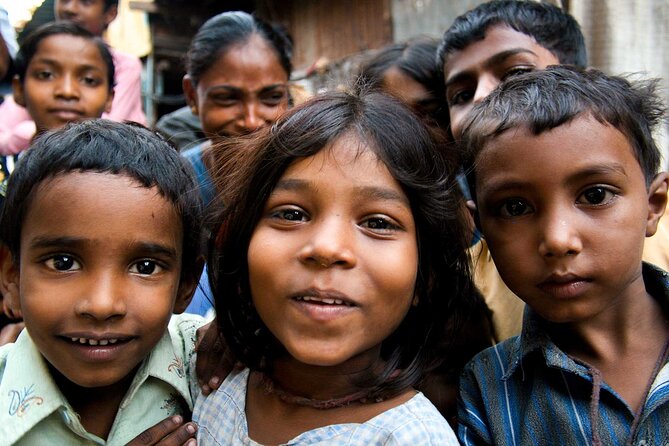
At $20.40 per person, this isn’t a luxury tour. But value isn’t only about comfort, it’s about what you gain for the time you spend.
Here’s why the price can make sense:
- You get a local English-speaking guide to explain what you’re seeing in the working areas
- The tour includes water or a cold drink
- Your ticket supports community projects in education, health, and livelihood
- The tour time is long enough to feel like a real experience, not a quick photo stop
In other words, you’re paying for access plus context plus reinvestment. If your goal is to understand Mumbai beyond the usual landmarks, this is one of the more direct ways to do it at a low cost.
Group size and vibe: small enough to ask questions, big enough to share time
The group size can go up to 99 travelers, and it’s a group tour. That sounds large on paper, so here’s what to watch for in the real experience: the guide’s ability to keep everyone oriented and answer questions without losing track of the walking flow.
Even with bigger max capacity, the experience notes tend to praise guides for being flexible and respectful, including a story about Rakesh handling navigation challenges related to traffic. That kind of practical flexibility is a big deal in Mumbai.
Also, you’ll typically get that “you’re not alone” feeling. You’ll be walking through tight lanes with others, so expect a bit of crowding at bottlenecks. Just don’t let that discourage you. It’s part of how the neighborhood functions.
Who should book this Dharavi tour, and who might skip it
You’ll love it if:
- You want a Mumbai experience that goes beyond famous monuments
- You’re interested in how small businesses operate in dense urban spaces
- You like tours led by local voices, with guides who can answer questions clearly
- You care about tours where your payment has a defined community purpose
You might skip it if:
- You hate walking through narrow lanes and prefer wide, open sightseeing
- You’re uncomfortable with the no-photography rule
- You need hotel pickup and a more “closed system” tour setup
If you’re a solo traveler, this tour can still work well. One experience note specifically mentions going solo and feeling safe, and several guides are described as patient and helpful when people had delays.
Should you book the Dharavi Slum Tour with Reality Tours & Travel?
If you want a Mumbai tour that challenges stereotypes and shows residents running real industries, I think this is a strong booking. The pricing is reasonable for a 2.5-hour guided walk, and the structure is built around community support, not just sightseeing.
Just go in prepared: modest clothing, no photos, good walking shoes, and a mindset focused on learning how the place works. If that sounds like your kind of day, book it. If you want a classic tourist circuit with nonstop comfort and camera moments, pick something else.
More Dharavi Walks with Local Guides




Recently reviewed across Mumbai
- Mumbai City Sightseeing Guided Tour on a Bicycle
★ 5.0 · 10 reviews - Mumbai Street Food & Beach Tour with 10+ Tastings
★ 5.0 · 10 reviews - Mumbai Market Tour & Maharashtrian Cooking Class with Chef Reshma
★ 4.5 · 10 reviews - Sailing Experience in Mumbai on Mid Size Yacht
★ 5.0 · 10 reviews - 3 Days Complete Mumbai Tour Inclusive of Bollywood Studio Experience
★ 5.0 · 10 reviews - Dharavi Slum Tour
★ 5.0 · 10 reviews
Dharavi and Mumbai Slum Tours, compared.
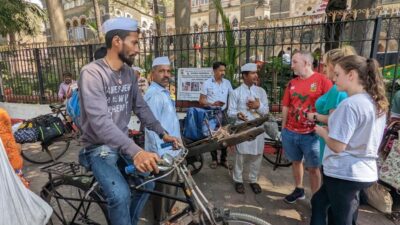 ★ 4.9Dharavi Slum, DhobiGhat, and Dabbawallas TourFrom $14689 reviews
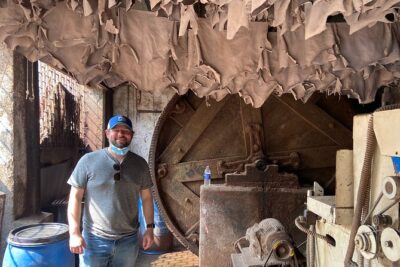 ★ 5.0Dharavi Slum tour in Mumbai by local residentFrom $4572 reviews
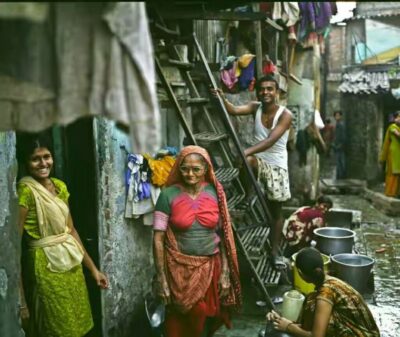 ★ 4.9Dharavi Slum Slumdog Millionaire Tour with a LocalFrom $10529 reviews
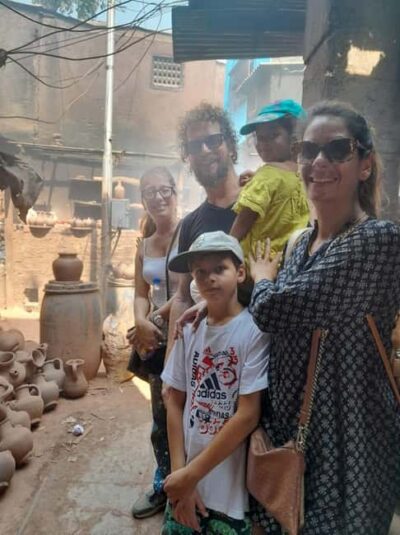 ★ 5.0Mumbai Slum Tour – Visit Dharavi Slum with Local GuideFrom $5509 reviews
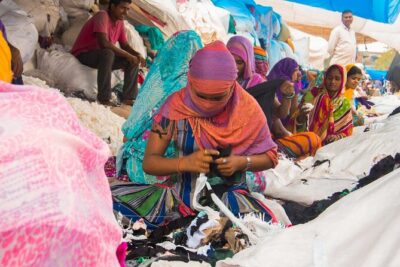 ★ 5.0Sanjay Colony Slum TourFrom $21498 reviews
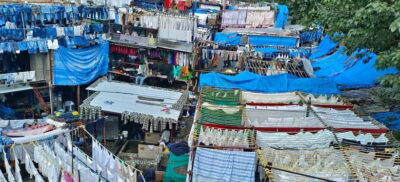 ★ 5.0Dhobi Ghat Laundry and Dharavi Slum Tour with LocalFrom $4469 reviews
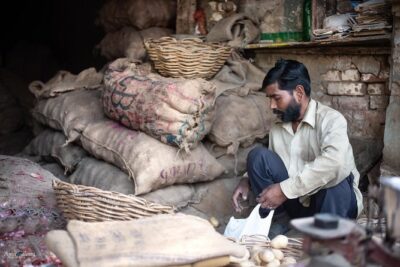 ★ 5.0New Delhi Slum Walking TourFrom $28360 reviews
 ★ 5.02-Hour Guided Tour of DharaviFrom $22359 reviews
Browse the lists this tour appears in