
REVIEW · MUMBAI CITY TOURS
Mumbai: Local Markets & Temples Tour
Markets teach Mumbai fast.
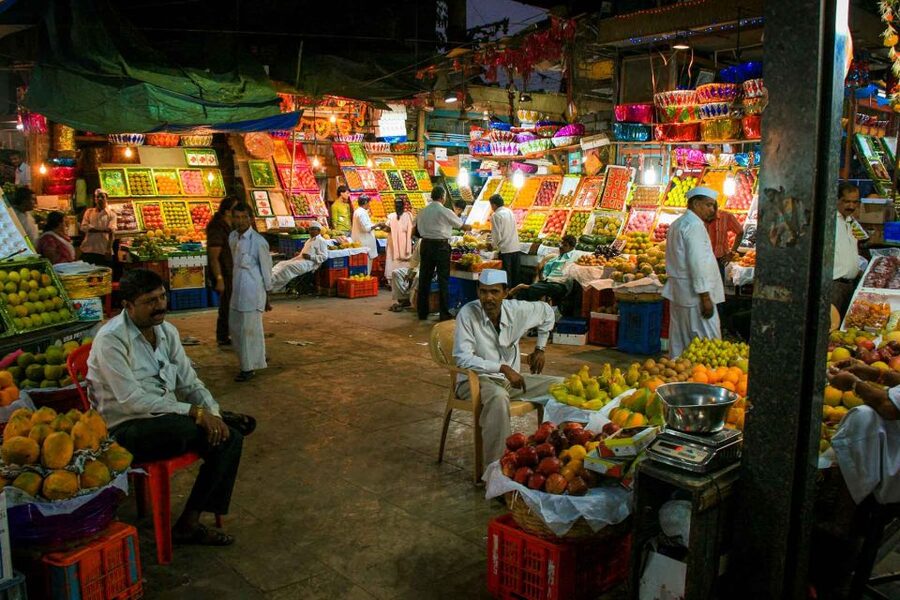
I love the wholesale close-ups at Crawford Market and the way Panjrapole turns the tour into more than shopping, with temple stops that explain why this place matters. One consideration: it is a short route, so you will see a focused set of sites, not a full all-day greatest-hits temple lineup.
I also like the human touch, with a local English-speaking guide who can make the chaos feel organized, and guides such as Rakesh or Javid are known for clear, friendly explanations. You get water/cold drinks, and the tour runs rain or shine, so plan for street-level weather and movement.
In This Review
- Key things you will notice on this Mumbai tour
- How this Mumbai markets and temples tour really works
- Where you start: Regal Cinema, then a quick black cab hop
- Crawford Market: wholesale life in fruit, vegetables, and meat
- Mangaldas Market: the indoor textile world locals actually use
- Flower Alley and old bazaar lanes: seeing the city between the anchors
- Zaveri Bazaar: a classic stop for sights and local commerce
- Passing a local restaurant: you get the neighborhood, not a full meal
- Mumbadevi Temple: the namesake story behind Mumba
- Shri Mumbai Panjrapole: a cow shelter with real welfare at the center
- The 2.5 to 3 hour pacing: why this duration works
- Price and value: what $27 gets you, and what it does not
- Who should book this Mumbai markets and temples tour
- Should you book it?
- FAQ
- How long is the Mumbai local markets and temples tour?
- What is the price per person?
- Where do I meet for the tour?
- Is food included?
- What is included in the tour?
- Do I need to worry about rain?
- What stops are included during the visit?
- Where do you end the tour?
Key things you will notice on this Mumbai tour
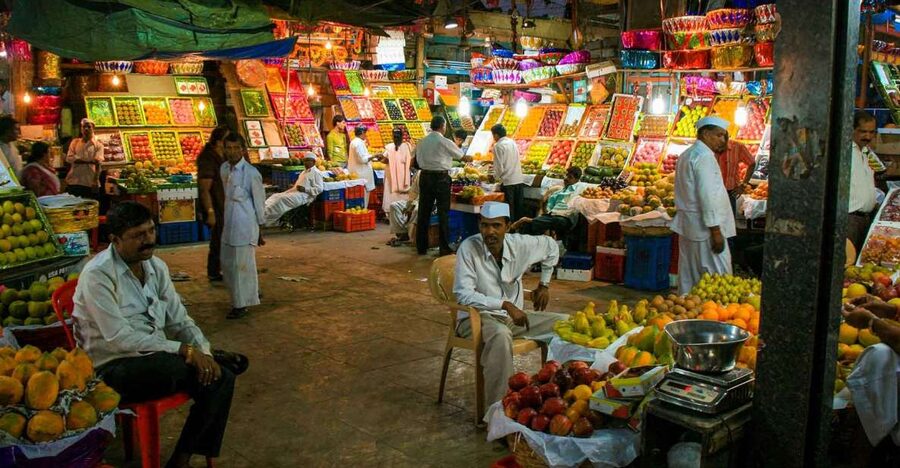
- Wholesale markets with a purpose: You do not just pass by, you get context for what is being sold and why it matters.
- Indoor textile shopping at full volume: Mangaldas Market is where locals buy clothing, not where tourists browse.
- Old lanes plus famous names: You connect historic streets with places like Mumbadevi Temple, tied to the city’s identity.
- A cow sanctuary visit that changes your pace: Panjrapole is dedicated to caring for more than 350 cows, and the vibe is calmer by comparison.
- Tight timing that still feels complete: In 2.5 to 3 hours, you hit major stops plus the short lane-walking in between.
Mumbai, a few more routes through it
How this Mumbai markets and temples tour really works
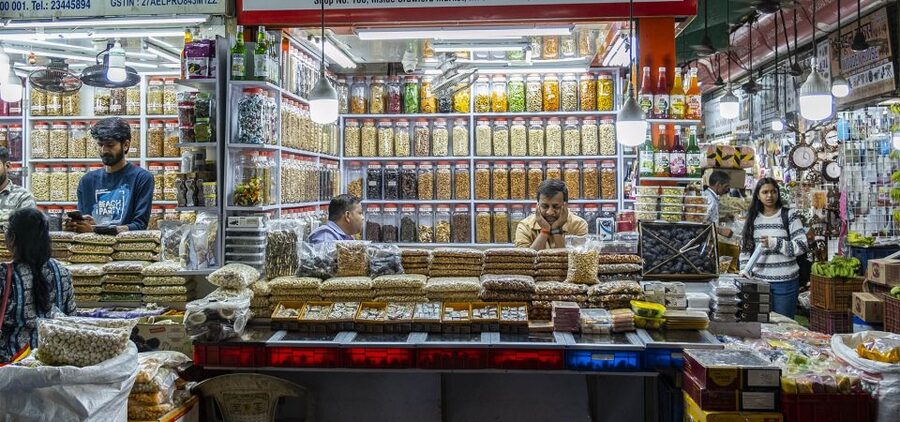
This is the kind of tour that helps you understand Mumbai as a city of systems, not just sights. One lane explains commerce. The next explains faith. Then you slow down for a cow shelter that is all about welfare, not sightseeing.
I like that the route blends high-energy market streets with a couple of meaningful anchors. You are not stuck in one type of place, and you get a built-in rhythm: noise, visual variety, quick explanations, then moments that ask you to pay attention in a different way.
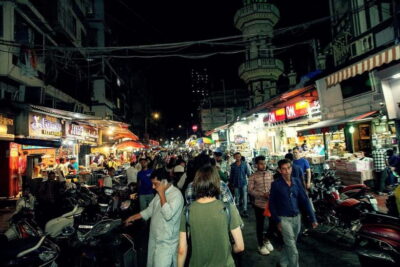
The guide keeps things moving but also makes time for you to look. That matters because Mumbai markets are not museum quiet. You will hear vendors calling, see stacks and bundles, and notice that people here are buying, not posing.
Where you start: Regal Cinema, then a quick black cab hop
You meet near Regal Cinema, and from there you take a short black cab ride (about 15 minutes). That brief car transfer is a smart move. It gets you into the market zone without spending your whole limited time battling traffic and detours on foot.
Why this matters for you: a 2.5 to 3 hour tour is short enough that every minute counts. The cab hop also helps if you arrive at a confusing time or you are still getting your bearings in the city.
After that, it is street level all the way. Expect narrow lanes, sudden turns, and that classic Mumbai mix of historic buildings nearby to working businesses. Keep your phone handy, but keep your eyes up too, because the best details are often at shoulder height, not at skyline height.
Crawford Market: wholesale life in fruit, vegetables, and meat
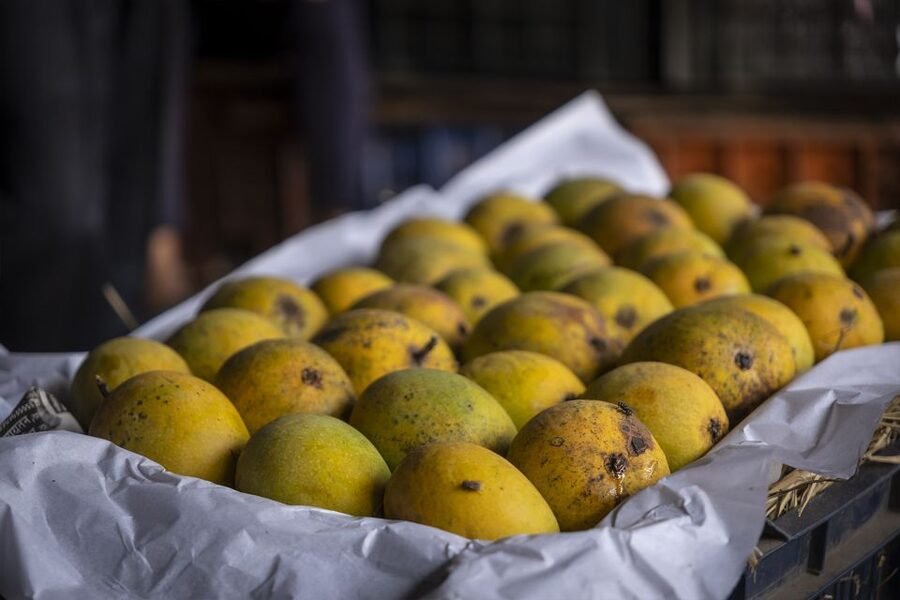
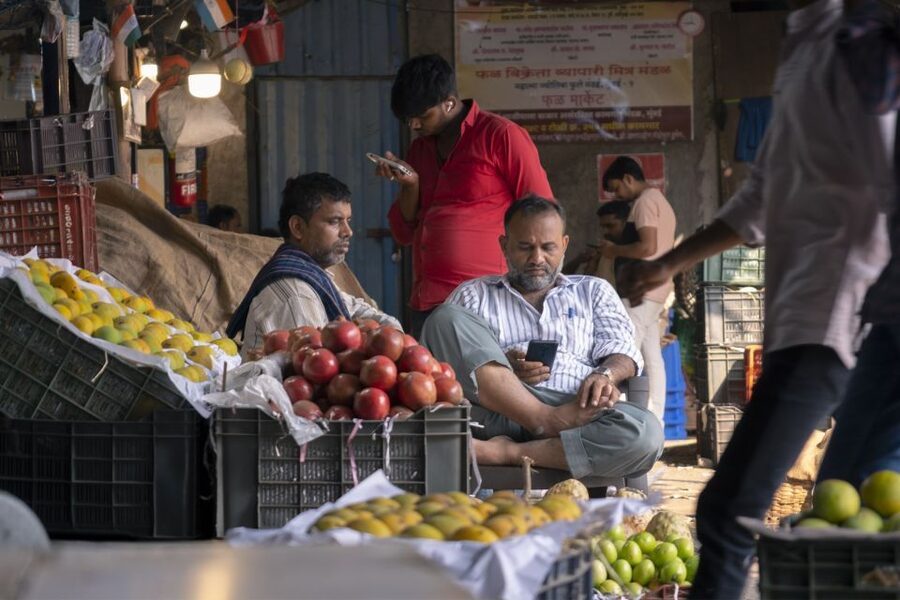
Crawford Market is one of the city’s biggest wholesale fruit, vegetable, and meat markets. You spend time here with a guided visit and a walk, roughly around 15 minutes.
What you will feel: it is energetic and practical. This is not about browsing for fun. People come with plans, shopping lists, and work to do. That makes the place easier to interpret once your guide frames it.
What to look for
- The scale of the trading, where sellers and buyers operate fast.
- The mix of products that travel through the city every day.
- The way the crowd moves, which is its own kind of choreography.
A small caution: market temperatures and smells can hit strong, especially if you are sensitive. Water helps, and you have it included. Still, dress in comfortable layers and consider a light mask if you are bothered by dust or strong odors.
- Elephanta Caves & Island Guided Private Tour★ 5.0 · 1,327 reviews
- Private Guided Walking Tour in Fort & Colaba★ 5.0 · 895 reviews
- Mumbai: Street Food and Night Markets Tour★ 4.9 · 719 reviews
- Mumbai: Dharavi Slum, DhobiGhat, and Dabbawallas Tour★ 4.9 · 689 reviews
- Dharavi Slum Tour★ 5.0 · 625 reviews
Mangaldas Market: the indoor textile world locals actually use
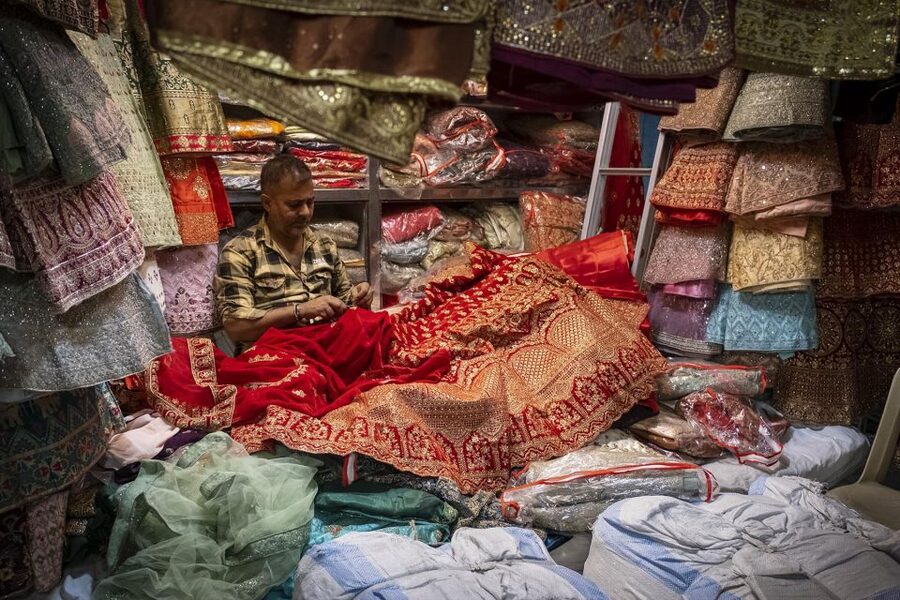
Next comes Mangaldas Market, where you see Mumbai’s largest indoor wholesale textile market. Locals buy clothing here, so the energy is different from an open-air souvenir street. It is tighter, more product-focused, and often more intensely transactional.
You get about 10 minutes here with guided time, plus walking. That is not long, but it is enough to understand the logic. Textiles in India are not a single category. They are color, fabric type, tradition, and everyday practicality all rolled together.
How to get the most out of it
- Notice how people assess fabric by feel and look, not just color.
- Watch for packaging and bundles, because wholesale means bulk handling.
- Follow your guide’s cues on what is worth paying attention to, so you do not get lost in the noise.
If you came hoping for wide quiet shopping, you might find Mangaldas more intense than expected. But if you want the real Mumbai buying experience, this is one of the best places on the route.
Flower Alley and old bazaar lanes: seeing the city between the anchors
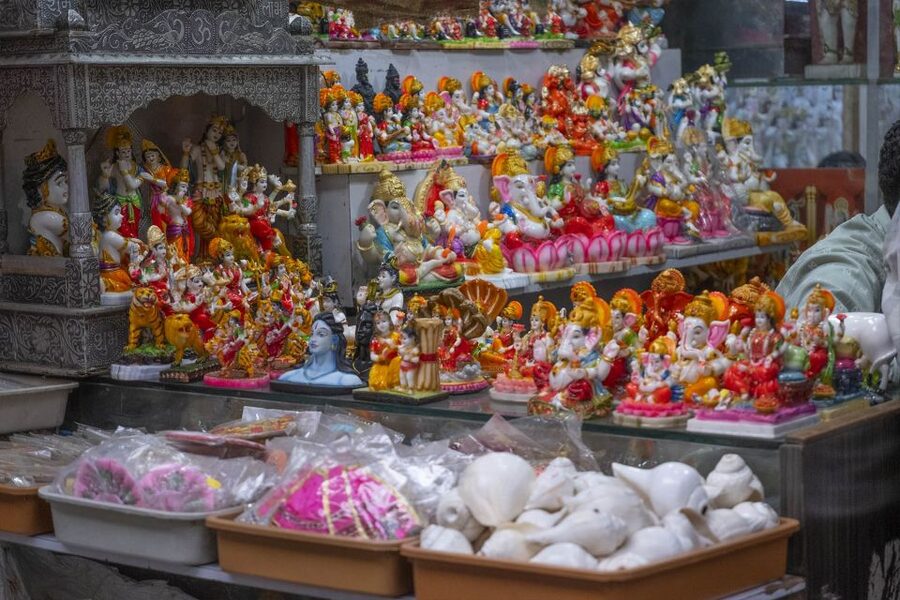
Between major stops, the tour leans into older lanes and lesser-known shopping spaces, including a chance to see areas like Flower Alley. This is where Mumbai stops feeling like separate attractions and starts feeling like one connected neighborhood.
Why this middle stretch is valuable: you get context for how locals move. Markets do not exist in isolation. They are threaded into residential life, temples, and daily errands.
What you can do as the walker
- Slow down for a few seconds when your guide points out a street pattern or a building detail.
- Look for signs of what businesses do here, not just what they look like.
- Keep track of your time and stay close to the group, because lane turns can be quick.
This part of the tour is also a good moment to take quick photos from safe angles. Traffic and crowd density can make standing still risky, so ask your guide for a quick pause if you need it.
Zaveri Bazaar: a classic stop for sights and local commerce
After Mangaldas, you head to Zaveri Bazaar. You get around 10 minutes here for sightseeing and guided context.
Zaveri Bazaar is a name you will hear in Mumbai shopping conversations, and this brief stop acts like a bridge: it connects textile and market street energy to the city’s older trade routes. Even if you do not buy anything, you start to see how commerce concentrates in certain pockets.
What to pay attention to
- The density of storefronts and the speed of movement.
- How people navigate side-by-side, without getting stuck.
- The mixture of everyday shopping with the feel of a traditional commercial lane.
A practical note: since the tour is short, you may not have time to browse deeply. If shopping is your main goal, keep your wallet decisions for later, after you understand what you just saw.
Passing a local restaurant: you get the neighborhood, not a full meal
You pass by a local restaurant for a short moment, about 5 minutes. This is not a meal stop, and food is not included.
So how should you use this time? Treat it as a cue for where you might eat later. Your guide’s market context often helps you understand what kind of food is popular nearby and what sorts of places are worth checking out after the tour ends.
If you are hungry during the tour, carry your own snack. The tour does include water or cold drinks, but it does not include food, so plan ahead if you need something more substantial.
Mumbadevi Temple: the namesake story behind Mumba
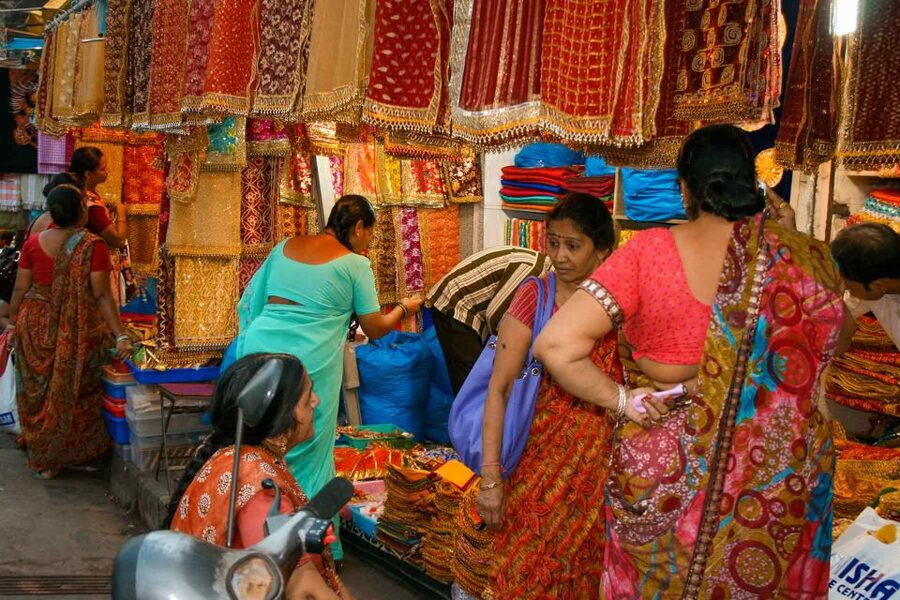
Then you shift gears to Mumbadevi Temple. You spend around 10 minutes here with guided visiting and walking, plus sightseeing time.
This stop matters because it gives Mumbai a story anchor. Mumbadevi is described as the historic Hindu temple that is the namesake of Mumba. That means you are not just seeing religion as a separate category. You are seeing religion tied to the city’s identity.
What to do during the temple moment
- Move calmly through the area and follow your guide’s instructions.
- Watch for where people focus their attention, then let your understanding catch up.
- Keep your phone away unless your guide says it is fine. Temples can have rules that change by moment.
One possible trade-off: this is not a long temple circuit. If your dream is a marathon of landmark monuments, this tour gives you one strong anchor and then returns to the market logic of the city.
Shri Mumbai Panjrapole: a cow shelter with real welfare at the center
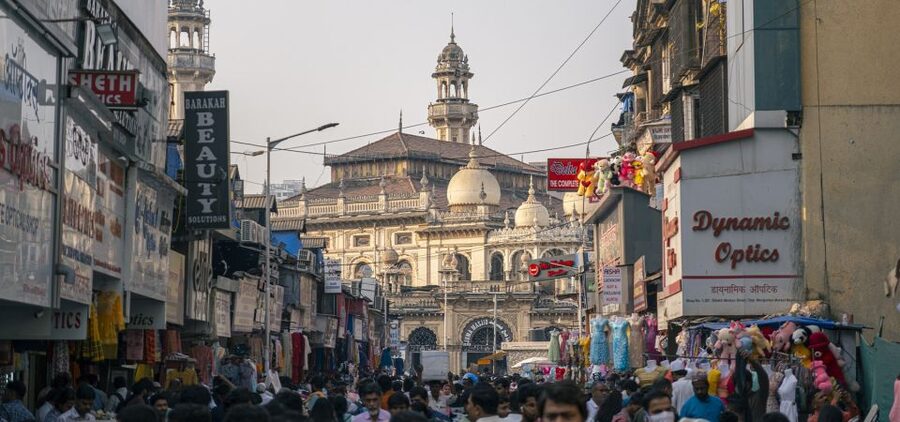
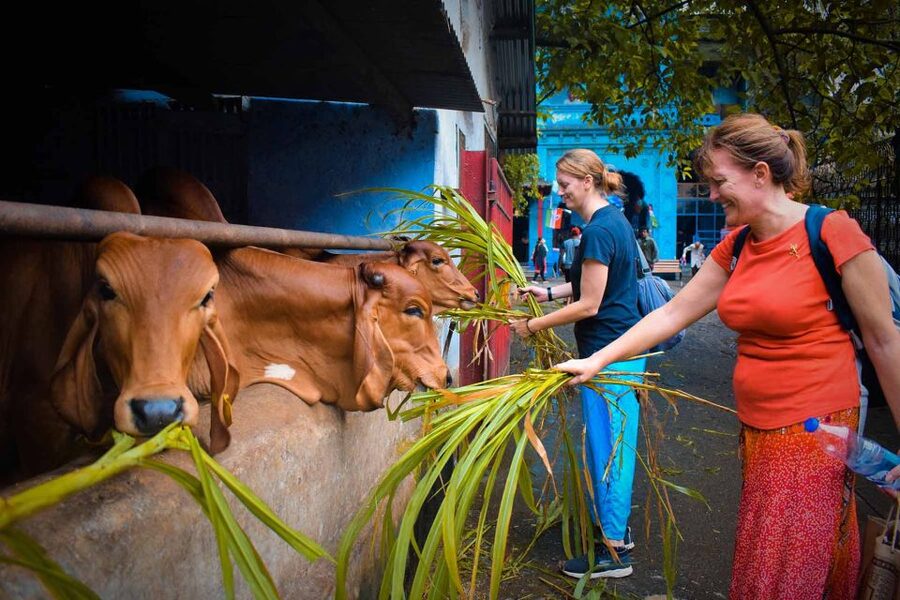
Your final major stop is Shri Mumbai Panjrapole, a cow sanctuary focused on the welfare of more than 350 cows. You spend about 15 minutes here with guided time.
This is the part of the tour where your senses change. Markets are loud and fast. A shelter is slower. You are still in Mumbai, but the purpose feels different, and that matters.
Why this stop is worth your time
- It reframes the idea of charity as daily care, not one-off gestures.
- It gives you a cultural lens on how animals fit into community life.
- It adds emotional variety to the tour, which keeps the experience from feeling like only shopping.
Practical advice: keep your expectations flexible. In a cow shelter, the animals are the schedule. Your guide will help you observe respectfully and safely, but you might not see everything at the exact moment you want.
The 2.5 to 3 hour pacing: why this duration works
This tour runs about 2.5 to 3 hours. For Mumbai, that is the sweet spot. Long enough to feel like you touched real neighborhoods. Short enough to avoid turning your day into pure movement fatigue.
How the route supports that pacing
- Short guided windows at each key stop keep momentum.
- A quick cab ride reduces pointless time in traffic.
- Temple and sanctuary visits provide breaks in tone, so your brain resets.
What you should consider
- You will spend a lot of time outdoors or near street activity.
- It is rain or shine, so bring something that helps you stay comfortable, even if the weather turns.
If you are visiting Mumbai for the first time and want an efficient, meaningful introduction to everyday life, this timing is a good fit.
Price and value: what $27 gets you, and what it does not
The price is $27 per person for a 2.5 to 3 hour guided tour. For that cost, you get an English-speaking local guide, water or cold drinks, and visits to major market sites plus Mumbadevi Temple and the Panjrapole cow shelter. You also get a short black cab segment to stitch the stops together efficiently.
What this price does well
- It pays for interpretation. Markets are easier when someone explains what you are seeing.
- It includes basic hydration, which matters in hot or humid conditions.
- It gives you access to places that can be confusing to navigate alone.
What is not included
- Food is not included, so you may need to plan a snack or save your meal for after.
- Hotel pickup and drop-off are not included, so you need to get yourself to the meeting point and then handle your own final transit.
Given the short duration, the value is strongest if you like guided context and you want a curated slice of real Mumbai life, not a long checklist of big-ticket landmarks.
Who should book this Mumbai markets and temples tour
This tour is a good match if you want:
- A guided introduction to Mumbai’s market culture, including wholesale fruit, vegetable, meat, and indoor textiles.
- A short cultural stop that connects religion to city identity through Mumbadevi Temple.
- A visit to Panjrapole that shows cow welfare as an active community responsibility.
It is also a smart pick if you like being out in the street and you do not mind crowds, because this is part of the point.
Who might want more
- If you want a larger set of major temples or a longer spiritual sightseeing day, this route may feel tight.
- If you strongly dislike crowded indoor markets, you may find the textile section intense.
Should you book it?
I would book this tour if you want a practical, human-scale introduction to Mumbai. You get major market experiences, not just scenery, plus two meaningful stops that add depth to what you see. The guide and the pacing make the difference, because without context, markets can feel like noise with no structure.
If you are short on time, this is one of the better ways to spend a half day: markets for the senses, temples and the cow sanctuary for the meaning. Bring comfortable clothes, plan for no included meal, and let the guide do the organizing work in your head.
FAQ
How long is the Mumbai local markets and temples tour?
It runs about 2.5 to 3 hours.
What is the price per person?
The tour costs $27 per person.
Where do I meet for the tour?
The meeting point may vary depending on the option booked. It can be near Regal Cinema.
Is food included?
No. Food is not included.
What is included in the tour?
A local English-speaking guide and water or cold drinks are included.
Do I need to worry about rain?
No. The tour takes place rain or shine.
What stops are included during the visit?
You will see Crawford Market, Mangaldas Market, Zaveri Bazaar, Mumbadevi Temple, and Shri Mumbai Panjrapole, with short walk and sightseeing time at each.
Where do you end the tour?
Drop-off locations include Chhatrapati Shivaji Terminus, Charni Road Railway Station, and Girgaon, Mumbai, Maharashtra 400004.
Mumbai, Keep Exploring





Recently reviewed across Mumbai
- Mumbai City Sightseeing Guided Tour on a Bicycle
★ 5.0 · 10 reviews - Mumbai Street Food & Beach Tour with 10+ Tastings
★ 5.0 · 10 reviews - Mumbai Market Tour & Maharashtrian Cooking Class with Chef Reshma
★ 4.5 · 10 reviews - Sailing Experience in Mumbai on Mid Size Yacht
★ 5.0 · 10 reviews - 3 Days Complete Mumbai Tour Inclusive of Bollywood Studio Experience
★ 5.0 · 10 reviews - Dharavi Slum Tour
★ 5.0 · 10 reviews
Mumbai City Tours, compared.
 ★ 4.9Full-Day Sightseeing Tour of MumbaiFrom $241,822 reviews
 ★ 5.0Group Guided Walking Tour in Fort and ColabaFrom $161,073 reviews
 ★ 4.8Elephanta Caves Half-Day Guided Tour with ExpertFrom $301,032 reviews
 ★ 5.0Highlights of Mumbai Sightseeing Tour: TRAVELLERS CHOICE AWARDEDFrom $33915 reviews
 ★ 5.0Private Guided Walking Tour in Fort & ColabaFrom $36895 reviews
 ★ 4.9Street Food and Night Markets TourFrom $13719 reviews
 ★ 4.9Dharavi Slum, DhobiGhat, and Dabbawallas TourFrom $14689 reviews
 ★ 5.0Highlights of South Mumbai Guided Private Tour in AC VehicleFrom $74620 reviews
Browse the lists this tour appears in