
REVIEW · MUMBAI CITY TOURS
Mumbai: Local Transport & Dabbawallah Tour
A real Mumbai morning is loud, fast, and full of people, and this tour lets you move with it, not against it. I love the suburban train commute feel and the chance to see the dabbawallah lunch system at work. The big drawback to plan for is that the pace can feel quick, so if you want lots of slow wandering, you may feel a bit rushed.
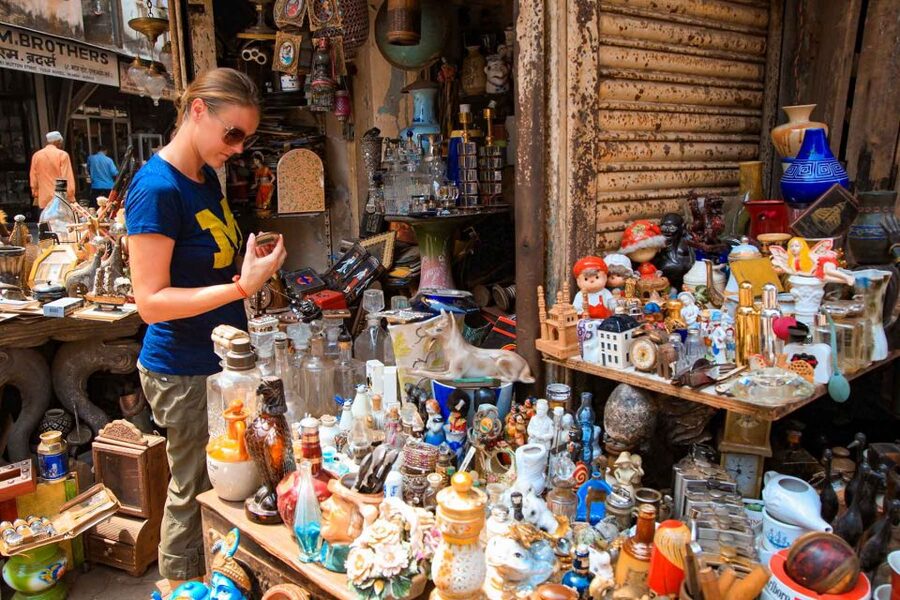
What makes it interesting is that you get transport you would not casually figure out on your own: suburban trains, a red city bus, plus black-and-yellow taxis. You also visit market after market, including Chor Bazaar, where the energy is intense and the browsing is half the fun. Wear comfortable shoes, because this is built around walking and getting on and off public transport, not a sit-down day.
In This Review
- Quick hit highlights you will feel right away
- A Mumbai Commute, Not a Typical Sightseeing Loop
- Regal Cinema start, then public transport right away
- What it feels like when the day begins
- CSMT: Chhatrapati Shivaji Maharaj Terminus as a living landmark
- The suburban train segment that makes the whole tour click
- Dadar Flower Market: sensory overload in the best way
- Dhobi Ghat photo stop: outdoor laundry and the work behind it
- Chor Bazaar: browsing one of India’s busiest flea markets
- Black-and-yellow taxi hops: why they use them
- Viewpoint walk, then Churchgate drop-off
- Price and value for a 3.5-hour Mumbai local transport day
- Who should book this tour, and who should skip it
- Should you book the Mumbai Local Transport & Dabbawallah Tour?
- FAQ
- How long is the Mumbai Local Transport & Dabbawallah Tour?
- What is included in the tour price?
- What transport will we use during the tour?
- Where does the tour start and end?
- Is food included?
- Is this tour suitable for strollers or prams?
Quick hit highlights you will feel right away
- CSMT (Chhatrapati Shivaji Maharaj Terminus), a stunning rail hub that sets the tone for the day
- A real suburban train ride plus bus and taxi segments, so you understand how Mumbai moves
- Dadar Flower Market for color, smells, and the behind-the-scenes side of the city’s supply chain
- Dhobi Ghat with a photo stop at Mumbai’s famous outdoor laundry world
- Chor Bazaar browsing and shopping in one of India’s busiest flea markets
- Learning about dabbawallahs as an operating system, not just a story
Mumbai, a few more routes through it
A Mumbai Commute, Not a Typical Sightseeing Loop
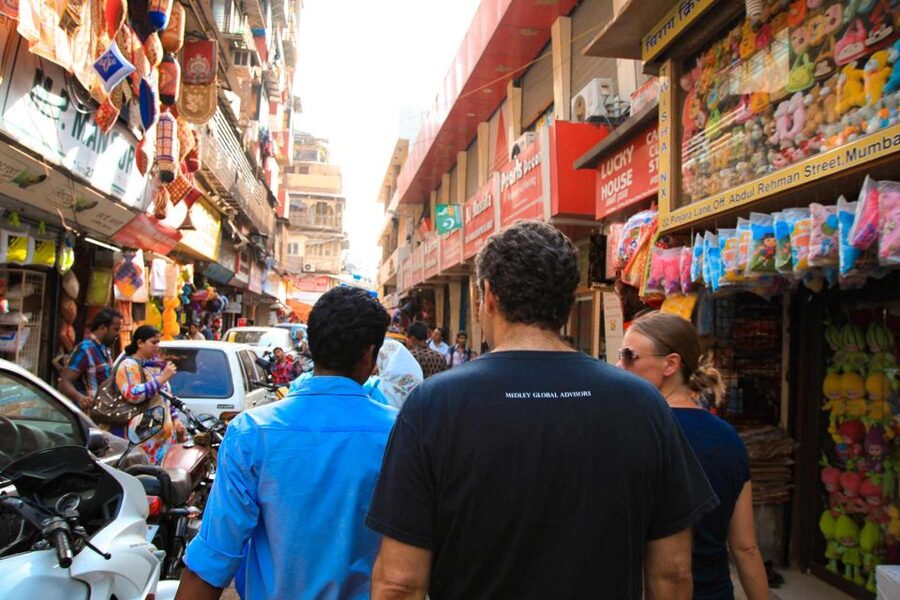
If you only see Mumbai from the curb, you miss the point. This tour is built around the daily flow of the city, so you get a practical sense of how people actually get to work and back. The mix of transport matters, because Mumbai is not one mode of travel. It is trains for speed, buses for reach, and short taxi hops when traffic snarls.
The route is also designed for small groups, up to 6 people, which keeps the day from turning into a mass stampede. You will have time to ask questions and follow the guide’s lead rather than just getting pushed along. And because it is around 3.5 hours, it is a manageable chunk if you are doing other sightseeing the same week.
One more thing I like: the tour focuses on working parts of the city. Markets, laundry, and lunch delivery are not tourist wallpaper. You learn how people keep life running, even when the day is demanding.
Regal Cinema start, then public transport right away
Most tours start after you are already tired. This one starts with movement, and that is the smart part. Your meeting point can vary depending on which option you book, but Regal Cinema is one of the starting locations.
After a short connect time, you head to Chhatrapati Shivaji Maharaj Terminus (CSMT). You are not just visiting a building. You are getting oriented inside a functioning rail city. That sets you up for the rest of the day, especially when you later ride the suburban train.
What it feels like when the day begins
You will be in “watch and do” mode from the start. The guide helps you with the practical steps, like when to board and where to look. If you have never used Mumbai suburban services before, this is a big help, because it lowers the stress while you figure things out.
Comfort tip: bring comfortable shoes. The tour is not suitable for prams or strollers, so your walking time is real. Plan for standing and quick steps at stations and market edges.
- Elephanta Caves & Island Guided Private Tour★ 5.0 · 1,327 reviews
- Private Guided Walking Tour in Fort & Colaba★ 5.0 · 895 reviews
- Mumbai: Street Food and Night Markets Tour★ 4.9 · 719 reviews
- Mumbai: Dharavi Slum, DhobiGhat, and Dabbawallas Tour★ 4.9 · 689 reviews
- Dharavi Slum Tour★ 5.0 · 625 reviews
CSMT: Chhatrapati Shivaji Maharaj Terminus as a living landmark
CSMT is one of those places that works as a photo stop and a reality check. The architecture and rail energy are both obvious. But the bigger value is how it frames your day. CSMT is not just a monument you look at. It is where huge numbers of working people connect to daily life.
Your visit window is short, so you will not have time to treat it like a museum. Instead, you get a guided hit, then you move on. For many people, that is the right approach, because you are here to learn the rhythm, not to linger.
If you love train stations, you will enjoy this stop. If you do not, it can feel like a necessary gateway. Either way, it is a strong start because it immediately signals: Mumbai runs on connections.
The suburban train segment that makes the whole tour click
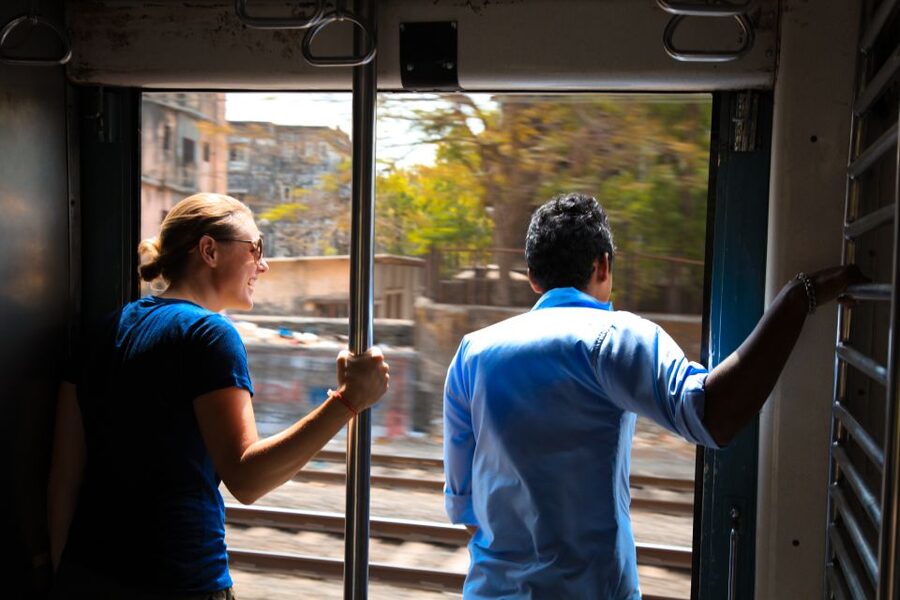
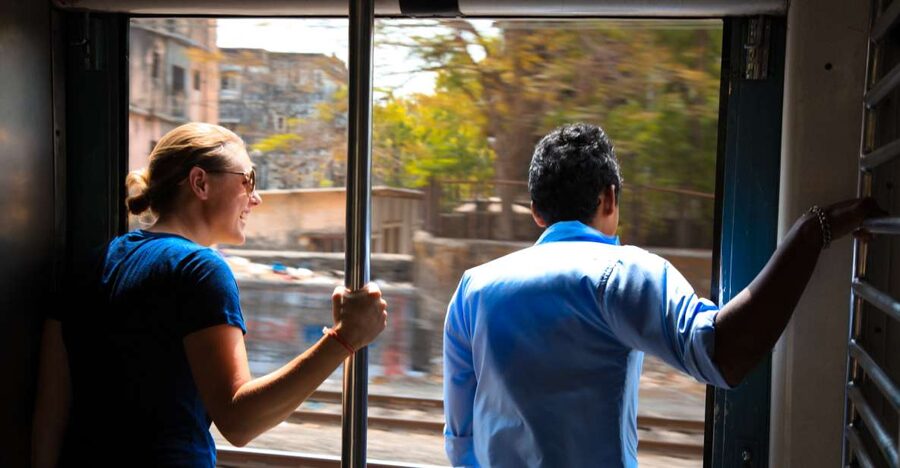
One of the best parts of this experience is that you ride the suburban train as part of the route. That is not a gimmick. It is how you understand the city’s scale and speed without overthinking it.
When you use public transport like this, you notice details you would miss otherwise: how people line up, how stations shift the crowd flow, how the train compresses a whole neighborhood into a shared ride. Even if you are not a train nerd, you will get something useful from it.
The tour also stitches in another round of local transport after the first train segment. You hop between train and other modes, including a red bus and taxi rides. That variety helps you see the city as a system, not a single scenic route.
Dadar Flower Market: sensory overload in the best way

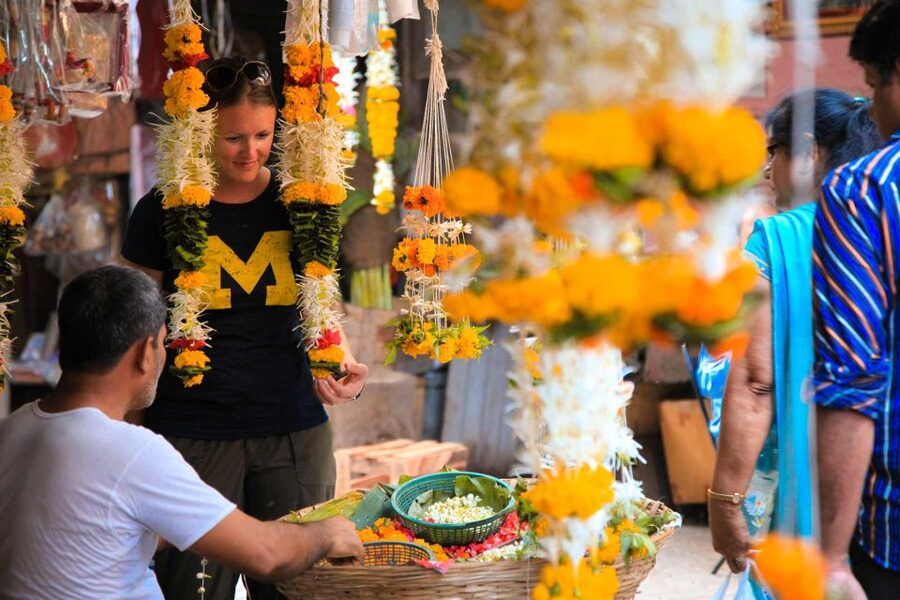
Dadar Flower Market is one of those places that hits your senses before your brain can label what it is seeing. You can expect a guided walk and time to look around. This stop is short, but it is packed with the kind of color and motion that makes the tour feel real.
What you will like here is that the market is not presented as a souvenir trap. It is more like a working hub. You are seeing how flowers move through the city, and that connects nicely to the next stops that also reflect daily labor.
Timing matters, because the market experience depends on being there while it is active. With only about 15 minutes allocated, you will want to focus on what grabs you: hands at work, sorting piles, and the way stalls are arranged.
Practical advice: keep your camera ready but do not block foot traffic. This is a working space.
Dhobi Ghat photo stop: outdoor laundry and the work behind it
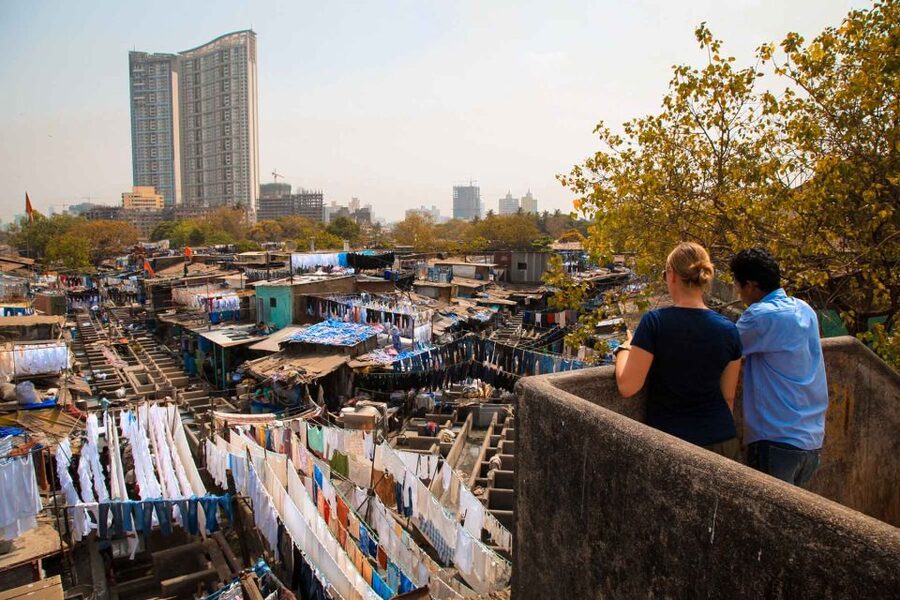
Dhobi Ghat is famous for a reason. Even during a short stop, you can see how washing and drying work are integrated into public space. You get a photo stop plus sightseeing time, so you can take pictures and also understand what you are looking at.
The value here is in the contrast. You just rode trains and moved through a flower supply world. Now you are watching another essential system, one tied to household needs. It is also a reminder that much of Mumbai’s service work happens in plain sight, not behind locked doors.
This is also a moment where your guide’s context makes the difference between a cool photo and a meaningful observation. If you have questions, ask them. This is the kind of place where you can quickly learn something important about daily routines.
Chor Bazaar: browsing one of India’s busiest flea markets
Chor Bazaar is the stop where people often slow down. The marketplace energy is intense, and you can end up spending more time just looking at stalls. The tour includes time for a guided visit and shopping, so you are not thrown in alone.
Even if you do not plan to buy much, you will enjoy Chor Bazaar because it shows another side of commerce. You see what people sell, how goods are arranged, and how bargaining culture works in practice.
A balanced note: flea markets are not always gentle on the senses. If you are sensitive to crowds or tight aisles, keep your pace steady and go with the group. The guide can help you navigate quickly, especially if the market is crowded that day.
Shopping strategy that works: decide what you want before you start scanning everything. Think small and realistic, like accessories or lightweight souvenirs, because carrying items in public transit is not ideal.
Black-and-yellow taxi hops: why they use them

The tour includes taxi segments in black-and-yellow vehicles. In a city like Mumbai, that makes sense. Traffic can change fast, and short taxi hops can keep the timing workable so you still reach each stop.
One important consideration from real day-to-day experience: sometimes you may see a mix of transport choices beyond what you imagine in advance, depending on timing and traffic. That is not necessarily a problem, it is just the reality of moving a small group through a huge city.
If you strongly prefer buses and trains only, you might feel surprised by taxi time. But if your goal is maximum sightseeing without missing key stops, taxi hops help the schedule stay intact.
Viewpoint walk, then Churchgate drop-off
The final stretch includes a guided viewpoint walk and then drop-off at Churchgate Railway Station. This is a practical way to end, because Churchgate is a major hub for getting to other parts of the city after the tour.
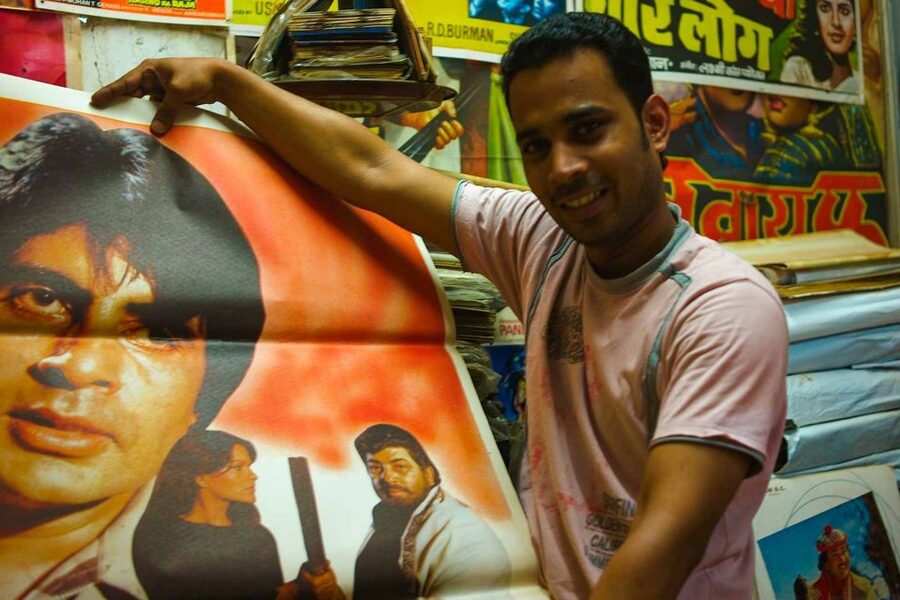
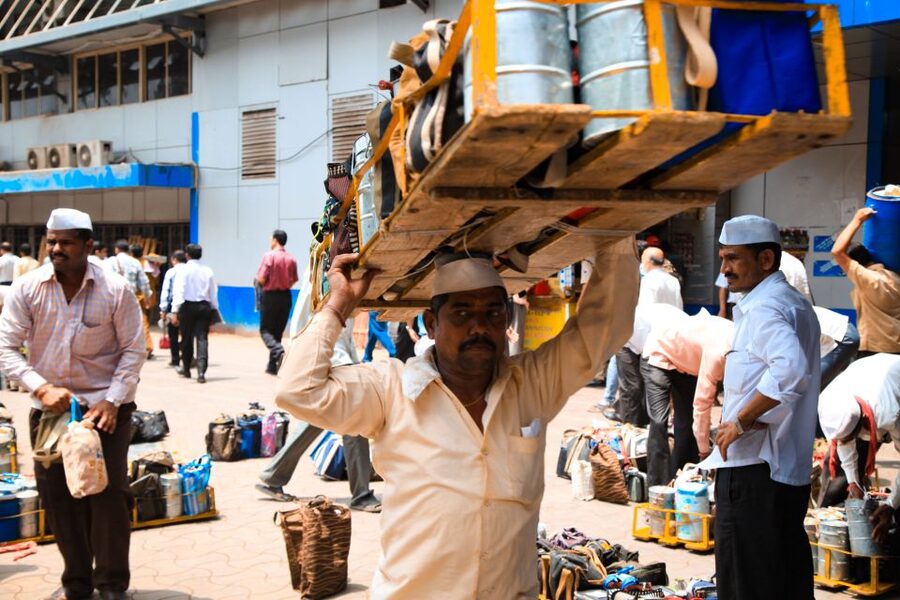
This is also where you connect the dots on the dabbawallah story. The tour highlights seeing the dabbawallahs in action and learning how the lunch box delivery system works. You learn to see it as a chain of jobs, coordination, and daily consistency, not just a neat tradition.
This ending works well because you end with the idea of systems. Markets feed the city. Laundry supports daily life. Trains move workers. And the dabbawallah network moves meals. Together, it adds up to a full picture of how Mumbai feeds and functions.
Price and value for a 3.5-hour Mumbai local transport day
At about $31 per person for a 3.5-hour experience, the value is in what is included. You get an English-speaking guide, all transport during the tour, and water or a cold drink. The big savings is that you do not have to figure out multiple transport steps and pay separately for each one.
If you tried to replicate this yourself, you would likely spend time figuring things out, then pay for taxis and multiple ticket types. That time cost is often the real expense, and the tour handles it for you.
Group size also affects value. A max group of 6 keeps it personal. You are not just one face in a crowd. You can ask questions and move as a unit, which is how you get the most out of stops like Dhobi Ghat and Chor Bazaar.
One more value point: transport quality has strong ratings in the provided data, with 92% of reviewers giving perfect scores. That matters on a tour like this, because comfort and timing are everything when you are using public transport and squeezing in multiple neighborhoods.
Who should book this tour, and who should skip it
This is a great fit if you want Mumbai through everyday eyes. You like public transport, street-level markets, and photos that feel grounded in real work. You will also enjoy it if you want a guide to handle navigation, because the day includes train and station logistics that can feel confusing without local help.
Skip it if you do not like a faster pace. One downside in the overall feedback is that some people felt the tour moved quickly with limited time to linger. If you prefer slow, deep explanations at each stop, you might want a different type of tour.
Also, if you are traveling with a stroller, this is not suitable. Comfortable walking shoes are not optional.
Finally, if you want a strict museum-style plan, this is not that. This is markets, transport, and labor you can see. Think of it as a city-day, not a checklist.
Should you book the Mumbai Local Transport & Dabbawallah Tour?
Yes, if your goal is to understand how Mumbai runs and you are happy riding trains and buses as part of the sightseeing. For $31 and 3.5 hours, it is a strong deal because the guide plus transport plus water remove the main headaches.
Wait or choose another option if you need lots of time at each site, or if you get stressed by crowds and quick stop-and-go movement. Also be ready for taxi segments, because the schedule relies on them.
My practical advice: go in with questions and a flexible mindset. If you are curious, the tour’s mix of CSMT, Dadar Flower Market, Dhobi Ghat, Chor Bazaar, and the dabbawallah system will feel like one connected story.
FAQ
How long is the Mumbai Local Transport & Dabbawallah Tour?
It lasts about 3.5 hours.
What is included in the tour price?
The tour includes a local English-speaking guide, all transport during the tour, and water or a cold drink.
What transport will we use during the tour?
You will use a mix of public transport and local vehicles, including a suburban train, a public bus, and a black-and-yellow taxi.
Where does the tour start and end?
The meeting point can vary depending on the option you book. The tour ends with drop-off at Churchgate Railway Station.
Is food included?
No. Food is not included in the tour.
Is this tour suitable for strollers or prams?
No. It is not suitable for prams or strollers. Comfortable shoes are recommended.
Mumbai, Keep Exploring





Recently reviewed across Mumbai
- Mumbai City Sightseeing Guided Tour on a Bicycle
★ 5.0 · 10 reviews - Mumbai Street Food & Beach Tour with 10+ Tastings
★ 5.0 · 10 reviews - Mumbai Market Tour & Maharashtrian Cooking Class with Chef Reshma
★ 4.5 · 10 reviews - Sailing Experience in Mumbai on Mid Size Yacht
★ 5.0 · 10 reviews - 3 Days Complete Mumbai Tour Inclusive of Bollywood Studio Experience
★ 5.0 · 10 reviews - Dharavi Slum Tour
★ 5.0 · 10 reviews
Mumbai City Tours, compared.
 ★ 4.9Full-Day Sightseeing Tour of MumbaiFrom $241,822 reviews
 ★ 5.0Group Guided Walking Tour in Fort and ColabaFrom $161,073 reviews
 ★ 4.8Elephanta Caves Half-Day Guided Tour with ExpertFrom $301,032 reviews
 ★ 5.0Highlights of Mumbai Sightseeing Tour: TRAVELLERS CHOICE AWARDEDFrom $33915 reviews
 ★ 5.0Private Guided Walking Tour in Fort & ColabaFrom $36895 reviews
 ★ 4.9Street Food and Night Markets TourFrom $13719 reviews
 ★ 4.9Dharavi Slum, DhobiGhat, and Dabbawallas TourFrom $14689 reviews
 ★ 5.0Highlights of South Mumbai Guided Private Tour in AC VehicleFrom $74620 reviews
Browse the lists this tour appears in