
REVIEW · MUMBAI CITY TOURS
Mumbai Market Tour
A market day in South Mumbai changes how you see the city. I love how this tour turns streets into a living show, from shouting vendors and spice carts to classic colonial-area shopping. You also get two big wins for planning, major markets in one run and stops at places like Jama Masjid and the Mumba Devi area, so you are not stuck in shops only.
What I like most is the way the best guides steer you through the chaos with real context and practical tips, including how to bargain when you want to buy cloth or other goods. You’ll also get a clear sense of what Mumbai runs on, not monuments. One possible drawback to note up front: this experience can feel shopping-heavy, so if you came only for temples and culture, you may want to set your expectations before you go.
Here’s how the market route usually plays out, what each stop gives you, and who should book it.
In This Review
- Key Things You’ll Notice on This Market Route
- Why South Mumbai Markets Feel Like the Real City
- Crawford Market: Candles, Fruits, and the First Taste of Trade
- Mangaldas Market: Cloth, Fabrics, and the Big Shopping Moment
- Spice Market: Cumin, Turmeric, and the Smell You Cannot Forget
- Jewelry Market: Gold, Silver, and Stones in a High-Energy Setting
- Flower Market: Marigolds to Orchids, One Color Reset
- Jama Masjid, Mumba Devi Temple, and Madhav Baugh in the Middle of Markets
- Guides Matter: What You Can Learn from Kieran and Dinesh
- Price and Value: Is $23 Smart for You?
- Who Should Book This Mumbai Market Tour
- How to Prepare for a Market Day in Mumbai
- Should You Book This Tour?
- FAQ
- What is the price of the Mumbai Market Tour?
- Where does the tour take place?
- What is included in the tour?
- What languages are offered on the tour?
- What cancellation terms are provided?
- Is there an option to reserve and pay later?
- How are the reviews overall?
Key Things You’ll Notice on This Market Route
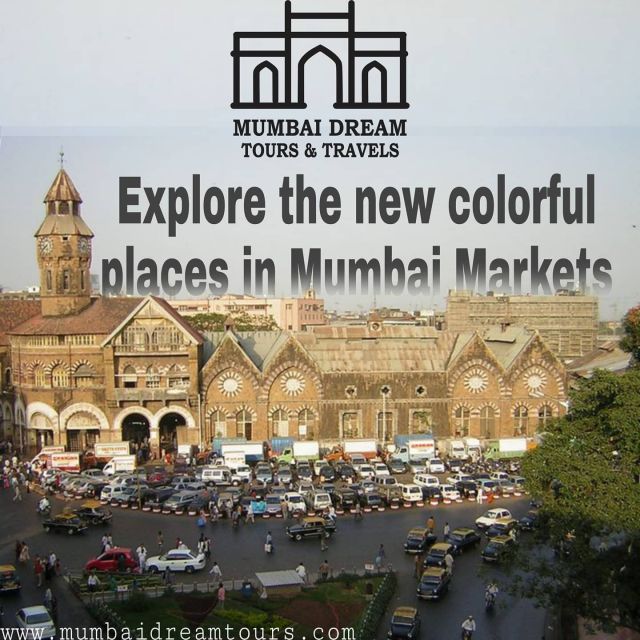
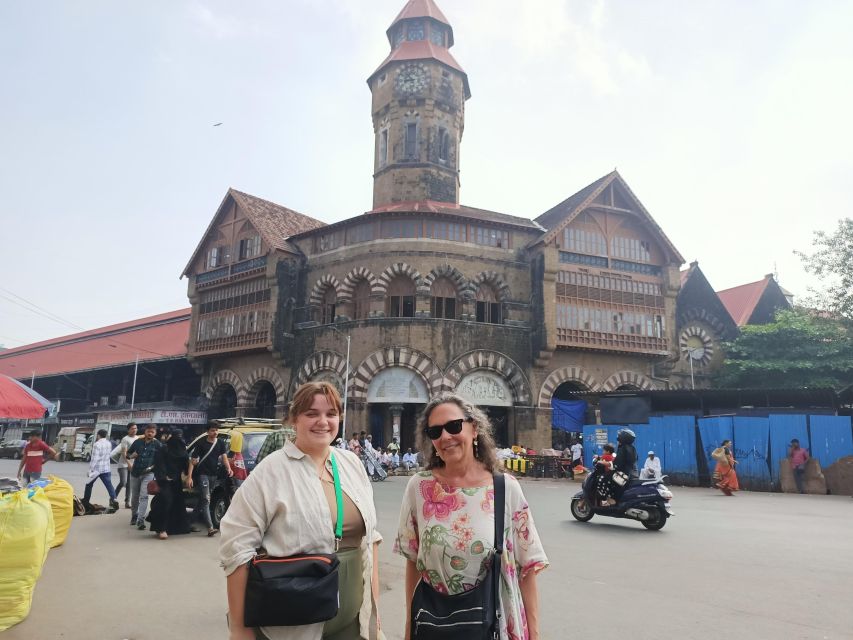
- Crawford Market is the sensory starter, with fruits, candles, and giftable oddities all packed together.
- Mangaldas Market brings the fabric-and-textile pull, where cloth, patterns, and clothing tempt you fast.
- Spice stalls are more than shopping, you get color, smell, and an easy entry into daily Indian cooking.
- Jewelry Market is a full-on showcase, from gold and silver to stones in a high-energy setting.
- Flower Market is the color reset, with marigolds, roses, lilies, and orchids in one place.
- Jama Masjid, Mumba Devi Temple, and Madhav Baugh add context, even if the schedule stays market-focused.
Mumbai, a few more routes through it
Why South Mumbai Markets Feel Like the Real City
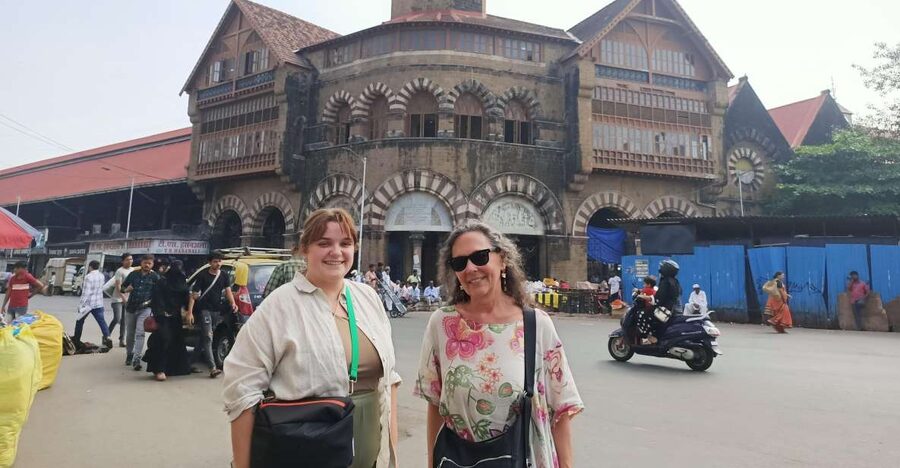
South Mumbai is where tradition and trade walk side by side. The streets are wide, then suddenly narrow into alleyways, and the whole place stays active as vendors work carts and push goods toward you.
On this tour, you do not just pass by buildings. You move through the everyday life of the city, with colonial-era streets, temples, and mosques appearing alongside market stalls. It is a simple idea that lands well, the essence of Mumbai is often in its markets, not only its landmarks.
If you like to understand how people actually live and buy, this format works. If you want a quiet photo walk with long cultural explanations, it might feel too transactional, too fast.
Crawford Market: Candles, Fruits, and the First Taste of Trade
Crawford Market is one of those places where you instantly feel the pace. It is known for shopping items that range from scented candles and exotic fruits to cake mold party wear and other accessories, so you get plenty to look at even if you are not shopping heavy.
This is a great first stop because it trains your eyes quickly. You see how stalls stack products, how sellers present colors and shapes, and how quickly conversations start once you get close.
A practical note: the market atmosphere is active, so keep your belongings secure and expect lots of people. Also, if you are shopping, take your time. One slow comparison at the start can save you money later when you are tempted again.
Mangaldas Market: Cloth, Fabrics, and the Big Shopping Moment
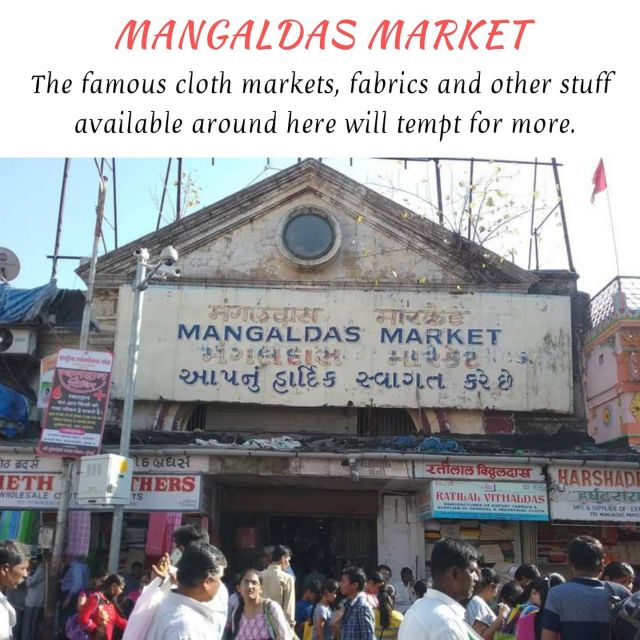
Mangaldas Market is where the tour can shift from watching to shopping. It is famous for cloth and fabrics, and it is the kind of place that makes you stop just because the options look endless.
Some guides on this route are especially good at helping you navigate textile choices. One standout theme from guide feedback is patience while you browse and try to understand different fabrics and styles. That matters here, because if you rush, you miss the differences and you end up paying for the label, not the material.
If you love fabric shopping or want souvenirs that feel more local than generic, you’ll probably have fun. If you would rather spend your energy on food, photos, or religious sites, build in the mindset that this stop can take more attention than you expect.
- Elephanta Caves & Island Guided Private Tour★ 5.0 · 1,327 reviews
- Private Guided Walking Tour in Fort & Colaba★ 5.0 · 895 reviews
- Mumbai: Street Food and Night Markets Tour★ 4.9 · 719 reviews
- Mumbai: Dharavi Slum, DhobiGhat, and Dabbawallas Tour★ 4.9 · 689 reviews
- Dharavi Slum Tour★ 5.0 · 625 reviews
Spice Market: Cumin, Turmeric, and the Smell You Cannot Forget
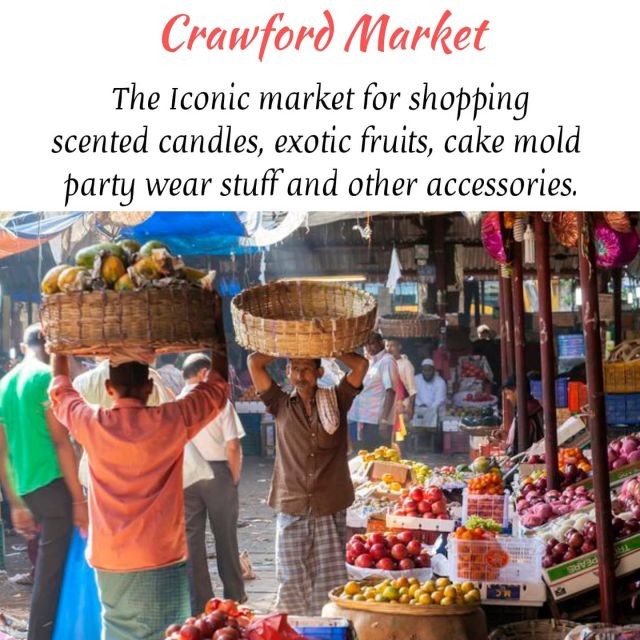
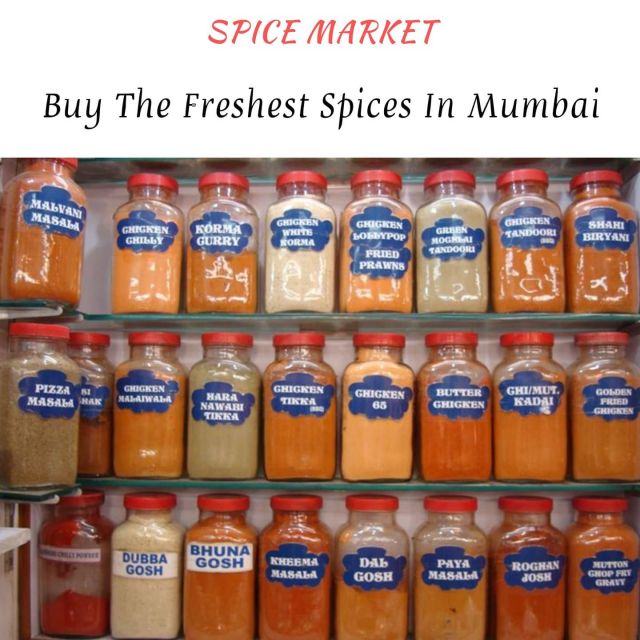
Spices are a core reason Mumbai’s markets feel different. In the Spice Market area, you will find everyday ingredients like cumin and coriander, plus staples such as turmeric and cardamom.
This stop is valuable even when you do not buy. The quick lesson is in the senses. Smell and color do a better job of making you curious than any speech, and you start noticing how vendors organize and talk about their products.
One smart way to handle spices on a market walk is to buy only if you have a plan. Think of what you will cook or gift, and ask about practical packaging. If you are not ready to buy, you can still enjoy the experience by tasting local snacks when they come up, since vendors here are known for spicy foods alongside the goods.
Jewelry Market: Gold, Silver, and Stones in a High-Energy Setting
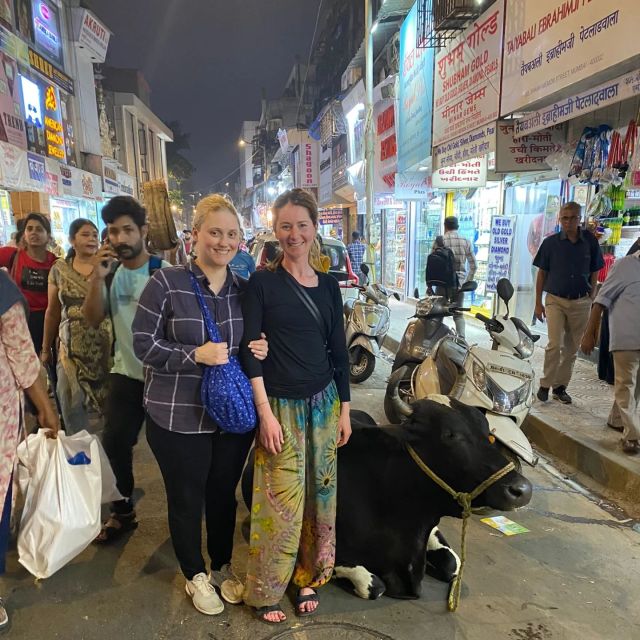
The Jewelry Market is described as one of the oldest and busiest markets in Mumbai. You’ll see a wide variety of jewelry, including gold, silver, and diamond jewelry, plus precious and semi-precious stones.
This is the kind of stop that makes the market feel bigger than the street. The goods are eye-catching, but it is also about speed and negotiation. The best way to enjoy it is to treat it like education first, shopping second.
There is also a reality check. Jewelry purchases can get expensive quickly, and one critical review flagged pricing concerns in parts of the tour. So if jewelry is your target, compare options, walk slowly, and do not commit just because something looks good in the moment.
Flower Market: Marigolds to Orchids, One Color Reset
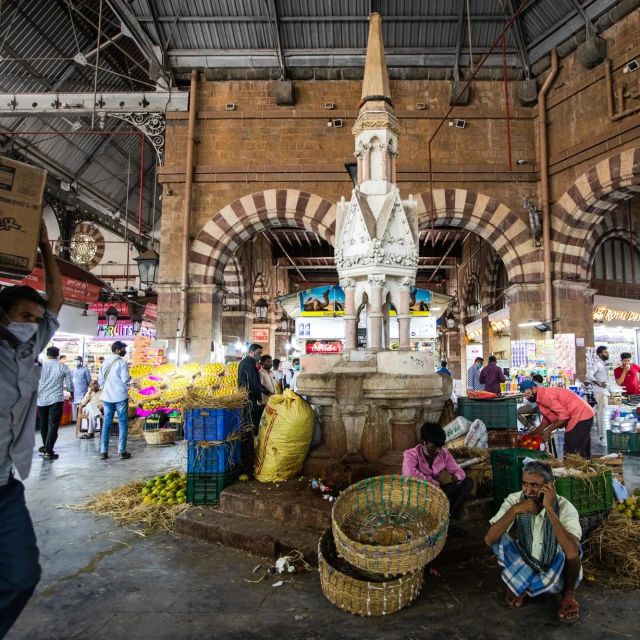
If your feet are tired or your head feels crowded, Flower Market is a welcome change. It is the largest flower market in Mumbai and is known for colorful blooms, including marigolds and roses, plus lilies and orchids.
What makes this stop special is the visual payoff. You go from dense trade goods to something softer and more alive. Flowers also give you a break from bargaining language, because the main conversation often becomes what you like and what looks freshest.
This is also a useful moment for photos. Just be mindful of your space and the sellers around you. The best pictures here often come from simply standing back for a second, letting the colors frame themselves, instead of hovering too close.
Jama Masjid, Mumba Devi Temple, and Madhav Baugh in the Middle of Markets
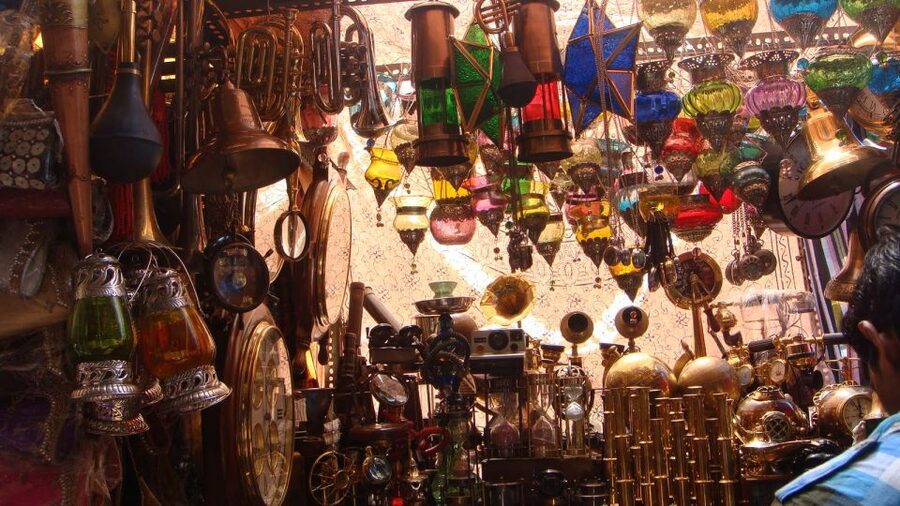
The tour does include major religious stops. You will visit Jama Masjid, the Mumba Devi Temple area, and Madhav Baugh, with temples and mosques appearing alongside market streets.
This blend is the point. Mumbai does not separate sacred places from daily commerce in a neat way. You see how religious landmarks sit in the same urban motion as vendors and shoppers.
That said, you should know what kind of experience you are choosing. One negative review felt that the route leaned too heavily toward shops and did not deliver enough temple time or cultural attention along the way. So if your top priority is religious sight-seeing with lots of guided culture, consider going in with a flexible mindset and treating the religious stops as part of the overall market story, not the full focus.
Guides Matter: What You Can Learn from Kieran and Dinesh
The biggest difference between a good market walk and a frustrating one is the guide. On this route, names like Kieran and Dinesh show up in feedback, and the praise is consistent: they are informative, pleasant, and willing to help you keep moving at a pace that feels manageable.
A key skill mentioned is bargaining help. If you want to shop, being taught how to bargain is not just about saving money, it helps you understand the rhythm of the market and reduces the awkwardness.
You also hear about guide personality, not just facts. Patience in textile shopping and going beyond the obvious on the way are themes in the positive feedback. That is useful because the markets can be overwhelming, and a guide who keeps you oriented can turn confusion into a fun plan.
Price and Value: Is $23 Smart for You?
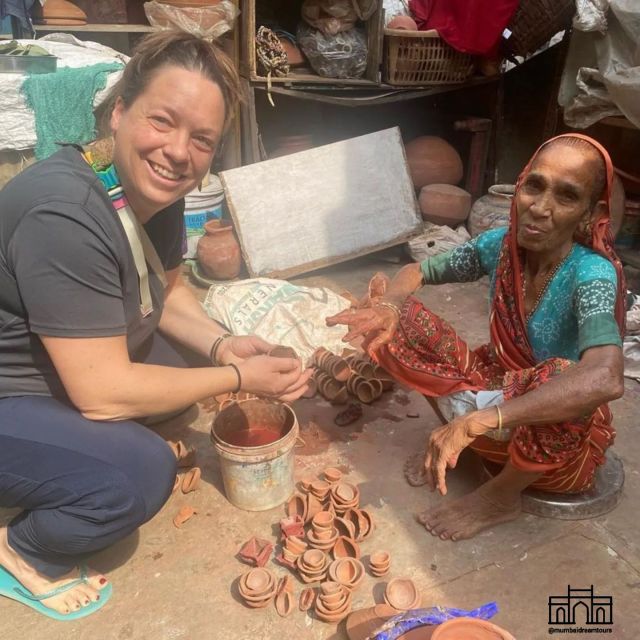
At $23 per person, this tour sits in the budget-friendly zone, especially since you get multiple market stops plus religious sights. The value depends on what you want to buy or learn.
If you came for markets, you’ll likely feel you got your money’s worth. You cover major areas like Crawford Market, Mangaldas Market, spice shopping, jewelry shopping, and Flower Market, all within a single guided experience. Even if you only browse, you get a compact way to understand South Mumbai’s trade scene.
If you expected a more culture-first walk, consider the trade-off. One review complained the tour functioned like a shopping trip with limited cultural visiting. That does not mean it is always like that, but it does mean you should match your expectations to the reality of what markets are.
My quick rule: book if your idea of a great day is to see trade up close and talk with vendors. Skip if you want fewer store stops and more time at sights.
Who Should Book This Mumbai Market Tour
This is a strong fit if you:
- Like street-level travel where people are actively selling, not just posing.
- Want to see multiple market types, spices, cloth, jewelry, and flowers, in one route.
- Plan to shop small or medium, especially for spices, fabric items, or gifts.
It might not be for you if you:
- Want a slow, temple-centered day with minimal shopping.
- Feel uncomfortable in dense crowds and prefer quieter sightseeing.
- Have a hard line on pricing and do not want to negotiate.
The good news is that you can adapt. Decide what you want from each market stop before you start, and you’ll enjoy it more even in busy settings.
How to Prepare for a Market Day in Mumbai
A market tour has a few simple needs, and they matter more than you think.
Wear shoes you can stand and walk in. The route moves through wide streets and narrow alleyways, and you will likely spend time close to stalls. Bring small cash or a way to handle everyday purchases since markets run on quick transactions.
If shopping is part of your plan, set a budget before you go. Markets tempt you in waves. Having a ceiling helps you enjoy browsing without getting swept into impulse buys.
Finally, keep an open mind about the religious stops. They appear alongside daily life, so you are not in a separate sightseeing bubble. You get the point of Mumbai’s mix, not a controlled museum version.
Should You Book This Tour?
Book it if you want a guided walkthrough of South Mumbai’s market engine, with Crawford Market, Mangaldas cloth shopping, spice stalls, jewelry browsing, Flower Market color, and visits to Jama Masjid and the Mumba Devi area. It is good value at $23 when you are excited about real market energy and you like learning practical ways to interact, including bargaining guidance.
Skip it if your main goal is long cultural time at temples and you do not want a heavy shopping feel. This is a market tour first, not a temple-only day.
If you do book, go in with a simple plan: browse confidently, shop only when it fits your list, and use the guide to help you read prices and choices faster.
FAQ
What is the price of the Mumbai Market Tour?
The tour costs $23 per person.
Where does the tour take place?
It takes place in Maharashtra, India, focused on historic markets in South Mumbai.
What is included in the tour?
The listed included stops are Crawford Market, Mangaldas Market, Spice Market, Jewelry Market, Flower Market, Jama Masjid, Mumba Devi Temple, and Madhav Baugh.
What languages are offered on the tour?
The tour is listed as English-speaking.
What cancellation terms are provided?
Cancellation is available up to 24 hours in advance for a full refund.
Is there an option to reserve and pay later?
Yes, reserve and pay later is listed, so you can book your spot and pay nothing today.
How are the reviews overall?
The overall rating shown is 4.6 based on 12 reviews.
Mumbai, Keep Exploring




Recently reviewed across Mumbai
- Mumbai City Sightseeing Guided Tour on a Bicycle
★ 5.0 · 10 reviews - Mumbai Street Food & Beach Tour with 10+ Tastings
★ 5.0 · 10 reviews - Mumbai Market Tour & Maharashtrian Cooking Class with Chef Reshma
★ 4.5 · 10 reviews - Sailing Experience in Mumbai on Mid Size Yacht
★ 5.0 · 10 reviews - 3 Days Complete Mumbai Tour Inclusive of Bollywood Studio Experience
★ 5.0 · 10 reviews - Dharavi Slum Tour
★ 5.0 · 10 reviews
Mumbai City Tours, compared.
 ★ 4.9Full-Day Sightseeing Tour of MumbaiFrom $241,822 reviews
 ★ 5.0Group Guided Walking Tour in Fort and ColabaFrom $161,073 reviews
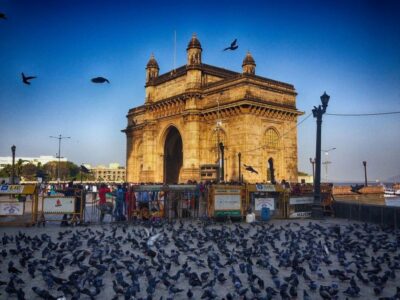 ★ 4.8Elephanta Caves Half-Day Guided Tour with ExpertFrom $301,032 reviews
 ★ 5.0Highlights of Mumbai Sightseeing Tour: TRAVELLERS CHOICE AWARDEDFrom $33915 reviews
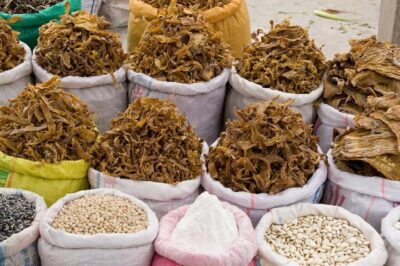 ★ 5.0Private Guided Walking Tour in Fort & ColabaFrom $36895 reviews
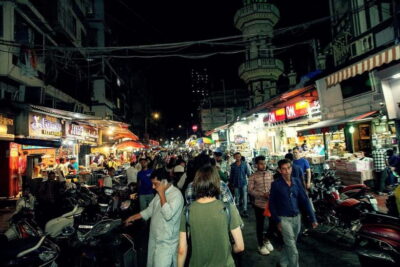 ★ 4.9Street Food and Night Markets TourFrom $13719 reviews
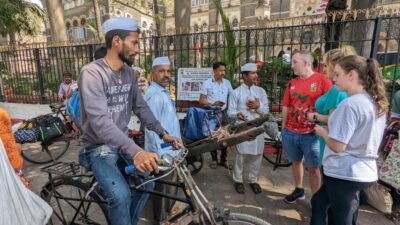 ★ 4.9Dharavi Slum, DhobiGhat, and Dabbawallas TourFrom $14689 reviews
 ★ 5.0Highlights of South Mumbai Guided Private Tour in AC VehicleFrom $74620 reviews
Browse the lists this tour appears in