
REVIEW · MUMBAI CITY TOURS
Mumbai: South Mumbai Heritage Walking Guided Tour
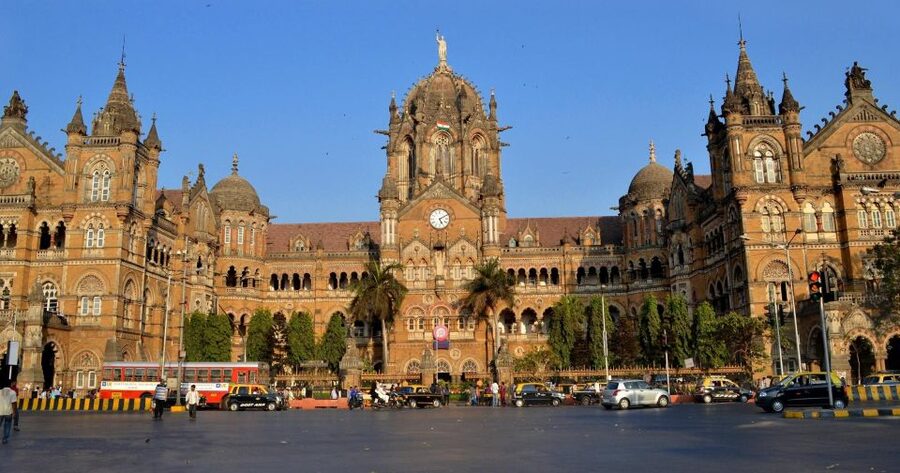
South Mumbai can feel like a history quiz you actually enjoy, and this heritage walk turns it into an easy, human story. I like the chance to see UNESCO Chhatrapati Shivaji Terminus up close, plus the way stops connect into one clear narrative of Old Mumbai.
Another big win is the architecture-focused storytelling that helps you notice details most people walk past. One consideration: it’s still a walking tour, so you’ll want comfortable shoes and a plan for heat and busy streets during a roughly 3-hour route.
In This Review
- Key things that make this tour worth it
- South Mumbai Heritage Walk: why this route works
- Price and time: what $28 buys you in real-world value
- Chhatrapati Shivaji Terminus: the UNESCO anchor you’ll actually understand
- Town Hall, Asiatic Society Library: colonial design with an intellectual vibe
- St. Thomas’ Cathedral: a 300-year anchor for faith and permanence
- Flora Fountain to the street scene: 1864 symbolism you can spot
- Bombay High Court and the idea of law in stone
- Kala Ghoda: art district energy without needing tickets
- Watson’s Hotel and cast-iron architecture: a tech story inside heritage
- Hotel Taj Mahal Palace and the Gateway of India finale
- The guides are the secret sauce: what you can expect
- Who this tour fits best, and who might want to choose something else
- Smart tips to get the most from the walk
- Should you book Mumbai’s South Mumbai Heritage Walking Guided Tour?
- FAQ
- How much does the Mumbai South Mumbai Heritage Walking Guided Tour cost?
- What language is the tour conducted in?
- How long is the tour?
- Which major landmarks are included?
- Is the Chhatrapati Shivaji Terminus stop part of UNESCO World Heritage?
- Who operates the tour?
- Is the tour always a large group?
- Is it possible to reserve without paying immediately?
Key things that make this tour worth it
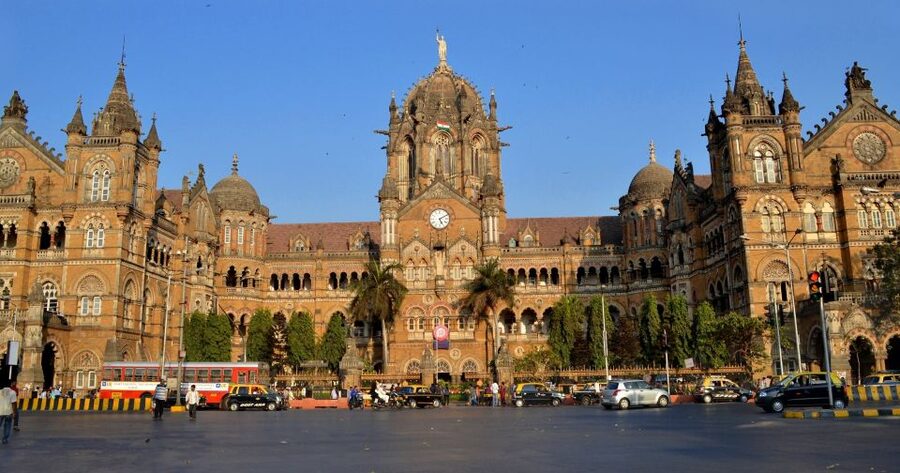
- UNESCO Chhatrapati Shivaji Terminus is a highlight that anchors the whole walk
- Architecture details with context, from libraries and cathedrals to courts and hotels
- Stops are close enough to feel like a real “walk through Old Mumbai,” not a bus ride
- English guides can be extra interactive, with lots of questions answered during the route
- You may get a more personal feel if the group is small, including one-on-one style attention
Mumbai, a few more routes through it
South Mumbai Heritage Walk: why this route works
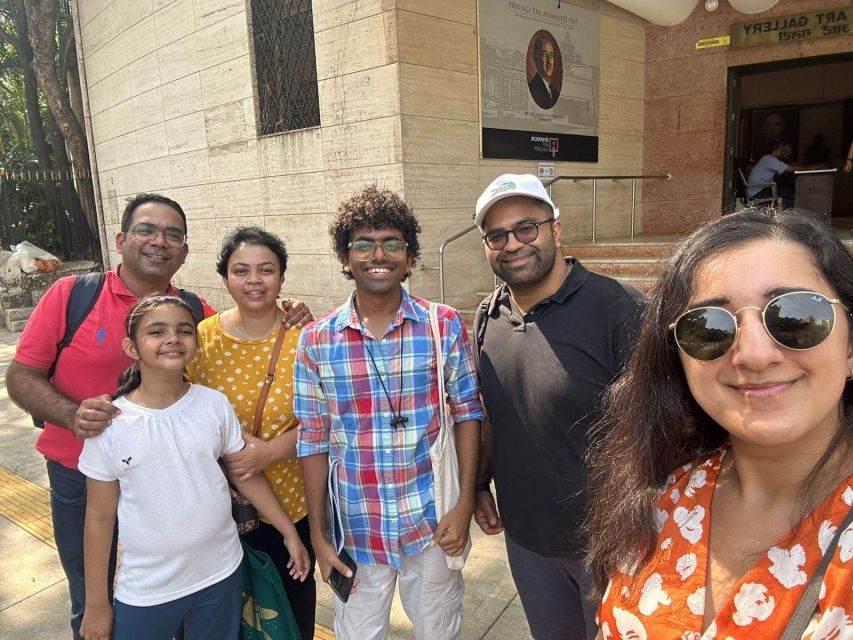
South Mumbai is where you can see the layers of the city without needing a museum ticket. This guided heritage walk is designed for exactly that, a walk where the buildings do the talking, while your guide translates what you’re looking at into something you can actually remember.
I like how the tour is sponsored by a group focused on architecture and heritage education. Mumbai Heritage Walks has been running since April 1999, founded by architects Abha Bahl and Brinda Gaitonde. Their stated goal is to raise awareness of the city’s architecture and heritage monuments through tours that are personalized, educative, and imaginative. In plain terms, you’re not just checking boxes. You’re learning how and why these places were built, and what they meant socially and culturally.
This is also a strong “first days in Mumbai” activity. The walk covers landmarks that many visitors know by name, but it explains what you’re seeing at street level. If you’ve ever wandered by a major site thinking, I guess that’s important, this format fixes that fast.
Price and time: what $28 buys you in real-world value
At $28 per person, this is priced like an outing, not a big production. The value is in the guide work. You’re paying for context that you likely would not get if you just followed your phone map.
A quick reality check: you’re walking for about 3 hours, and you’re stopping often enough to actually look. That means you’ll get more out of the tour if you’re willing to slow down, ask questions, and pay attention to architectural details.
Also, many landmarks on this route are outside, so weather matters. You’ll feel it if the day is hot or humid. That doesn’t make the tour worse, but it does mean your planning should match the fact that you’ll be outdoors and on sidewalks most of the time.
Chhatrapati Shivaji Terminus: the UNESCO anchor you’ll actually understand
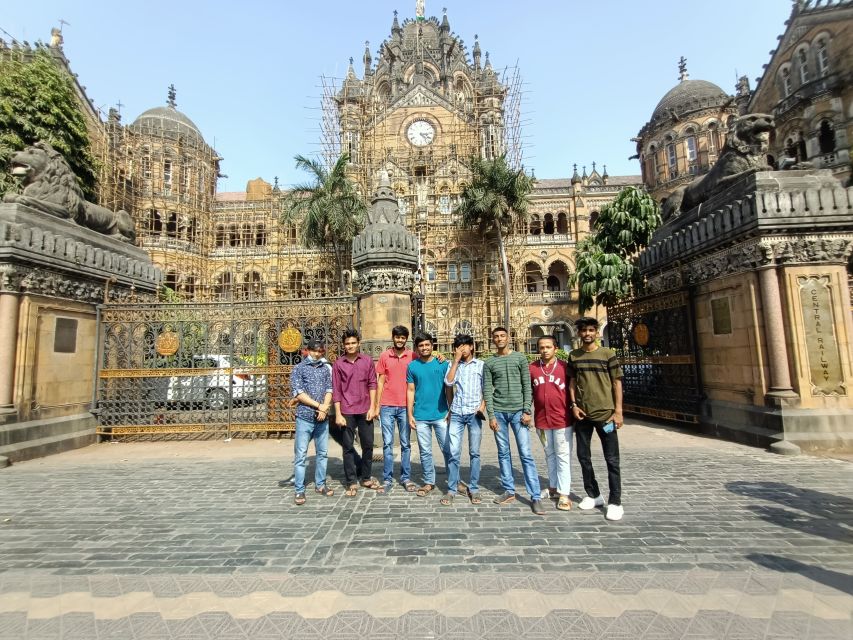
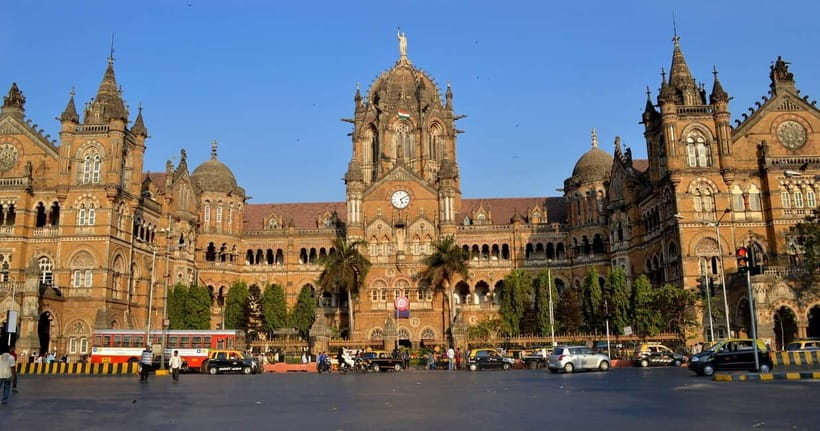
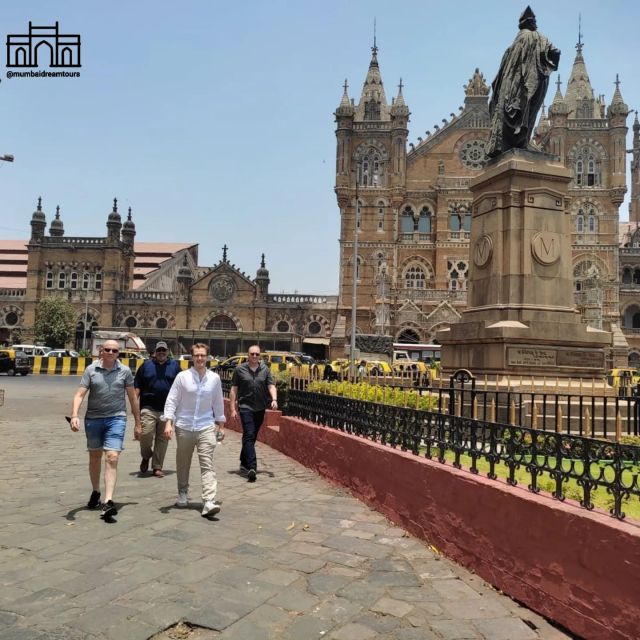
Your walk starts with Chhatrapati Shivaji Terminus, one of the most impressive train stations in India and one of the world’s UNESCO Heritage Sites. Even if you’re not a train person, this is worth it because the station is basically a monument to ambition.
This stop is special because it sets the tone for the entire walk. The guide’s job is to help you see the building not as a photo backdrop, but as a design statement. Once you learn what to notice here, you’ll start spotting similar cues in other colonial-era structures around South Mumbai.
Practical tip: bring your best walking pace. The station can be visually dense, so give yourself a few minutes to look up and around, not just at the entrance.
- Elephanta Caves & Island Guided Private Tour★ 5.0 · 1,327 reviews
- Private Guided Walking Tour in Fort & Colaba★ 5.0 · 895 reviews
- Mumbai: Street Food and Night Markets Tour★ 4.9 · 719 reviews
- Mumbai: Dharavi Slum, DhobiGhat, and Dabbawallas Tour★ 4.9 · 689 reviews
- Dharavi Slum Tour★ 5.0 · 625 reviews
Town Hall, Asiatic Society Library: colonial design with an intellectual vibe
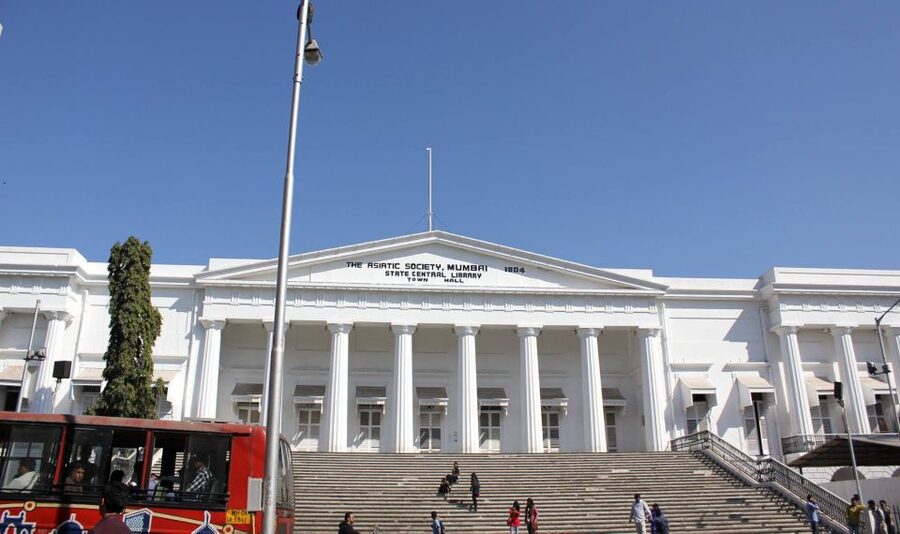
Next comes Town Hall, the Asiatic Society Library. It’s a colonial structure and one of the oldest libraries in town. Libraries have a way of changing your mood. You tend to slow down, look carefully, and treat the space like it has something to teach you.
What makes this stop valuable is the contrast between what visitors expect and what they actually see. It’s not just a building with books implied inside. It’s architecture meant to signal learning, civic pride, and the idea of public knowledge. Your guide helps you connect the dots between design choices and the city’s historical priorities.
If you’re the kind of traveler who likes to understand the “why” behind the “what,” this is a good moment to lean in. Ask questions when the guide offers them, because this is one of the stops where context really adds up.
St. Thomas’ Cathedral: a 300-year anchor for faith and permanence
St. Thomas’ Cathedral is another standout, described as a 300-year-old cathedral church of the Diocese of Mumbai of the Church of North India. This isn’t just a scenic stop. It’s a marker of continuity, a building that signals how old institutions took root and stayed relevant.
The value here is perspective. When your guide points out architectural features and explains how long these places have mattered, you start seeing the city differently. Instead of thinking of South Mumbai as one uniform colonial zone, you notice how different communities and institutions shaped the streets over time.
If you care about religious architecture, this stop gives you a firm base. If you don’t, it still works because it connects into the bigger theme of heritage monuments and how they survive and adapt through centuries.
Flora Fountain to the street scene: 1864 symbolism you can spot
Then you’re at Flora Fountain, built in 1864 and depicting the Roman goddess Flora. It sounds simple on paper, a fountain with a figure. In practice, this kind of public artwork is a way cities communicate values in a place where everyone walks by.
This stop works because it teaches you to look at small details. You start asking questions like: why is it here, what does it represent, and what does that say about the era that commissioned it? Even if you only catch parts of the sculpture and surroundings, the guide’s explanation gives meaning to what you’re seeing.
This is also a nice breather stop. After heavier architecture like the station and civic buildings, a fountain feels lighter and gives your eyes time to rest while still learning.
Bombay High Court and the idea of law in stone
The route includes the Bombay High Court, one of the oldest high courts in India. This is a powerful stop because court buildings are designed to project authority, stability, and seriousness.
Your guide helps you read the building as a statement. You’ll likely notice features that signal power and permanence, and you’ll understand why those design cues matter in a legal setting. It’s one of those moments where architecture feels less decorative and more functional, even when it’s ornate.
If you’re tempted to rush, don’t. This is one place where the design logic becomes clearer when you pause long enough to see the whole structure.
Kala Ghoda: art district energy without needing tickets
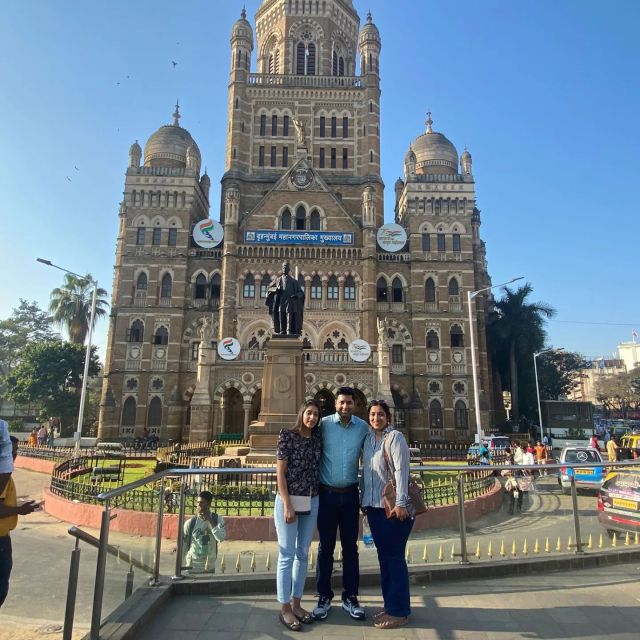
Kala Ghoda is described as a crescent-shaped art district in Mumbai with multiple heritage buildings. This section of the walk changes the feel. Instead of just major civic monuments, you move into a neighborhood scale of heritage, where the city looks lived in, not staged.
This is a good place for you if you like street-level culture. The guide can help you connect the art district identity with the surrounding historical architecture, so it doesn’t feel like a random detour. You’re still learning, just in a more casual setting.
Pro tip: wear sunglasses or a cap if you’re sensitive to glare. This area includes open sidewalks where the light can get intense.
Watson’s Hotel and cast-iron architecture: a tech story inside heritage
One of the coolest architectural mentions is Watson’s Hotel, described as the earliest surviving example of cast-iron architecture in India. That detail matters. Cast iron buildings are basically industrial-era engineering expressed as city architecture.
This stop gives you a different way to think about heritage. It’s not only about old religious and civic monuments. It’s also about engineering and materials, how new technologies changed what could be built, and how that transformation still sits in the middle of the city.
I like this part of the walk because it breaks the pattern. After cathedrals, courts, and libraries, it brings in a science and industry angle, which makes the tour feel more complete.
Hotel Taj Mahal Palace and the Gateway of India finale
You’ll also pass the Hotel Taj Mahal Palace, noted as a heritage, five-star, luxury hotel in Colaba. That inclusion is useful because it shows how heritage and modern prestige coexist in the same area.
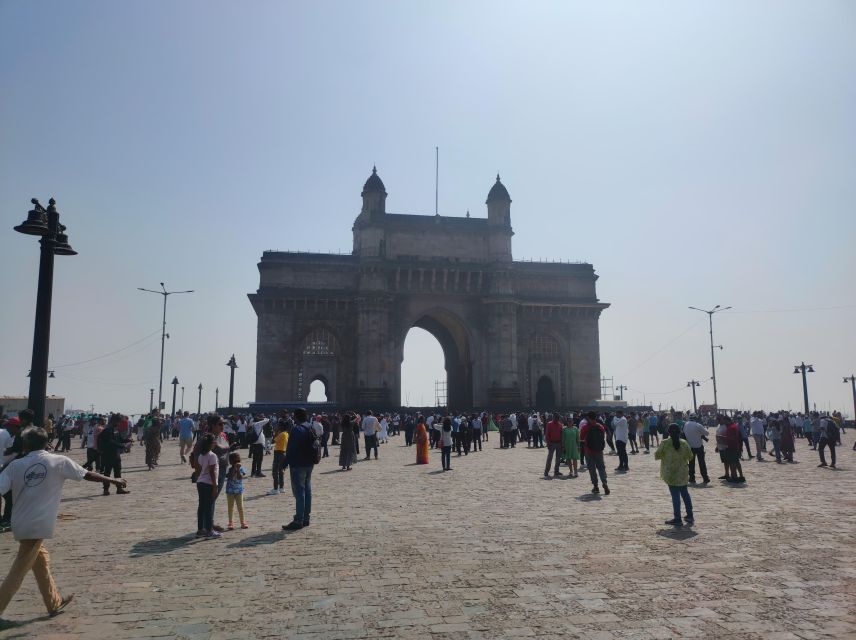
The final major monument is the Gateway of India, an arch-monument built in the early 20th century. It’s famous for a reason, but the real advantage of having a guide is understanding why it became such a symbol and what the architecture communicates.
This is a strong wrap-up section for photos and reflection. By the time you reach Gateway of India, you’ve already seen enough buildings that you know how to look, and you can better separate what is purely decorative from what’s historically meaningful.
The guides are the secret sauce: what you can expect
A lot of the praise centers on the guide experience, and it shows. Guides like Krishna, Sanika, Ketan, Alan, Abhi, and Alkama are described as friendly, warm, and willing to answer questions in a conversational way. One guide, Ketan, is noted as studying Indian literature and archaeology, and that shows up as extra enthusiasm and thoughtful explanations.
Another useful detail: if the group is small, the tour can feel more personal. For example, one participant mentioned they were the only person on the tour, and the guide personalized it for that situation. You can treat that as a good sign of flexibility, even if you can’t plan on being the only guest.
So if you want a tour where you can ask, stop, and get a clear answer without feeling rushed, this style of guiding is a big plus.
Who this tour fits best, and who might want to choose something else
This Heritage Walking Guided Tour is a great match if:
- You’re visiting South Mumbai for the first time and want a clean way to learn the neighborhood
- You like architecture that has stories behind it, not just pretty facades
- You enjoy asking questions and getting context instead of relying on guesswork
It may be less ideal if:
- You hate walking and would rather do a mostly seated activity
- You’re looking for a long list of indoor stops, because much of the route is built around outdoor monuments and streets
- You prefer totally self-paced exploration with zero talking. This tour works best when you engage with the guide.
Smart tips to get the most from the walk
A few practical things help you feel comfortable and get better learning out of the route:
- Wear comfortable shoes. You’ll be on sidewalks and you’ll want stable footing for frequent stops.
- Bring water and something for the sun. Since it’s a walking tour, you’ll appreciate staying hydrated.
- Keep your phone charged for photos, but try not to stare through the screen the whole time.
- If your guide offers extra context, ask follow-up questions. That’s when the story clicks.
This tour is about noticing. The more you pause, the more it becomes a learning experience rather than a sequence of landmarks.
Should you book Mumbai’s South Mumbai Heritage Walking Guided Tour?
If you want a simple first step into Old Mumbai, this one is a strong choice. At $28, you’re paying for guide-led interpretation of major landmarks, including UNESCO Chhatrapati Shivaji Terminus, St. Thomas’ Cathedral, Flora Fountain, Kala Ghoda, Watson’s Hotel, and Gateway of India. That list alone would be worth considering. With a guide who answers questions and ties architecture to meaning, it becomes more than sightseeing.
Book it if you like walking, want context, and want your South Mumbai trip to start with clear bearings. Skip it only if you know you do not handle outdoor walking well or you prefer self-guided wandering with no structured explanations.
FAQ
How much does the Mumbai South Mumbai Heritage Walking Guided Tour cost?
The tour costs $28 per person.
What language is the tour conducted in?
The tour is conducted in English.
How long is the tour?
The tour is described in reviews as lasting about 3 hours.
Which major landmarks are included?
The included stops listed are Chhatrapati Shivaji Terminus, Town Hall (Asiatic Society Library), St. Thomas’ Cathedral, Flora Fountain, the University of Mumbai, Bombay High Court, Kala Ghoda, Watson’s Hotel, Hotel Taj Mahal Palace, and Gateway of India.
Is the Chhatrapati Shivaji Terminus stop part of UNESCO World Heritage?
Yes. Chhatrapati Shivaji Terminus is listed as one of the world’s UNESCO Heritage Sites.
Who operates the tour?
The experience provider is Mumbai Dream Tours.
Is the tour always a large group?
The information provided does not guarantee group size. One review mentions a personalized experience when only one person was on the tour.
Is it possible to reserve without paying immediately?
Yes. The listing notes Reserve & Pay Later, meaning you can book your spot and pay nothing today.
Mumbai, Keep Exploring





Recently reviewed across Mumbai
- Mumbai City Sightseeing Guided Tour on a Bicycle
★ 5.0 · 10 reviews - Mumbai Street Food & Beach Tour with 10+ Tastings
★ 5.0 · 10 reviews - Mumbai Market Tour & Maharashtrian Cooking Class with Chef Reshma
★ 4.5 · 10 reviews - Sailing Experience in Mumbai on Mid Size Yacht
★ 5.0 · 10 reviews - 3 Days Complete Mumbai Tour Inclusive of Bollywood Studio Experience
★ 5.0 · 10 reviews - Dharavi Slum Tour
★ 5.0 · 10 reviews
Mumbai City Tours, compared.
 ★ 4.9Full-Day Sightseeing Tour of MumbaiFrom $241,822 reviews
 ★ 5.0Group Guided Walking Tour in Fort and ColabaFrom $161,073 reviews
 ★ 4.8Elephanta Caves Half-Day Guided Tour with ExpertFrom $301,032 reviews
 ★ 5.0Highlights of Mumbai Sightseeing Tour: TRAVELLERS CHOICE AWARDEDFrom $33915 reviews
 ★ 5.0Private Guided Walking Tour in Fort & ColabaFrom $36895 reviews
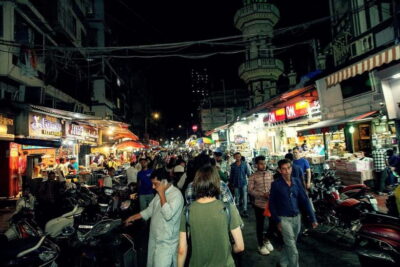 ★ 4.9Street Food and Night Markets TourFrom $13719 reviews
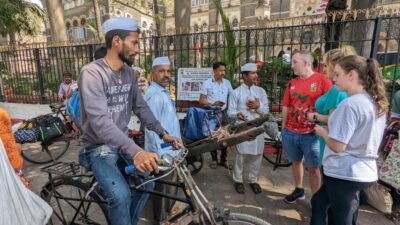 ★ 4.9Dharavi Slum, DhobiGhat, and Dabbawallas TourFrom $14689 reviews
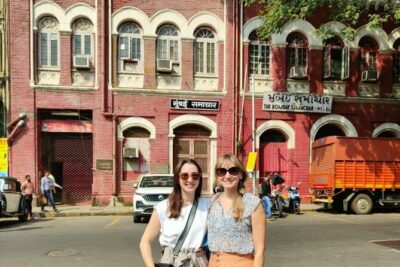 ★ 5.0Highlights of South Mumbai Guided Private Tour in AC VehicleFrom $74620 reviews
Browse the lists this tour appears in