
REVIEW · MUMBAI CITY TOURS
Private Cooking Class in Mumbai
Spices, hands, and a real home kitchen in Mumbai. This private class lets you cook with a local family, learn the logic behind Indian spices, and then sit down to the meal together. You can also choose a schedule that fits your day, thanks to morning or afternoon start times and round-trip hotel pickup.
I especially like the human scale of it, you are not squeezed into a crowd. I also like the mix of skills, from making chapattis to working with dishes such as paneer and raita. One possible drawback is that you are going into a local neighborhood home environment, so the pace and expectations are more about comfort and cooking than polished production.
In This Review
- Key Points Before You Go
- A Mumbai Cooking Class That Feels Like Visiting Family
- What the 5-Hour Plan Really Looks Like
- Stop 1 in Dadar West: Where the Class Begins
- Cooking With a Local Host: Spices, Bread, and the Method Behind It
- Dishes You Can Expect on the Menu
- Hands-On vs. Watch-and-Learn
- The Market Option: If You Want Ingredient Stories Before the Stove
- Lunch or Dinner in the Home: Eating Is Part of the Lesson
- Who This Experience Fits Best (And Who Should Consider Alternatives)
- Price, Value, and Why $120 Can Make Sense Here
- What to Watch For on Day-of Details
- Should You Book This Mumbai Private Cooking Class?
- FAQ
- How long is the private cooking class in Mumbai?
- Is hotel pickup and drop-off included?
- Can I choose whether to visit a market?
- What food is included?
- Is alcohol included?
- What is the minimum age?
Key Points Before You Go
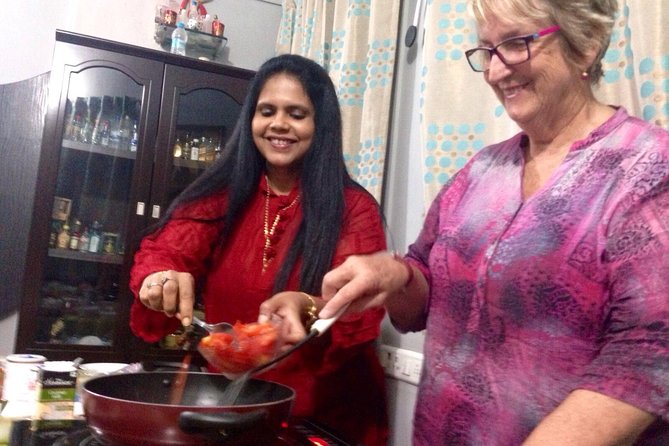
- Private, in-home setting gives you the chance to ask questions while you cook
- Optional market visit changes the feel of the class, more ingredients learning if you choose it
- Hands-on cooking with classic dishes, including chapattis in many sessions
- Hotel pickup and air-conditioned minivan helps Mumbai traffic stay out of your problem list
- Take-home recipes let you recreate the meal later, not just take photos
Mumbai, a few more routes through it
A Mumbai Cooking Class That Feels Like Visiting Family
This is one of those experiences where the city setting matters, but the real show is the kitchen. You head out with a local host and learn from a home-based cooking teacher, described as a woman in the experience setup. The point is simple: you get practical instruction on everyday Indian cooking, then share the meal with your hosts before you head back.
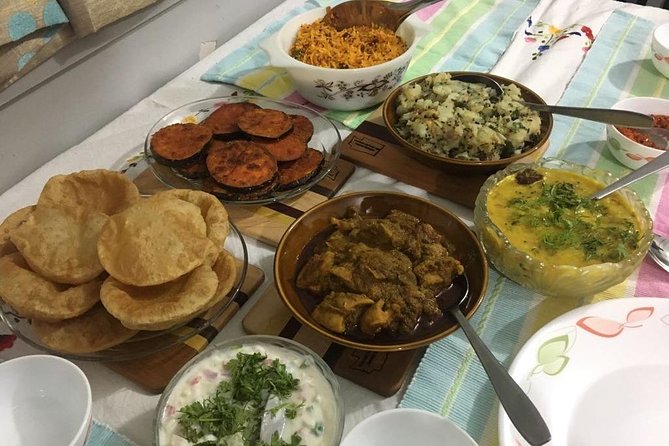
The menu rotates around classic comfort foods. You should expect options like paranthas, sag paneer, chapattis, raita, and masala. Some sessions also include items such as tikka, and other combinations like chicken, fish, and rice show up depending on what your class menu includes.
The “private” part is the big value. It is not a demo where you watch and hope you remember. It is a true group-only class where you can get hands-on help as you go.
What the 5-Hour Plan Really Looks Like
You are booking a roughly 5-hour experience in Mumbai, with a choice of morning or afternoon start times. In practice, that timing helps you avoid turning your day into a half-day marathon. You get picked up, you cook, you eat, then you return.
If you select the version with a market visit, your schedule expands beyond just kitchen time. The payoff is that you start with ingredients and a local perspective, instead of only working from what arrives on the counter. If you choose without the market visit, you get straight to the cooking flow and meal, which is ideal if you want maximum time at the cutting board and stove.
Either way, the structure tends to follow a familiar arc:
- You meet your host and settle into the home kitchen environment
- You learn key techniques, especially with spices and staple breads
- You cook together and taste along the way
- You sit down for lunch or dinner with your hosts
- You return to your Mumbai hotel
That rhythm is exactly why this works for real travelers. You get the full experience in one block of time, not scattered bits across the city.
Stop 1 in Dadar West: Where the Class Begins
You start in the Dadar West area. That matters because Dadar West is a real part of Mumbai, not a theme zone. The class is designed to bring you into day-to-day home life. So when you arrive, you should expect a homely atmosphere and a kitchen workflow centered on the family’s routines.
There is one practical downside to be aware of: since you are going into a local home, you do not control the exact kitchen layout, utensils, or space. That is normal, and usually it is part of the appeal, but it does mean you should wear comfortable clothes and be ready for cooking stations that may be smaller than a studio.
If you have watched cooking videos and think the bread or spice step is just technique, this is where you learn the missing pieces. In real kitchens, the method is tied to timing, texture, and heat control. That is where instruction becomes genuinely useful.
- Elephanta Caves & Island Guided Private Tour★ 5.0 · 1,327 reviews
- Private Guided Walking Tour in Fort & Colaba★ 5.0 · 895 reviews
- Mumbai: Street Food and Night Markets Tour★ 4.9 · 719 reviews
- Mumbai: Dharavi Slum, DhobiGhat, and Dabbawallas Tour★ 4.9 · 689 reviews
- Dharavi Slum Tour★ 5.0 · 625 reviews
Cooking With a Local Host: Spices, Bread, and the Method Behind It
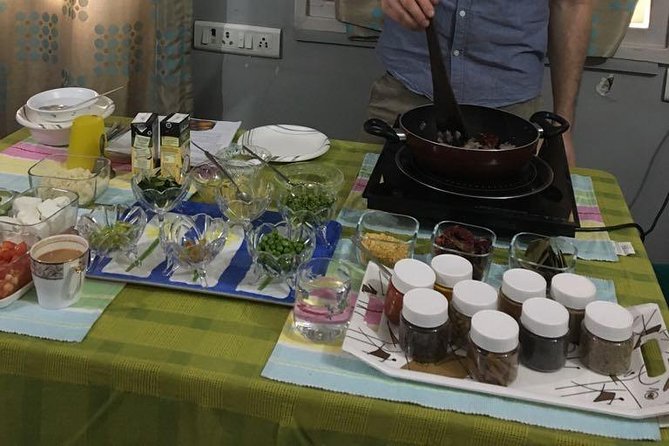
The core promise here is that you learn traditional spice use and Indian cooking techniques, not just how to follow a recipe. The class is hosted in a home environment, and the instruction is centered on making dishes like paneer preparations and chapattis, plus sides such as raita.
In particular, chapattis come up as a focal skill. One session description highlights that the class is hands-on and you learn how to make chapati, not just assemble it at the end. That kind of training is valuable because chapattis are unforgiving. They teach you how dough consistency and cooking heat work together.
You will also see spice thinking explained in practical terms. One host teaching notes include explanations around spices and methods for layering ingredients for better results. If you care about recreating food later, that is what you want. You want to understand why something tastes the way it does, not just memorize what went into the bowl.
Dishes You Can Expect on the Menu
Your exact menu may vary, but the classic set includes:
- Paranthas (often a bread and filling combo)
- Sag paneer
- Chapattis
- Raita
- Masala preparations
Some classes may add dishes such as tikka, and other menu variations include chicken, fish, and rice with paneer. Your best move is to check what your specific session menu includes when confirmation arrives, so you know what flavors and protein dishes are on your cooking schedule.
Hands-On vs. Watch-and-Learn
This class is built around participation. Even when you are learning, you are not stuck as a spectator. That is why you should go with a basic cooking mindset: expect to roll, mix, stir, assemble, and ask questions as you work.
It also explains why the experience works well for people who cook at home. You get feedback in real time. If something is not working, you can adjust on the spot.
The Market Option: If You Want Ingredient Stories Before the Stove
You have a choice with and without market visits. If you pick the market option, you start by seeing how ingredients are sourced and discussed before they hit the kitchen. That can change the entire tone of the afternoon or morning.
The benefit is mostly educational. Markets help you connect spices, produce, and pantry staples with the way families cook day-to-day. The drawback is time. Market add-ons naturally reduce the hands-on kitchen time if your schedule is tight, so pick this option only if you actually enjoy ingredient shopping and observation.
If you prefer maximum cooking time, skip the market visit. You will still learn about spices and techniques in the home kitchen, and you will still leave with recipes you can use later.
Lunch or Dinner in the Home: Eating Is Part of the Lesson
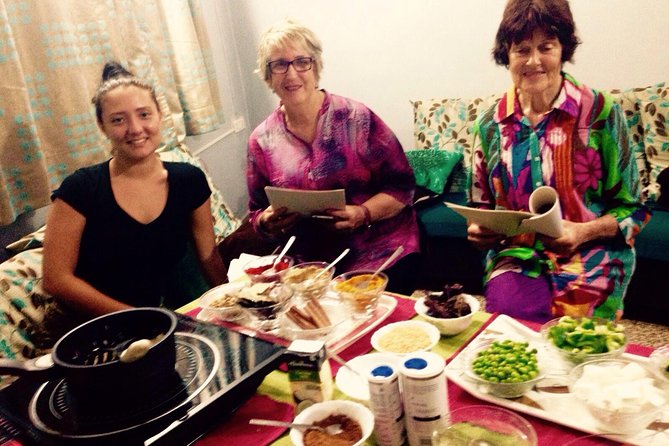
After cooking, you sit down to eat with your hosts. This is not a quick snack and run. It is part of how you learn. When you eat the dishes you made, you understand what each component should taste like together, especially items like breads plus sides and raita.
Food sharing also matters culturally. The shared meal is the payoff for the instruction, and it helps the hosts relax and treat the experience more like hospitality than a transaction.
Alcoholic drinks are not included. If you plan to drink, you will want to handle that outside the class setup.
Who This Experience Fits Best (And Who Should Consider Alternatives)
This is a strong match if you want:
- Real cooking in a real home kitchen
- Hands-on instruction, especially bread skills like chapattis
- A calm, intimate cultural exchange
- A take-home plan, with recipes designed for recreating the meal later
It is also a good fit for mixed groups, because the class is private. You are not navigating other people’s pacing.
It may be less ideal if you want:
- A strictly timed, studio-style experience with no variation
- A high-energy, showy event with lots of waiting and photos
- A menu that you already know exactly down to the last spice
Minimum age is 9 years, so families can generally consider it, as long as kids are ready to participate and be comfortable in a home setting.
Price, Value, and Why $120 Can Make Sense Here
At $120 per person, this is not a budget activity. But it can be good value if you compare what you actually get.
You are paying for:
- A private, in-home class instead of a group event
- Round-trip hotel pickup and drop-off
- Transport by air-conditioned minivan
- Local host time and instruction
- Lunch or dinner included
- A format that tends to be hands-on, including bread-making practice
- Take-home recipes, so the learning does not disappear after the meal
If you love cooking, recipes alone usually make this worth considering, but the bigger value is the instruction style. Learning how to make chapattis and work with paneer dishes requires more than watching. Real guidance is what you are buying.
If you only want to eat Mumbai food and you have zero interest in cooking, this price might feel steep. But if you want a skill plus a meal in one, it is the kind of spend that can pay off later at home.
What to Watch For on Day-of Details
A few practical things can make your experience smoother:
- Wear comfortable clothes you can move in, since you will be hands-on.
- Bring a flexible mindset about pace, because a home kitchen runs on household rhythm.
- Come with curiosity about spice and technique. Ask questions when something feels unclear.
- If you are sensitive to meal timing, choose your start time carefully. Morning versus afternoon changes how the day feels.
Also, because the experience is private, only your group participates. That means you should tell the host what you want to focus on if the menu offers options, especially if you have dietary preferences. (The exact policy for dietary needs is not spelled out in the provided details, so it is smart to communicate early.)
Should You Book This Mumbai Private Cooking Class?
I think you should book it if your ideal Mumbai day includes a home-cooked meal, hands-on instruction, and a genuine cultural exchange with an Indian family. The combination of private in-home teaching, classic dishes like sag paneer and raita, and practical steps for bread and spice use makes it a smart choice if you want to bring something home with you besides photos.
I would not book it if you want a high-effort, polished production, or if you are only looking for a quick meal. This experience is about cooking with people, in their space, with their rhythm.
If you are on the fence, pick the market option only if you enjoy ingredient stops. Otherwise, go without the market and protect your kitchen time.
In a city that can feel endless, this is one of the more personal ways to get your hands into Mumbai food culture.
FAQ
How long is the private cooking class in Mumbai?
The experience runs about 5 hours.
Is hotel pickup and drop-off included?
Yes. The tour includes hotel pickup and drop-off, plus transport by air-conditioned minivan.
Can I choose whether to visit a market?
Yes. Options with and without market visits are available.
What food is included?
Lunch or dinner is included. The class menu can include dishes such as paranthas, sag paneer, chapattis, raita, and masala, along with other possible items like paneer and tikka.
Is alcohol included?
No. Alcoholic drinks are not included.
What is the minimum age?
The minimum age is 9 years.
Mumbai, Keep Exploring





Recently reviewed across Mumbai
- Mumbai City Sightseeing Guided Tour on a Bicycle
★ 5.0 · 10 reviews - Mumbai Street Food & Beach Tour with 10+ Tastings
★ 5.0 · 10 reviews - Mumbai Market Tour & Maharashtrian Cooking Class with Chef Reshma
★ 4.5 · 10 reviews - Sailing Experience in Mumbai on Mid Size Yacht
★ 5.0 · 10 reviews - 3 Days Complete Mumbai Tour Inclusive of Bollywood Studio Experience
★ 5.0 · 10 reviews - Dharavi Slum Tour
★ 5.0 · 10 reviews
Mumbai City Tours, compared.
 ★ 4.9Full-Day Sightseeing Tour of MumbaiFrom $241,822 reviews
 ★ 5.0Group Guided Walking Tour in Fort and ColabaFrom $161,073 reviews
 ★ 4.8Elephanta Caves Half-Day Guided Tour with ExpertFrom $301,032 reviews
 ★ 5.0Highlights of Mumbai Sightseeing Tour: TRAVELLERS CHOICE AWARDEDFrom $33915 reviews
 ★ 5.0Private Guided Walking Tour in Fort & ColabaFrom $36895 reviews
 ★ 4.9Street Food and Night Markets TourFrom $13719 reviews
 ★ 4.9Dharavi Slum, DhobiGhat, and Dabbawallas TourFrom $14689 reviews
 ★ 5.0Highlights of South Mumbai Guided Private Tour in AC VehicleFrom $74620 reviews
Browse the lists this tour appears in