
REVIEW · MUMBAI CITY TOURS
Private Market Tour and Vegetarian Cooking Class in Mumbai
Cooking with Shilpa turns Mumbai into dinner. This is a private vegetarian Punjabi market tour and hands-on cooking class in Matunga East, with a covered grocery store stop and a home-kitchen lesson that can be adapted to vegans on request. You get a full picture of the ingredients and the technique, not just a plate of food.
I like the personal attention you get during the cooking time, especially because the dishes are explained step by step and you learn the logic behind what you’re doing. I also like that the class includes a real ingredient run at a covered grocery store, where Mumbai locals shop daily, plus a complimentary glass of beer with your choice of lunch or dinner.
One thing to consider: the pace can feel fast at moments, so if you want slower, more repetition, ask Shilpa to slow down. Also remember the menu is seasonal, so if you have a specific dish in mind, reach out in advance.
In This Review
- Key things to know before you go
- A 3-hour Punjabi cooking class that feels like a real home meal
- Where you start in Matunga Five Gardens (and how the timing works)
- Covered grocery shopping: the spice and produce lesson you can’t get from a supermarket
- Roti or paratha: learning dough work the way it’s actually taught
- Paneer makhni and dal: the core Punjabi flavors you’ll actually use
- The meal setup: lunch or dinner, plus a complimentary beer
- Vegan requests and seasonal menus: plan smart so you get what you want
- What you’ll learn that actually travels home with you
- Value check: what $64 gets you in Mumbai
- Who should book this (and who should ask questions first)
- A clear decision: should you book this vegetarian market and cooking class?
- FAQ
- What dishes will I learn to cook during this class?
- Is the menu vegetarian, and can it be made vegan?
- Do we visit an open-air market?
- How long is the experience?
- What’s included besides cooking?
- Is this a private tour or shared with other people?
- Can we change the start time?
Key things to know before you go
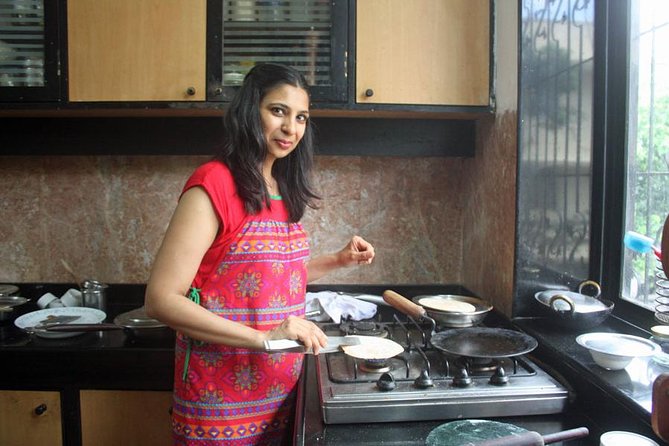
- A home-kitchen lesson in Matunga East with Shilpa, focused on up to three Punjabi dishes
- Covered grocery store shopping for fruits, vegetables, spices, and grains (not an open-air market)
- Roti or paratha the traditional way, with practical technique you can repeat at home
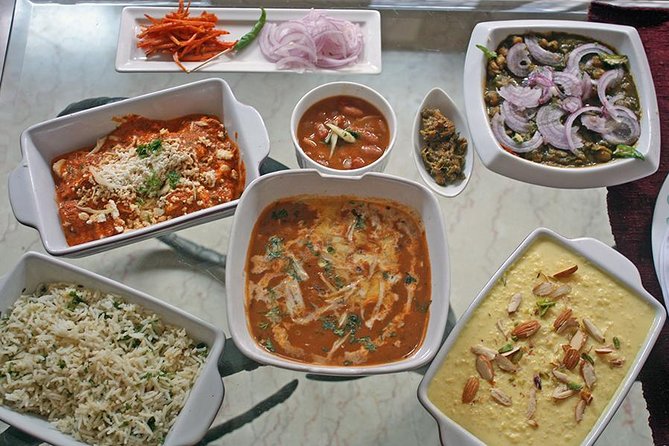
- Paneer makhni and dal building blocks, plus rice and Indian breads to complete the meal
- Vegans welcome on request, since Shilpa offers fully vegan meals if you ask ahead
- Beer plus lunch or dinner included, so the meal is part of the lesson
Mumbai, a few more routes through it
A 3-hour Punjabi cooking class that feels like a real home meal
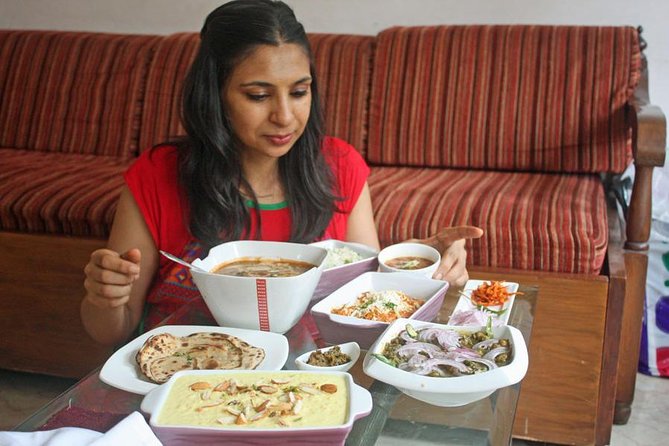
Mumbai can be loud and fast. This experience is different. In about three hours, you slow down with Shilpa in her Matunga East home, learn a small set of Punjabi favorites, and then eat what you cooked. The format is practical: you do the steps, you see the ingredients, and you get a seat at the table with a meal that matches the lesson.
The “private” part matters. You are not competing for attention or trying to follow along through a crowd. Instead, you can ask questions while you’re handling dough, spices, and the core sauce components. If you’re the kind of traveler who wants to go home able to repeat the results, this structure is a strong fit.
You’ll also appreciate the balance of market and kitchen time. You spend about 30 minutes in a neighborhood grocery store setting, learning what to buy and why. Then you shift to the cooking focus: breads, lentils, and a tomato-based paneer style dish. It’s not an all-day food festival. It’s a focused skill session that ends with a full meal.
Where you start in Matunga Five Gardens (and how the timing works)
You’ll meet at Indu Villa, Plot no Five Gardens, 602-C, Lady Jehangir Rd, Matunga East, Mumbai, Maharashtra 400019. The experience ends back at the meeting point, so you’re not left trying to figure out your next move once you’re full.
The class is set up for a smooth flow. First comes the grocery stop, then the drive or transition back to Shilpa’s home for cooking. Shilpa also has flexibility with start time if you message her in advance via WhatsApp. If your Mumbai day has tight planning, this is useful, especially if you want to start early or later.
Expect the lesson to include demonstrations plus your hands-on work. The bread part, in particular, is where you’ll feel the learning curve. Roti and paratha require touch, not just watching. So build your day with the mindset that you’ll get flour on your fingers at least once, and that you’ll benefit from a calm pace.
Covered grocery shopping: the spice and produce lesson you can’t get from a supermarket
The market stop is not the open-air kind with crowds and street snacks. It’s a covered grocery store, the type where Mumbai locals shop for produce regularly. That change is bigger than it sounds. In this setting, you learn what people buy for everyday cooking, not just what sells to tourists.
Shilpa introduces local fruits, vegetables, spices, and grains. You’ll likely see common Indian staples up close, and you’ll get a guided sense of how ingredients fit into Punjabi cooking. The store visit is also where you can ask practical questions like what’s best when something is unavailable, or what ingredient should be prioritized if your home pantry is limited.
You might buy a few ingredients. Even if you don’t, you’ll leave with a mental map of what you’re looking for when you try this again at home. That matters because Indian cooking success often comes down to the right spice mix and the correct bread technique. Knowing which ingredient is the backbone helps you avoid turning the dish into something unrecognizable.
- Elephanta Caves & Island Guided Private Tour★ 5.0 · 1,327 reviews
- Private Guided Walking Tour in Fort & Colaba★ 5.0 · 895 reviews
- Mumbai: Street Food and Night Markets Tour★ 4.9 · 719 reviews
- Mumbai: Dharavi Slum, DhobiGhat, and Dabbawallas Tour★ 4.9 · 689 reviews
- Dharavi Slum Tour★ 5.0 · 625 reviews
Roti or paratha: learning dough work the way it’s actually taught
This class includes bread skills: roti or paratha (flatbread), taught in a traditional way. That wording matters because you’re not just making a flat disc and calling it done. You’re learning how dough should feel, how rolling works, and what to watch for while cooking on the pan.
You’ll also learn the bread as part of the meal system. Punjabi food is often built around breads and sauces, not separate dishes eaten in isolation. So when you make roti or paratha here, you’re doing it with paneer makhni and dal in mind. That helps you understand how the flavors connect, especially the way tomato gravy, lentils, and bread textures play together.
One practical tip to keep in mind: if you want your bread to come out the same at home, ask Shilpa what small cues to use instead of timing. In a class environment, steps can move quickly. Getting those cues will help you recreate the results without needing her next to you.
Paneer makhni and dal: the core Punjabi flavors you’ll actually use
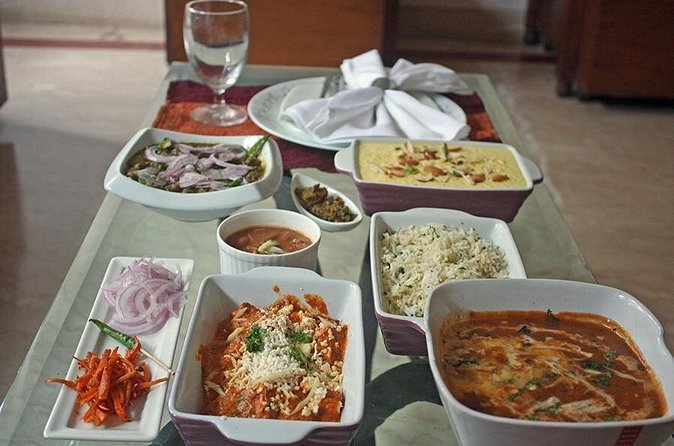
Two of the dishes you’ll make or learn are paneer makhni and dal (lentils). These are foundational Punjabi flavors, and they’re popular for a reason. Tomato-based gravy, warm spices, and the comforting base of lentils make the meal feel complete. Even if you only cook one Punjabi meal back home, these are strong candidates.
Paneer makhni, in this format, focuses on fresh cheese in tomato gravy. You’ll learn the working method for the sauce and how it pairs with the paneer. Dal rounds out the meal with lentils, usually something you can adjust at home for thickness and spice level. When you combine the two with rice or Indian breads, you get that classic plate balance: creamy or gravy-rich components plus a comforting lentil base.
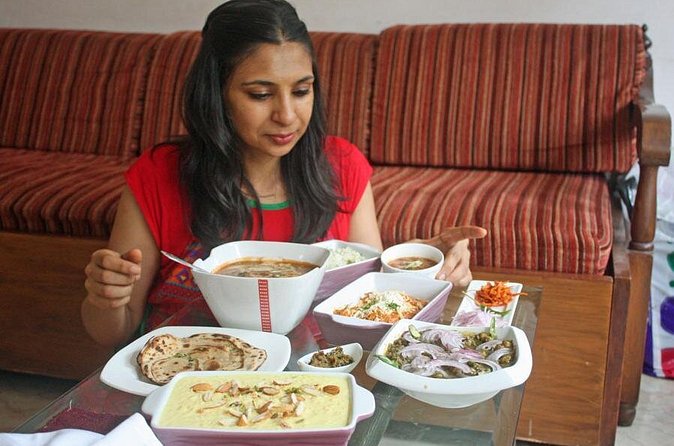
You’ll eat the dishes you make along with rice or Indian breads. That’s not a small detail. Eating the food right after cooking helps you learn how the finished textures should feel and how the flavors settle. It’s also your built-in quality check. If the dal is too thick or too mild, you’ll remember the moment you could have adjusted it.
The meal setup: lunch or dinner, plus a complimentary beer
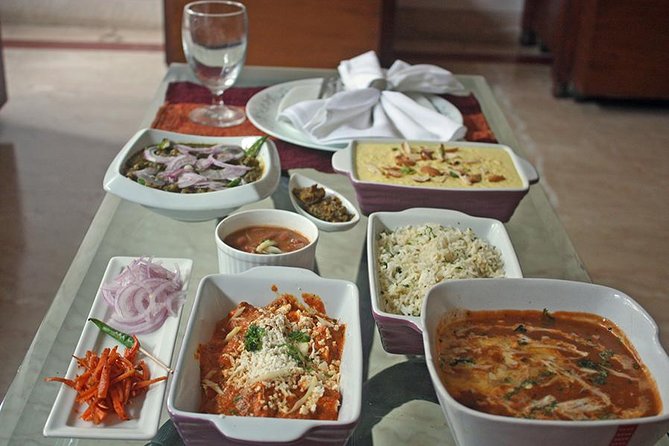
Food classes are often “watch, cook, taste a bite.” This one leans more toward eating a full meal. After cooking, you’ll sit down and enjoy what you prepared, with rice or Indian breads alongside the dishes.
You also get a complimentary glass of beer, plus your choice of lunch or dinner timing. This is a real perk for a traveler because it makes the experience feel like a complete dining plan, not an extra activity stacked onto your day. The meal portion gives you context for the cooking steps you just did, so the skills land in your brain more firmly.
If you’re mindful about alcohol, you can still treat the beer as an optional bonus in your planning. But for many people, it makes the class feel more social and relaxed, which tends to help learning.
Vegan requests and seasonal menus: plan smart so you get what you want
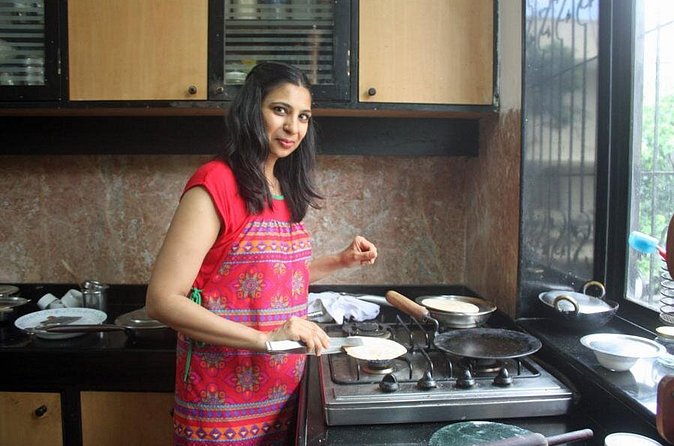
Shilpa offers only vegetarian food, and she can do a complete vegan meal on request. That’s a big advantage if you travel with dietary restrictions or you prefer vegan food but still want Punjabi flavors. The key is communication. You should tell her any preferences, dietary restrictions, or allergies in advance so the menu can be adapted properly.
The menu is also seasonal and subject to availability. That means the set of dishes could vary, and that can affect what you want to learn. If there’s a specific dish you want to cook, reach out ahead of time. This isn’t the kind of class where you can expect every request to be available at the last minute. Planning ahead keeps the experience aligned with your goals.
If you’re flexible and you enjoy learning a “menu theme” rather than a fixed shopping list, seasonal variation can be a plus. It makes the cooking feel more grounded in what’s truly available, not just what’s stocked for tourists.
What you’ll learn that actually travels home with you
The best cooking classes teach technique, not just recipes. This one is built around bread making, sauce and spice work, and lentil cooking, paired together in a real Punjabi meal format. Those are transferable skills. At home, you can swap ingredients based on your pantry, but you’ll still know how the components should behave.
You’ll also learn ingredient selection. The grocery store visit is part of the “how to cook again” equation. Instead of guessing which spices matter most, you’ll have a better sense of what you need and what you can approximate if something is hard to find.
I’d also pay attention to how Shilpa explains the reasoning behind what she’s doing. When someone explains the why, you stop memorizing and start understanding. That is what lets you adjust heat, thickness, and texture without ruining the dish.
Value check: what $64 gets you in Mumbai
At $64 per person for a three-hour private experience, the value comes from the package, not just the price tag. You’re paying for:
- Private instruction in a home kitchen
- A local covered grocery store stop with guidance on ingredients
- Hands-on practice for up to three Punjabi dishes
- A sit-down meal with what you cooked
- A complimentary beer, plus lunch or dinner choice
If you compare this to typical restaurant meals or to general cooking demos, the big difference is your active participation and your guidance while you cook. The market stop also adds real value, because it teaches shopping choices, not only cooking steps.
One practical note: group discounts exist, which can lower your per-person cost if you’re traveling with others. If you’re solo, you still get privacy, which is a comfort and a learning boost.
Who should book this (and who should ask questions first)
This class is a great fit if you want a real home-cooked Punjabi meal in Mumbai, and you want the skill to reproduce it later. It’s also a strong match for vegetarians and for anyone who needs vegan adaptations, since Shilpa can handle vegan requests.
It suits you if you enjoy details like spices, grains, and ingredient shopping. You’ll get a chance to see and learn about fruits, vegetables, spices, and grains in the context of everyday local shopping.
Ask questions first if:
- You want a slower pace. The class can move quickly at moments, so let Shilpa know if you need extra time on bread technique or sauce stages.
- You have a specific dish you want to learn. The menu is seasonal, so message in advance.
- You have allergies. Provide them ahead of time so Shilpa can adapt the meal correctly.
A clear decision: should you book this vegetarian market and cooking class?
Yes, I’d book it if your goal is to leave Mumbai with usable cooking skills. The combination of a covered grocery store walk, hands-on Punjabi bread and gravy practice, and a sit-down lunch or dinner makes it feel like a complete culinary day rather than a short demo.
I’d especially recommend it if you’re traveling with dietary needs, because Shilpa can do vegetarian and complete vegan meals on request. And if you want that warm, family-style feeling in a real neighborhood setting, this type of private home class is one of the best ways to get it.
If you only want to eat and don’t care about learning, this may feel like more effort than you want. But if you like learning technique you can repeat, this one is a smart use of time in Mumbai.
FAQ
What dishes will I learn to cook during this class?
You’ll learn Punjabi cooking basics and work toward up to three Punjabi dishes. The class specifically includes roti or paratha, paneer makhni, and dal, and you’ll eat the results with rice or Indian breads.
Is the menu vegetarian, and can it be made vegan?
Shilpa offers only vegetarian food. On request, she can also do a complete vegan meal.
Do we visit an open-air market?
No. The market tour is a covered grocery store where Mumbai locals shop for produce on a daily basis.
How long is the experience?
The duration is about three hours. The market visit is about 30 minutes.
What’s included besides cooking?
You get a complimentary glass of beer, and your meal includes lunch or dinner, based on your choice.
Is this a private tour or shared with other people?
This is private. Only your group participates.
Can we change the start time?
Shilpa is flexible with her start time. Let her know in advance via WhatsApp, and also share any preferences, dietary restrictions, or allergies ahead of time.
Mumbai, Keep Exploring




Recently reviewed across Mumbai
- Mumbai City Sightseeing Guided Tour on a Bicycle
★ 5.0 · 10 reviews - Mumbai Street Food & Beach Tour with 10+ Tastings
★ 5.0 · 10 reviews - Mumbai Market Tour & Maharashtrian Cooking Class with Chef Reshma
★ 4.5 · 10 reviews - Sailing Experience in Mumbai on Mid Size Yacht
★ 5.0 · 10 reviews - 3 Days Complete Mumbai Tour Inclusive of Bollywood Studio Experience
★ 5.0 · 10 reviews - Dharavi Slum Tour
★ 5.0 · 10 reviews
Mumbai City Tours, compared.
 ★ 4.9Full-Day Sightseeing Tour of MumbaiFrom $241,822 reviews
 ★ 5.0Group Guided Walking Tour in Fort and ColabaFrom $161,073 reviews
 ★ 4.8Elephanta Caves Half-Day Guided Tour with ExpertFrom $301,032 reviews
 ★ 5.0Highlights of Mumbai Sightseeing Tour: TRAVELLERS CHOICE AWARDEDFrom $33915 reviews
 ★ 5.0Private Guided Walking Tour in Fort & ColabaFrom $36895 reviews
 ★ 4.9Street Food and Night Markets TourFrom $13719 reviews
 ★ 4.9Dharavi Slum, DhobiGhat, and Dabbawallas TourFrom $14689 reviews
 ★ 5.0Highlights of South Mumbai Guided Private Tour in AC VehicleFrom $74620 reviews
Browse the lists this tour appears in