
REVIEW · BUDDHIST PILGRIMAGE TOURS
Sarnath Tour- Where Buddhism Originated
Buddha’s first sermon starts here. This half-day Sarnath visit is a calm, focused trip out of Varanasi, with stops at the places tied to the Buddha’s teaching and the centuries that followed. I especially like the way the tour keeps things easy to follow and respectful, thanks to a guide often called Monu or Mono, who explains with care and handles the key entry details.
I also like the practical comfort: you get an air-conditioned car and a full set of monument entry tickets, so you can spend your time looking instead of negotiating. One thing to plan for, though, is that food and drinks are not included, so bring your own snack or plan to eat before or after.
In This Review
- Key highlights at a glance
- Getting from Varanasi to Sarnath without the hassle
- Dhamekh Stupa and Ashoka’s legacy
- Mulgandh Kuti Vihar, where the atmosphere shifts
- Dharmarajika Stupa and relics after the Buddha
- The 1910 museum, statues that add missing detail
- How the 4-hour pace works (and why it’s a good fit)
- Value and price: what $40 really buys you
- Respectful guiding makes a real difference
- Who should book this Sarnath origins tour
- Tips to make your visit smoother
- Should you book this Sarnath origins tour?
- FAQ
- How long is the Sarnath tour?
- What is the price per person?
- What does the tour include?
- Is food or drink included?
- Where do we meet the guide in Varanasi?
- Is there a live guide, and what language do they speak?
- What are the main places you visit in Sarnath?
- Can I cancel the tour for a full refund?
- Is there a reserve now and pay later option?
- Is the cancellation and timing flexible?
Key highlights at a glance
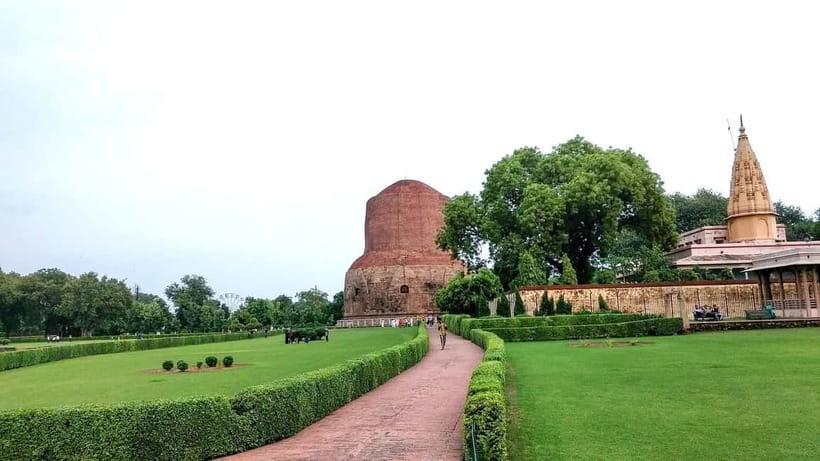
- Dhamekh Stupa at Sarnath: the site linked to Buddha’s first teaching moments, associated with King Ashoka’s era
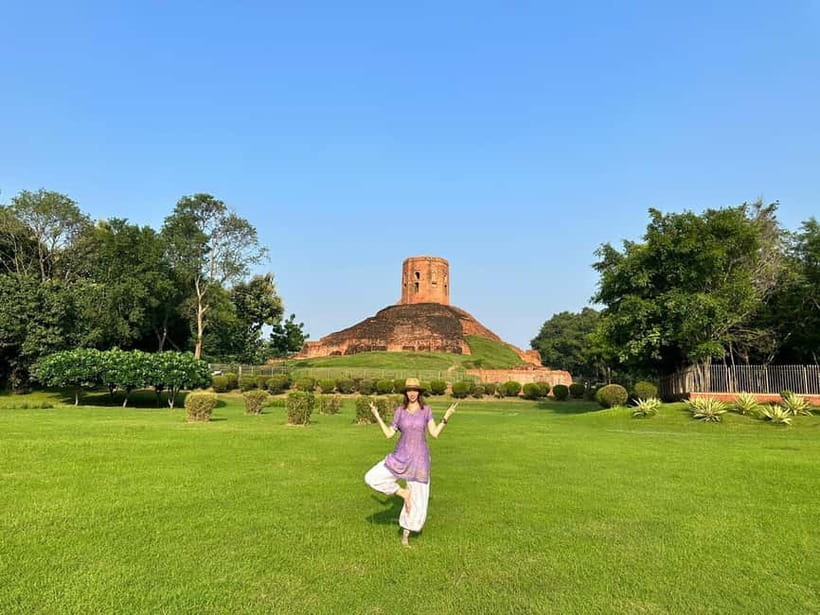
- Dharmarajika Stupa: a stop focused on relics connected to the Buddha after his death
- Mulgandh Kuti Vihar: the quieter, meditation-focused place tied to the Gupta period
- A museum built in 1910: British-built museum with many different statue types to round out what you see outdoors
- Monu/Mono style guiding: clear explanations plus reminders to keep the space treated with respect
Other stops on the Buddhist circuit
Getting from Varanasi to Sarnath without the hassle
Sarnath sits about 15 kilometers from the city center, which makes it a nice break from Varanasi’s constant motion. You’ll leave with a guide and travel by a comfortable air-conditioned car, then spend the next few hours concentrating on the monuments rather than figuring out transport on your own.
The meeting point is outside Hotel Ganges Grand Godowlia. Your guide contacts you on WhatsApp using the number you provide when you book. That small detail matters, because it cuts down on waiting around with a crowd and helps you start cleanly.
Why this matters: when a site is this spiritually and historically loaded, you want your brain to be able to listen. A short, organized ride out of town keeps the mood right, and the timing of a 4-hour tour fits well if you still want to continue sightseeing in Varanasi afterward.
Dhamekh Stupa and Ashoka’s legacy
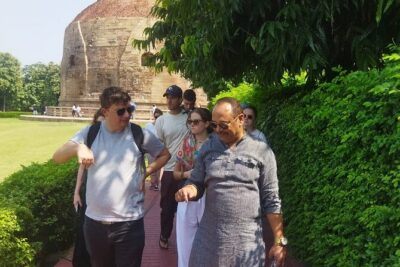
Your core outdoor stop is Dhamekh Stupa (often written Dhamekh or Dhamekh). This is one of those places where you feel the layering of time immediately. It’s connected with the tradition of the Buddha teaching his Dhamma, and the stupa is described as being built by King Ashoka.
Even if you have only a basic familiarity with Buddhism, this stop gives you a strong anchor. You’re not just looking at stone you’re seeing a physical marker of how teachings spread, got formalized, and then were remembered in architecture. Ashoka is a key name in Indian history for a reason, and having him attached to this site helps you connect the dots between spiritual ideas and royal support.
Practical tip: expect the stupa area to be busy or active at times, and plan on taking your time rather than rushing. The value of a guided visit is that you can focus on the meaning while the guide keeps the pace manageable.
Mulgandh Kuti Vihar, where the atmosphere shifts
Next up is Mulgandh Kuti Vihar, described as representing the place where the Buddha used to meditate, and linked to the Gupta period. This stop changes the tempo in a good way. Dhamekh gives you a teaching-focused landmark. Mulgandh Kuti Vihar feels more inward, like a pause inside the tour.
I like how this sort of stop balances the “big monuments” with a quieter idea: learning is not only about hearing. It’s also about practice, stillness, and working with the mind. A meditation-centered site makes that concept easier to understand, even if you’re not practicing yourself.
What you can do with your visit: slow down for a few minutes. Even a brief quiet moment helps you see the site as more than a photo background. The guide’s explanations here can be especially helpful if you want to understand why different buildings are associated with different phases of the Buddha’s life.
- The Ultimate 1 Day in Varanasi – How to Spend 13 Hours – Private Guided Tour★ 5.0 · 295 reviews
- A Journey of A lifetime★ 5.0 · 272 reviews
- Varanasi: Hidden Secrets of Vibrant Tradition (Guided Tour)★ 4.9 · 176 reviews
- Private Heritage and Spiritual Walk Tour – Varanasi Kashi★ 5.0 · 172 reviews
- 3 Hour Walking Tour of Buddhism in Sarnath★ 5.0 · 160 reviews
Dharmarajika Stupa and relics after the Buddha
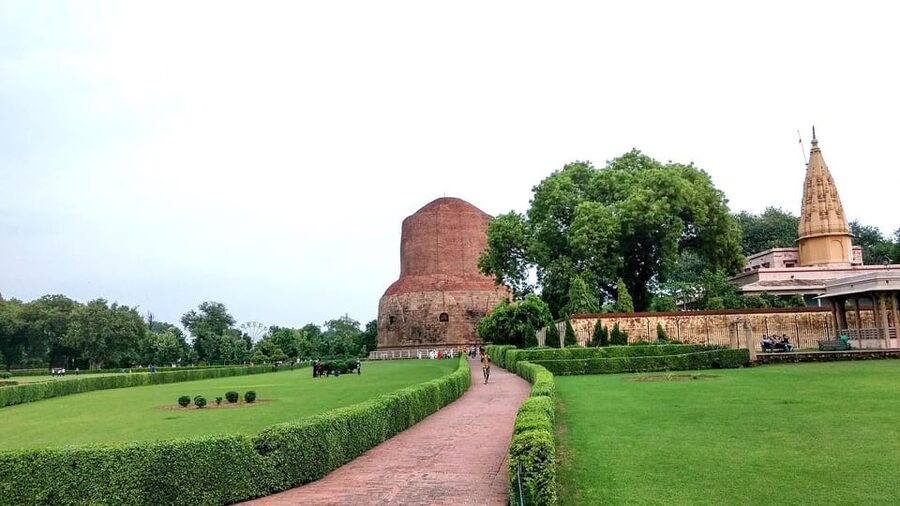
Then there’s Dharmarajika Stupa, tied to the story of relics connected to the Buddha after his death. The idea of relics can feel abstract until you stand in a place designed to honor them, and this is the kind of stop where context helps a lot.
A stupa like this is a bridge between teachings and remembrance. Instead of focusing only on the moment of preaching, it highlights what came after, when communities preserved the Buddha’s presence through relics and monuments.
If you care about how religions develop over generations, this is one of the most informative parts of the tour. It shows how devotion gets built into architecture, and how meaning stays alive through physical spaces.
The 1910 museum, statues that add missing detail
Outside the stupa circuit, you’ll also spend time at a museum built in 1910 by the British. This matters because outdoor monuments can sometimes make you think in broad shapes only. The museum brings you closer to the “stuff” that helps you interpret what you’re seeing, including different types of statues.
This is where you can connect your visual impressions to names, styles, and time periods the guide explains. If you’ve ever visited religious sites where you felt like you were seeing the surface but missing the context, this museum stop is the correction.
What to expect: plan to spend enough time inside to read what you can and listen to the guide’s comments. Even short museum visits become much more valuable when someone explains how to look.
How the 4-hour pace works (and why it’s a good fit)
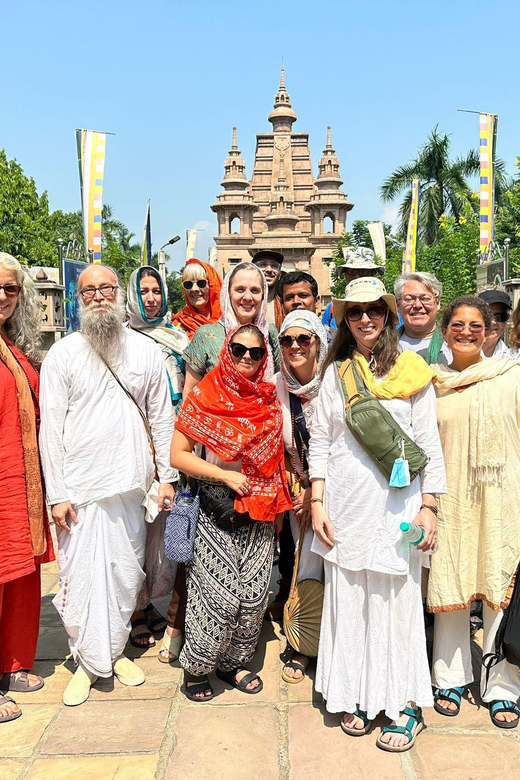
A 4-hour tour is long enough to hit the main sites at a comfortable rhythm, but short enough that it doesn’t swallow your whole day. That balance is part of the value of this experience.
Here’s how the structure works for most people:
- You start from your Varanasi hotel area and head out by AC car
- You cover the key Sarnath monuments tied to major moments in Buddhism’s origin story
- You finish with museum time so the outdoor images make more sense
- You return later with energy left for more exploring
One small planning note: because food and drinks are not included, you should either eat before you go or be ready to grab something nearby on your own. For some visitors, a simple snack at the right moment can make the difference between enjoying the sights and feeling drained.
Value and price: what $40 really buys you
The tour is priced at $40 per person, and the best way to judge value here is what’s included.
You get:
- A comfortable air-conditioned car
- Entry tickets for the monument stops
- A live English tour guide
- A focused 4-hour route designed for a meaningful overview
If you’ve ever tried to stitch together transport plus tickets plus a guide on your own, you know how time quickly disappears. Paying for a guided, ticketed route is not just convenience. It’s also decision-making help. You’re less likely to miss the connections between Dhamekh, Mulgandh Kuti Vihar, Dharmarajika, and the museum.
Also, English-language guiding matters. Sarnath can be confusing if you only see buildings and dates. A good guide turns it into a story you can actually follow, and Monu/Mono’s style comes through strongly in how people describe the explanations and respect for the site.
Respectful guiding makes a real difference
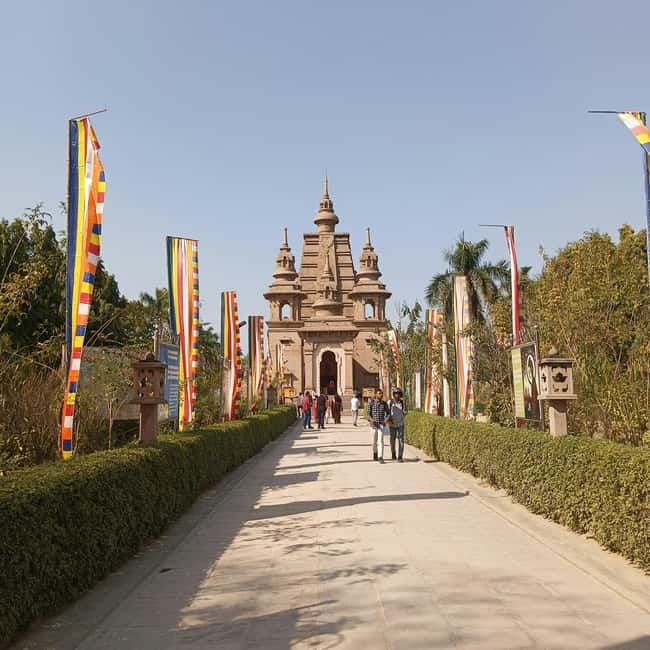
One of the most praised parts of this experience is how the guide talks about the place. I like that the guidance isn’t only factual. It’s also behavior-focused, with reminders to be respectful in a religious setting.
That kind of instruction can change your whole visit. You end up noticing details you would otherwise skim: how people move through the space, where attention naturally goes, and how the buildings are meant to be approached. It also helps if you’re not sure what’s appropriate in sacred places. You get cues without awkwardness.
Another practical plus: the guide helps with entry details. When that’s handled, you spend less time waiting in lines and more time looking with purpose.
Who should book this Sarnath origins tour
This one makes the most sense if you:
- Want a serious, calm intro to Sarnath without overplanning
- Like learning with a live English guide
- Are in Varanasi for a short stay and want one meaningful day segment away from the city’s noise
- Prefer a route that’s structured enough to keep you efficient, but not so rushed that you can’t soak in the atmosphere
It’s also a good match for people who enjoy “meaningful stops,” not only landmark photos. Dhamekh, Mulgandh Kuti Vihar, and Dharmarajika are tied to different aspects of the Buddha story, and the museum adds the missing context to help it all click.
Tips to make your visit smoother
A few practical moves can make the tour feel even better:
- Wear comfortable shoes. You’ll move between monuments, and it’s easier when your feet are happy.
- Plan for no food. Eat before you start or carry a small snack so the 4 hours stay comfortable.
- Bring a light layer. Temple and stupa areas can feel different from the city outside, and a small layer helps.
- Keep your pace unhurried. The guide is there to explain, but you still need time to look and absorb.
If you want to keep touring after Sarnath, this kind of guide often helps you get where you want next. It’s worth asking at the start what the plan is for drop-off so you can continue your day efficiently.
Should you book this Sarnath origins tour?
If you’re in Varanasi and you want a focused, well-supported way to visit the places linked to Buddhism’s early teaching, this tour is a strong choice. The AC comfort and included entry tickets do the practical heavy lifting, while the guide’s explanations and respectful approach do the meaning work.
Book it if you want:
- A clean, organized 4-hour experience
- Key Sarnath monuments plus the 1910 museum
- English guidance that helps you understand what you’re looking at
Skip it only if you strongly prefer fully independent travel and you already know exactly which sites to target and how to connect them yourself.
FAQ
How long is the Sarnath tour?
The tour duration is 4 hours.
What is the price per person?
The price is $40 per person.
What does the tour include?
It includes an air-conditioned car and entry tickets for the monument stops.
Is food or drink included?
No. Food and drinks are not included.
Where do we meet the guide in Varanasi?
Please wait outside Hotel Ganges Grand Godowlia. Your guide will contact you via WhatsApp.
Is there a live guide, and what language do they speak?
Yes, it’s a live tour guide, and the tour is in English.
What are the main places you visit in Sarnath?
The highlighted stops include Dhamekh Stupa, Dharmarajika Stupa, and Mulgandh Kuti Vihar, plus visits to a temple and a museum.
Can I cancel the tour for a full refund?
Yes, you can cancel up to 24 hours in advance for a full refund.
Is there a reserve now and pay later option?
Yes. You can reserve now and pay later.
Is the cancellation and timing flexible?
The tour offers free cancellation up to 24 hours in advance, and you can check availability to see starting times.
The Buddhist Circuit Continues

Recently reviewed across Varanasi
- Varanasi: Sunrise Boat Tour and Heritage Walk with transfers
★ 5.0 · 10 reviews - Varanasi Mysteries Walk: A Journey through Life and Death
★ 5.0 · 10 reviews - Omvity’s Full-Day Varanasi Tour: Sunrise Boat to Sunset Aarti
★ 5.0 · 10 reviews - Cycle of Life, Death & Rebirth (2 Hours Guided Walking Tour)
★ 4.5 · 10 reviews - Varanasi: Private Heritage Walking Tour & Sunrise Boat Ride
★ 4.9 · 11 reviews - Varanasi: Ganga Arti Evening Light Ceremony on the Main Ghat
★ 4.1 · 11 reviews
Buddhist Pilgrimage Tours, compared.
 ★ 5.03 Hour Walking Tour of Buddhism in SarnathFrom $33160 reviews
 ★ 4.9Full-day private Varanasi tour with AC car, boat & SarnathFrom $61103 reviews
 ★ 4.7Varanasi & Sarnath: Full-Day Tour with Ganges Boat RideFrom $5587 reviews
 ★ 4.8Buddhist Kanheri Caves with Golden Pagoda TempleFrom $2847 reviews
 ★ 5.0Mumbai Kanheri Caves & Golden Pagoda – A Buddhist SettlementFrom $2328 reviews
 ★ 5.010 Hours Morning Ganges Tour including Sarnath and Ganga ArtiFrom $6426 reviews
 ★ 5.0Private Kanheri- Buddhist Cave TourFrom $8524 reviews
 ★ 4.5Bodhgaya Day Tour (Hotel Pickup)From $3223 reviews
Browse the lists this tour appears in