
REVIEW · DHARAVI AND MUMBAI SLUM TOURS
Small- Group Delhi Slum Walking Tour
This walk changes how you see Delhi. You spend 2 to 3 hours with a local guide in Sangam Colony, then explore Pandav Nagar where daily life, temples, and small industries sit close to the railway line.
I love the small-group feel, with a maximum of 9 people, so you get real conversations instead of passive sightseeing. I also like that you can pause for tea or a cold drink, including the option to share that break with a local family.
The main consideration is practical, not philosophical: the tour needs good weather, and like any walking plan, timing matters.
In This Review
- Key highlights to look for
- Walking where the railway line shapes everyday life
- Meet-up, timing, and how to show up prepared
- Pandav Nagar first: fruit markets, temples, and trains overhead
- Sangam Colony walk: the settlement on both sides of the tracks
- The educational and vocational training center stop
- Tea break with a local family: what it’s good for
- Value for $23.47, and why the budget actually matters here
- Safety and comfort: what matters most on a community walk
- Who this tour suits best (and who might skip it)
- Practical booking tips I’d use
- Should you book this Delhi slum walking tour?
- FAQ
- How long is the small-group Delhi slum walking tour?
- What is the price per person?
- How many people are in the group?
- Where do we meet for the tour?
- Is hotel pick-up or drop-off included?
- What happens if I need to cancel or if the weather is bad?
Key highlights to look for

- Local guide from the same area who can explain what you’re seeing in plain terms
- 80% of proceeds going to a local non-profit, plus chances to support community businesses
- Railway-line life as you move through sections built on both sides of the tracks
- Tea or cold drink with residents during an optional family-style break
- Visits that go beyond streets, including a local fruit market, temple, and an education and vocational training center
- A short time commitment (about 2 to 3 hours) with a mobile ticket and a group cap of 9
Other Dharavi walks, guides named


Walking where the railway line shapes everyday life

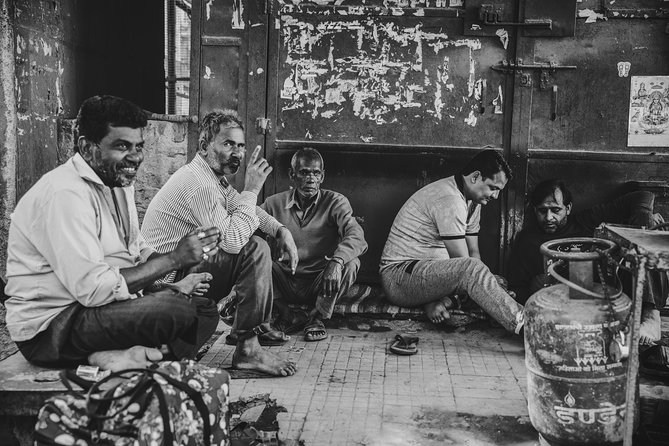
Delhi has a way of layering life on top of life, and this tour makes that plain. You move through an informal settlement zone in West Delhi, where the tracks are not just background scenery. They shape movement, sound, and the rhythm of daily routines, because parts of Sangam Colony and Pandav Nagar sit on both sides of the railway line.
What I like most is that the day is built around context, not shock. A local guide helps you connect what you see to the bigger socioeconomic picture, so you’re not just taking in streets and homes. You also get practical, human moments, including the chance for a tea or cold drink during the walk.
There’s also a strong value angle. The tour is priced at $23.47 per person and includes visits to homes, a fruit market, and a training center. You are not paying for a bus ride and a slideshow. You are paying for guided access that links community life with community support, with 80% of proceeds benefiting a local non-profit.
Meet-up, timing, and how to show up prepared
The tour starts at Main Patel Rd, Block B, Baljit Nagar, Shadipur, New Delhi, Delhi 110008, and it ends back at the same meeting point. The area is described as near public transportation, which matters because you can plan around Delhi traffic without building your entire afternoon around a private ride.
This is a walk, so your comfort matters. Wear shoes that can handle dust and uneven sidewalks. Since the activity requires good weather, you should be ready for a reschedule if conditions are poor. The tour is also short, about 2 to 3 hours, so plan your schedule like it is a focused half-day slot.
Group size is limited to a maximum of 9 travelers. That’s a big deal here. Smaller groups make it easier for your guide to manage conversations and for residents to feel at ease. It also helps you ask questions without the guide constantly repeating themselves.
Pandav Nagar first: fruit markets, temples, and trains overhead

The first stop is Pandav Nagar, for about 1 hour. This is the place where the tour starts to explain the shape of neighborhood life, not just the appearance of it. You’ll see areas with different industries, temples, and fruit markets, and you’ll also walk through sections on both sides of the railway track where you can watch Indian railways pass by.
Why this stop works: it gives you a framework. You can see that this community is not one single story. You’ll notice commerce, places of worship, and working routines all living side by side. That combination helps you understand the “informal settlement” label as something more specific and less abstract.
A practical downside to be aware of is sensory noise. When you’re near the tracks, trains are part of the background. If you are trying to take photos or listen closely to stories, you may need a moment to pause and let the train pass. It’s not a deal-breaker, but it is real.
- Old & New Delhi City Tour – Half or Full Day Options Available★ 5.0 · 4,811 reviews
- Taj Mahal Tour from Delhi by Express Train (Viator Award Winner)★ 5.0 · 2,849 reviews
- Same Day Taj Mahal, Fort & Baby Taj Tour from Delhi by Car★ 4.9 · 2,534 reviews
- From Delhi: Taj Mahal and Agra Fort Private Sunrise Tour★ 4.9 · 2,270 reviews
- Sunrise Taj Mahal, Agra Fort & Baby Taj Tour from Delhi by Car★ 5.0 · 2,243 reviews
Sangam Colony walk: the settlement on both sides of the tracks
Next comes Sangam Colony, for about 30 minutes. This portion is shorter by design, which makes sense because the tour is paced to keep the experience respectful and not exhausting. Here, the settlement is described as built on both sides of the railway track.
This stop is important because it connects the facts you’ve started to hear in Pandav Nagar to the street-level reality of daily life. You’re not just looking at a distant area. You’re walking through the physical layout and hearing explanations tied to survival and socioeconomic pressure.
What to keep in mind: short duration doesn’t mean shallow learning. In a small-group tour, your guide can focus on what matters to your questions and what feels most understandable. That said, if you want a lot of time for slow observation and lots of personal questions, you may find 30 minutes brief. The tradeoff is that you also move on to places that show how support and education work.
The educational and vocational training center stop
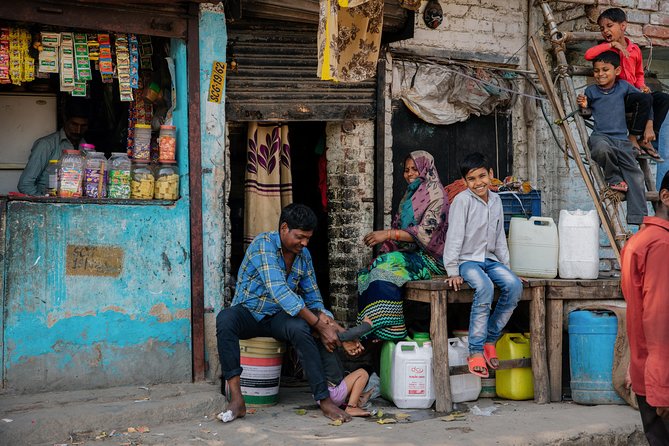
You finish with another part of Pandav Nagar, focused on the educational side, for about 25 minutes. This stop centers on the tour’s longer-term purpose: a visit to an educational and vocational training center where the program provides training through education and vocational centers.
This is the moment where the tour’s message becomes more practical. Watching daily life in a community can leave you with big feelings, but it can also leave you wondering what changes anything. A training center answers that question in a grounded way. You get to see the kind of support that helps people build skills and futures instead of only discussing conditions.
I also appreciate how the stop ties into the overall structure. You see community life, you walk the settlement streets, and then you visit a place designed to train and educate. The tour doesn’t pretend that one visit solves everything, but it gives you a tangible link between awareness and action.
Tea break with a local family: what it’s good for
One of the signature experiences in this tour is an optional tea break with a local family, along with cold drinks or tea being part of what’s included. This isn’t presented as entertainment. It’s presented as a shared pause.
In my view, this is where a tour like this becomes more than a walk. Sharing tea or a cold drink gives you a chance to switch from observer mode to conversation mode. If the tea break happens during your tour, it’s worth leaning into it with good manners and a calm pace. Let the guide translate if needed, and keep your questions grounded and respectful.
This tea break is also linked to the tour’s community support angle. The tour design includes visits to community businesses like a fruit market. That means your time and money connect to everyday income, not just to one-time donations.
Value for $23.47, and why the budget actually matters here
At $23.47 per person, this is not a pricey activity for what you get. You have a local guide, multiple stops, included drinks, and visits that involve homes, a fruit market, a temple, and a training center. Most importantly, 80% of proceeds go to a local non-profit.
That last part is the real value driver. If you want your travel spending to do something visible, this is set up for that. You are paying for access that can be uncomfortable to organize without local support. And you’re funding the community projects attached to the organization behind the tour.
The tour also runs for 2 to 3 hours, which is manageable even if you are only in Delhi for a short window. It’s the kind of tour that fits between bigger city plans, as long as you keep some flexibility for weather.
Safety and comfort: what matters most on a community walk
This kind of experience is only worthwhile when you feel safe and respected. The tour’s model relies on a local guide from the same area, which is a huge practical advantage. You get someone who knows how to move through the space, how to explain it, and how to keep interactions smooth.
Guides with names like Sunny and Abhishek have led groups in the past, and the consistent theme is that guests are welcomed and guided in a way that feels organized. There was also a situation where administrative confusion happened and the guide still handled it by showing up and continuing the tour, which tells you the operation is capable when things get messy.
That said, the tour is still a real neighborhood walk. You should be mentally ready for everyday sights and stories. If your goal is only postcard Delhi, this may feel too real too fast.
Who this tour suits best (and who might skip it)
This is a strong match if you want:
- Socioeconomic context, told by someone living nearby
- A small-group experience with room for questions
- A tour that includes community support, not only photography
- A path from everyday life to education and vocational training
It may be less ideal if:
- You want a classic tourist route with scripted, scenic stops
- You dislike walking near the railway line where trains are constantly passing
- You get easily stressed by schedule changes, since the tour depends on good weather
Also, if you’re traveling with kids, this can be a meaningful educational experience, but you will want to stay flexible. The tour includes interactions with local spaces, so patience helps.
Practical booking tips I’d use
This tour is often booked ahead. On average, it is booked 13 days in advance, so if you’re traveling during peak periods, you’ll want to lock it in early. You’ll also receive confirmation at booking, and you’ll use a mobile ticket, which is convenient for a city day where paper tickets can get lost.
Since the meeting point is specific, arrive a little early, especially if you’re using public transportation. In neighborhoods like this, you want your day to start calm. Once you start walking, you will be glad you didn’t rush the meet-up.
Finally, pack a small mindset shift. This is not a performance of poverty. It’s a walk through a living community with multiple businesses, temples, and education programs. Your job is to listen, ask respectful questions, and let the guide set the pace.
Should you book this Delhi slum walking tour?
I think you should book it if you want a real connection point between Delhi’s daily life and how local support can actually work on the ground. The combination of a small group, a guide from the area, included drinks, a fruit market and temple stop, and a visit to an education and vocational training center makes this more than a single-purpose tour.
Book it especially if you care about value and impact. With 80% of proceeds supporting a local non-profit, your money is going somewhere specific. And because the tour is 2 to 3 hours, you can fit it into a short Delhi itinerary without sacrificing a full day.
Skip it only if you are looking for traditional sights or you know you will struggle with a walking experience that depends on good weather and includes movement near the railway track.
FAQ
How long is the small-group Delhi slum walking tour?
It lasts about 2 to 3 hours.
What is the price per person?
The price is $23.47 per person.
How many people are in the group?
The tour has a maximum of 9 travelers.
Where do we meet for the tour?
Meet at Main Patel Rd, Block B, Baljit Nagar, Shadipur, New Delhi, Delhi 110008, India.
Is hotel pick-up or drop-off included?
No, hotel pick/drop is not included.
What happens if I need to cancel or if the weather is bad?
You can cancel for a full refund up to 24 hours in advance. The experience requires good weather, and if it’s canceled due to poor weather, you will be offered a different date or a full refund.
More Dharavi Walks with Local Guides




Recently reviewed across New Delhi
- Golden Triangle – Delhi Agra and Jaipur
★ 5.0 · 10 reviews - Taj Mahal & Agra Tour by Indian Bullet Train All Inclusive
★ 4.5 · 10 reviews - Private Tour in Mehrauli Archaeological Park & Qutub Minar
★ 5.0 · 10 reviews - Old & New Delhi Tour
★ 5.0 · 10 reviews - From Delhi : Taj Mahal & Agra Fort Tour by Luxury Express Train
★ 5.0 · 10 reviews - Delhi Shopping Tour: Top Bazaars, Crafts & Souvenir Finds
★ 5.0 · 10 reviews
Dharavi and Mumbai Slum Tours, compared.
 ★ 4.9Dharavi Slum, DhobiGhat, and Dabbawallas TourFrom $14689 reviews
 ★ 5.0Dharavi Slum TourFrom $20625 reviews
 ★ 5.0Dharavi Slum tour in Mumbai by local residentFrom $4572 reviews
 ★ 4.9Dharavi Slum Slumdog Millionaire Tour with a LocalFrom $10529 reviews
 ★ 5.0Mumbai Slum Tour – Visit Dharavi Slum with Local GuideFrom $5509 reviews
 ★ 5.0Sanjay Colony Slum TourFrom $21498 reviews
 ★ 5.0Dhobi Ghat Laundry and Dharavi Slum Tour with LocalFrom $4469 reviews
 ★ 5.0New Delhi Slum Walking TourFrom $28360 reviews
Browse the lists this tour appears in