
REVIEW · MUMBAI CITY TOURS
Mumbai: Dharavi Slum Slumdog Millionaire Tour with a Local
Mumbai changes shape in Dharavi’s alleyways. This tour earns its reputation because it shows community life at street level, with schools, a hospital, and countless businesses packed together. One thing to consider up front: you’ll be walking through tight, busy lanes, and the conditions can feel intense, especially in heat or rain.
I also love how it’s not a one-note sightseeing stop. You get real inside access from an English-speaking local guide, and you’ll see how small-scale industries actually run, from crafts to the recycling work that feeds the wider economy.
In This Review
- Key reasons this Dharavi tour works so well
- Dharavi in one walk: why it feels like a city
- Your local guide matters more than the headline
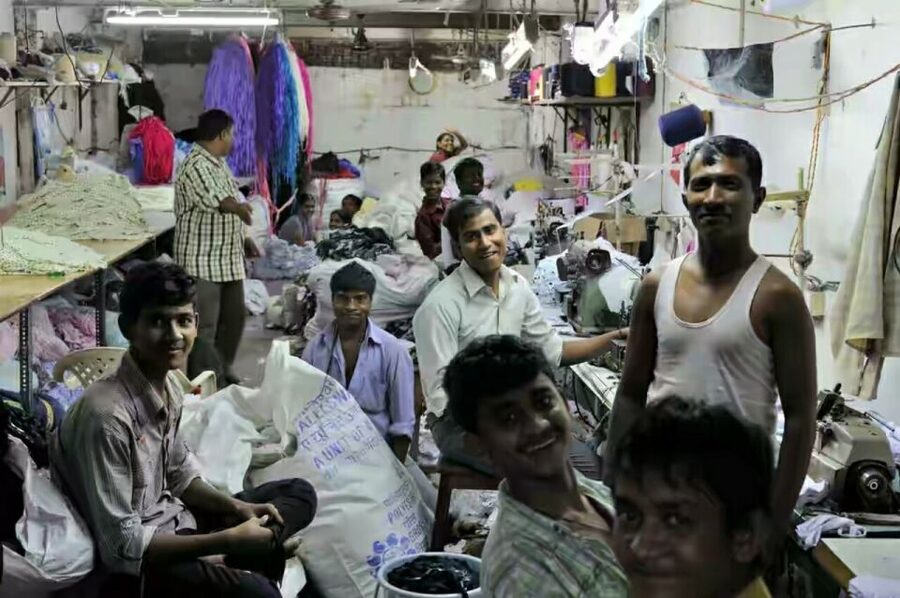
- What you’ll actually see: small industries and the recycling engine
- Walking the narrow alleys: what the route feels like
- Getting the tour right: transport, safety, and stress-free timing
- The pottery factory finish (and why it’s a smart ending)
- Optional vegetarian meal in a local home
- Photography rules and the etiquette that keeps this respectful
- What to pack: the simple gear that makes the day easier
- Price and value: is $10 a good deal, and what it really buys?
- Who should book this Dharavi tour, and who should think twice
- Should you book this Dharavi Slum tour with a local?
- FAQ
- How long is the Dharavi slum tour?
- Is a hotel pickup and drop-off included?
- What language is the guide?
- Are meals included?
- Is photography allowed during the tour?
- What should I bring?
- Who is the tour not suitable for?
Key reasons this Dharavi tour works so well
- A local guide changes everything, from answering hard questions to keeping you oriented and safe
- Small industries appear around every corner, including soaps and handmade cosmetics, textiles, and pottery
- Recycling is shown as a full production chain, not just a quick photo moment
- It’s built for small-group walking, so you can move through narrow alleys without feeling rushed
- You end at a pottery factory, with help to continue on afterward
- Optional home-style vegetarian meal can extend the experience with a local family
Mumbai, a few more routes through it
Dharavi in one walk: why it feels like a city
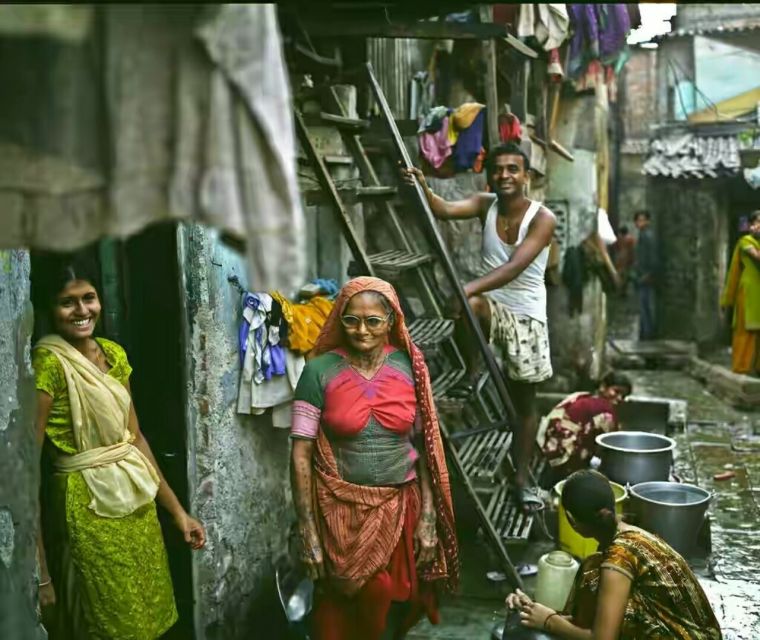
Dharavi is often reduced to one label, but on this tour it shows its real shape, day after day. You’ll walk through narrow lanes where the “slum” label stops being useful and starts being misleading. What you experience instead is a neighborhood that runs, with community spaces and work happening side by side with homes.
One traveler described the contrast well: you can see harsh conditions for migrant and seasonal workers in recycling, then turn and encounter quieter residential areas and community services. That contrast is part of the truth here. The tour doesn’t sugarcoat what life is like, but it also refuses to treat Dharavi like a single grim backdrop.
You should go in with the right mindset. This is not a theme park visit and it’s not a voyeuristic stare-fest. The point is to understand how people live and earn here, and how the local economy functions at small, human scale.
Your local guide matters more than the headline
This is a guided walk, and your guide is the difference between a “seen it” visit and a meaningful one. The tour is led by an English-speaking local, and the best guides bring lived experience, clear explanations, and a human tone when questions get personal.
You might be led by a guide like Loki, Alam, Maze, Denish, or Ganesh, based on who is scheduled. What tends to come through is how they handle two jobs at once: translating what you’re seeing, and making sure the group stays together on the way through.
More importantly, the guide helps you avoid common mistakes. For example, photography rules are strict at many places. You’ll also get practical guidance on where you can pause, where you should keep moving, and how to ask questions in a way that feels respectful to the people living and working nearby.
What you’ll actually see: small industries and the recycling engine
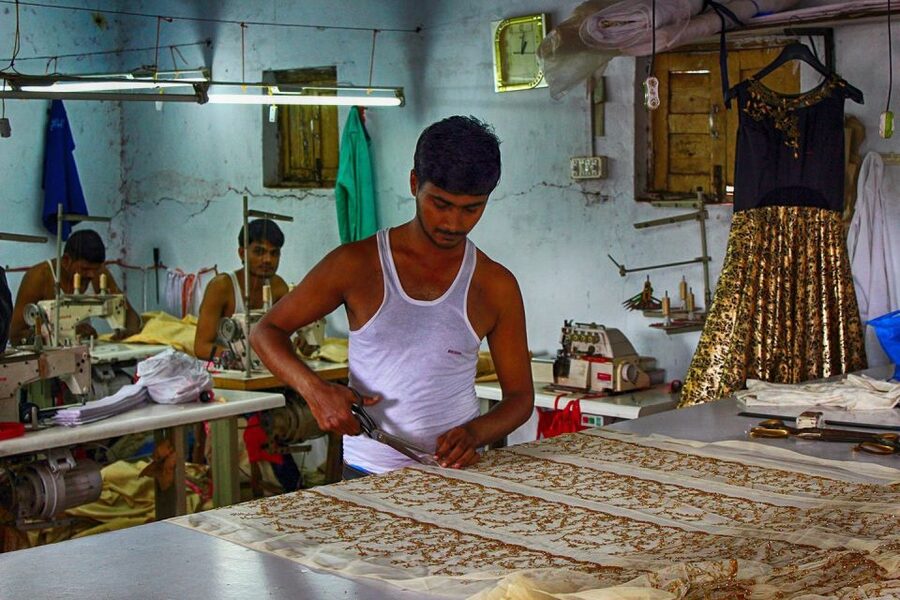
If your mental picture of Dharavi is only “poverty,” this tour pushes you to update the file. The area is known for small-scale production, and you’ll get walked through the kinds of work that keep goods flowing far beyond Mumbai.
Here are the kinds of industries you can expect to spot during the walk:
- Soap and handmade cosmetics, with workshops that show how everyday products get made in small batches
- Textiles, where you can see how cloth work fits into the local economy
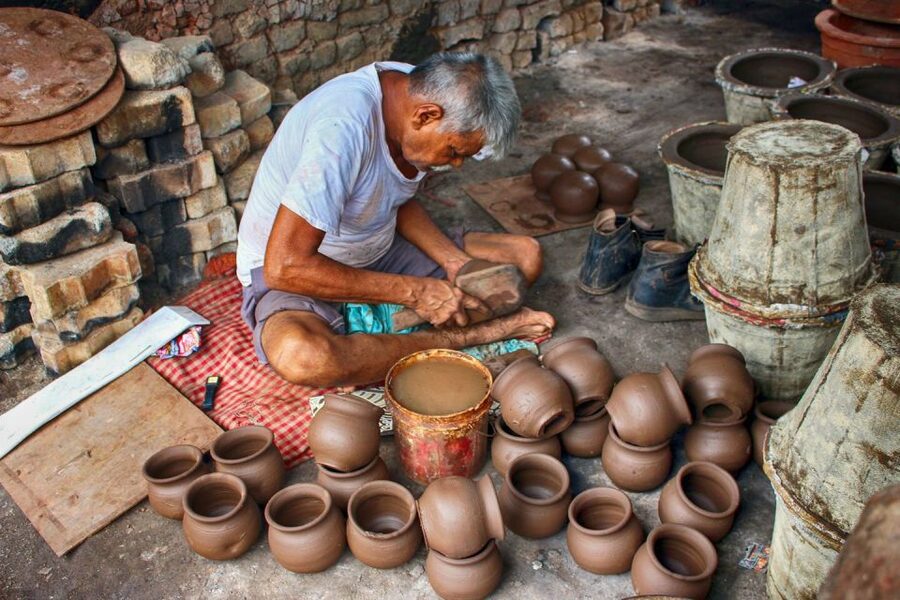
- Pottery, which becomes your final stop
- Recycling work, where materials move through steps that can be hard to understand from the outside
One of the most praised parts is the way the guide explains production chains. You’re not just looking at a finished object. You’re learning how inputs become outputs, and how different parts of the neighborhood connect. That makes Dharavi feel less like a random maze and more like an ecosystem.
You’ll also notice diversity in what people believe and how they live. Multiple traditions and beliefs exist within the same dense space. It’s one of those details that makes the neighborhood feel real, not simplified.
Other Dharavi walks, guides named
- Mumbai: Dharavi Slum, DhobiGhat, and Dabbawallas Tour★ 4.9 · 689 reviews
- Dharavi Slum Tour★ 5.0 · 625 reviews
- Dharavi Slum tour in Mumbai by local resident★ 5.0 · 572 reviews
- Mumbai: Dharavi Slum Slumdog Millionaire Tour with a Local★ 4.9 · 529 reviews
- Mumbai Slum Tour – Visit Dharavi Slum with Local Guide★ 5.0 · 509 reviews
Walking the narrow alleys: what the route feels like
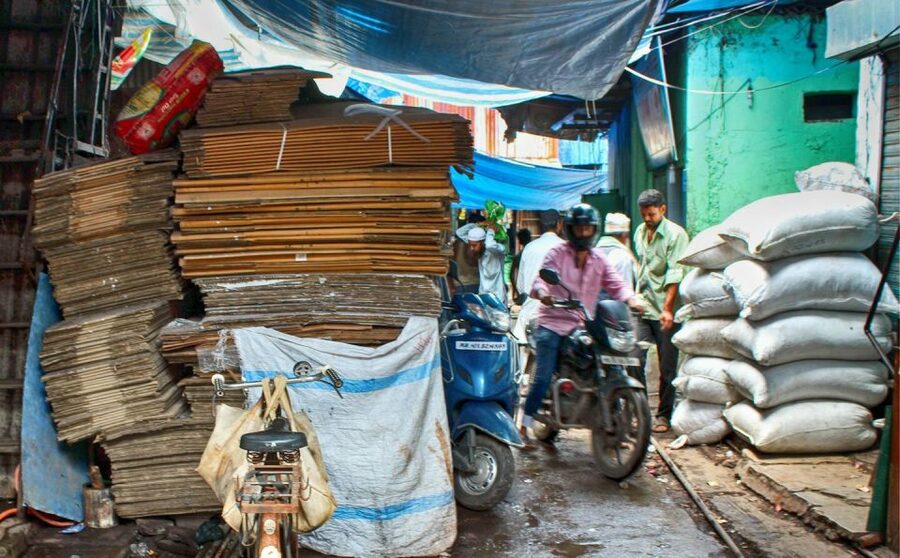
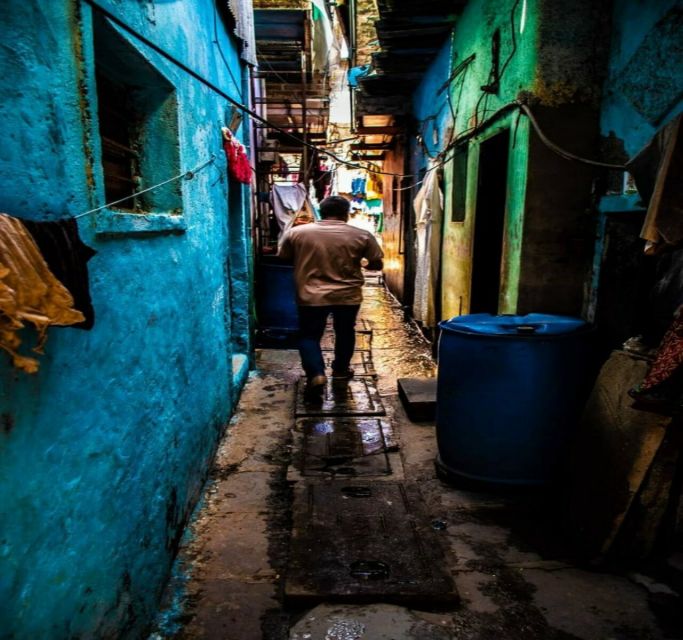
This tour is designed as an easy-paced walking experience, but “easy” here means the group is small and you can move through tight spaces without getting lost. It does not mean the environment is relaxed.
Plan for:
- Narrow alleyways and uneven street surfaces
- Close proximity to daily work and daily life
- The reality that you’re in a working area, not a controlled tourist corridor
The group stays small, which matters because it helps your guide manage the flow. When you’re in a larger crowd, you tend to stop paying attention to people and start paying attention to your own filming. With a smaller group, you can actually listen.
Rain or shine is part of the plan. If it’s raining, you’ll still be walking. That’s why the basics matter: comfortable shoes and long pants aren’t optional style choices here, they’re comfort insurance.
Getting the tour right: transport, safety, and stress-free timing
A big deal for most people is how they get to and from Dharavi. The tour offers options that include hotel pickup and drop-off. If you hate last-minute transport stress, this is the version to choose.
Even when you do get out into local transit, the guide’s role is practical. Many guides are praised for helping people navigate onward travel, including getting the right train back downtown or helping you coordinate a ride after the walk. That kind of support is not flashy, but it’s huge when you’re tired or unfamiliar with the area.
The tour also ends in a way that helps your next step. You finish at a pottery factory, and your guide can help you get a taxi. That final handoff is one more reason the experience stays smooth instead of feeling like you got dumped in the middle of nowhere.
The pottery factory finish (and why it’s a smart ending)
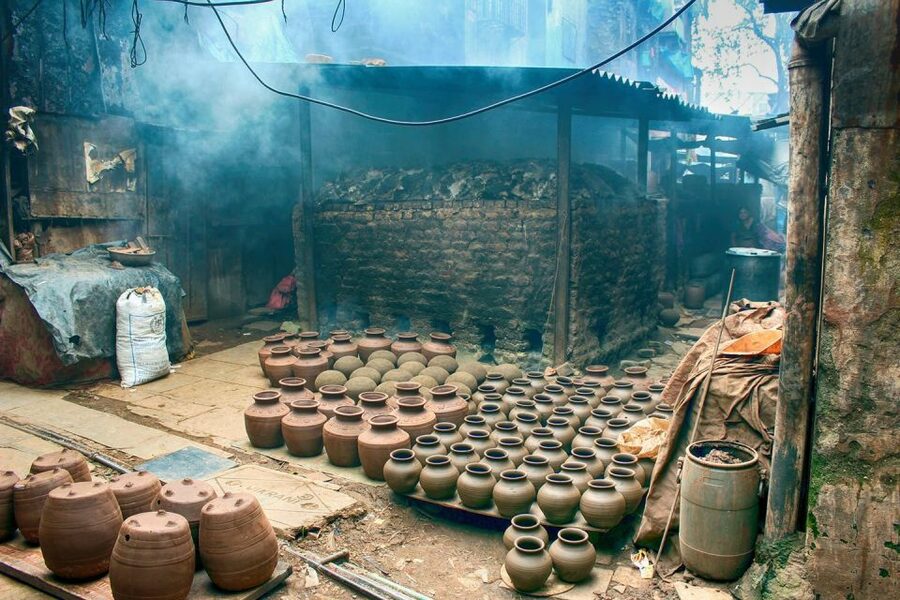
Ending at a pottery factory is a clever move. It gives your walk a concrete finish, because you can contrast what you saw earlier with the craft that’s still physical, still visible, and still linked to the daily rhythm of the area.
You’ll have time to ask questions at the stop. If you want to continue from there, your guide can help you arrange transport. This is also where the tour feels less like “touring a slum” and more like “watching how everyday production stays alive.”
The pottery stop matters emotionally too. Recycling work can feel abstract if it’s described only in words. A pottery workshop brings you back to something tangible, shaping clay into an object with clear steps you can recognize.
Optional vegetarian meal in a local home
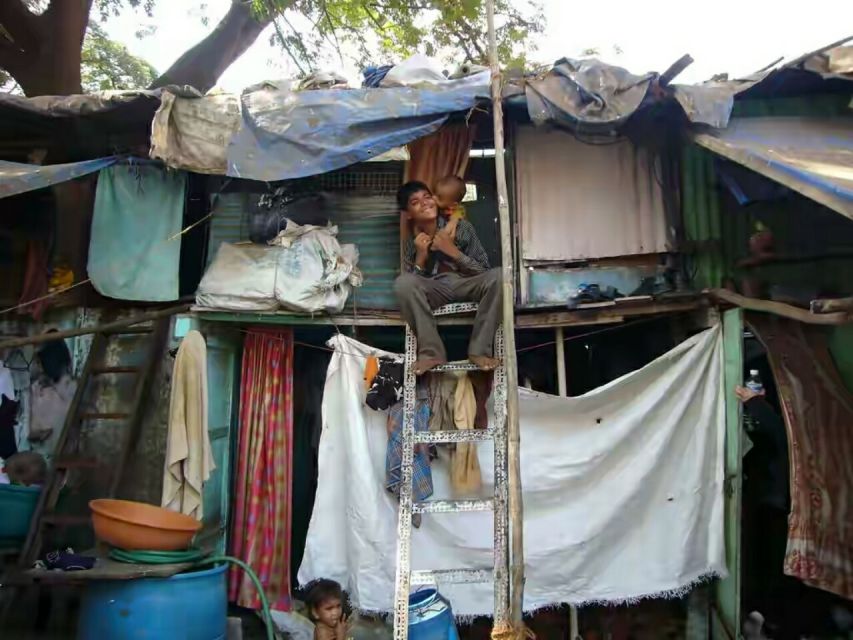
If you want to slow down and go beyond the walking portion, there’s an add-on option for a vegetarian meal with a local family. This is not presented as a buffet-style attraction. It’s described as a way to stay longer in the slum and experience hospitality from inside the neighborhood.
A meal can change the tone of the day. When you share time at a family table, you move from observation to connection. You’re still respectful of privacy, but the experience becomes less transactional.
It’s worth considering if you’re emotionally prepared for what you’ll see. Some people love the extended conversation. Others prefer the shorter walk and the clean exit afterward. Either choice is valid.
Photography rules and the etiquette that keeps this respectful
This is one of those tours where rules protect both you and the community. Photography and videography are not permitted at most places. Ask your guide before taking any photos.
That rule isn’t just bureaucracy. In a space where people work and live, cameras can make things feel intrusive fast. Following the guidance is how you show that you’re there to learn, not to extract.
Also, bring a practical attitude. Don’t carry your phone out every 30 seconds. Instead, listen first. If your guide points something out, that’s the moment to look carefully.
What to pack: the simple gear that makes the day easier

You don’t need special clothing, but you do need the right basics for weather and walking.
Bring:
- Comfortable shoes
- Sunglasses
- Sun hat
- Long pants
Also, expect rain or shine, so dress for Mumbai weather and get ready to move. Bottled water is included, but plan your water use and pace yourself.
Price and value: is $10 a good deal, and what it really buys?
At about $10 per person, this tour is priced to be accessible. That price is meaningful in two ways.
First, you’re not paying for transportation convenience alone. You’re paying for an English-speaking local guide who helps you understand what you see, where you’re allowed to go, and how to ask questions without turning the experience into a spectacle.
Second, the included bottled water and small-group format help you feel looked after during the walk. If you choose the option with hotel transfers, you add back even more value because you reduce the “how do I get there and get out” stress.
The main trade-off is time flexibility and physical comfort. You’ll be walking. If you want the most comfortable version, pick the transfer option and come prepared with sturdy shoes and weather-ready clothing.
Who should book this Dharavi tour, and who should think twice
This experience fits best if you want a real look at how a megacity economy can exist in close quarters. It’s especially good for travelers who:
- Like practical, on-the-ground explanations
- Want to understand local production, not just landmarks
- Prefer a small group and a guide who keeps things moving
It may not be a fit if you’re dealing with significant mobility limits, heart issues, or if you’re pregnant. The tour specifically notes it is not suitable for mobility impairments, pregnancy, or heart problems.
It’s also not for you if you need a purely comfortable, low-intensity sightseeing day. Dharavi can be emotionally heavy, and conditions can be difficult to witness. The point is context and community, but the reality is still real.
If you go, go with respect. Dress for the walk. Ask questions. Follow the guide’s photo rules. Treat people like neighbors, not exhibits.
Should you book this Dharavi Slum tour with a local?
Yes, if your goal is understanding. This is one of the best-priced ways to see Dharavi as a working neighborhood, with small industries and community life unfolding in the same space. The local guide component makes a big difference, especially for safety, interpretation, and how you move through the area.
Book it with hotel pickup and drop-off if you want a calmer start and end. Choose the optional home meal only if you think you’ll enjoy staying longer and connecting in a more personal way.
Don’t book if you need a low-walking, minimal-stress experience, or if health or mobility concerns make the route unsafe for you. If you can handle the walking and the emotional weight, this tour has a strong chance of turning Dharavi from a label into a place you actually understand.
FAQ
How long is the Dharavi slum tour?
The duration is listed as 1.5 to 3 hours, depending on the option and schedule.
Is a hotel pickup and drop-off included?
Hotel pickup and drop-off are included only if you select the option that offers transfers.
What language is the guide?
The tour includes an English-speaking local guide.
Are meals included?
Bottled water is included. Meals are not included unless you add the vegetarian meal with a local family.
Is photography allowed during the tour?
Photography and videography are not permitted at most places on the tour. Check with your guide before taking any pictures or videos.
What should I bring?
Bring comfortable shoes, sunglasses, a sun hat, and long pants. The tour runs in rain or shine.
Who is the tour not suitable for?
It is not suitable for pregnant women, people with mobility impairments, or people with heart problems.
More Dharavi Walks with Local Guides





Mumbai, Keep Exploring



Recently reviewed across Mumbai
- Mumbai City Sightseeing Guided Tour on a Bicycle
★ 5.0 · 10 reviews - Mumbai Street Food & Beach Tour with 10+ Tastings
★ 5.0 · 10 reviews - Mumbai Market Tour & Maharashtrian Cooking Class with Chef Reshma
★ 4.5 · 10 reviews - Sailing Experience in Mumbai on Mid Size Yacht
★ 5.0 · 10 reviews - 3 Days Complete Mumbai Tour Inclusive of Bollywood Studio Experience
★ 5.0 · 10 reviews - Dharavi Slum Tour
★ 5.0 · 10 reviews
Mumbai City Tours, compared.
 ★ 4.9Full-Day Sightseeing Tour of MumbaiFrom $241,822 reviews
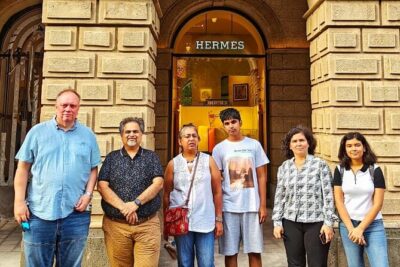 ★ 5.0Group Guided Walking Tour in Fort and ColabaFrom $161,073 reviews
 ★ 4.8Elephanta Caves Half-Day Guided Tour with ExpertFrom $301,032 reviews
 ★ 5.0Highlights of Mumbai Sightseeing Tour: TRAVELLERS CHOICE AWARDEDFrom $33915 reviews
 ★ 5.0Private Guided Walking Tour in Fort & ColabaFrom $36895 reviews
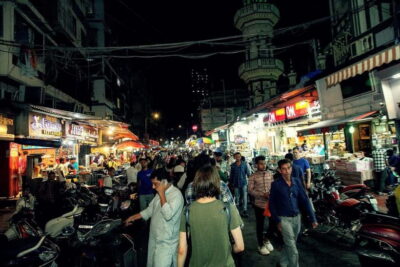 ★ 4.9Street Food and Night Markets TourFrom $13719 reviews
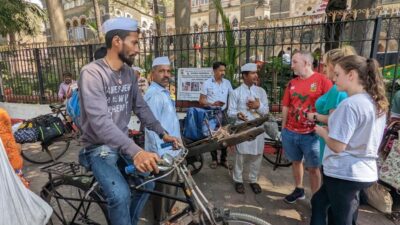 ★ 4.9Dharavi Slum, DhobiGhat, and Dabbawallas TourFrom $14689 reviews
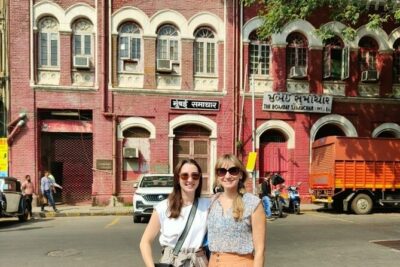 ★ 5.0Highlights of South Mumbai Guided Private Tour in AC VehicleFrom $74620 reviews
Browse the lists this tour appears in