
REVIEW · MUMBAI CITY TOURS
South Bombay Live Walking Tour
Tea first, stories on foot.
That’s what I love about this South Bombay walk, it blends big-name monuments with real street life, so you get both the headlines and the day-to-day city feel. I particularly like the included masala chai with mineral water, and I like how the guide connects places like Gateway of India, Fort precinct streets, and Chhatrapati Shivaji Maharaj Terminus to themes like colonial rule, independence, and modern Mumbai. One consideration: this is a walking tour, so plan for uneven sidewalks, sun and crowds, and bring good shoes if you have any mobility limits.
The tour is run in English, and the energy is very approachable. I also like that it starts with a masala walk and includes market wandering and side streets, which is where the city starts to make sense fast. If you expect a strict museum-style route with lots of sitting, you may find the pace a bit more active than you want.
In This Review
- Key Highlights You’ll Actually Feel
- Masala Walk Warm-Up and the Chai Moment
- South Bombay Through Architecture, Not Just Postcards
- Fort Precinct Streets, Colonial Clues, and Everyday Context
- Colaba Causeway Lanes: Markets, Vendors, and Local Morning Rhythm
- Gateway of India: The Big-Sight Stop That Changes the Mood
- Chhatrapati Shivaji Maharaj Terminus: Why Trains Matter Here
- Temples, Side Streets, and Courtyards You Might Not Find Alone
- How Guides Shape the Day (Ali and Nisar as Examples)
- Price and Value for a South Bombay Walk at $16
- Tips for Before and After You Walk
- Who Should Book This Walk
- Should You Book South Bombay Live Walking Tour?
- FAQ
- How much does the South Bombay Live Walking Tour cost?
- What’s included in the tour?
- What language is the tour conducted in?
- Can I reserve now and pay later?
- What is the cancellation policy?
- Where does the tour start and end?
Key Highlights You’ll Actually Feel
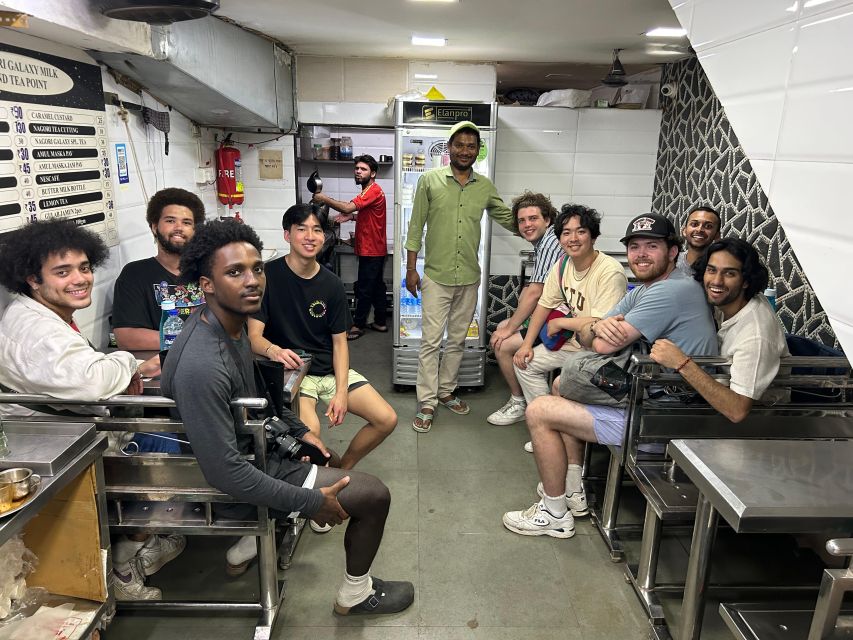
- Masala walk start: You begin the tour with a local morning rhythm, then move into sightseeing.
- Chai plus mineral water included: A practical, welcome break that keeps you energized while you walk.
- South Bombay’s major landmarks on foot: Gateway of India and Chhatrapati Shivaji Maharaj Terminus show up on the route.
- Fort precinct stories: The guide ties streets and architecture to colonial heritage and the independence struggle.
- Colaba Causeway lanes and markets: You see everyday commerce, talk with vendors, and get a taste of local routines.
- Hidden-feeling stops: Temples, secret courtyards, and tucked-away places add variety beyond the main monuments.
Mumbai, a few more routes through it
Masala Walk Warm-Up and the Chai Moment
The tour kicks off with a masala walk, and it’s a smart choice. Instead of starting with a monument selfie, you start with the kind of sensory routine that makes Mumbai feel like Mumbai. Expect early smells from the market area, people moving with purpose, and a guide who frames what you’re seeing in plain language.
Then comes the included stop: good quality masala chai with mineral water. This matters more than it sounds. South Mumbai walking routes can stack up quickly in heat and crowds, and having a planned pause keeps the tour from feeling like a long slog. It’s also a chance to ask questions without feeling awkward, since you’re already in a small, local moment.
What I find especially useful is that chai here is not treated like an add-on. It’s a break that connects you to the local setting, so when the guide later talks about colonial-era buildings and how the city evolved, you already have a mental baseline for daily life.
South Bombay Through Architecture, Not Just Postcards
South Mumbai gets described a lot, but this walk helps you read it. You’ll pass architectural anchors that many people rush past, including Gateway of India and Chhatrapati Shivaji Maharaj Terminus. The difference is that you’re not just looking at structures, you’re hearing why they matter and how they fit into the city’s story.
The guide frames the skyline with themes that connect across time: colonial heritage, the struggle for independence, and what Mumbai looks like today. That theme-based storytelling is where the walking format pays off. When you move from area to area on foot, the contrasts come faster, and the explanations stick.
For architecture lovers, this is a good balance. You get big names, but you also get street-level context, like how the buildings sit within living neighborhoods and commerce. For history buffs, it helps because the tour doesn’t turn into a timeline dump. The guide uses the surroundings as your lesson plan.
One practical note: expect to be outside and moving. If you’re sensitive to heat or sun, plan your timing carefully and carry a hat or sun protection.
Fort Precinct Streets, Colonial Clues, and Everyday Context
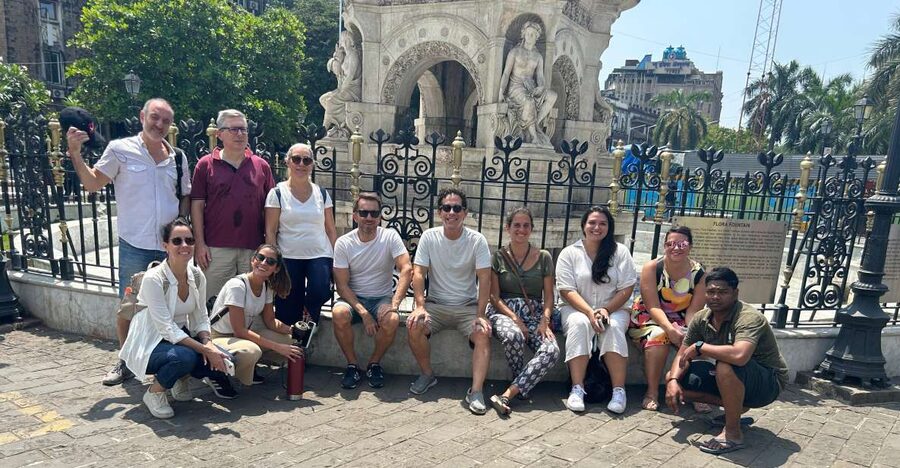
A big part of the value is that the route includes the historic precinct of Fort. This isn’t just a label. The feeling of the Fort area is about structure and scale, and the guide helps you connect that physical presence to the bigger historical picture.
You’ll also get the idea that history is not only in museums. It’s in street patterns, building edges, and how people use the space today. The guide’s talk typically links the Fort-era atmosphere to colonial influences and then jumps forward to how the city transformed around independence and into modern life.
This is where a good guide really matters. In this tour, you’ll often hear stories in a way that makes the architecture feel less intimidating. For example, one guide named Ali gave a very grounded perspective on Mumbai sights and wider society, and that kind of explanation helps you understand the “why” behind what you’re seeing, not just the “what.”
If you like photos, you’ll still get plenty. But I’d treat the photos as the reward, not the mission.
- Elephanta Caves & Island Guided Private Tour★ 5.0 · 1,327 reviews
- Private Guided Walking Tour in Fort & Colaba★ 5.0 · 895 reviews
- Mumbai: Street Food and Night Markets Tour★ 4.9 · 719 reviews
- Mumbai: Dharavi Slum, DhobiGhat, and Dabbawallas Tour★ 4.9 · 689 reviews
- Dharavi Slum Tour★ 5.0 · 625 reviews
Colaba Causeway Lanes: Markets, Vendors, and Local Morning Rhythm
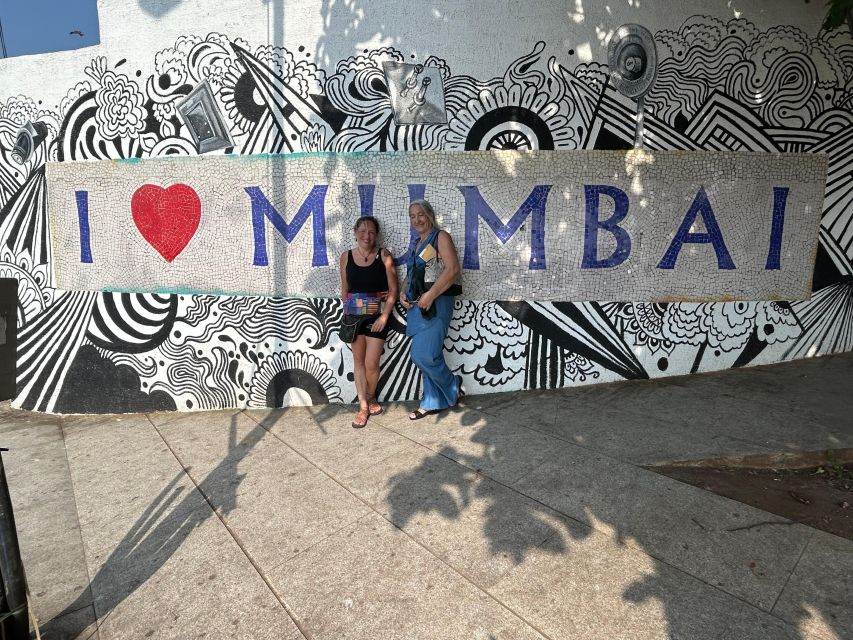
Colaba Causeway shows up as a key part of the experience, and the route focuses on more than sightseeing. You’ll explore lanes where commerce is part of the daily flow, and the guide keeps you oriented so you don’t get lost in the chaos.
This is also where the tour leans into food and shopping culture. If you’re the type who likes to snack as you wander, you’ll probably enjoy the market energy. One participant highlighted walking through markets and getting fresh bread from a small “hole in the wall” bakery. That’s the kind of detail that turns the walk into an actual memory, not just a list of monuments.
There’s another benefit: talking to vendors and watching how people buy and sell can teach you more about a place than any brochure. The guide helps you interpret what’s in front of you, so you can engage without feeling clueless.
What to consider: market areas can be busy, and you may want to be mindful with your belongings. Keep your phone and wallet secure, and don’t let yourself get so focused on filming that you miss where the group is moving next.
Gateway of India: The Big-Sight Stop That Changes the Mood
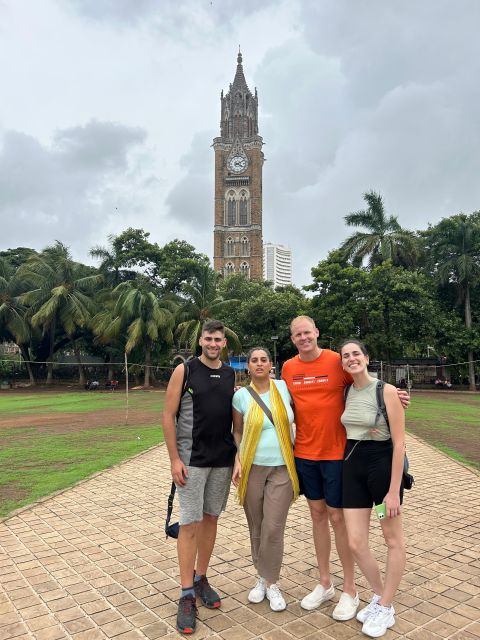
Gateway of India is one of those places that can feel either obvious or meaningful, depending on how you approach it. On this walk, you get the meaningful version because the guide positions it inside the city’s broader story instead of treating it as just a landmark.
As you arrive, you’ll feel the change in pace. The atmosphere around a famous monument is different from a market lane or a Fort-area street. That contrast is useful. You get a moment of scale and a sense of place, then the tour keeps moving so you don’t get stuck in one zone too long.
Also, this stop supports the tour’s theme of time layers. You’ll connect earlier colonial-era ideas with what’s around you now. It helps that the tour is on foot, because you can see the transition instead of jumping between locations by car.
If you’re short on time in Mumbai, this is one of the stops that makes the walk feel worth it, because it gives you a recognizable anchor to remember the rest.
Chhatrapati Shivaji Maharaj Terminus: Why Trains Matter Here
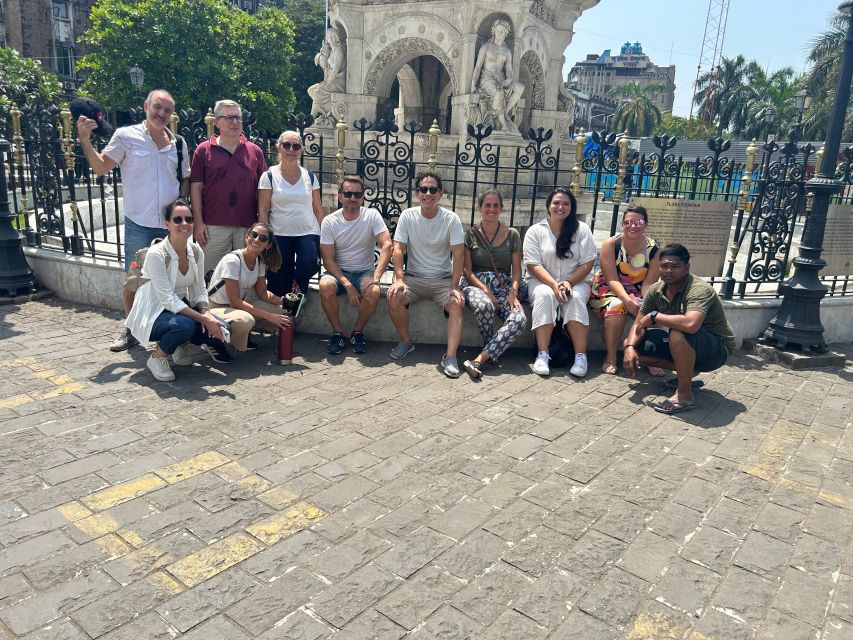
Another centerpiece is Chhatrapati Shivaji Maharaj Terminus. It’s a location that many people know as a name, but on this walk it becomes more understandable. The guide’s storytelling approach helps you notice details you might otherwise overlook, including how the site fits into the city’s development.
What I like about making a terminus a walking stop is that it connects architecture with movement. Trains are a symbol of how cities work, how people commute, and how commerce and daily life keep flowing. The guide ties that into the bigger Mumbai narrative, so it’s not just a decorative stop.
This stop also gives you a strong “contrast moment.” You’ll have seen market life, Fort precinct streets, and other scenes, then you’ll reach a major station landmark. The day becomes a set of visual lessons instead of one long sightseeing blur.
If you hate walking, this is one place where you’ll still feel you got your money’s worth, because it’s a famous site delivered in a contextual way.
Temples, Side Streets, and Courtyards You Might Not Find Alone
One of the best parts of the experience is the emphasis on hidden-feeling detours. The walk includes tucked-away temples and secret courtyards, plus side streets that locals know. That’s the practical value of having a guide, because these spots can be easy to miss if you’re moving on your own.
These detours do more than add variety. They help you see how South Mumbai works at street level. Courtyards and smaller temples often show up as quiet pauses inside busier areas, and your guide can explain why they matter.
In the reviews, people praised the off-the-regular-route feel. Even when the walk includes major monuments, it doesn’t feel like a checklist only. The side streets give you texture.
My advice: keep some time in your head for curiosity. If you’re the type who always wants the next photo, you might skip the slow moments that make these detours worthwhile.
How Guides Shape the Day (Ali and Nisar as Examples)
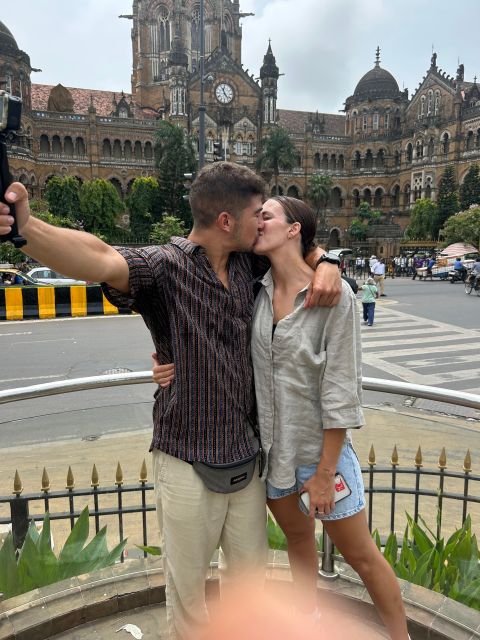
A walking tour lives or dies by the guide’s ability to translate a city into something you can understand in real time. Here, guide storytelling is a repeated strength.
For instance, Ali was singled out for providing a refreshing, authentic perspective on both the sights and wider society. People also mentioned how he could be flexible with how long you stayed somewhere, and how he gave good tips after the tour. One person even noted Ali accommodated suitcase storage, which is useful if you’re doing this between accommodations.
Another guide, Nisar, was described as cheerful and most informative about the sites. The important part is that both guides were praised for making the walk feel professional and cozy, while still packing in lots of sights.
So what should you expect from the style? You’ll hear stories that connect architecture to history and history to daily life. If you ask questions, you’ll likely get answers that feel relevant, not rehearsed.
One consideration: if you prefer super-structured commentary with fixed timing, a flexible guide may change the pace. That can be great for enjoying the day, but it’s worth knowing.
Price and Value for a South Bombay Walk at $16
At $16 per person, this tour is priced like something designed to be accessible, not premium-priced like a private day. And it’s not just cheap. You’re getting real guide time, you’re walking through multiple key areas, and you’re also getting an included break with masala chai and mineral water.
The value comes from three things:
- You cover major landmarks on foot like Gateway of India and Chhatrapati Shivaji Maharaj Terminus.
- You get local context through markets, Colaba Causeway lanes, and side streets.
- You get small comforts planned in, especially the tea stop, which helps on a morning walk.
Could you do it cheaper on your own? Maybe. But the trade-off is time and clarity. Without a guide, you might see landmarks and miss the connections between them. With the guide, you walk into explanations as you go.
For many visitors, $16 feels fair because the tour includes enough variety to justify the ticket, and the tea stop is a practical win rather than a random snack.
Tips for Before and After You Walk
This is the kind of tour where a little preparation makes it smoother. Wear comfortable shoes and keep a light layer for changing weather. South Mumbai can switch between sun and shade fast, depending on where you are and how the day moves.
After the tour, use the guidance you receive. Several people mentioned that the guide shared good tips for what to do next. That’s one of the quiet benefits of a good city walk. The guide’s perspective helps you plan the rest of your day so you don’t waste hours guessing.
If you’re carrying luggage, ask. One participant noted that Ali accommodated suitcase storage. That may not be guaranteed for every situation, but it signals that the guide can sometimes help. If you need this, it’s worth asking directly in advance.
Also, if you’re doing other sightseeing afterward, this tour ends with you in a convenient, central area to continue.
Who Should Book This Walk
I think this tour fits best if you want:
- A short time window in Mumbai and still want multiple areas of South Bombay connected by story.
- Architecture plus street life, so you don’t only see monuments.
- A guide-driven perspective that explains how colonial heritage and independence shaped the city you see now.
- A morning walk vibe, since the tour highlights local morning energy and begins with the masala walk.
You might skip it if you dislike walking in crowded streets, or if you want a purely seated, museum-style schedule.
Should You Book South Bombay Live Walking Tour?
If you’re looking for a walkable introduction to South Mumbai that mixes major landmarks with markets, side streets, and tea, this is an easy yes. The strongest part is the way the guide stitches history to daily life, and the inclusion of masala chai with mineral water makes it feel thoughtful, not just performative.
Book it if you want context, flexibility, and a route that helps you understand what you’re seeing without turning into a lecture. Pass or switch plans if you’re not comfortable with active walking or if you need a very quiet, low-stimulation experience.
FAQ
How much does the South Bombay Live Walking Tour cost?
The price is $16 per person.
What’s included in the tour?
The tour includes good quality masala chai with mineral water.
What language is the tour conducted in?
The tour is available in English.
Can I reserve now and pay later?
Yes, it offers Reserve & Pay Later, meaning you can book your spot and pay nothing today.
What is the cancellation policy?
You can cancel up to 24 hours in advance for a full refund.
Where does the tour start and end?
The tour begins at key landmarks in South Mumbai, and the guides ensure you’re in a central location at the end so it’s convenient to continue exploring or return to your accommodation.
Mumbai, Keep Exploring





Recently reviewed across Mumbai
- Mumbai City Sightseeing Guided Tour on a Bicycle
★ 5.0 · 10 reviews - Mumbai Street Food & Beach Tour with 10+ Tastings
★ 5.0 · 10 reviews - Mumbai Market Tour & Maharashtrian Cooking Class with Chef Reshma
★ 4.5 · 10 reviews - Sailing Experience in Mumbai on Mid Size Yacht
★ 5.0 · 10 reviews - 3 Days Complete Mumbai Tour Inclusive of Bollywood Studio Experience
★ 5.0 · 10 reviews - Dharavi Slum Tour
★ 5.0 · 10 reviews
Mumbai City Tours, compared.
 ★ 4.9Full-Day Sightseeing Tour of MumbaiFrom $241,822 reviews
 ★ 5.0Group Guided Walking Tour in Fort and ColabaFrom $161,073 reviews
 ★ 4.8Elephanta Caves Half-Day Guided Tour with ExpertFrom $301,032 reviews
 ★ 5.0Highlights of Mumbai Sightseeing Tour: TRAVELLERS CHOICE AWARDEDFrom $33915 reviews
 ★ 5.0Private Guided Walking Tour in Fort & ColabaFrom $36895 reviews
 ★ 4.9Street Food and Night Markets TourFrom $13719 reviews
 ★ 4.9Dharavi Slum, DhobiGhat, and Dabbawallas TourFrom $14689 reviews
 ★ 5.0Highlights of South Mumbai Guided Private Tour in AC VehicleFrom $74620 reviews
Browse the lists this tour appears in