
REVIEW · HISTORICAL TOURS
The Hipster Chandigarh Architecture History Tour
Concrete and city logic.
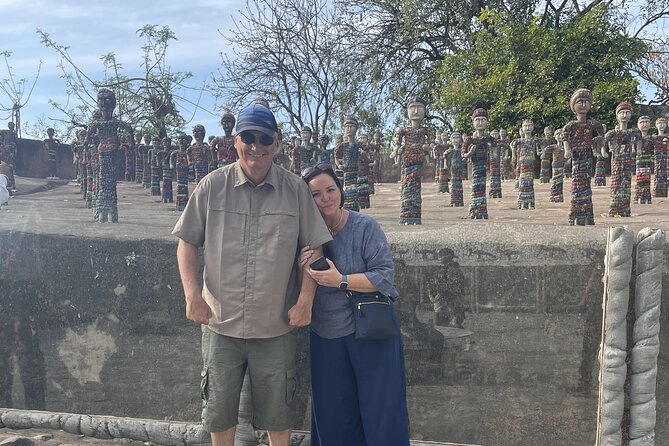
This 2-day Chandigarh Architecture History Tour turns famous buildings into real understanding, with insider access to the UNESCO Capitol Complex and the symbols that shaped the city. You’ll move through brutalist concrete, university structures, museum spaces, and public planning, all explained in plain talk with lots of humor.
What I like most is that the guide, Rusty, doesn’t treat Chandigarh like a museum piece. He connects the buildings to the way people live and study, and you get time to slow down while architects in the group do their camera work. A second thing I really value: your entry tickets are handled, including photography ticket fees, so you spend more energy looking and less energy sorting.
One possible drawback to consider: it’s a full two days with walking plus outdoor sun and wind, and the experience requires good weather. If weather or closures hit certain sites, the plan can change, but you should still be ready for a day that feels more like a proper city circuit than a relaxed stroll.
In This Review
- Key highlights worth your time
- Price and logistics: how your money gets used
- Meet Rusty and the Chandigarh tone you’ll feel all day
- Day 1: Capitol Complex, Open Hand, and the sun-logic of Le Corbusier
- Potential downside on Day 1
- Day 1 museums and universities: Le Corbusier Centre to Maison Jeanneret
- Day 2: Sukhna Lake and Sector 17 for everyday Chandigarh
- Quick note on timing
- Day 2 quiet power points: War Memorial, Government Museum, and Lake Club
- Group size, pacing, and what to bring for maximum comfort
- Is this tour worth it for your style of travel?
- Should you book the Hipster Chandigarh Architecture History Tour?
- FAQ
- How long is the Hipster Chandigarh Architecture History Tour?
- What is the price per person?
- Does the tour include pickup and transportation?
- Are entrance fees included?
- What is not included in the tour price?
- How many people are in the group?
- What is the cancellation window for a refund?
Key highlights worth your time
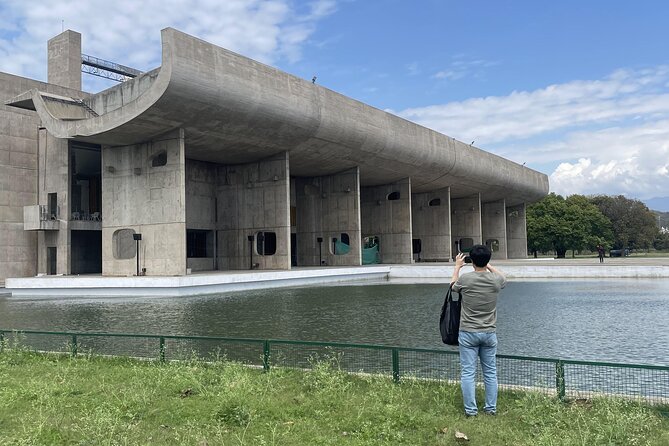
- UNESCO Capitol Complex access to the Secretariat, Assembly Hall, and the Open Hand Monument
- Le Corbusier, Pierre Jeanneret, and the planning story told through buildings you can actually see and compare
- Museum stops with rare access points, including the old architects building now a memorial center
- Geometric Hill and Tower of Shadows for hands-on solar and form thinking
- Real Chandigarh daily life at Sector 17 Market, not only monuments
- Small-group feel under 41 people, with pickup and an air-conditioned vehicle
Shortlisting? Every Chandigarh trip below went through the same review.


Price and logistics: how your money gets used
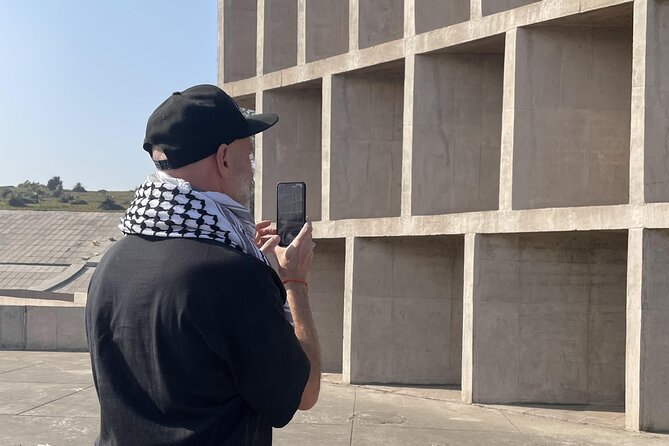
At $71.02 per person for about two days, this is one of the more “included” ways to see Chandigarh’s architecture. You’re not just paying for a driver and a script. The tour includes pickup and drop charges, parking fees, and an air-conditioned vehicle, plus admission fees at the sites, and even photography ticket fees.
That matters because modernist buildings often come with strict rules on where you can stand, what you can photograph, and how you enter. When those details are handled, you get fewer time-wasters. You also keep your budget cleaner, since snacks are the main thing you’ll likely pay for on the go.
The vehicle support is a smart choice here. Chandigarh’s sectors spread out, and you want your energy for the walking and the site time. If you’ve ever tried to piece together multiple architecture stops by yourself, you’ll know how quickly it turns into a logistics game. This tour keeps it focused.
Meet Rusty and the Chandigarh tone you’ll feel all day
Rusty’s edge is not just enthusiasm. It’s deep local connection. He’s a journalist and a third-generation Chandigarh citizen, and he’s lived inside the city’s planning story, including years spent in Corbus’s public social housing. He studied in Pierre-designed schools and worked around Maxwell Fry’s designed offices. That background gives his explanations a lived-in tone, not a classroom tone.
He also knows how to manage the group pace. The tour includes multiple stops where photographers will want their time, and you’ll still want breathing room to ask questions. From the way he’s described by past guests, he also keeps the humor politically neutral for mixed groups, including foreign dignitaries.
So what should you expect from the “hipster” feel? It’s not about trendy clothes. It’s about seeing Chandigarh with fresh eyes. You’ll notice the design choices behind everyday routines: shaded walkways, institutional geometry, public symbols, and the quiet corners where people gather.
Day 1: Capitol Complex, Open Hand, and the sun-logic of Le Corbusier
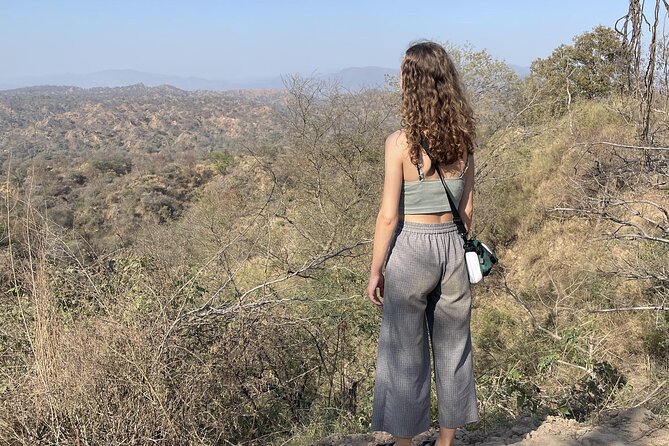
Day 1 is the heavy hitter. You start at the Capitol Complex, a UNESCO World Heritage site, and you go in with guided insider access. This isn’t just a look from the outside. You’ll visit key elements tied to how Chandigarh functions: the Secretariat, the Assembly Hall, and the Open Hand Monument.
Here’s why that matters for your understanding. Chandigarh isn’t only about bold shapes. It’s about the relationship between civic power and human-scale symbolism. The Open Hand Monument is described as a symbol of peace and unity, and standing close to it gives you a better sense of how form can carry meaning.
From there, you continue into the design thinking. You visit the Geometric Hill, which is part of the Capitol Complex grounds. It uses grid-like earth mounds and concrete forms, so you can physically compare the idea of order to what you’re seeing on the ground. It’s one of the spots where the architecture feels less like a single building and more like a planned environment.
Then comes The Tower of Shadows. This open-air concrete structure was designed by Le Corbusier as a demo building for studying solar movement. That’s a big clue about what you should look for. Instead of thinking only about aesthetics, pay attention to how light and shadow behave across the structure. If you’ve ever wondered why these buildings feel so intentional, this is where the city shows its math.
- 5 Day Golden Tingle Luxury Private Tour with Guide★ 5.0 · 10 reviews
Potential downside on Day 1
It can feel “more concrete than green,” especially if you’re expecting parks and gardens. The upside is clarity. You’ll come away knowing why Chandigarh looks the way it does and how the city plans work in the real world.
Day 1 museums and universities: Le Corbusier Centre to Maison Jeanneret
After the Capitol Complex focus, Day 1 shifts to the human side of the architecture story.
You’ll visit the Le Corbusier Centre, described as the old architects building now used as a museum or memorial center dedicated to Le Corbusier. The tour includes visual demonstrations of an early attempt at green, sustainable, and naturally cooled building design. Even if you don’t know the terminology, you can learn what people were trying to solve, like comfort without wasting energy.
Next is Gandhi Bhawan at Panjab University, guided and private. The big visual point here is the spinning lotus-shaped roof, designed by Pierre Jeanneret. That roof is a useful contrast against the rigid geometry you saw earlier. It reminds you that Chandigarh’s design language can be both strict and expressive.
Then you go to the Chandigarh Architecture Museum. This is framed as an homage to Le Corbusier’s 1965 Zurich Pavilion, using raw concrete form and a tubular stairway. You’ll explore multiple levels of rare exhibits and installations. If you’re the kind of person who likes to leave with a few mental “models,” museums like this help you connect the buildings you saw to bigger themes, not just pretty shapes.
You also pass through Panjab University with an insider tour. Universities are where you see how plans support daily life: studying, commuting, gathering. It’s where architecture becomes schedule and routine.
Finally, you visit Museum Maison Jeanneret, described as the first house constructed in Chandigarh and now a museum. Pierre Jeanneret lived there for 11 years, and the home highlights his design innovations. This stop is worth planning for mentally. After museums and major monuments, you get the scale of a home, which makes the story feel less untouchable.
Day 2: Sukhna Lake and Sector 17 for everyday Chandigarh
Day 2 gives you a different flavor. It starts at Sukhna Lake, described as a manmade lake designed by Corbusier to refresh groundwater and help cool the northern sectors of the city. You’ll do a gentle walk, and the guide shares the story of how the lake was created and how it evolved over time.
Why this stop is valuable: the lake is part of planning and environmental thinking, not just a scenic break. Even if you don’t study urban ecology, you’ll notice how the city uses water and open space to change how it feels.
Then you go to Sector 17 Market, with a walk and talk focused on commercial designs that are often overlooked. This is where you see Chandigarh as a living city, with commerce, culture, and everyday community. Expect tree-lined shaded walkways and time for people watching. If Day 1 felt like formal power and monuments, this is the day you see the city handle ordinary needs.
Quick note on timing
This is one of those areas where the tour quality shows in the pace. Markets can turn into rushed “see it, move on” stops. You have a longer stretch here, so you can slow down and actually look at how design supports daily walking and shade.
Day 2 quiet power points: War Memorial, Government Museum, and Lake Club
After the market, you visit the Chandigarh War Memorial, described as a solemn tribute park tucked within the Bougainvillea Garden of Sector 3. The point is architecture meeting resonance. Even though it’s a memorial, the guided approach helps you see how planning choices shape the emotional tone of a place.
Next is Chandigarh, a rare private style access through a walking guided tour of Pierre Jeanneret’s public socialist housing, still functional in its original stance, subject to local variables. This is special because public housing is where architecture meets real daily routines, not just display cases. When you see these spaces functioning, you get a stronger sense of why the city’s planning mattered to ordinary life.
Then you go to the Government Museum and Art Gallery, designed in the 1960s by Le Corbusier. It houses pre-partition era artifacts from Pakistan, including one of the world’s largest collections of Greco-Buddhist art. If you’re balancing architecture with cultural context, this museum helps you connect Chandigarh’s modernist ambitions to the broader region’s artistic history.
Finally, you visit Lake Club, described as a rarely known private yacht club for recreational boating and socializing, designed by Le Corbusier a year before his death. This stop can feel unexpected, which is a good thing. It gives you a different angle on the same mind at work, showing how the same design thinker applied modernist ideas to leisure and private space.
Group size, pacing, and what to bring for maximum comfort
The group max is 41 travelers, and that’s a sweet spot. It’s large enough that you’ll meet people from different places, but small enough that the guide can still keep things moving and explain details at each site.
Pickup and drop are included, and the air-conditioned vehicle handles the in-between travel. That’s important because Chandigarh’s sectors are spread out, and the walking time is the real focus of the experience.
What should you bring?
- Comfortable shoes for uneven outdoor concrete and steps
- Water and sunscreen, since you’ll spend time outdoors
- A camera or phone that can handle indoor museum lighting
- A light layer for wind near open concrete structures
If weather turns, the experience requires good weather, so you should plan to be flexible. Still, the guide has shown he can make a full day work even when key sites close, such as during a public holiday situation.
Is this tour worth it for your style of travel?
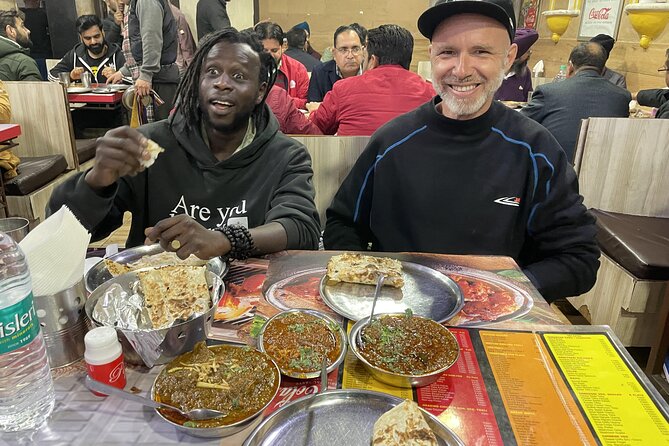
You’ll probably love this tour if:
- You want Le Corbusier and Pierre Jeanneret explained in plain language
- You like architecture that connects to planning, daily life, and symbolism
- You want included tickets and photography-fee coverage, so your day stays smooth
- You’re happy with a structured two-day circuit rather than an open-ended wander
You might not love it as much if:
- You mostly want beaches or shopping, because this is architecture and city-planning first
- You dislike museum time, since you’ll spend real time inside multiple exhibits
- You’re not comfortable with outdoor walking and wind around open-air structures
This is also a strong choice for first-time visitors to Chandigarh. The way the tour moves from civic landmarks to universities to housing to markets helps you build a mental map fast. You’ll finish with a better feel for how the city functions, not just what it looks like.
Should you book the Hipster Chandigarh Architecture History Tour?
Yes, if your goal is to understand Chandigarh through the buildings that shape it. The value is in the included admissions (including photography fees), the insider access at major sites, and the fact that the tour is guided by someone who lives in the city’s story, not just studies it.
If you show up ready to walk, look up at concrete and symbols, and ask questions, this two-day architecture experience will give you a clear, memorable way to see Chandigarh. And you’ll likely keep thinking about that solar-shadow idea at the Tower of Shadows long after you leave.
FAQ
How long is the Hipster Chandigarh Architecture History Tour?
It runs for 2 days, approximately.
What is the price per person?
The price is $71.02 per person.
Does the tour include pickup and transportation?
Yes. Pickup and drop charges are included, and an air-conditioned vehicle is provided with taxi, driving, parking, and waiting charges included.
Are entrance fees included?
Yes. Admission fees everywhere are included, and photography tickets and fees are included too.
What is not included in the tour price?
Frequent snack stops are not included, and gratuities are optional.
How many people are in the group?
The tour has a maximum of 41 travelers.
What is the cancellation window for a refund?
You can cancel up to 6 days in advance for a full refund. A 50% refund is available when canceling 2 to 6 days before the start time. Less than 2 days before the experience start time is not refundable.
Recently reviewed across Chandigarh
- 5 Day Golden Tingle Luxury Private Tour with Guide
★ 5.0 · 10 reviews - 2 days Tour – Delhi Local and Sunrise Agra ( Tajmahal Tour )
★ 5.0 · 14 reviews - Golden Triangle 6 Days
★ 5.0 · 22 reviews - Private 7 Days Shimla Manali Hill Stations Tour From Chandigarh
★ 5.0 · 30 reviews - The Hipster Chandigarh Architecture History Tour
★ 5.0 · 54 reviews
Historical Tours, compared.
 ★ 5.0Old Delhi Food, Heritage&Cultural Walk with Rickshaw ride to Masterji Kee HaveliFrom $52742 reviews
 ★ 5.0Blue City Heritage Private Walking Tour With Pickup and Drop-OffFrom $11441 reviews
 ★ 4.0Kolkata Heritage Tram TourFrom $60395 reviews
 ★ 5.0Private Heritage Walking Tour in Jaisalmer Fort and Old BazaarFrom $10306 reviews
 ★ 4.8Panaji: Heritage Walk through Goa’s Latin QuarterFrom $12291 reviews
 ★ 5.0Old Delhi Heritage Walking TourFrom $13247 reviews
 ★ 5.0Jodhpur Blue City Heritage Walking Guided TourFrom $13240 reviews
 ★ 5.03-hour Old Delhi Heritage Walking tour with Rickshaw RideFrom $7240 reviews
Browse the lists this tour appears in