

REVIEW · DHARAVI AND MUMBAI SLUM TOURS
2-Hour Guided Tour of Dharavi
Dharavi is not what movies show. This 2-hour guided tour is built to challenge stereotypes, taking you past places where people work, live, and relax, with a guide there to translate what you are seeing into real context. If you only know Dharavi from Slumdog Millionaire, you will come away with a far more grounded picture.
I especially like the professional guidance that keeps the tour moving with clear explanations, plus the chance to interact with residents and learn how local industry actually runs. I also like the hassle-free round-trip transfers from your hotel and the small-group setup, which helps you stay oriented and ask questions without feeling rushed.
One consideration: this is a walking tour in active, tight lanes, so comfortable shoes and water help. It also depends on good weather, so plan for a backup date if conditions are poor.
In This Review
- Key points you will actually care about
- Why Dharavi feels different once you walk it
- The 2-hour plan: where you start, where you end
- Entering Dharavi with the right expectations
- Stop: Dharavi, seen as work, home, and community
- Where people work
- Where people live
- Where people go to learn
- Where people relax
- The guides: local perspectives that answer the questions
- Interacting with residents, the right way
- What industries you might see: bakeries and pottery
- Getting ready: simple tips that make the walk easier
- Price and value: is $22.32 worth it?
- Who this tour suits best
- Should you book the Dharavi 2-hour guided tour?
- FAQ
- How long is the 2-Hour Guided Tour of Dharavi?
- How much does the tour cost?
- Is there a ticket included for entry?
- Where does the tour start and end?
- What time does the tour operate?
- Does the tour include transfers from my hotel?
- Is the tour private?
- Do I get a mobile ticket?
- What happens if the weather is poor?
- What is the cancellation policy?
Key points you will actually care about
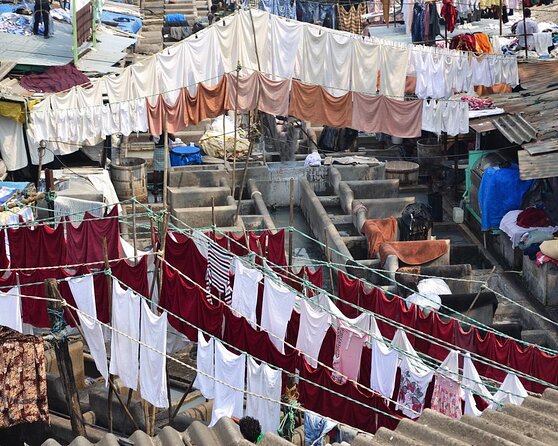
- Small-group attention helps you get answers, not just photos and street views
- Local-guided storytelling keeps the visit practical, including where people work and how trades connect
- Real-life stops include schools plus places for living and daily downtime
- Industry glimpses can include bakeries that serve much of Mumbai, and pottery workshops
- Hotel transfers reduce the stress of getting in and out of Dharavi
Other Dharavi walks, guides named
Why Dharavi feels different once you walk it
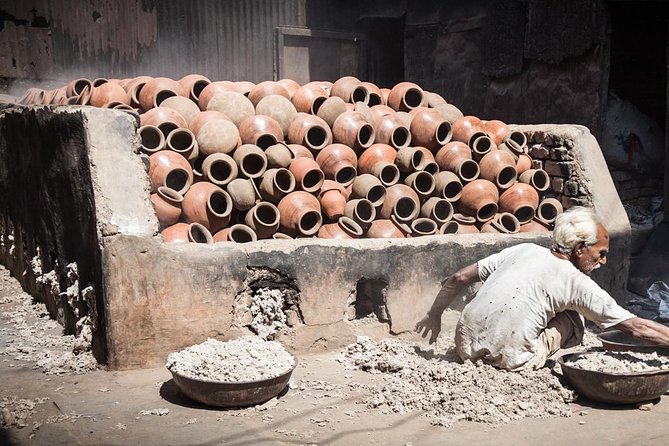
Dharavi has a reputation, mostly shaped by film and headlines. This tour is designed to break that pattern fast. You do not get a story of only desperation and doom. Instead, you get a look at how people build livelihoods, create goods, teach kids, and share communal spaces in a place that functions like a city inside a city.
I love tours that treat a neighborhood as a living system, not a museum exhibit. That is the core of this one. Your guide keeps the focus on what you can observe on the ground: workplaces close to homes, everyday routines, and the kind of social glue that makes communities hold together even when resources are limited.
You also get the benefit of having someone local to help you read the scene. When you understand what a workshop does, or why a lane matters for daily movement, you stop seeing only poverty and start seeing productivity. Even if you already think you know Dharavi, the way you see it after a guided walk can still surprise you.
The 2-hour plan: where you start, where you end
The tour runs for about 2 hours. It is short enough to fit into a busy Mumbai schedule, but long enough to walk through multiple parts of the neighborhood and see how the area is organized.
Your start point is Third Wave Coffee, Tip Road, Unit no. 58, Ground, Ram Mahal, Senapati Bapat Marg, Marinagar Colony, Station, Mahim, Mumbai, Maharashtra 400016. The end point is Kumbhar Wada in Dharavi, with a reference point near Sion Hospital (Kumbharwada).
If you are thinking, How do I not get lost?, that is where the format helps. The experience includes round-trip transfers from your hotel, and that usually means less time juggling directions and more time learning what you are walking past. On top of that, the tour is for your group only (private tour/activity), so you are not mixing with strangers in a way that can make a conversation harder.
Entering Dharavi with the right expectations
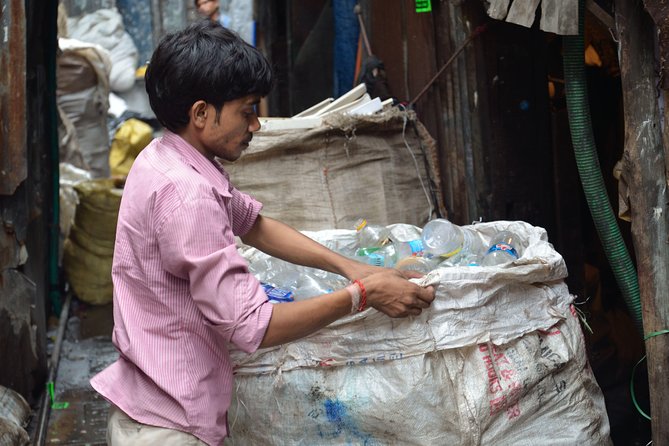
The first thing your guide is likely to address is the big mismatch between movie portrayals and on-the-ground reality. If you expect extreme poverty and despair, the tour can feel like a correction. That is intentional. The goal is to help you notice dignity, work, and community.
You will move through areas that show how Dharavi operates day to day. The tour’s practical theme is simple: where people work, where people live, and where people relax. Those three ideas keep you from turning the visit into a one-note emotional experience. You can still feel moved, but you also gain understanding.
This is also where small-group size really matters. In a small group, you are more likely to hear explanations clearly as you walk, and you are more likely to ask questions when something clicks.
- Elephanta Caves & Island Guided Private Tour★ 5.0 · 1,327 reviews
- Private Guided Walking Tour in Fort & Colaba★ 5.0 · 895 reviews
- Mumbai: Street Food and Night Markets Tour★ 4.9 · 719 reviews
- Mumbai: Dharavi Slum, DhobiGhat, and Dabbawallas Tour★ 4.9 · 689 reviews
- Dharavi Slum Tour★ 5.0 · 625 reviews
Stop: Dharavi, seen as work, home, and community
Dharavi is not just one type of street or one type of building. The most valuable part of this tour is how it pieces together different “zones” of daily life in a short time.
Where people work
You will see industrial areas and learn about local industries. One example highlighted is bakeries that supply across Mumbai. That detail matters because it frames Dharavi as part of the city’s supply chain, not as a detached side show.
You might also pass pottery workshops and other small-scale trades. The point is not only to say what the industry is, but to understand how it is connected to nearby homes and routines.
Where people live
You will also see residential areas, including the reality that families may live in very small indoor spaces. Again, the tour approach is not to shock you with misery. It is to show you how people adapt and how daily life continues in tight quarters.
The contrast is part of the learning. When work and home sit close together, you can see why schedules, noise, and movement matter. You also see how community spaces form around those realities.
Where people go to learn
The tour includes visits to schools. This is one of the strongest ways to understand the future-facing side of the neighborhood. When you see education woven into daily life, you stop thinking of the area as only present-tense hardship.
Even in a short tour window, school stops help you grasp a longer story: parents making plans, kids moving through routines, and the role of community in keeping education going.
Where people relax
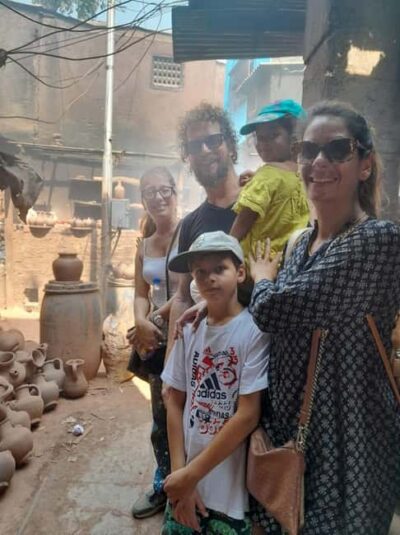
It is easy to forget that people also rest and socialize. You will get a sense of that, too. Depending on what you catch during your walk, you might see children at play and small animals around lanes near workshops. In one account of a similar visit, goats and geese were part of the scene, which is a reminder that this is not staged. It is real life.
The guides: local perspectives that answer the questions
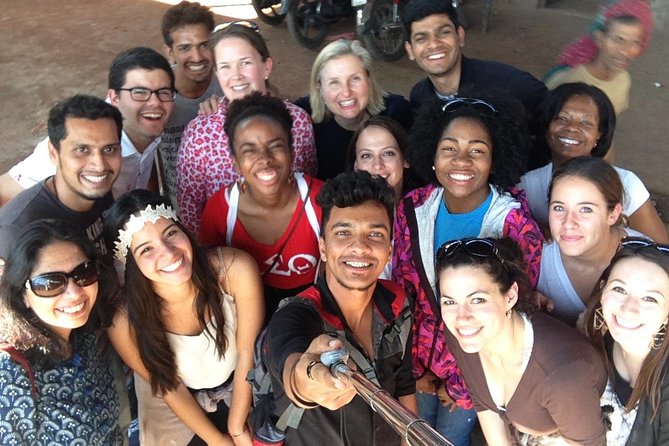
A lot of the tour’s success depends on who leads you. The experience is guided by professionals, and the most memorable guidance tends to come from locals who grew up in Dharavi.
You might get a guide like Razak, who has grown up in Dharavi and still lives there. If you do, expect a grounded way of speaking about the neighborhood, plus answers that go beyond generalities.
Other names tied to the experience include Adil, Touseef, Faisan, Abir, and Avil. Some guides are described as very hospitable, and a few are noted for handling questions kindly and keeping the group comfortable. One account also highlighted that a guide helped with safety and practical needs, and that is exactly what you want from a neighborhood walk. You should feel that your guide is watching the flow, not just talking.
Group size can matter here. Even when the overall group is larger, it can be split into smaller groups with multiple guides, which keeps communication workable. That structure is helpful because Dharavi has lots of lanes and moving parts. You do not want to be stuck far from the guide when you have a question.
Interacting with residents, the right way
This tour includes opportunities to interact with locals. That is powerful, but it is also sensitive. The best way to make it worthwhile is to keep your attitude curious and respectful.
Think of interactions as learning conversations, not sightseeing. Ask basic questions like what a workshop produces, how people fit work and school into the day, and what has changed over time. If you are unsure where to start, your guide can help you frame questions in a way that makes sense locally.
You will also get more out of the interaction if you hold two ideas at once:
1) This is someone’s home and workplace.
2) It is still okay for you to be a visitor with questions.
If you bring an open mind, you will likely feel the tour does more than inform. It can also ground your understanding of how people make a life under difficult circumstances.
What industries you might see: bakeries and pottery
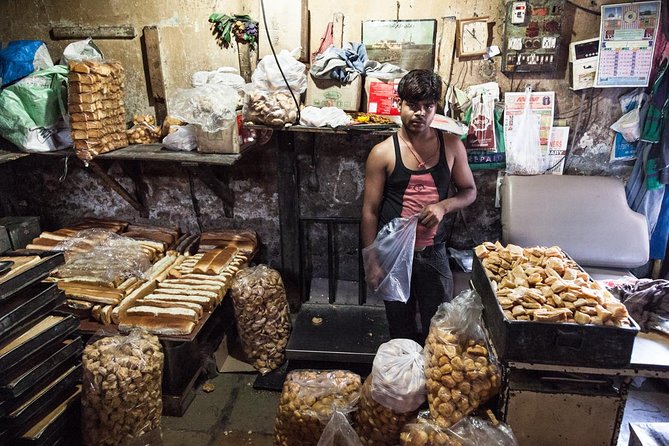
Even without a long list of stops, the tour can teach you how Dharavi contributes to Mumbai’s broader economy. Two industries highlighted in the description are bakeries and pottery.
Bakeries are a big deal because they connect Dharavi to a much wider customer base across the city. If you see how goods are produced and packaged, you start to understand the scale of daily labor that keeps Mumbai stocked.
Pottery represents another side of that economic network. It is craft work with practical demand. Seeing pottery close to daily life helps you understand how trade skills are passed along and how workshops can serve as both workplaces and community hubs.
The takeaway you want is not just that industry exists. It is how industry shapes routes, schedules, and shared spaces in the neighborhood.
Getting ready: simple tips that make the walk easier
This is an urban walking tour, and it sounds obvious, but it really matters. Here is what I would plan for:
- Wear comfortable shoes you can walk in for two hours in an active neighborhood.
- Bring water, since you are out walking and talking through a lot of sights.
- Bring an open mind. If your brain expects movie scenes, you might miss the real story unfolding in front of you.
- Plan for lots of looking and questions. A guided walk only works if you let it slow you down a little.
Also, the experience requires good weather. If the forecast is poor, take that seriously. No one benefits from a rushed, uncomfortable walk.
Price and value: is $22.32 worth it?
At $22.32 per person for about two hours, the price is not just about the walk. It is the package.
You are paying for:
- a guided experience that explains what you are seeing,
- a small-group format that supports interaction and personal attention,
- and round-trip transfers from your hotel that reduce friction.
If you try to do Dharavi on your own, you might get a generic version of what the streets look like, but you will probably miss the why behind the scenes. Here, the guide helps you connect observations to local industry, education, and everyday routines.
For me, that turns the price into value. Two hours is also a practical sweet spot. You get meaningful learning without needing a whole day.
Who this tour suits best
This is a smart choice if you want a guided, reality-based view of Dharavi that moves beyond stereotypes. It works well for:
- People who like walking tours with strong explanations, not only photo stops
- Travelers who want respectful interaction and context
- Visitors who care about the working side of cities, including how everyday industry supports a whole metro area
- First-time Mumbai visitors who want one grounded neighborhood experience that fits into a tight itinerary
It may be less satisfying if you want a long, sit-down museum-style history lesson. This is a walking tour focused on present-day daily life, with context delivered while you move through the neighborhood.
Should you book the Dharavi 2-hour guided tour?
If your goal is to understand Dharavi through daily life, this tour is a strong yes.
Book it if you want professional guiding, a short time commitment, and practical visits that show work, homes, schools, and how people relax. The format also makes it easier to handle logistics since transfers are part of the deal.
Skip it only if you are looking for a purely emotional experience built around dramatic poverty imagery, because this tour is designed to challenge that framing. Also, if you have mobility issues that make tight-lane walking hard, this might feel like more than you can comfortably manage.
When you get it right, the value is big. You walk away with fewer stereotypes and more real-world understanding of how a dense community functions.
FAQ
How long is the 2-Hour Guided Tour of Dharavi?
It runs for about 2 hours.
How much does the tour cost?
The price is $22.32 per person.
Is there a ticket included for entry?
Admission ticket is listed as free.
Where does the tour start and end?
It starts at Third Wave Coffee, Tip Road (Unit no. 58, Ground, Ram Mahal, Senapati Bapat Marg, Marinagar Colony, Station, Mahim, Mumbai). It ends at Kumbhar Wada, Dharavi, near Sion Hospital.
What time does the tour operate?
Opening hours are listed as 10:00 AM to 4:00 PM, Monday through Sunday.
Does the tour include transfers from my hotel?
Yes, the tour features hassle-free round-trip transfers from your hotel.
Is the tour private?
Yes. Only your group will participate.
Do I get a mobile ticket?
Yes, it uses a mobile ticket.
What happens if the weather is poor?
The experience requires good weather. If it is canceled due to poor weather, you will be offered a different date or a full refund.
What is the cancellation policy?
You can cancel for a full refund up to 24 hours in advance. If you cancel less than 24 hours before the start time, the amount paid will not be refunded.
More Dharavi Walks with Local Guides





Recently reviewed across Mumbai
- Mumbai City Sightseeing Guided Tour on a Bicycle
★ 5.0 · 10 reviews - Mumbai Street Food & Beach Tour with 10+ Tastings
★ 5.0 · 10 reviews - Mumbai Market Tour & Maharashtrian Cooking Class with Chef Reshma
★ 4.5 · 10 reviews - Sailing Experience in Mumbai on Mid Size Yacht
★ 5.0 · 10 reviews - 3 Days Complete Mumbai Tour Inclusive of Bollywood Studio Experience
★ 5.0 · 10 reviews - Dharavi Slum Tour
★ 5.0 · 10 reviews
Dharavi and Mumbai Slum Tours, compared.
 ★ 4.9Dharavi Slum, DhobiGhat, and Dabbawallas TourFrom $14689 reviews
 ★ 5.0Dharavi Slum TourFrom $20625 reviews
 ★ 5.0Dharavi Slum tour in Mumbai by local residentFrom $4572 reviews
 ★ 4.9Dharavi Slum Slumdog Millionaire Tour with a LocalFrom $10529 reviews
 ★ 5.0Mumbai Slum Tour – Visit Dharavi Slum with Local GuideFrom $5509 reviews
 ★ 5.0Sanjay Colony Slum TourFrom $21498 reviews
 ★ 5.0Dhobi Ghat Laundry and Dharavi Slum Tour with LocalFrom $4469 reviews
 ★ 5.0New Delhi Slum Walking TourFrom $28360 reviews
Browse the lists this tour appears in