
REVIEW · DHARAVI AND MUMBAI SLUM TOURS
Best of Dharavi Slum with Market Tour
Three hours in Dharavi reshapes how you see work. I love the respectful, no-pressure feel, where you can ask questions without feeling herded into shops. I also love the hands-on focus on real local trades, from open-air laundry to Mahim recycling. The only real consideration is that the lanes get busy, so you should have a moderate fitness level.
With Hakim leading a group of up to 15, the tour keeps a human pace. Pickup is offered, and you get a mobile ticket for a smoother start. This is not a show. It is a guided walk through how people earn a living, with market stops and workshop energy along the way.
In This Review
- Key things you will notice on this tour
- First Impressions: What a Dharavi Market Tour Changes
- Hakim and the Small-Group Advantage (Max 15)
- Dhobi Ghat: Mumbai’s Open-Air Laundry for Hotels and Hospitals
- Kumbharwada and Mahim: Where Neighborhood History Meets Everyday Life
- Lather Goods in Mahim: How Bags and Wallets Get Made as Work
- Recycling in Mahim: Waste Collection Turned Into Value
- The People of Mahim: A Multicultural Walk Through Daily Life
- Street Food and Market Energy: Learn, Then Decide
- Price and Value: Roughly $40 for a 3-Hour Reality Check
- Practicalities: Pickup, Mobile Ticket, and What to Wear
- Should You Book This Dharavi Slum and Market Tour?
- FAQ
- How long is the Dharavi slum tour with market stops?
- What is the price per person?
- Is pickup offered?
- What ticket details should I know?
- How big is the group?
- What fitness level do I need?
- Is good weather required, and how does cancellation work?
Key things you will notice on this tour
- Dhobi Ghat’s open-air laundry: watch Mumbai’s dhobis clean linens for hotels and hospitals
- Mahim trades at street level: see how everyday products get made locally
- Recycling work in action: plastic and paper collection efforts tied to environmental awareness
- Lather goods craftsmanship: bags, wallets, and accessories made as a business
- A calm, story-driven guide: Hakim’s explanations are clear and easy to follow
- No forced shopping: the experience stays centered on learning, not selling
Other Dharavi walks, guides named
First Impressions: What a Dharavi Market Tour Changes
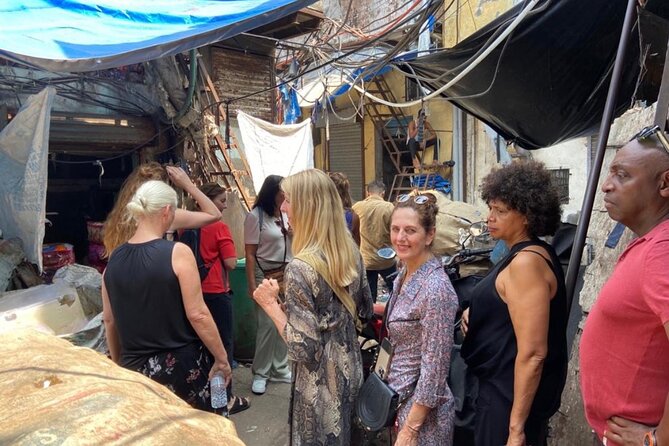
Dharavi can be one of those places where your brain switches from assumptions to curiosity. In three hours, you get a guided look at how a dense neighborhood turns materials, skills, and need into real products and services. You will see small workshops, market activity, and the daily rhythm that connects residents to the wider city.
I like that this tour stays practical. You are not just taking photos. You are learning how jobs work in narrow spaces, what gets traded, and why recycling and craft matter. You will also notice the market side of Mumbai, too, with street food in the mix as vendors prepare items right along the route.
One heads-up: this is not a sit-down museum tour. Expect walking in crowded areas and spending time close to active work. If you prefer open, quiet viewpoints, you might find it a bit intense.
Hakim and the Small-Group Advantage (Max 15)
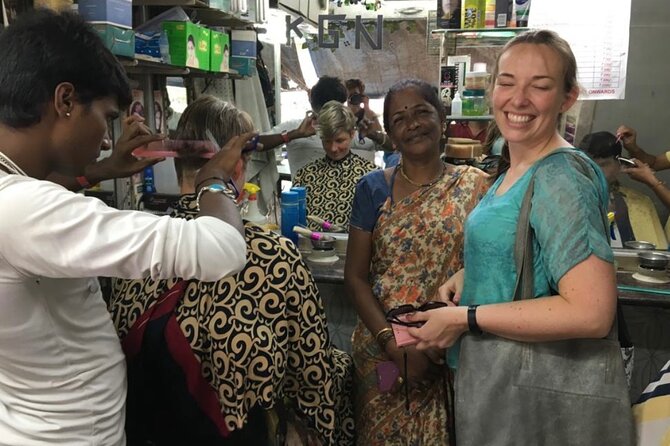
A huge part of why this tour works is the guide. Hakim comes across as calm and well prepared, with a lot of story and context while you walk. That matters, because Dharavi is not easy to understand from the outside. The guide helps you connect what you are seeing to why it exists, how it feeds the local economy, and how different parts of the neighborhood connect.
The group size also helps. With a maximum of 15 people, you are more likely to be able to ask questions and move at a pace that fits the lane conditions. You are less likely to feel rushed, and it is easier to stay together without turning the experience into a traffic jam.
If you have ever done a tour that feels like a sales pitch wearing a costume, this one is different. The approach here is professional, respectful, and focused on your comfort. You should not feel pushed to buy anything.
Dhobi Ghat: Mumbai’s Open-Air Laundry for Hotels and Hospitals
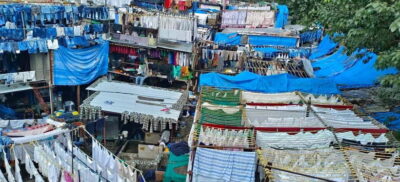
Dhobi Ghat is the first stop for a reason. It sets the tone: you are seeing work that is visible, public, and essential to a city that never stops. This is an open-air laundromat where dhobis clean clothes and linens from Mumbai’s hotels and hospitals.
What you’ll actually experience is the logistics of laundry happening right in front of you. There is no back-room glamour. It is work that depends on routine, skill, and the reality of doing things in public spaces. Even if you do not know anything about laundry methods, you will leave understanding that this is a service network, not a roadside spectacle.
This stop is short, about 20 minutes, and the admission ticket is included. That timing is useful. It gives you a strong first impression without burning the whole morning on one location.
One drawback to plan for: this is a working area. If you dislike close proximity to active processes, you may want to keep your camera ready but your expectations low for a long, leisurely viewpoint.
- Elephanta Caves & Island Guided Private Tour★ 5.0 · 1,327 reviews
- Private Guided Walking Tour in Fort & Colaba★ 5.0 · 895 reviews
- Mumbai: Street Food and Night Markets Tour★ 4.9 · 719 reviews
- Mumbai: Dharavi Slum, DhobiGhat, and Dabbawallas Tour★ 4.9 · 689 reviews
- Dharavi Slum Tour★ 5.0 · 625 reviews
Kumbharwada and Mahim: Where Neighborhood History Meets Everyday Life
After Dhobi Ghat, the tour shifts into the Mahim area, with time spent around Kumbharwada and local streets in Mahim. This portion is about context: you are getting a sense of how a neighborhood like Mahim carries cultural and historical importance while still operating as a living community.
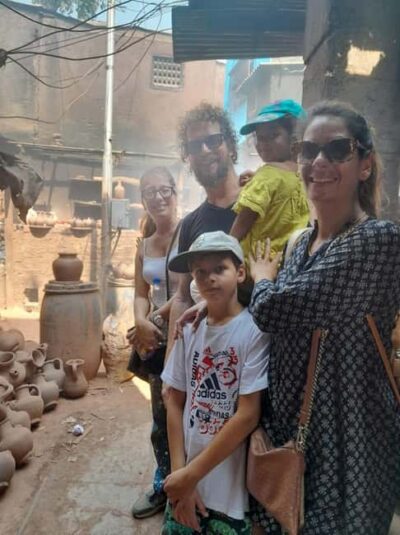
The stop at Kumbharwada is listed at around 30 minutes, with no admission charge. That makes it a flexible chunk of the tour, a chance to slow down and notice the mix of people and the way daily life flows around small businesses.
In practical terms, this part helps you understand the difference between seeing Dharavi as a single, fixed image and seeing it as a set of connected local places. Mahim is not only about one trade. It is about multiple trades living side by side, all supported by the city around them.
If you are the type who likes to ask, this is a good section for it. The guide can connect neighborhood identity to what you will see next in the workshop areas.
Lather Goods in Mahim: How Bags and Wallets Get Made as Work
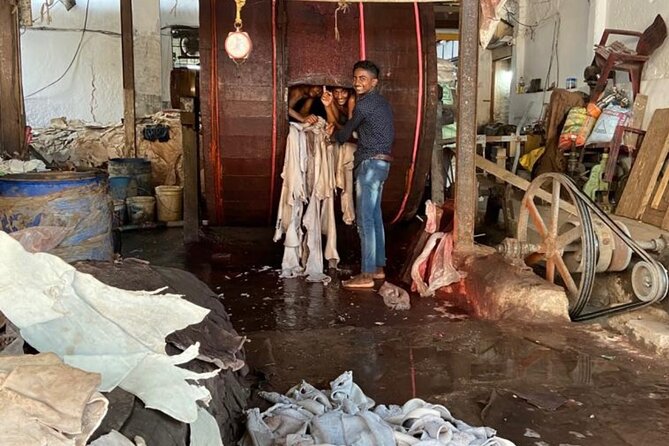
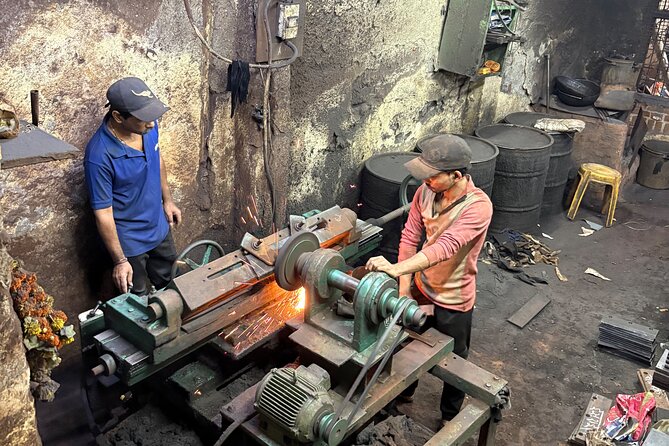
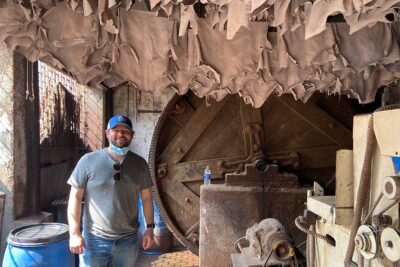
Mahim also has a stop focused on lather work, described as craftsmanship tied to making lather goods like bags, wallets, and other accessories. Even in a short time window, you get the point: these are not random items. They are products built through practical skill, repeated production, and local commerce.
Why this matters: you start seeing Dharavi and nearby areas not just as “low-cost” spaces, but as places with trades that serve real demand. Small-scale manufacturing can be a survival strategy and a growth engine at the same time.
This stop is about 30 minutes and is listed as free. That tells you the tour expects you to learn through observation and conversation rather than through formal museum-style interpretation.
If you are sensitive to texture, smell, or close-up process work, take your cues from the guide and keep a respectful distance when needed. You are walking through active industry, so your comfort is part of the experience.
Recycling in Mahim: Waste Collection Turned Into Value
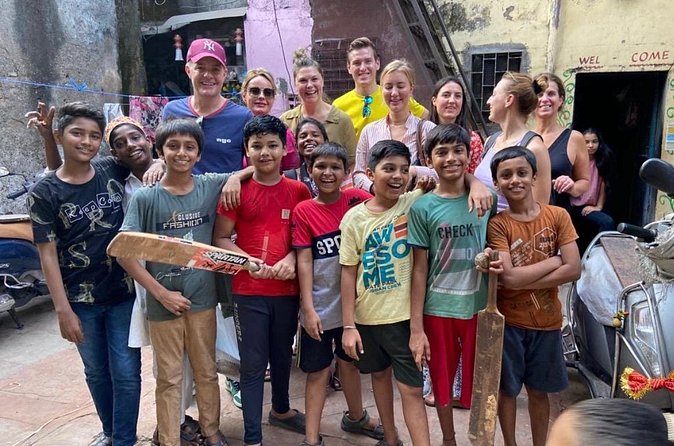
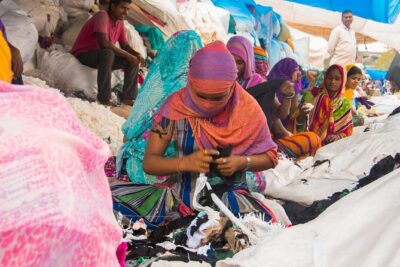
Next comes recycling in Mahim, where local efforts have been increasing as awareness about environmental issues grows. This is not presented as a vague cause. It is tied to practical collection of plastic and paper, with initiatives often led by local groups.
This stop is a powerful shift in perspective. You get a sense of how material waste can become input for products and pathways into the wider economy. Even if recycling is something you already care about, seeing it close up in a working neighborhood can make the concept feel more real and more connected.
The stop is about 30 minutes and is free. Again, the focus is on what people do and how it fits together day to day, not on selling you the idea. If you like real-world problem solving, this section is likely to be a favorite.
One thing to remember: recycling work is still work. It can involve busy collection rhythms and practical routes. Plan for a bit of movement and noise and keep your attention on the guide’s explanations.
The People of Mahim: A Multicultural Walk Through Daily Life
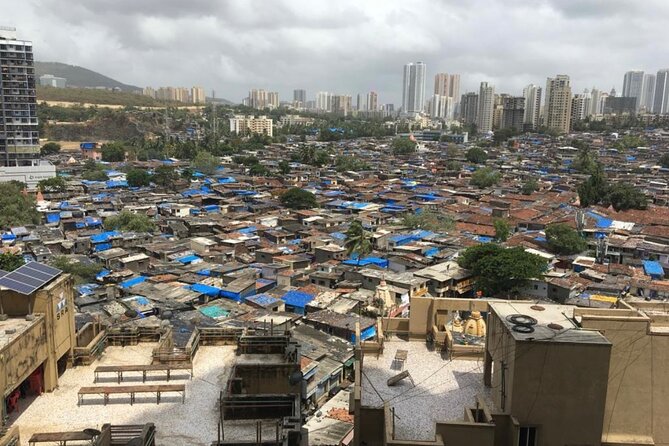
You also spend time with the human side of Mahim, looking at the local people and how the area reflects Mumbai’s multicultural mix. The tour description specifically calls out communities including Marathi and Gujarati, and it emphasizes that you will see diverse backgrounds in everyday life.
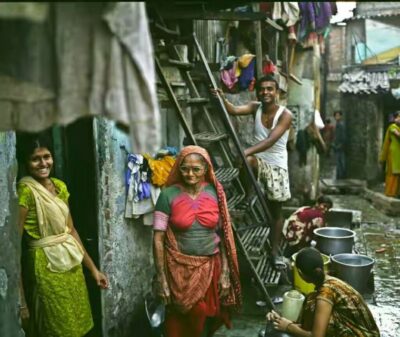
This stop is about 20 minutes and is free. It may not sound dramatic on paper, but it helps tie the trade stops into something more personal. It reminds you that the neighborhood is not only factories and markets. It is families, friends, and community relationships that keep businesses running and help people share knowledge.
If you like cultural experiences that happen in public spaces, you’ll appreciate this. The guide’s role here is to make sense of what you are seeing without making it feel like a lecture.
A practical note: if you want photos, use common sense. Ask first when appropriate, keep the mood respectful, and remember that this is people’s everyday environment.
Street Food and Market Energy: Learn, Then Decide
The tour’s overview mentions street food as part of the atmosphere, with aromas from vendors preparing local treats as you walk. This is one of the reasons Dharavi and nearby markets feel so alive, even within a short visit.
Here is my advice: go in curious, not hungry first. Look, ask what something is if the guide can explain, and then decide. You are walking through active neighborhoods, so your comfort matters more than checking a food box.
Shopping can come up, too. Importantly, the experience is not built around pushing you into purchases. That is a big deal for me. It means you can browse stalls and watch market life without feeling like the tour is only there to redirect you into sales.
One review story included time for an ice-cold beer among locals. I cannot promise a stop like that for everyone, since it depends on the route and timing, but it does hint at the kind of flexible, human breaks a good guide can arrange when it fits.
Price and Value: Roughly $40 for a 3-Hour Reality Check
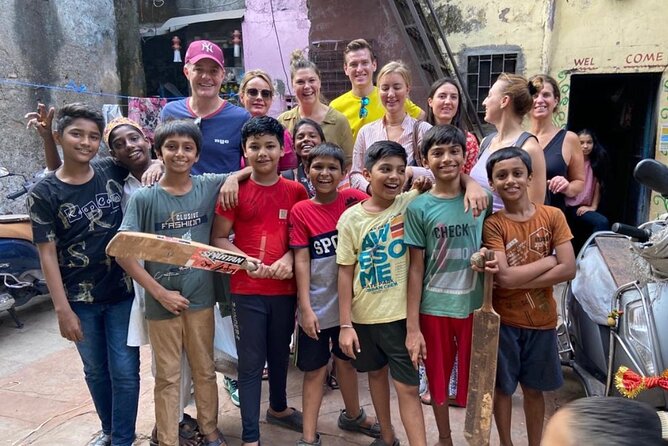
At $39.72 per person for about 3 hours, this tour sits in the “worth it if you want context” category. You are paying for a guided walk that combines multiple parts of the neighborhood, plus an included admission ticket at Dhobi Ghat.
Here is how I judge value on tours like this:
- You get a small group experience rather than a crowd herding situation
- You get multiple stop types, including open-air work and trade-focused stops
- You get a real guide experience with Hakim’s calm, story-led explanations
- You get entry coverage for Dhobi Ghat, which is one less thing to manage
Could you do a DIY walk and see some of this yourself? Yes, parts of Mumbai are easy to reach. But the key value here is interpretation and respectful pacing. In a place like this, context is what turns “sights” into understanding.
If you are on a tight budget, this is a standout option because it is not priced like a private driver plus museum tickets plus add-ons. If you are only looking for a short photo safari, you might find the time crowded and the learning focus not your style.
Practicalities: Pickup, Mobile Ticket, and What to Wear
You should plan around three practical realities: getting there, moving comfortably, and matching your day to weather.
Pickup is offered, and the tour is described as near public transportation. That gives you flexibility if you like to use transit part of the time. You will also receive a mobile ticket, which keeps the start simple.
The tour requires good weather. If the day is rainy or conditions are poor, the experience can be changed or refunded. That matters here because you are walking through active lanes. Dry conditions make the route easier and more comfortable.
For gear, keep it straightforward. Wear shoes that handle uneven, crowded sidewalks. Bring water. Even though the stops are short, you will still spend real time in motion.
Finally, the tour calls for moderate physical fitness. This is not a marathon, but it is not a “barely walk” experience either. If stairs and long standing are hard for you, consider whether you want to take on crowded walking.
Should You Book This Dharavi Slum and Market Tour?
Book it if you want a guided, respectful look at how daily work, crafts, and recycling connect to Mumbai life. I think this is a smart choice if you appreciate small-group guiding, clear explanations, and you like learning through streets rather than indoors.
Skip it if you need quiet, wide-open spaces, or if you dislike being close to active work settings. Also, if you are uncomfortable walking through busy lanes for a few hours, you might want to choose a different kind of Mumbai day.
If you do book, go with the right mindset: ask good questions, keep your tone respectful, and treat the market and workshop stops as learning stops, not shopping stops. With Hakim at the front, the experience is designed to feel safe, organized, and focused on understanding.
FAQ
How long is the Dharavi slum tour with market stops?
The tour is about 3 hours.
What is the price per person?
The price is $39.72 per person.
Is pickup offered?
Yes, pickup is offered.
What ticket details should I know?
You get a mobile ticket. Also, Dhobi Ghat includes an admission ticket in the tour.
How big is the group?
The maximum group size is 15 travelers.
What fitness level do I need?
The tour recommends a moderate physical fitness level.
Is good weather required, and how does cancellation work?
The experience requires good weather. If it is canceled due to poor weather, you can be offered a different date or a full refund. There is free cancellation up to 24 hours in advance for a full refund.
More Dharavi Walks with Local Guides





Recently reviewed across Mumbai
- Mumbai City Sightseeing Guided Tour on a Bicycle
★ 5.0 · 10 reviews - Mumbai Street Food & Beach Tour with 10+ Tastings
★ 5.0 · 10 reviews - Mumbai Market Tour & Maharashtrian Cooking Class with Chef Reshma
★ 4.5 · 10 reviews - Sailing Experience in Mumbai on Mid Size Yacht
★ 5.0 · 10 reviews - 3 Days Complete Mumbai Tour Inclusive of Bollywood Studio Experience
★ 5.0 · 10 reviews - Dharavi Slum Tour
★ 5.0 · 10 reviews
Dharavi and Mumbai Slum Tours, compared.
 ★ 4.9Dharavi Slum, DhobiGhat, and Dabbawallas TourFrom $14689 reviews
 ★ 5.0Dharavi Slum TourFrom $20625 reviews
 ★ 5.0Dharavi Slum tour in Mumbai by local residentFrom $4572 reviews
 ★ 4.9Dharavi Slum Slumdog Millionaire Tour with a LocalFrom $10529 reviews
 ★ 5.0Mumbai Slum Tour – Visit Dharavi Slum with Local GuideFrom $5509 reviews
 ★ 5.0Sanjay Colony Slum TourFrom $21498 reviews
 ★ 5.0Dhobi Ghat Laundry and Dharavi Slum Tour with LocalFrom $4469 reviews
 ★ 5.0New Delhi Slum Walking TourFrom $28360 reviews
Browse the lists this tour appears in