
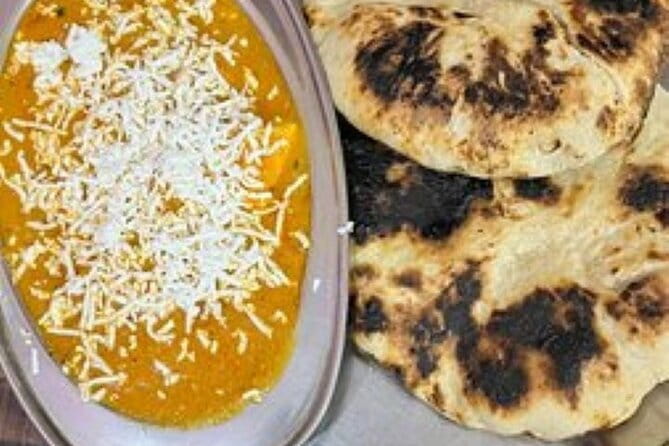
REVIEW · COOKING CLASSES
Cooking Class with Sona
Varanasi cooking is not just food, it is technique you can use at home. In Cooking Class with Sona, I love how hands-on it feels, and how Sona explains in English so you can follow along without guessing. You also learn the full chain, from chopping to cooking, with homemade spices that make the flavors easier to recreate later.
The menu is built around a traditional vegetarian thali plus breads, curries, and drinks like chai masala. It is a smart value for the price because you get lunch and dinner cooked for you as part of the experience. One consideration: since the whole cooking process is described as taking about 3 hours, plan for a slightly longer pace than the 2 hours 30 minutes estimate.
In This Review
- Key highlights worth planning around
- Cooking Class With Sona in Varanasi: what you are really signing up for
- Where you meet Sona near Assi Ghat
- How the class runs: about 2.5 to 3 hours of hands-on cooking
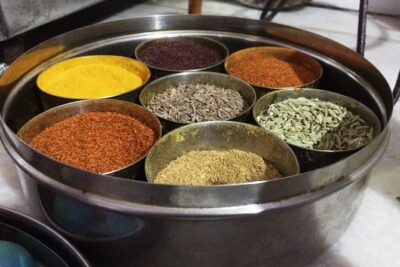
- Spices first: the homemade approach that makes flavors repeatable
- The thali experience: a full plate, not a single dish
- Breads in the mix: chapati, naan, puri, and bhature
- Paneer butter masala, malai kofta, and roasted eggplant
- North Indian favorites and quick snack skills
- Chai masala drinks: spice and comfort in a cup
- What you eat: lunch and dinner built from your lessons
- Languages, guide style, and how easy it is to follow
- Price and value: does $40.82 make sense?
- Practical tips before you go
- Who this cooking class suits best
- Should you book Cooking Class with Sona?
- FAQ
- How long is Cooking Class with Sona?
- Is this class vegetarian?
- What meals are included?
- What dishes and foods will I learn?
- Are transportation or pickup and drop-off included?
- What is the meeting point?
- Is the tour private or group style?
- What languages are provided?
- Is there free cancellation?
- Do I need to bring water?
Key highlights worth planning around
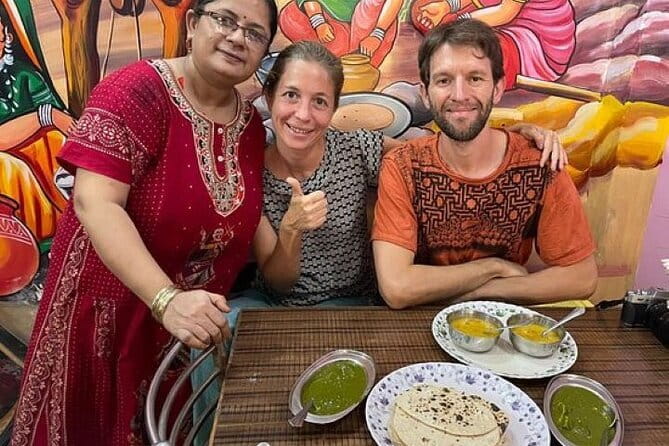
- Full cooking process from chopping to cooking, not just watching
- Vegetarian thali plus sweets, with breads like chapati, naan, puri, and bhature
- Homemade spices for vegetables, curry, and drinks you can repeat later
- North Indian favorites and Varanasi staples such as chole-bhature, pakora, and samosa
- Signature dishes including paneer butter masala, malai kofta, and roasted eggplant (brinjal)
- Lunch and dinner included, so you eat what you learn
Shortlisting? Every Varanasi trip below went through the same review.

Cooking Class With Sona in Varanasi: what you are really signing up for
Cooking Class with Sona is the kind of experience that fits real travel life. You are in Varanasi, you have limited time, and you want something that pays you back after the trip. This class does that. You leave with a working idea of how Indian cooking is built, step by step, instead of just a list of recipes.
Sona is a local home cook from Varanasi, teaching vegetarian food. The focus is traditional taste, including North Indian flavors, plus practical cooking skills for vegetables, curry, and drinks. That matters because Indian food has a rhythm. Spices are not sprinkled randomly, they are handled. Aromatics are not optional, they set the base. If you want your at-home results to taste right, you need technique more than memorized instructions.
Also, this is not a tiny snack lesson. The class includes a thali style meal, breads, multiple dishes, and a drink. That is why it helps to think of it as “learn and eat” rather than “sit and watch.”
Where you meet Sona near Assi Ghat
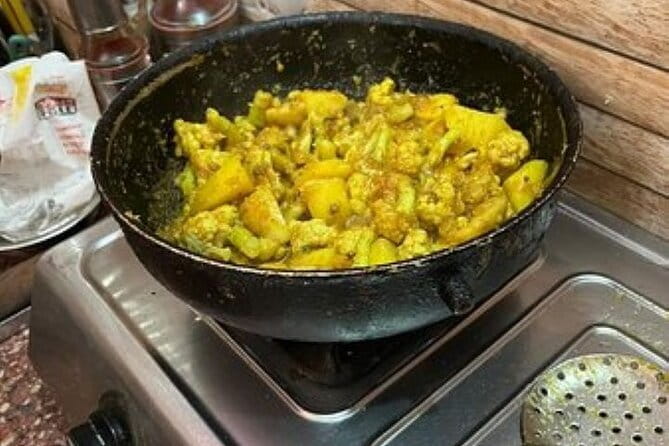
You will meet at Azure Paying Guest House, B 30/232 Assi, Ravidas Ghat Crossing, near Assi Ghat in Varanasi. The activity ends back at the meeting point, so you are not stuck figuring out logistics after class.
A couple of practical points for your day plan:
- It is listed as near public transportation, so you should be able to reach it without private transport.
- Pickup and drop-off are not included, so build in time to get there on your own.
This part is simple, but it affects your stress level. If you are already walking around Assi Ghat, this class fits nicely because you can go from sightseeing mode to food mode without a major detour.
How the class runs: about 2.5 to 3 hours of hands-on cooking
The experience is advertised as about 2 hours 30 minutes. At the same time, the full cooking process is described as taking 3 hours. In practice, that usually means you should plan for roughly 2.5 to 3 hours total, especially if you are asking questions or taking your time with chopping and prep.
Sona teaches you the complete cooking process, from chopping to cooking. That is a big deal. Many cooking classes stop at demonstration. Here, you are learning the mechanics: what to cut first, how long things take, when spices go in, and how dishes come together into a meal.
You also learn traditional Indian taste using homemade spices. Even if you never cook exactly like Sona at home, understanding how homemade spice blends behave will help your curries, roasted vegetables, and drinks taste like food, not just spice dust.
- The Ultimate 1 Day in Varanasi – How to Spend 13 Hours – Private Guided Tour★ 5.0 · 295 reviews
- A Journey of A lifetime★ 5.0 · 272 reviews
- Varanasi: Hidden Secrets of Vibrant Tradition (Guided Tour)★ 4.9 · 176 reviews
- Private Heritage and Spiritual Walk Tour – Varanasi Kashi★ 5.0 · 172 reviews
- 3 Hour Walking Tour of Buddhism in Sarnath★ 5.0 · 160 reviews
Spices first: the homemade approach that makes flavors repeatable
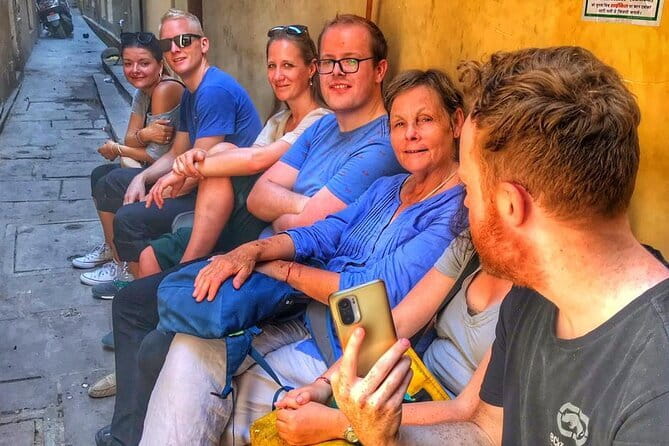
One of the most useful things you can learn in an Indian cooking class is how spices behave in real cooking. In this class, you get that through homemade spice use for vegetables, curry, and drinks. That gives you a mental model you can reuse later.
Here is what I look for when I choose a cooking class: can I reproduce the flavor after I leave? Homemade spice work helps because:
- Spice blends change flavor as they toast, bloom, and cook.
- Fresh mixing lets you control the intensity.
- You learn how spices fit into a dish timeline.
Sona’s class is built around that traditional approach. You are not just learning one curry, you are learning how the seasoning system works across multiple foods.
If you are a home cook, this section alone is worth your attention. You will likely notice that the dishes share a common flavor DNA, even when the final plate looks different.
The thali experience: a full plate, not a single dish
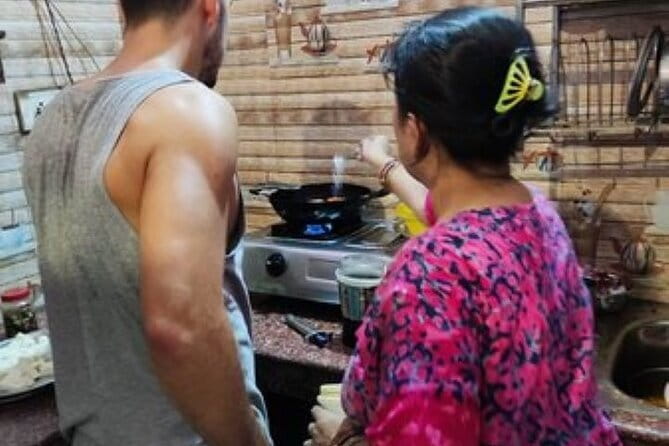
The thali is the heart of the class. Sona teaches a traditional thali, described as a full plate combo of:
- Chapati (Indian bread)
- Dal (lentils)
- Sabji or curry (vegetable curry)
- Rice
- Sweets
This setup matters because it teaches balance. Indian meals are often built so you can eat different textures and flavor levels together: creamy, tangy, spiced, starchy, and sweet. A thali gives you that balanced training in one sitting.
What you learn from thali style cooking:
- How dal works as a backbone, not just a side.
- How chapati fits into a meal rhythm.
- How a vegetable curry changes the way you taste the lentils and rice.
- How sweets land the meal so it feels complete, not just savory.
Even if you already know Indian food, thali lessons are a shortcut to understanding why the combinations work.
Breads in the mix: chapati, naan, puri, and bhature
Sona also teaches different types of breads, including naan, chapati, puri, and bhature. That is a lot for one class. And it is not random variety. Each bread comes with a different cooking method and a different role on the plate.
Here is how to think about it as a skill-building exercise:
- Chapati is about technique and consistency.
- Naan often rewards heat control and timing.
- Puri adds a crisp, fried element that changes the texture of the whole meal.
- Bhature gives you a bread that works especially well with chole, the chickpea curry.
If you want your at-home Indian cooking to feel more “authentic meal” and less “a couple dishes,” learning breads is the fastest path.
Paneer butter masala, malai kofta, and roasted eggplant
Beyond thali staples, the class includes specific dishes you can anchor around.
- Paneer (Indian cheese) butter masala
- Malai (milk-cream) kofta
- Roasted eggplant (brinjal, aubergine)
These choices are practical because they represent different cooking styles:
- Paneer butter masala teaches a rich, spiced base and how paneer becomes tender in sauce.
- Malai kofta is a creamy, more indulgent dish that helps you understand how milk-based flavors are built.
- Roasted eggplant teaches a vegetable-forward method, which can be helpful if you want vegetarian meals that do not always rely on frying or heavy gravies.
If your goal is to impress friends with vegetarian Indian food, these are strong picks. They also give you options so you do not leave with one “theme” dish only.
North Indian favorites and quick snack skills

Sona’s class also covers foods from different states of India, including:
- Chole (often paired with bhature)
- Pakora
- Samosa
These are the kinds of dishes that show up in real Indian life, not just restaurants. And they matter because they teach you flavor formulas for popular vegetarian snacks and meals.
Why this is valuable: snacks teach you technique in smaller units.
- Pakora is about batter behavior and frying discipline.
- Samosa is about the idea of filling, sealing, and getting the right crisp exterior.
- Chole is a curry you can treat as a template, especially once you understand how spices and lentils or legumes behave.
Even if you do not fry often at home, learning the logic behind these foods can make your cooking feel more confident.
Chai masala drinks: spice and comfort in a cup
A cooking class that includes drinks is more useful than it sounds. Food can be the main event, but learning a traditional Indian tea masala helps you create a complete meal experience.
Sona includes drinks such as Indian chai and tea masala. This is a practical lesson because it is easier to reproduce than many curries. If you want one reliable win to take home, chai masala is often it: you can adjust sweetness and intensity, and you can use the spice ideas you learned for other dishes.
It also helps the class feel cohesive. You are not just cooking savory food, you are learning how Indians use spices across the day, including in comforting drinks.
What you eat: lunch and dinner built from your lessons
Lunch and dinner are included, and the food is cooked as part of the experience. That means you get to taste the dishes while your cooking knowledge is still fresh.
I like this setup because it avoids the common problem with cooking classes. Sometimes you make food, then you wait forever, or you eat something generic. Here, you can eat what you helped cook, which helps you understand what you got right or what you might tweak next time.
Also, the class is vegetarian, so the meal choices stay focused on that style. You will likely leave feeling satisfied, not just “educated.”
One more practical note: bring an appetite, and be ready for spices. If you usually keep your spice levels mild, you will still get the chance to learn technique, but you might want to communicate your comfort level during cooking so you can taste as you go.
Languages, guide style, and how easy it is to follow
The class includes an English and Hindi guide. Sona’s English is specifically praised as very good, and the explanations are said to be clear. That is exactly what you want if you are visiting with limited comfort in Indian cooking terms.
Clear explanations make a huge difference in a class like this because you will be working fast. When the steps make sense, you waste less time. You also feel comfortable asking questions, which is where small details get resolved.
This kind of guide support makes the class more than a fun meal. It becomes an actual learning experience.
Price and value: does $40.82 make sense?
At $40.82 per person, this is positioned as a solid value for what you get. You are paying for:
- A private group class
- Hands-on teaching, from chopping to cooking
- Multiple dishes and breads
- Homemade spice learning
- Lunch and dinner included
In many destinations, you pay a lot more just for a short cooking demo plus a small snack. Here, the meal structure is closer to a full cooking-and-eating experience. Even if you only end up repeating one or two dishes at home, the technique lessons and spice approach are often worth it.
You should also consider the time. If you treat this as a centerpiece experience in your day, the price feels fair. If you are on a tight schedule, it may be the one activity where you should give yourself buffer time to arrive and settle.
Practical tips before you go
A few easy moves can make your class smoother.
- Eat lightly before you start, but not so light you are starving. Lunch and dinner are included, so you do not need to snack heavily beforehand.
- Bring a bottle of water or plan to buy one nearby. Water bottles are not included.
- Wear something you can cook in. You will likely be working with ingredients and heat.
- If you have dietary preferences within vegetarian cooking, mention them early, even though the class is vegetarian by design.
Also, because there is no pickup and drop-off, it helps to map your own route to the meeting point near Assi Ghat.
Who this cooking class suits best
This experience is a great fit if you:
- Want vegetarian Indian cooking skills you can repeat at home
- Like learning technique, not just collecting recipe names
- Enjoy North Indian flavors and the thali format
- Prefer a smaller, private setting with only your group
- Want a meal-focused activity that still teaches real cooking steps
It might not be ideal if you:
- Want a very quick class only under two hours
- Hate doing hands-on work like chopping and prep
- Are looking for non-vegetarian dishes
Should you book Cooking Class with Sona?
Book it if your priority is taking home real cooking skills, especially spice approach and thali-style meals. The mix of dishes, including paneer butter masala, malai kofta, roasted eggplant, breads, and chai masala, gives you a variety of techniques in one sitting. Add in lunch and dinner included, and the value feels strong for the price.
Skip it only if you have no interest in vegetarian Indian cooking or you want a super short, low-effort activity. Otherwise, this is a practical Varanasi experience that turns your time there into something you can actually use back home.
FAQ
How long is Cooking Class with Sona?
The duration is listed as approximately 2 hours 30 minutes, and the full cooking process is described as taking about 3 hours.
Is this class vegetarian?
Yes. The class is vegetarian, and Sona teaches vegetarian foods.
What meals are included?
Lunch and dinner are included, and you eat the cooked food as part of the experience.
What dishes and foods will I learn?
You will learn a traditional thali (chapati, dal, sabji or curry, rice, and sweets), plus vegetarian dishes such as paneer butter masala, malai kofta, roasted eggplant, and other breads. The class also includes North Indian items like chole-bhature and snacks like pakora and samosa, along with chai masala.
Are transportation or pickup and drop-off included?
No. Private transportation is not included, and there is no pickup or drop-off. You will meet at the listed location and return there at the end.
What is the meeting point?
The start and end meeting point is Azure Paying Guest House, B 30/232 Assi, Ravidas Ghat Crossing, near Assi Ghat, Nagwa, Varanasi, Uttar Pradesh 221005, India.
Is the tour private or group style?
It is private. Only your group will participate.
What languages are provided?
The guide is listed as English and Hindi.
Is there free cancellation?
Yes. You can cancel for a full refund up to 24 hours before the experience start time.
Do I need to bring water?
Water bottles are not included, so you may want to plan to bring your own or buy one nearby.
Recently reviewed across Varanasi
- Varanasi: Sunrise Boat Tour and Heritage Walk with transfers
★ 5.0 · 10 reviews - Varanasi Mysteries Walk: A Journey through Life and Death
★ 5.0 · 10 reviews - Omvity’s Full-Day Varanasi Tour: Sunrise Boat to Sunset Aarti
★ 5.0 · 10 reviews - Cycle of Life, Death & Rebirth (2 Hours Guided Walking Tour)
★ 4.5 · 10 reviews - Varanasi: Private Heritage Walking Tour & Sunrise Boat Ride
★ 4.9 · 11 reviews - Varanasi: Ganga Arti Evening Light Ceremony on the Main Ghat
★ 4.1 · 11 reviews
Cooking Classes, compared.
 ★ 5.0Pink City Cooking ClassFrom $27452 reviews
 ★ 5.0Five Course Cooking Class & MealFrom $60250 reviews
 ★ 5.0Veg and Non veg : Private Cooking Class in Delhi home (7 meal)From $47226 reviews
 ★ 5.0Indian Cooking Class in an Authentic Local Home – Learn 6 DishesFrom $50195 reviews
 ★ 5.0Durga Cooking ClassFrom $15159 reviews
 ★ 5.0Private Guided Cooking Workshop Experience in JodhphurFrom $36158 reviews
 ★ 5.0Jaipur Market Tour & Vegetarian Rajasthani Home Cooking ClassFrom $60113 reviews
 ★ 5.0Cooking Class in Jaipur – Family Experience with Meal & TransportFrom $29101 reviews
Browse the lists this tour appears in