
REVIEW · DHARAVI AND MUMBAI SLUM TOURS
Dabbawala, Dhobi Ghat & Dharavi slum Tour with Local Train Ride
Mumbai runs on work you can actually see. This half-day tour strings together Dharavi, Dhobi Ghat, and the dabbawala lunch system, with local train rides between stops.
I like the local train ride angle because it helps you experience Mumbai’s daily motion, not just a photo lineup. I also like the small group size (max 15), which gives real time to ask questions, especially when guides like Rakesh or Abhishek keep things clear and well paced.
One thing to plan for: a good chunk of the tour happens outdoors and on foot. If weather is rough, you will feel it, so bring water and comfy shoes, and follow your guide’s lead on where to stand.
In This Review
- Key Highlights You’ll Actually Notice
- Why This Mumbai Half-Day Feels Like a Real Working City
- Entering Dharavi’s Streets, Workshops, and Community Spaces
- Mahalaxmi Dhobi Ghat, Watching Laundry Turn Hotel Sheets Into Routine
- Dabbawalas and the Lunch-Delivery System You See Across Mumbai
- The Local Train Ride, Your Shortcut to Mumbai’s Daily Tempo
- What It Costs, and Why the Value Makes Sense
- Who This Tour Is Best For (and Who Might Want Another Option)
- How to Prepare So You Enjoy It More
- Guides Matter, and the Ones You May Get
- Should You Book This Dharavi, Dhobi Ghat, and Dabbawala Tour?
- FAQ
- What is the duration of the tour?
- How much does the tour cost?
- Where does the tour start and where does it end?
- Is food included?
- What’s included in the tour price?
- How big is the group?
- Are there admission fees at the stops?
- Can I cancel for a full refund?
Key Highlights You’ll Actually Notice
- Dharavi in 2 hours, with hands-on context on leather, pottery, soap-making, bakery work, color dye, and recycling
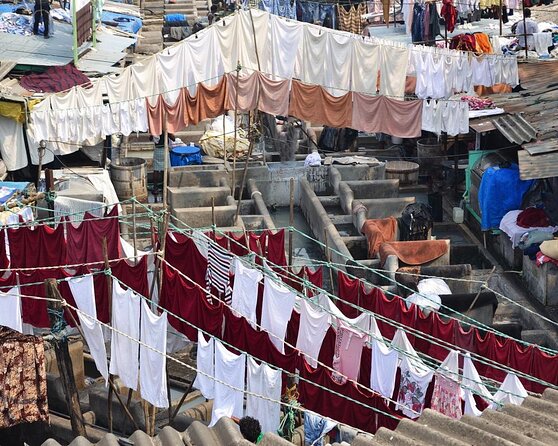
- Mahalaxmi Dhobi Ghat open-air laundry, where dhobis wash hotel linens in the same kind of workflow you’re seeing every day
- Dabbawala culture, explained through the lunch-delivery network people across the city rely on
- Local train transportation included, so you spend less time stuck in transit plans and more time watching real life
- Free admission for Dharavi and Dhobi Ghat, which keeps your budget tight and predictable
- Resident-style guiding, with small groups that make it easier to ask questions
Other Dharavi walks, guides named
Why This Mumbai Half-Day Feels Like a Real Working City

This tour is built like a chain of everyday systems. Dharavi shows the hustle behind small-scale industries. Dhobi Ghat shows an outdoor service economy that runs at a huge scale. Then the dabbawalas connect the dots with lunches delivered across Mumbai.
What makes it work is that you are not just looking at a place. You are seeing how people produce things, service customers, and keep schedules moving. In a city as big as Mumbai, that kind of stitched-together view is rare, and it helps you understand why the city functions the way it does.
The local-train part is also a big deal. It is not a token ride. It gets you onto a route shaped by daily commuters, and it gives you a better feel for distances, timing, and crowd logic than a car ride ever will.
Entering Dharavi’s Streets, Workshops, and Community Spaces
Your first stop is Dharavi, typically about 2 hours. This is where the tour does the most “seeing how it all fits together” work.
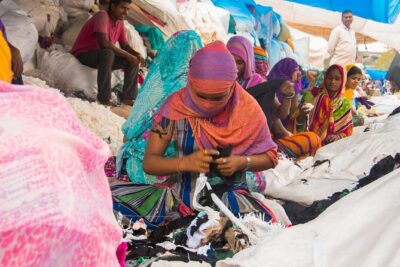
You will walk through a mix of alleyways and neighborhood areas where different trades run side-by-side. The highlights you should expect your guide to point out include leather industries, pottery, making soap, bakery work, color dye, and plastic recycling. You may also hear about other small manufacturing and service niches that keep jobs local and practical.
There’s also a sense of everyday community infrastructure. The tour route includes sights like schools and hospitals, plus houses and tight housing lanes. That matters because Dharavi is often simplified into one stereotype. On this walk, you get the more complicated reality, with daily life functioning in the same space as industry.
One fun, slightly surreal detail that your guide may mention is that part of Slumdog Millionaire was shot here. It does not change what you are seeing, but it helps explain why Dharavi has become world-famous while still being, at heart, a working neighborhood.
Practical consideration: Dharavi’s streets are not designed for tourist comfort. Plan to move slowly, keep your attention on your guide, and think of it more as a walking conversation than a scenic stroll.
Mahalaxmi Dhobi Ghat, Watching Laundry Turn Hotel Sheets Into Routine
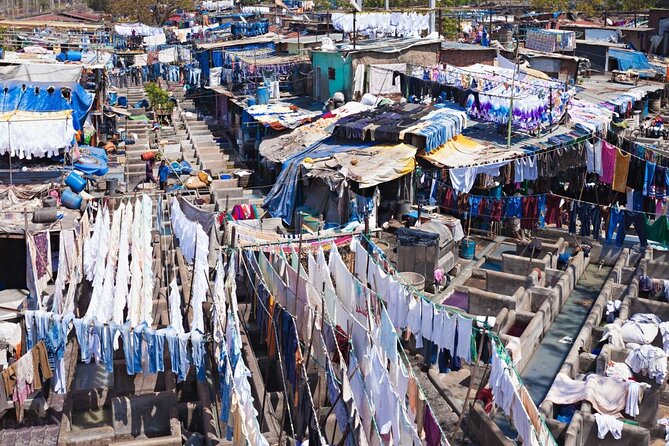
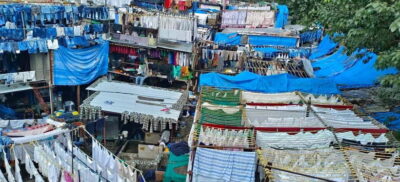
Next you head to Mahalaxmi Dhobi Ghat, usually about 1 hour. This is an open-air laundry area, where dhobis wash clothes in the open to serve hotels and other customers around Mumbai.
The most important thing to understand before you go is scale. Open-air or not, this is a working hub. You are looking at a system with routines, tools, and a constant flow of linens and garments. It feels almost like an industrial version of a public workspace, except everyone knows exactly what they are doing.
Because it is outdoors, your senses will do the heavy lifting. You will notice the process at close range, the way laundry moves through stages, and how the workspace stays active without pausing for visitors. That’s the real value here. Many tours talk about Mumbai. This one lets you watch a service industry at work.
A drawback to keep in mind: it can be hot, and depending on the day, it may get messy in the way real working spaces get. You will want to dress for practicality, not for pretty photos.
- Elephanta Caves & Island Guided Private Tour★ 5.0 · 1,327 reviews
- Private Guided Walking Tour in Fort & Colaba★ 5.0 · 895 reviews
- Mumbai: Street Food and Night Markets Tour★ 4.9 · 719 reviews
- Mumbai: Dharavi Slum, DhobiGhat, and Dabbawallas Tour★ 4.9 · 689 reviews
- Dharavi Slum Tour★ 5.0 · 625 reviews
Dabbawalas and the Lunch-Delivery System You See Across Mumbai
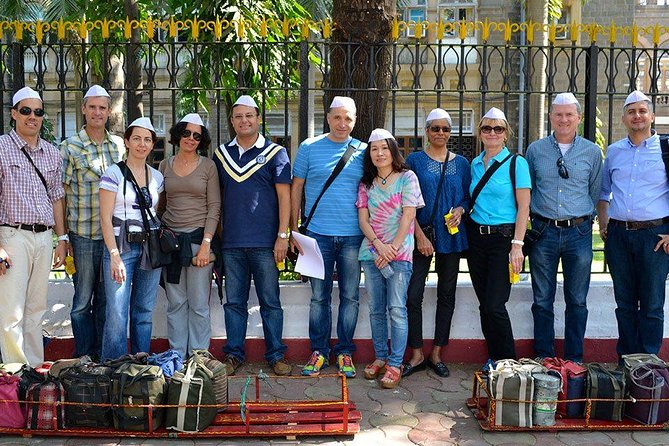
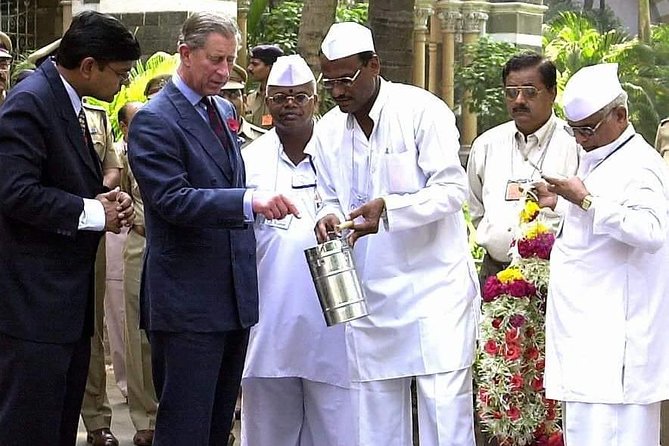
Your third stop is a Dabbawala tribute statue, about 1 hour. This is where the tour shifts from what gets made and washed to what gets delivered.
The dabbawalas are known across the city for delivering lunches, and the idea is simple but impressive: organized people transporting thousands of packed meals. The tour uses this stop as a launching point to explain how the delivery culture works and why it matters in daily life.
Even if you already know the basic story, a local guide helps you understand the human side: reliability, coordination, and the trust built into a daily rhythm. In a city where everything moves fast, this is one of the clearest examples of routine logistics.
Practical note: the statue stop is not a long museum-style lecture. It is more like a conversation anchor, so you can connect what you saw earlier in the day to a final piece of Mumbai’s workday puzzle.
The Local Train Ride, Your Shortcut to Mumbai’s Daily Tempo
A major included feature is transport by local train. The tour starts in Churchgate, at Maharshi Karve Rd, and then you connect to the train for part of the route so you can experience Mumbai’s commuter flow.
Why I like this approach for you: it teaches the city’s real geography. You feel how neighborhoods relate by movement and timing. You also avoid the trap of doing everything by car, where traffic and schedules can distort what distances actually feel like.
It also makes the day more fun. Even if you are nervous at first, the guide’s presence keeps it organized. You are not left to figure it out alone.
Small advice that tends to matter here: keep your phone accessible but use it lightly. This is a ride where watching people and listening for directions helps more than constant filming.
What It Costs, and Why the Value Makes Sense

The price is $35.79 per person for about 4 hours (approx.), with small groups up to 15, a professional guide, and local train transport included.
Is that cheap? It is not free, but for what you get, it is strong value. Here’s why:
- You get three distinct, high-interest stops tied to Mumbai’s daily economy.
- Transport by local train is included, which usually costs time and effort to arrange on your own.
- Admission is free for both Dharavi and Dhobi Ghat, so you are not hit with surprise fees.
- You are not rushing through with a large bus group, which means more questions and better pacing.
One more budget angle: food and drink are not included, so you should plan for water and a light snack either before or after. Reviews also often call out bringing extra water, and that is good practical sense in a warm, active walking day.
Who This Tour Is Best For (and Who Might Want Another Option)
This tour fits best if you want real Mumbai systems, not postcard sights.
It is especially good for:
- Travelers who like working neighborhoods and want context for how industries function
- People who enjoy guided walking with time to ask questions
- First-time visitors who want a concentrated taste of how Mumbai runs day to day
You might hesitate if:
- You prefer fully comfortable, low-walking experiences with minimal crowd contact
- You strongly dislike outdoor stops, since Dhobi Ghat is an open-air working laundry
- You need a slow, fully seated itinerary
The good news is that guides often work hard to keep groups safe and moving. You should still treat it as an active tour, with the mindset of a careful city walk.
How to Prepare So You Enjoy It More
Here’s the practical checklist I’d use before you show up at the meeting point, Maharshi Karve Rd in Churchgate.
Wear and pack:
- Comfy shoes with grip. You will be on uneven surfaces and tight lanes.
- Water. Hot weather can turn a walk into a slog fast.
- A light layer if you get sunburn fast. Even in shade, the outdoor laundry environment can feel intense.
- If you plan to take photos, ask your guide first and follow any local guidance. Working areas need respect.
Mindset:
- Think of this as a place with workers and residents, not a theme park.
- Expect questions about daily life, work, and how people organize their routines.
- If something feels uncomfortable, tell your guide. A sensitive, respectful tour runs on the guide’s ability to adapt.
If you do those basics, the day tends to land as memorable for the right reasons.
Guides Matter, and the Ones You May Get
A big part of why this experience works is the guide. Names you may run into include Rakesh and Abhishek, who are praised for clear explanations and for keeping the tour friendly and organized. Other guides you might see mentioned include Sagar, Dinesh, and Hardik, each noted for engaging delivery and good communication.
The key takeaway for you is not the name. It’s the skill set. You want a guide who can translate a working neighborhood into understandable pieces, without turning it into a spectacle. From the way these tours are run, that local guidance is a core value, not an extra.
Should You Book This Dharavi, Dhobi Ghat, and Dabbawala Tour?
I think you should book this tour if you want a short, focused way to understand Mumbai as a working city. Dharavi gives you industry context. Dhobi Ghat shows a large open-air service operation. The dabbawala stop connects the daily logistics behind lunch delivery across the city. Add a local train ride and you get movement, not just standing around.
Skip it, or consider a different day, if you want a slow, low-stress sightseeing itinerary or you really dislike outdoor working spaces.
If your goal is to learn how people earn, maintain routines, and keep services running in real neighborhoods, this is a strong choice. It is one of the most cost-effective ways to get beyond the surface of Mumbai in just a few hours.
FAQ
What is the duration of the tour?
It runs for about 4 hours (approx.).
How much does the tour cost?
It costs $35.79 per person.
Where does the tour start and where does it end?
It starts at Maharshi Karve Rd, Churchgate, Mumbai, Maharashtra. It ends at Sai Multispeciality Hospital & Research Centre area in Dharavi, behind Sion Hospital.
Is food included?
No. Food and drink are not included.
What’s included in the tour price?
You get a professional guide and transport by local train. You also receive a mobile ticket.
How big is the group?
The tour has a maximum of 15 travelers.
Are there admission fees at the stops?
Admission is listed as free for both Dharavi and Dhobi Ghat.
Can I cancel for a full refund?
Yes, free cancellation is available up to 24 hours in advance for a full refund. If you cancel less than 24 hours before, the amount is not refunded.
More Dharavi Walks with Local Guides





Recently reviewed across Mumbai
- Mumbai City Sightseeing Guided Tour on a Bicycle
★ 5.0 · 10 reviews - Mumbai Street Food & Beach Tour with 10+ Tastings
★ 5.0 · 10 reviews - Mumbai Market Tour & Maharashtrian Cooking Class with Chef Reshma
★ 4.5 · 10 reviews - Sailing Experience in Mumbai on Mid Size Yacht
★ 5.0 · 10 reviews - 3 Days Complete Mumbai Tour Inclusive of Bollywood Studio Experience
★ 5.0 · 10 reviews - Dharavi Slum Tour
★ 5.0 · 10 reviews
Dharavi and Mumbai Slum Tours, compared.
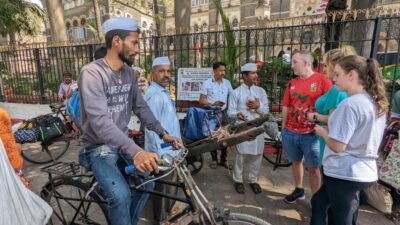 ★ 4.9Dharavi Slum, DhobiGhat, and Dabbawallas TourFrom $14689 reviews
 ★ 5.0Dharavi Slum TourFrom $20625 reviews
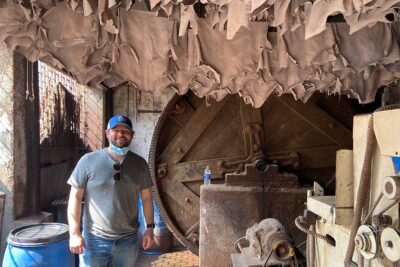 ★ 5.0Dharavi Slum tour in Mumbai by local residentFrom $4572 reviews
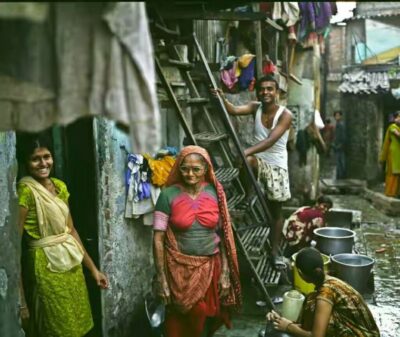 ★ 4.9Dharavi Slum Slumdog Millionaire Tour with a LocalFrom $10529 reviews
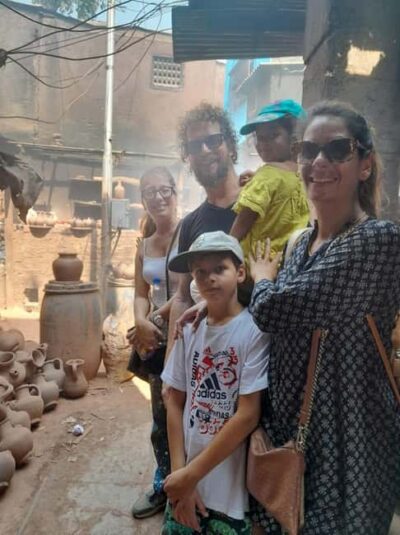 ★ 5.0Mumbai Slum Tour – Visit Dharavi Slum with Local GuideFrom $5509 reviews
 ★ 5.0Sanjay Colony Slum TourFrom $21498 reviews
 ★ 5.0Dhobi Ghat Laundry and Dharavi Slum Tour with LocalFrom $4469 reviews
 ★ 5.0New Delhi Slum Walking TourFrom $28360 reviews
Browse the lists this tour appears in