
REVIEW · DHARAVI AND MUMBAI SLUM TOURS
Dharavi Slum Tour
Dharavi feels like Mumbai in miniature. On this Dharavi slum tour, an English-speaking guide who lives in the area takes you through homes and work spaces where entrepreneurship and recycling are part of everyday life. You also get practical, human-scale context for one of Asia’s largest slum areas, without the usual tourist spin.
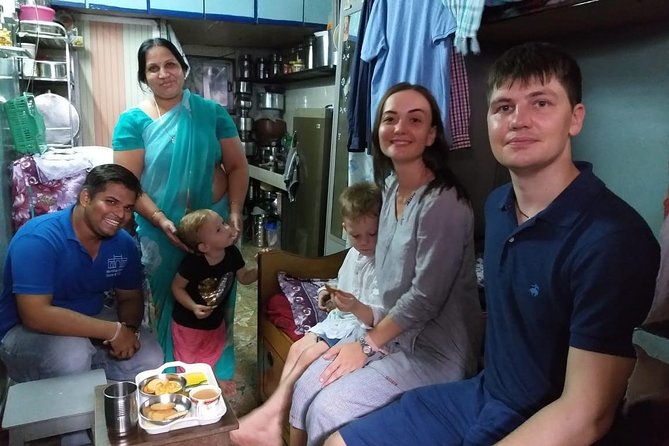
I like two things a lot: you spend time learning from residents in real local settings, and you get hands-on with pottery at a potter’s workshop. The tour also includes a vegetarian meal in a family home, which is about more than food, it is about seeing how people host visitors in their own rhythm.
One thing to keep in mind is that this is an active walking experience in close quarters, and it can get hot. Wear modest clothing and closed-toed shoes, and plan for sun and heat.
In This Review
- Key things to know before you go
- A Dharavi Tour That Feels Human, Not Spectacle
- Entering Dharavi: The Part Where Your Mind Changes Pace
- Local Homes and Businesses: Why This Is the Real Payoff
- Trying Pottery at the Potter’s Workshop
- The Vegetarian Family Meal: Hospitality You Can Feel
- Price and Time: Is This Good Value at About $13?
- Meeting Point, Finishing Up, and How to Get Around
- Clothing, Heat, and Respect: Your “Do This First” Checklist
- Who This Dharavi Slum Tour Is For
- The People Factor: Guides Who Actually Help You Understand
- Should You Book This Dharavi Slum Tour?
- FAQ
- How long is the Dharavi slum tour?
- What is included in the tour price?
- Do I need private transportation?
- Is there a mobile ticket?
- What should I wear?
- Where do I meet and where does the tour end?
- Can I cancel and get a full refund?
Key things to know before you go
- Resident, English-speaking guide: you’re guided by someone who lives in Dharavi and can explain daily routines and local business life.
- Small-group feel (max 20): easier conversation and less chaos than the big-bus style of sightseeing.
- Pottery workshop involvement: you try pottery yourself, not just watch.
- Vegetarian family home meal: you share a meal as part of the experience, not as an afterthought.
- Mobile ticket: simpler day-of entry, no paper ticket hunting.
- Flexible start times and private options: you can pick a time that fits your day, not the other way around.
Other Dharavi walks, guides named
A Dharavi Tour That Feels Human, Not Spectacle
Mumbai has skyscrapers and sea breezes on one side, and hard-packed neighborhoods on the other. Dharavi sits in the middle of that contrast. What makes this tour different is the lens: it is not framed as a sad stop. It is framed as a working community, where nearly one million people live and earn a living, with recycling and small-scale businesses driving daily life.
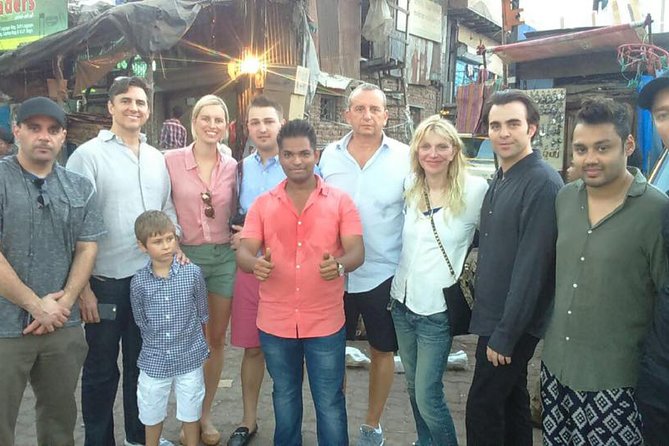
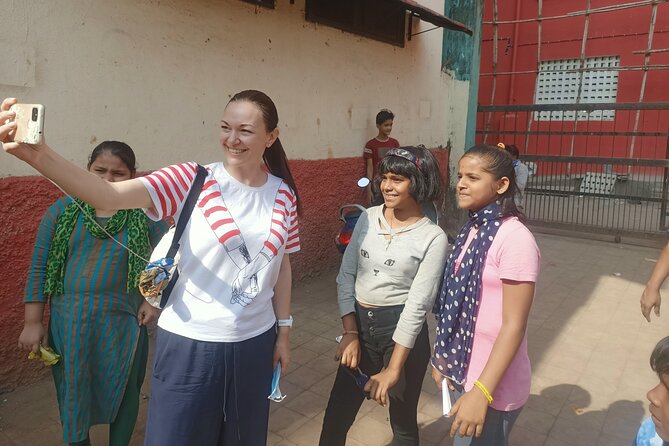
I especially liked that the guide is not a distant interpreter. The tour is led by an English-speaking guide who lives in the area, so you are not just getting facts, you are getting lived knowledge. In reviews, you can see the impact of that approach through names like Smith, Alkama, Rakesh, Hardik, and Dinesh, all mentioned as guides who stayed professional, answered questions, and helped people feel safe and un-rushed.
That matters for you because it changes what you notice. You start looking at how things work: how a home might also be a workplace, how materials move through recycling systems, and how local entrepreneurs build income in tight spaces. You also get an actual sense of boundaries and etiquette, which is crucial in a place where visitors can accidentally cause problems if they treat it like a stage.
Entering Dharavi: The Part Where Your Mind Changes Pace
The tour’s main experience is one focused Dharavi visit. It starts at Third Wave Coffee on Senapati Bapat Marg area of Mahim, then ends near Sai Multispeciality Hospital & Research Centre in Dharavi. The walk itself is the core event, because it is the only way you really understand scale, density, and the everyday flow of people.
From what the tour includes, expect to move through a mix of local homes and community businesses with your guide acting as the translator of daily life. This is where you learn the most useful details, because the guide can explain what you are seeing in context, and you can ask questions instead of just taking photos and leaving.
Here is what I think you should watch for as you go:
- How people reuse and repurpose materials as part of their work, especially recycling.
- How small businesses fit into ordinary life, like production, selling, and tools stored close to where people live.
- How conversations and explanations work when a resident is guiding you. The pace is usually slower and more respectful than typical sightseeing.
Also, the tour is capped at a maximum of 20 travelers. That cap helps a lot. You are less likely to get stretched out into a wandering line, and it is easier for your guide to manage questions without rushing everyone.
Local Homes and Businesses: Why This Is the Real Payoff
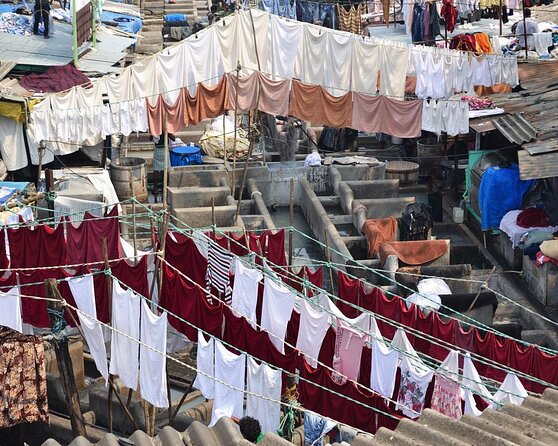
A lot of tours say they are about local culture, then spend the day at viewpoints. This one aims at the opposite. The tour includes time learning from residents at local homes and businesses, so you get a chance to see how work and home can blend.
I like this part because it forces you to slow down. In a place like Dharavi, you cannot treat streets like museum corridors. You will see everyday motion: people doing tasks, preparing items, and managing small business needs in small spaces. Your guide helps you read what you are seeing, so it does not turn into a confusing photo hunt.
There is also a respectful element built into how the tour is described and how guides are praised. Reviews consistently highlight feeling safe and not rushed. That makes a difference for you because you are more likely to ask questions, listen closely, and actually learn, instead of feeling like you are being shepherded through.
If you are the kind of traveler who wants a deeper story than what you see on a postcard, this is the core attraction. You are not just learning about Dharavi. You are learning how people build stability through work when resources are limited.
- Elephanta Caves & Island Guided Private Tour★ 5.0 · 1,327 reviews
- Private Guided Walking Tour in Fort & Colaba★ 5.0 · 895 reviews
- Mumbai: Street Food and Night Markets Tour★ 4.9 · 719 reviews
- Mumbai: Dharavi Slum, DhobiGhat, and Dabbawallas Tour★ 4.9 · 689 reviews
- Dharavi Slum Tour★ 5.0 · 625 reviews
Trying Pottery at the Potter’s Workshop
One of the most memorable parts of this tour is that you get to try pottery at a potter’s workshop. Even without fancy instructions spelled out here, hands-on making gives you a real connection to craft, tools, and process.
Why this matters for your experience: when you try to shape clay, you suddenly understand why techniques get passed down, why materials matter, and why small improvements can make a big difference. It turns Dharavi from a place you are observing into a place you are participating in, even briefly.
From the tour’s description, this is not a gimmick stop. It is included as part of the flow of the visit, after you have already spent time understanding the community. That order helps. You look at the workshop with more appreciation because you have already learned that entrepreneurship and production are central to how people make a living there.
Practical tip: closed-toed shoes are still important, and you might want to be ready for a messy hands moment. The tour includes bottled water, which helps when you mix walking with hands-on activities.
The Vegetarian Family Meal: Hospitality You Can Feel
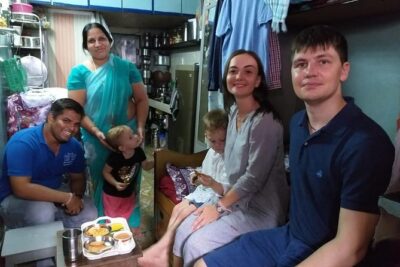
The tour includes dining on vegetarian fare in a family home. For me, this is one of the biggest value points, because meals are where travel stories go from sightseeing to real human contact.
Food matters for practical reasons too. It gives you a break in the middle of the experience and keeps the tour grounded. Instead of rushing from one stop to another, you get a moment to sit, eat, and absorb what you just learned about daily life.
I also think you should treat this part as a moment of respect. You are invited into someone’s space, even if it is for a planned tour segment. Ask questions politely, keep your posture and behavior calm, and focus on conversation rather than photographing every bite.
If you have dietary restrictions beyond vegetarian needs, the only safe statement here is that vegetarian fare is included. The tour data does not specify more detailed dietary accommodations, so it is worth checking with the operator when you book if you have strong needs.
Price and Time: Is This Good Value at About $13?
The price is listed at $13.42 per person, and the tour duration is about 2 hours. That is budget-friendly by Mumbai standards, especially because it is not just a street walk. You get an English-speaking guide (who lives in Dharavi), bottled water, a pottery workshop experience, and a vegetarian family meal.
To think about value, I look at three things:
- Length of the experience: about 2 hours keeps it from dragging, but gives enough time to learn more than a quick drive-by.
- What’s included: guide, bottled water, pottery practice, and a meal are meaningful additions.
- Group size control: max 20 travelers helps make the tour feel personal enough that you actually learn.
A possible tradeoff with tours at this price point is that it has to stay efficient. You are unlikely to have an hour-long sit-down for deep history lectures. Instead, you get a practical, on-the-ground understanding that hits the highlights: work life, local businesses, pottery, and a meal.
So yes, I think the price is fair for what you receive, as long as you are going in with the right expectations. This is an educational visit focused on lived reality, not a polished production with long sightseeing segments.
Meeting Point, Finishing Up, and How to Get Around
You meet at Third Wave Coffee, Tip Road, Unit no. 58, Ground, Ram Mahal, Senapati Bapat Marg, Marinagar Colony, Mahim, Mumbai, Maharashtra 400016. The tour ends at Sai Multispeciality Hospital & Research Centre, 90 Feet Rd, behind Sion Hospital, Dharavi, Mumbai, Maharashtra 400017.
The good news for your day planning is that the end location is described as easy for getting Uber cabs. You also have the advantage that the tour is near public transportation, which can matter if you are building a full Mumbai itinerary.
One more useful detail: the tour uses a mobile ticket, so you should expect to show your confirmation on your phone. That is usually less hassle than tracking printed vouchers in a busy city.
Clothing, Heat, and Respect: Your “Do This First” Checklist
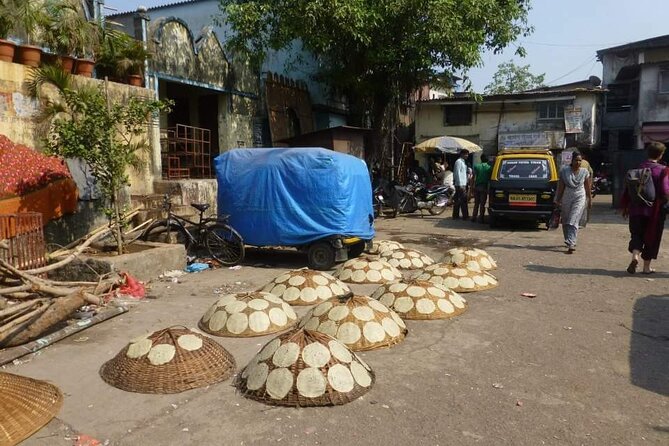
The tour asks for modest clothing and closed-toed shoes. For women, it specifically notes no sleeveless shirts, short shorts, or low tops. Even if that feels strict, it is practical. Dharavi walks can involve close movement and you will be glad you are covered and comfortable.
Also, plan for heat. One review explicitly points out that it can get hot and recommends staying hydrated and carrying a cap. You already receive bottled water, but bring your own sun protection anyway. This is a walking experience, not an indoor museum.
Finally, keep your behavior calm and respectful. You are learning from residents in their own community spaces. That means no intrusive filming, no sudden crowding around small workshops, and no treating the moment like a photo challenge. Let your guide set the pace.
Who This Dharavi Slum Tour Is For
This tour is a great fit if you:
- Want a resident-led view of Dharavi, not a one-size-fits-all poverty story.
- Like practical learning, where you ask questions and see work and daily life up close.
- Enjoy hands-on experiences like pottery rather than passive sightseeing.
- Appreciate that a vegetarian meal is part of the visit.
It may be less ideal if you want a classic itinerary with fixed landmarks, long scenic views, or lots of downtime. This is about human-scale interactions and walking through active areas.
The People Factor: Guides Who Actually Help You Understand
Some of the strongest praise in the available feedback centers on guides being kind, professional, safe, and knowledgeable in how they explain what you see. Specific names show up repeatedly: Smith, Alkama, Rakesh, Hardik, and Dinesh.
What I take from that for your planning is simple: you should come with questions. If you ask thoughtful questions, a good resident guide can translate the place into something you can understand quickly. You get the best version of this tour when you treat it like a conversation, not a clipboard task.
Should You Book This Dharavi Slum Tour?
I would book this if you want a short, focused experience that connects Dharavi to real work and real people. With an English-speaking resident guide, pottery practice, and a vegetarian family meal included in a 2-hour visit, the value feels strong for the money.
Book it if you’re comfortable walking, dressing modestly, and being respectful in a lived community. If heat is a concern, plan ahead with hydration and sun protection.
If you are the kind of traveler who needs big monument moments, wide open vistas, and lots of free time, this may not scratch that itch. But if you want a Mumbai experience that is direct, human, and actually teaches you how daily life functions, this Dharavi tour is a smart choice.
FAQ
How long is the Dharavi slum tour?
It runs for about 2 hours.
What is included in the tour price?
An English-speaking guide who lives in the area and bottled water are included, and the experience includes pottery at a potter’s workshop and a vegetarian meal in a family home.
Do I need private transportation?
No. Private transportation is not included.
Is there a mobile ticket?
Yes, the tour uses a mobile ticket.
What should I wear?
Wear modest clothing (no sleeveless shirts, short shorts, or low tops for women) and closed-toed shoes.
Where do I meet and where does the tour end?
You start at Third Wave Coffee, Tip Road, Unit no. 58, Ground, Ram Mahal, Senapati Bapat Marg, Marinagar Colony, Mahim, Mumbai. It ends at Sai Multispeciality Hospital & Research Centre, 90 Feet Rd, behind Sion Hospital, Dharavi.
Can I cancel and get a full refund?
Yes. You can cancel up to 24 hours in advance for a full refund. Canceling within 24 hours does not get a refund.
More Dharavi Walks with Local Guides





Recently reviewed across Mumbai
- Mumbai City Sightseeing Guided Tour on a Bicycle
★ 5.0 · 10 reviews - Mumbai Street Food & Beach Tour with 10+ Tastings
★ 5.0 · 10 reviews - Mumbai Market Tour & Maharashtrian Cooking Class with Chef Reshma
★ 4.5 · 10 reviews - Sailing Experience in Mumbai on Mid Size Yacht
★ 5.0 · 10 reviews - 3 Days Complete Mumbai Tour Inclusive of Bollywood Studio Experience
★ 5.0 · 10 reviews - Dharavi Slum Tour
★ 5.0 · 10 reviews
Dharavi and Mumbai Slum Tours, compared.
 ★ 4.9Dharavi Slum, DhobiGhat, and Dabbawallas TourFrom $14689 reviews
 ★ 5.0Dharavi Slum TourFrom $20625 reviews
 ★ 5.0Dharavi Slum tour in Mumbai by local residentFrom $4572 reviews
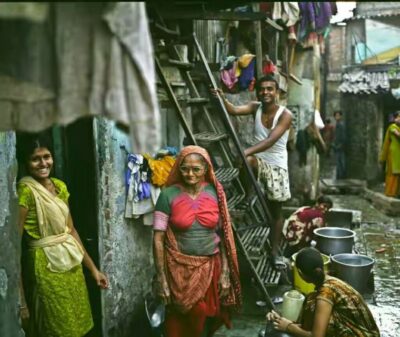 ★ 4.9Dharavi Slum Slumdog Millionaire Tour with a LocalFrom $10529 reviews
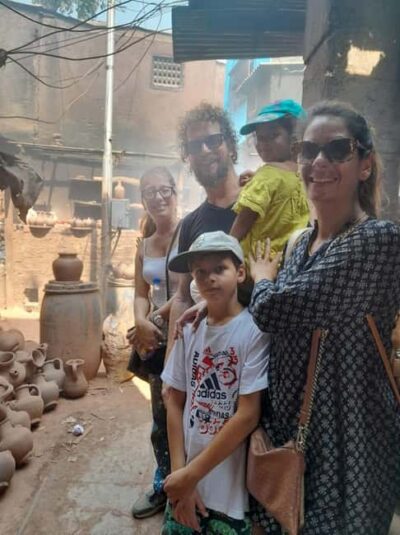 ★ 5.0Mumbai Slum Tour – Visit Dharavi Slum with Local GuideFrom $5509 reviews
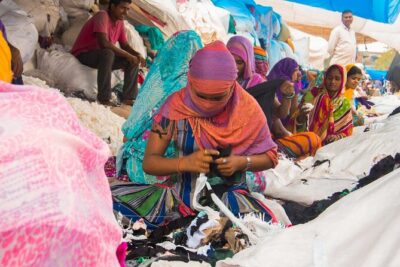 ★ 5.0Sanjay Colony Slum TourFrom $21498 reviews
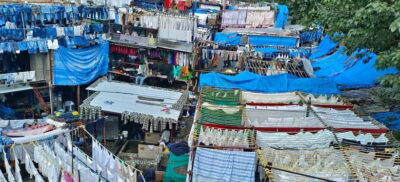 ★ 5.0Dhobi Ghat Laundry and Dharavi Slum Tour with LocalFrom $4469 reviews
 ★ 5.0New Delhi Slum Walking TourFrom $28360 reviews
Browse the lists this tour appears in