
REVIEW · DHARAVI AND MUMBAI SLUM TOURS
Dharavi Slum Tour
Dharavi tours can flip your assumptions fast. This 2-hour walk through Mumbai’s narrow alleys is designed to show the people, work, and daily momentum inside the neighborhood, not a misery show. I like how the tour framing pushes back on the usual pity-based idea, and I especially appreciate the focus on community spirit and practical livelihoods.
Two things I really value: the English-speaking local guide (so you can actually follow what you’re seeing), and the fact that the experience is planned carefully. In a helpful note from Mohamed and Shailinder, they guided people to the meeting point smoothly, which matters when you are trying to get your bearings in a big city like Mumbai. One consideration: the route is through tight lanes, and the tour asks for moderate physical fitness, so comfortable shoes are not optional.
In This Review
- Key Things I’d Pay Attention To
- Why This Dharavi Tour Feels Different Than You Expect
- Price and Value: What $20 Covers in Real Terms
- Meeting at Café Coffee Day, Then Getting Oriented Quickly
- The Two-Hour Walk: What Happens on the Ground
- Phase 1: Resetting Your Mental Script
- Phase 2: Seeing the Trades That Power Daily Life
- Phase 3: Schools and Churches, the Community Layer
- Small Group Size Helps You Ask Better Questions
- Who This Tour Suits Best
- Weather and Timing, and Why You Should Plan for Flexibility
- Getting the Most From the Experience
- Should You Book the Dharavi Slum Tour?
- FAQ
- Where is the tour meeting point?
- How long does the Dharavi Slum Tour last?
- How much does the tour cost?
- How many people are in each group?
- What’s included in the tour price?
- Is private transportation included?
- What happens if the weather is bad or I cancel?
Key Things I’d Pay Attention To
- The goal is to counter poverty tourism, with an emphasis on work and ambition
- English-speaking local guidance keeps the story clear as you walk
- Small groups (max 5) make it easier to ask questions and move at a human pace
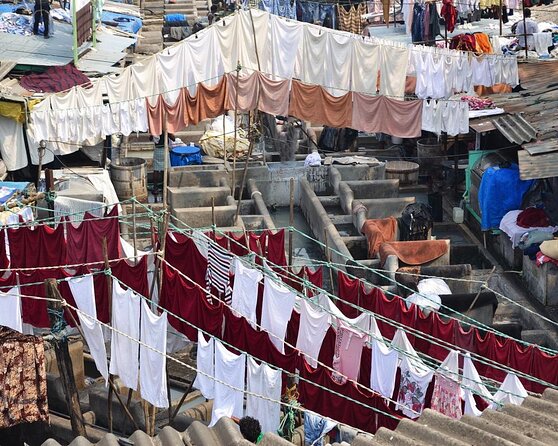
- You’ll see real trades, including plastic recycling, leather work, pottery, and soap production
- Community institutions show up too, including schools and churches
- Straightforward value for $20, especially with a mobile ticket and group options
Other Dharavi walks, guides named
Why This Dharavi Tour Feels Different Than You Expect
Dharavi became widely known after Slumdog Millionaire in 2008, and that movie left a strong imprint on the world’s imagination. This tour takes that fame head-on, then redirects you. You will not get a guided experience built around gawking at suffering. Instead, you’re shown what people manage to build and produce despite tough conditions.
That mindset shift changes everything. When a tour treats residents as people with skills, routines, and community life, your attention moves from shock to understanding. You start noticing practical details, like how different kinds of work are woven into everyday space. You also get a clearer sense of why Dharavi functions like a mini-city, not a blank spot on the map.
And I like the simple promise behind the walk: you should leave with fewer misconceptions. Even if you know Dharavi’s reputation already, you still come away with new context about how communities organize work, faith, and learning in the same tight geography.
Price and Value: What $20 Covers in Real Terms
The tour price is $20 per person, and that is what makes it an easy first step for many people. You’re paying for two key things: a guided explanation by an English-speaking local guide, and access to a route that is easier to understand with local context than wandering alone.
This isn’t just a walking ticket. Dharavi is dense, and the point of the tour is interpretation. Without a guide, it’s easy to reduce what you see to stereotypes. With the guide, the same sights can become a story about recycling systems, craft production, and community institutions.
A couple more value notes from the tour info:
- Group discounts may apply (so it can get even better if you book with others)
- You get a mobile ticket, which usually means less hassle once you’re on your phone and on the move
- The group size is limited to a maximum of 5 travelers, which usually helps the guide keep things personal
The one trade-off is that private transportation is not included, so you’re responsible for getting to the meeting point on your own.
Meeting at Café Coffee Day, Then Getting Oriented Quickly
The tour meets at Café Coffee Day, Unit No. 58, Ground Floor, Ram Mahal Building, Senapati Bapat Marg, T.P. Road, Station, Marinagar Colony, Navjivan Society, Mahim, Mumbai, Maharashtra 400016, India. It ends back at the same meeting point.
I like this setup because it’s predictable. You’re not trying to figure out an unfamiliar final stop. You return to the same place where you started, which makes planning your next meal, metro hop, or cab pickup simpler.
Also, the meeting point is near public transportation, which matters in Mumbai. If you are traveling there for the day, you can usually plug this 2-hour slot into your schedule without burning half your time just commuting.
One more practical detail: the tour is described as well planned, and guidance from Mohamed and Shailinder helped people arrive at the meeting point. That suggests the provider understands the reality that meeting points can be tricky in a large city.
- Elephanta Caves & Island Guided Private Tour★ 5.0 · 1,327 reviews
- Private Guided Walking Tour in Fort & Colaba★ 5.0 · 895 reviews
- Mumbai: Street Food and Night Markets Tour★ 4.9 · 719 reviews
- Mumbai: Dharavi Slum, DhobiGhat, and Dabbawallas Tour★ 4.9 · 689 reviews
- Dharavi Slum Tour★ 5.0 · 625 reviews
The Two-Hour Walk: What Happens on the Ground
This is about a 2-hour experience, give or take, focused on a guided tour through Dharavi’s narrow alleys. The pacing is part of the deal. These lanes are tight, and the “mini-city” feel comes from seeing how different forms of work and community life occupy the same compact spaces.
A good way to think about the walk is as an experience with three layers:
1) You get an expectation reset, so you know what the tour is trying to do
2) You move through work areas and observe trades people rely on
3) You see signs of community life, including schools and churches, so the neighborhood feels complete, not one-dimensional
There isn’t a long list of far-flung landmarks. The value is the clarity of the route and the guide’s explanations as you go, especially if Dharavi is unfamiliar to you or clouded by movie-inspired images.
Phase 1: Resetting Your Mental Script
Right out of the gate, the tour helps you avoid the wrong frame. If you walked in hoping for voyeuristic misery tourism, you’re likely to feel out of place. The tour’s whole point is to dispel that idea and replace it with something more accurate and more respectful.
That doesn’t mean everything is easy or perfect. It means the guide’s role is to help you understand how residents have built livelihoods and community systems under pressure. Your attention shifts from pity to comprehension.
Phase 2: Seeing the Trades That Power Daily Life
You’ll find a wide range of activity in Dharavi, including plastic recycling, leather work, pottery, and soap production. These categories are more than random facts. They show how multiple skill sets connect inside a working neighborhood.
Here’s why that matters for you as a visitor:
- You start recognizing the logic of production. Recycling isn’t just a slogan, it’s tied to materials, sorting, and repeatable processes.
- You see craft traditions and manufacturing routines. Leather work, pottery, and soap production point to both skill and demand.
- You realize this place runs on more than one type of income. When trades diversify, the community can be more resilient.
A tour like this can also help you notice how “work” and “life” overlap. In a dense urban setting, the spaces used for production may also be near where people learn, worship, and socialize. That is one reason the neighborhood feels like a mini-city rather than a single-purpose area.
One consideration: when you’re close to small-scale industry and daily activity, keep your expectations respectful. Move with care, ask before taking photos if needed, and remember you’re in someone’s working environment.
Phase 3: Schools and Churches, the Community Layer
The tour also includes schools and churches. That part is easy to overlook on casual visits, because people assume slums are only about hardship. But seeing schools and churches makes the neighborhood feel whole and ongoing.
From a visitor’s perspective, this layer helps you understand that Dharavi’s story is not only about survival. It’s also about education, faith, and community structure. Those institutions often shape how people plan for the future, even when resources are limited.
Small Group Size Helps You Ask Better Questions
This experience caps out at a maximum of 5 travelers. That matters more than it sounds. In a small group, the guide can slow down when something is unclear. You’re more likely to get explanations that match what you genuinely want to know.
It also tends to reduce the “herded along” feeling. Even with only 2 hours, you can still get real conversation time if the group stays small and engaged.
If you’re the type who likes to understand context rather than just snap photos, this format fits well.
Who This Tour Suits Best
This is a good match if you want an honest, interpretation-focused introduction to Dharavi. It is especially useful if you:
- Know Dharavi mostly from media and want a grounded picture
- Prefer guided context over reading about poverty from afar
- Want to learn about real trades like recycling, leather work, pottery, and soap production
- Are comfortable walking through narrow lanes and meeting new people
It’s also a smart choice for first-time Mumbai visitors who want one concentrated experience without a half-day of transit.
The tour requires moderate physical fitness. That’s mostly about moving through tight lanes and staying comfortable for a short walk, not about extreme climbing or anything like that.
Weather and Timing, and Why You Should Plan for Flexibility
The tour depends on good weather. If it’s canceled due to poor weather, you’ll be offered a different date or a full refund.
That’s important because this is a walking-focused experience through narrow lanes. Rain can change how safe and comfortable it feels on the ground, and it can affect visibility and route flow. If you’re booking near the monsoon period or you’re traveling with tight deadlines, build in a little flexibility.
Getting the Most From the Experience
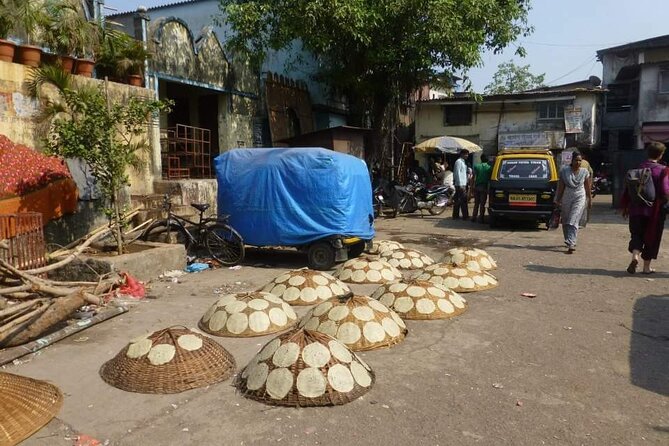
To get value from this tour, bring the right attitude. The goal is to learn and see how residents make, recycle, produce, and organize community life. If you go in expecting a spectacle, the experience will feel off.
Here’s how to approach it in a way that respects everyone involved:
- Ask questions about what you’re seeing, especially about the different trades like soap production or pottery
- Pay attention to how work and community spaces link together
- Keep your pace steady and your footwear comfortable
- Remember this is a working neighborhood, not an open-air museum
Also, consider the timing. The tour is commonly booked about 6 days in advance on average, which suggests it’s a popular slot. If you have specific dates in mind, don’t wait until the last minute.
Should You Book the Dharavi Slum Tour?
I think you should book this tour if you want a short, guided, respectful introduction to Dharavi that focuses on skills, work, and community life. For $20, you’re buying the guide’s explanation, the small-group format, and a route designed to challenge the usual misconceptions that get attached to Dharavi.
I would skip it if:
- You want a tour focused on famous sights and big landmark photos
- Tight walking routes are a problem for you, even with moderate fitness requirements
- You are only looking for sensational poverty imagery, because this experience is intentionally built to avoid that
If you’re curious and open-minded, this is a practical way to understand Dharavi beyond what movies and headlines leave you with.
FAQ
Where is the tour meeting point?
It meets at Café Coffee Day, Unit No. 58, Ground Floor, Ram Mahal Building, Senapati Bapat Marg, T.P. Road, Station, Marinagar Colony, Navjivan Society, Mahim, Mumbai, Maharashtra 400016, India.
How long does the Dharavi Slum Tour last?
It lasts about 2 hours (approx.).
How much does the tour cost?
The price is $20.00 per person.
How many people are in each group?
The tour/activity has a maximum of 5 travelers.
What’s included in the tour price?
The included item is an English speaking local guide.
Is private transportation included?
No. Private transportation is not included.
What happens if the weather is bad or I cancel?
The experience requires good weather. If it is canceled due to poor weather, you will be offered a different date or a full refund. You can also cancel for a full refund up to 24 hours in advance of the experience’s start time.
More Dharavi Walks with Local Guides





Recently reviewed across Mumbai
- Mumbai City Sightseeing Guided Tour on a Bicycle
★ 5.0 · 10 reviews - Mumbai Street Food & Beach Tour with 10+ Tastings
★ 5.0 · 10 reviews - Mumbai Market Tour & Maharashtrian Cooking Class with Chef Reshma
★ 4.5 · 10 reviews - Sailing Experience in Mumbai on Mid Size Yacht
★ 5.0 · 10 reviews - 3 Days Complete Mumbai Tour Inclusive of Bollywood Studio Experience
★ 5.0 · 10 reviews - Dharavi Slum Tour
★ 5.0 · 10 reviews
Dharavi and Mumbai Slum Tours, compared.
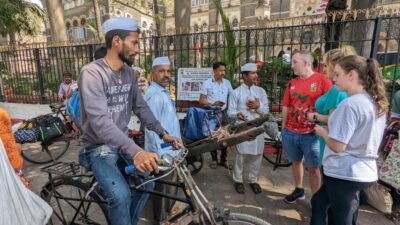 ★ 4.9Dharavi Slum, DhobiGhat, and Dabbawallas TourFrom $14689 reviews
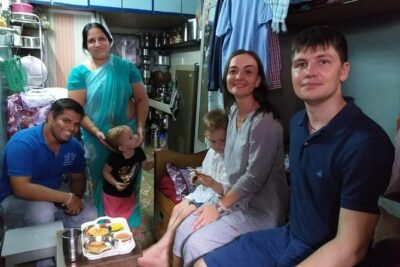 ★ 5.0Dharavi Slum TourFrom $20625 reviews
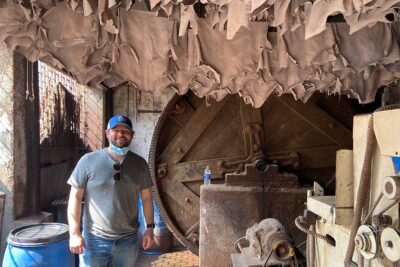 ★ 5.0Dharavi Slum tour in Mumbai by local residentFrom $4572 reviews
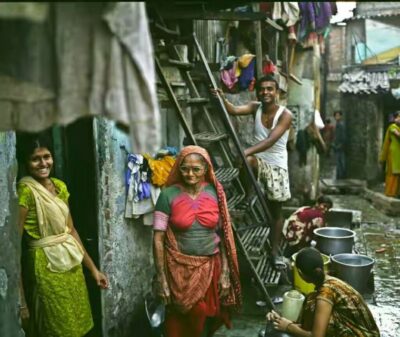 ★ 4.9Dharavi Slum Slumdog Millionaire Tour with a LocalFrom $10529 reviews
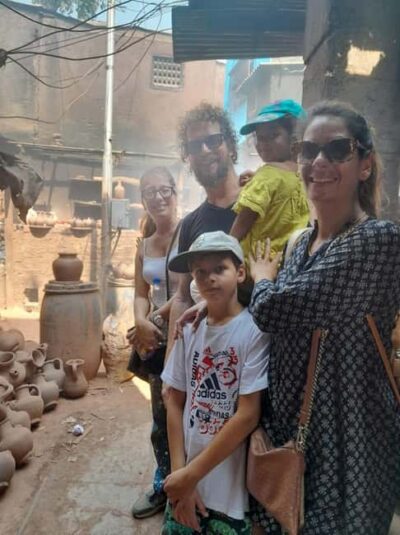 ★ 5.0Mumbai Slum Tour – Visit Dharavi Slum with Local GuideFrom $5509 reviews
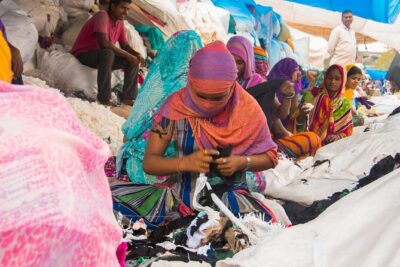 ★ 5.0Sanjay Colony Slum TourFrom $21498 reviews
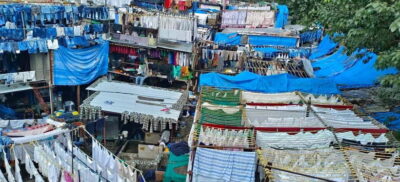 ★ 5.0Dhobi Ghat Laundry and Dharavi Slum Tour with LocalFrom $4469 reviews
 ★ 5.0New Delhi Slum Walking TourFrom $28360 reviews
Browse the lists this tour appears in