

REVIEW · DHARAVI AND MUMBAI SLUM TOURS
Dharavi Slum Walking Tour: Daily Life in Asia’s Largest Slum
A walk here shifts your assumptions fast. This Dharavi Slum Walking Tour is built around real daily routines and local industry, not generic shock value, so you leave with a clearer picture of how people live, work, and solve problems together. I especially like the way the tour connects homes and small businesses, and the fact that you also get time in Kumbharwada to see pottery work tied to long-running know-how.
One thing to consider: it’s a walking tour (about 2 to 2.5 hours) through tight neighborhood streets, so plan for moderate physical fitness and good weather.
In This Review
- Key highlights to look for
- Entering Dharavi from Third Wave Coffee, then changing gears fast
- The tour’s real goal: work, family life, and pride (not stereotypes)
- Stop 1: Dharavi street lanes, small industry, and everyday routines
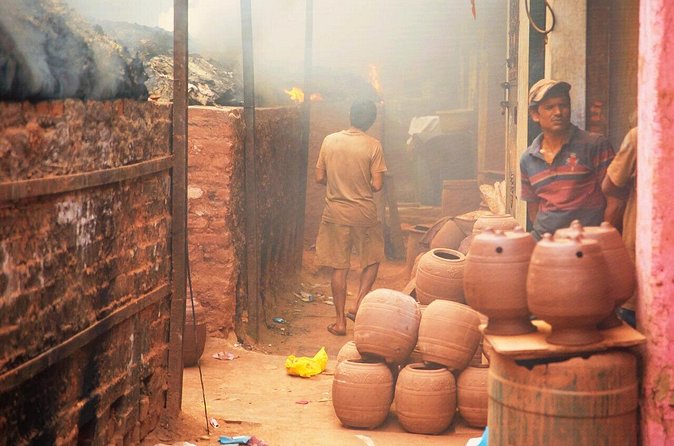
- Kumbharwada potters’ colony, where clay traditions still run the schedule
- Dhobi Ghat on the route, and why it adds another layer
- How the small group size changes the whole experience
- Timing, route flow, and planning your day in Mumbai
- Value check: $5.59 for 2 to 2.5 hours with a local guide
- Respectful curiosity: how to get the most out of this kind of visit
- What I’d recommend this tour for
- Should you book the Dharavi Slum Walking Tour?
- FAQ
- How long is the Dharavi Slum Walking Tour?
- What is the price for the tour?
- How big is the group?
- Where does the tour start?
- Where does the tour end?
- What places will we visit?
- What language is the guide fluent in?
- Is there a ticket, and what type is it?
- Does weather affect the tour?
Key highlights to look for
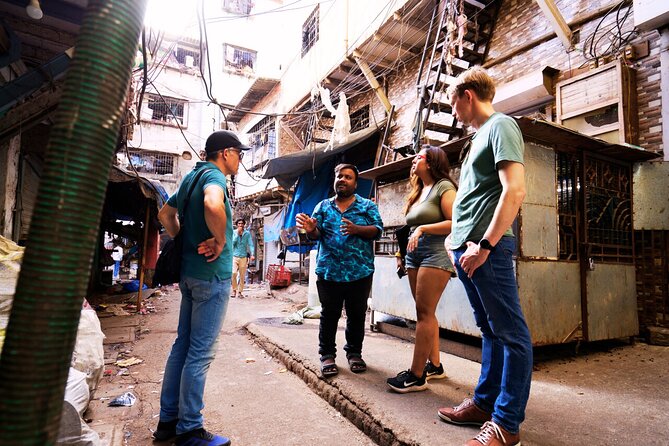
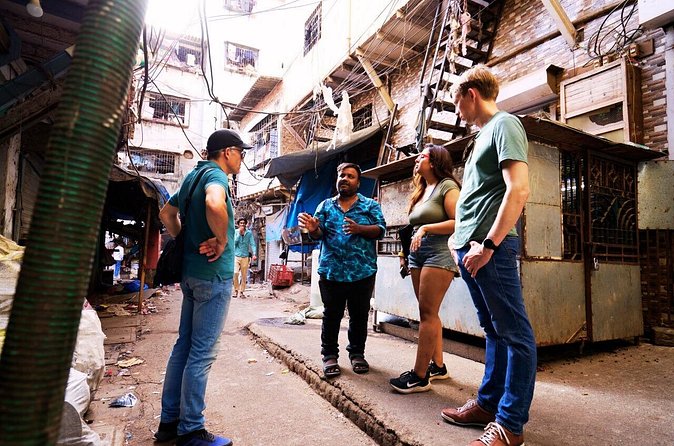
- Small group limit of 15 keeps the experience personal and question-friendly.
- Hindi and English speaking guide, often praised for clear explanations and easy back-and-forth.
- Kumbharwada potters’ colony gets you hands-on context about clay craft and everyday production.
- Dhobi Ghat stop adds another recognizable Dharavi landmark to the route.
- Third Wave Coffee start and a defined end point at Sunder Vilas, so you’re not guessing where to go.
Other Dharavi walks, guides named
Entering Dharavi from Third Wave Coffee, then changing gears fast
Dharavi gets described in extremes, but a guided walk helps you see the middle. The tour starts at Third Wave Coffee (Tip Road, Unit no. 58, Ground, Ram Mahal, Senapati Bapat Marg, Marinagar Colony, Mahim, Mumbai). From there, you step into an area that runs on a steady mix of work and community life. You’re not just looking at buildings. You’re seeing how a place functions when thousands of people share space and make things happen.
I like the start location because it feels grounded and easy to find with public transit nearby. Once the walk begins, the vibe shifts from café-starter Mumbai into close, on-the-ground street life, where small businesses and homes sit side by side.
The tour’s real goal: work, family life, and pride (not stereotypes)
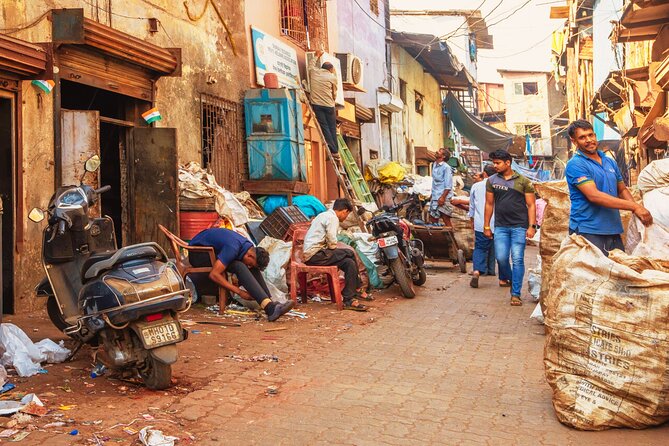
This tour is built around daily life, and that matters more than the headlines. You’ll get a guided look at what people do for a living, including recycling, leatherwork, pottery, food production, and textiles. Then you move into narrow residential lanes where you can see everyday scenes like children playing and families cooking, plus neighbors chatting from doorsteps.
That combination is the point. If you only see the industrial side, Dharavi can feel like a factory set. If you only see the residential side, it can feel like a uniform hardship story. This route tries to hold both in view, plus it includes the challenges people face and the pride they have in their homes. It’s a better framework for understanding a community that’s constantly working, adapting, and creating value.
One extra bonus: the guide experience is a major part of why people rate this so highly. In particular, the local insight is often credited to guides like Sufiyan, who is described as born and raised in the area and able to explain things clearly in good English. Another guide name that comes up in experiences is Bala, noted for bringing numbers and turning them into something you can actually feel and understand.
Stop 1: Dharavi street lanes, small industry, and everyday routines
At the start of the walk, your guide sets context and then begins linking what you see to how people live. The route takes you through the active industrial side first, where production is spread out in smaller pockets rather than one big factory. You’ll move past areas connected to recycling, leatherwork, pottery, food production, and textiles. Even without a technical background, you’ll notice patterns: work happens close to where people live, and the neighborhood includes the tools, materials, and relationships that keep things going.
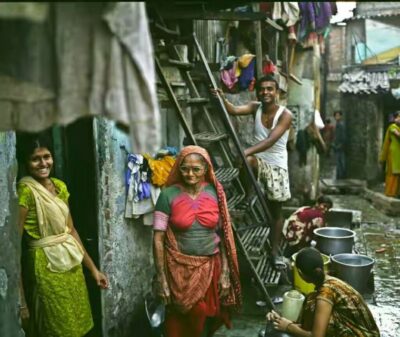
Then the tour changes tone. You wander into the narrow residential lanes where daily life looks familiar, even if the setting isn’t. You might catch kids playing, families cooking, and neighbors talking across doorways. The guide uses those moments to explain both challenges and community pride, which is where the stereotypes start to break down.
A practical note: this kind of walk is more about how a place operates than about ticking off monuments. If you’re hoping for big photo spots or scripted city views, you may feel restless. If you want a grounded, human-scale look at how Mumbai works on the street level, you’ll probably enjoy it.
- Elephanta Caves & Island Guided Private Tour★ 5.0 · 1,327 reviews
- Private Guided Walking Tour in Fort & Colaba★ 5.0 · 895 reviews
- Mumbai: Street Food and Night Markets Tour★ 4.9 · 719 reviews
- Mumbai: Dharavi Slum, DhobiGhat, and Dabbawallas Tour★ 4.9 · 689 reviews
- Dharavi Slum Tour★ 5.0 · 625 reviews
Kumbharwada potters’ colony, where clay traditions still run the schedule
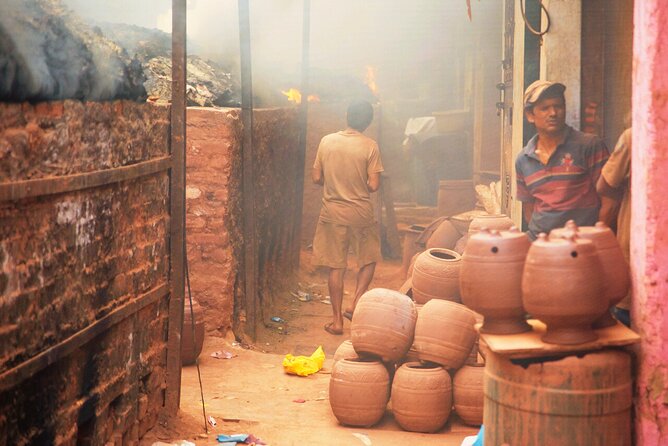
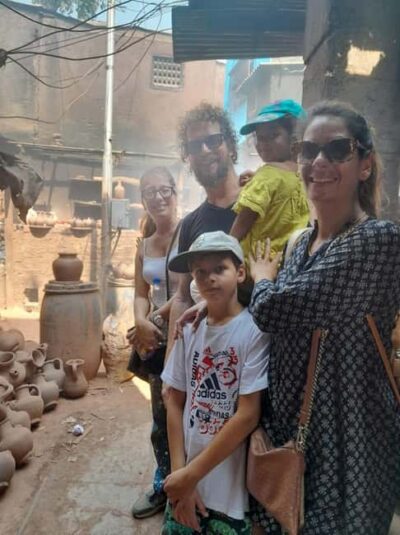
After the general Dharavi walk, you reach Kumbharwada, described as a historic potters’ colony. This is one of the stops that tends to leave people with the strongest sense of continuity, because the guide connects pottery work to traditions passed down through generations. You’re not just hearing that pottery exists. You’re seeing how it fits into the neighborhood’s day-to-day rhythm.
Kumbharwada is a good counterbalance to the industrial-recycling angle earlier in the tour. Recycling and other trades show how value gets created from materials. Pottery shows how value gets created from craft, time, and repetition. Together, they give you a fuller picture of the local economy, not just the loudest parts.
What to expect here: you’ll spend time watching artisans at work and hearing explanations from your guide about how the craft operates. The tour format keeps it conversational, with time for questions, which is one reason the experience gets praised so often for feeling safe, comfortable, and easy to follow.
Dhobi Ghat on the route, and why it adds another layer
The tour also includes a stop at Dhobi Ghat. The key value here is not that it’s another landmark to photograph, but that it helps round out what Dharavi looks like as a working neighborhood. Places like this are part of the daily infrastructure that makes life practical for residents.
Your guide will help you understand what’s going on there and how it fits into broader routines. Even if you know nothing about the area before you arrive, Dhobi Ghat gives you a concrete reference point, so the neighborhood stops feeling like one giant blur of streets.
How the small group size changes the whole experience

This is capped at 15 travelers, and that matters. With smaller groups, you get more of what you paid for: real conversation, less waiting, and clearer answers when you ask practical questions. It also helps keep the pace respectful, since you’re moving through active lanes where people are doing their jobs.
People also highlight that the guide makes the walk feel safe and comfortable. That makes sense with a local guide who knows how to explain what you’re seeing without rushing you. Guides are described as cheerful and attentive, and many comments mention how clearly they answer questions.
If you’re someone who gets confused on group tours because everyone moves at once, this small size can feel like relief. You get a better chance to keep up and actually process what you’re seeing.
Timing, route flow, and planning your day in Mumbai
The tour runs about 2 hours, with some versions stretching to around 2.5 hours. That’s a good length for this kind of experience. Long enough to see both industrial and residential parts. Short enough that you’re not cooked afterward.
It starts at Third Wave Coffee and ends at Sunder Vilas on 90 Feet Rd, Muslim Nagar, RP Nagar, Dharavi. Knowing the end point helps. You don’t want to get stuck near the finish line trying to guess how to get back to the rest of your day.
Because the tour requires good weather, check conditions before you commit. If it’s rained out, the experience may be offered on a different date or you can receive a full refund. That weather dependency is worth treating like a real planning variable, not a footnote.
You should also keep in mind the stated requirement of moderate physical fitness. This doesn’t mean you need to be an athlete, but you should expect a walking pace that works for most people with normal mobility.
Value check: $5.59 for 2 to 2.5 hours with a local guide

At $5.59 per person, this tour is priced low enough that it can feel almost too good to be true. The value comes from what’s included, not from shortcuts. You’re getting:
- a guided walking format that takes you through multiple parts of Dharavi,
- a local guide fluent in Hindi and English,
- key stops including Kumbharwada and Dhobi Ghat,
- and a small-group experience.
A low price can sometimes mean the guide is rushed or the content is thin. That’s not the story here. The consistent praise focuses on guide clarity, safety, and the sense of learning real things you wouldn’t pick up on your own. When a tour is this cheap but still has strong guide feedback, it often means you’re paying for access and interpretation, not for a luxury production.
One more value factor: it uses a mobile ticket and confirmation at booking time, which keeps things simple once you’re ready to go.
Respectful curiosity: how to get the most out of this kind of visit
This tour is designed as a personal and respectful experience, and you’ll feel that in the pace and the way the guide frames stories and challenges. Your best move is to come with curiosity, not with a checklist mindset.
A big part of getting value is the conversation. The guides are repeatedly described as answering questions and explaining clearly. If you ask things like how work fits into the neighborhood, or how residents describe both hardship and pride, you’ll likely get better answers than if you stay silent.
Also, remember that this is not a staged attraction. People live and work here. If you treat it like a real neighborhood visit, your experience will feel more human and less performative.
What I’d recommend this tour for
This is a strong fit if you:
- want to understand Dharavi beyond myths,
- like small-group, conversation-led tours,
- enjoy learning about how work and daily life connect,
- and prefer practical city learning over monument hopping.
It may be less ideal if you want a more traditional sightseeing route with wide views and fixed stops. This is a street-level experience. The pay-off is understanding how a community runs.
Should you book the Dharavi Slum Walking Tour?
Yes, if your goal is to see Dharavi as a functioning neighborhood where people create jobs, build community, and carry pride alongside challenges. The strongest reason to book is the guide-led quality, especially the way Sufiyan is described as local, clear in English, and able to answer questions in a way that feels safe and comfortable. The second reason is the balance in the route, industrial trades paired with residential lanes, plus stops like Kumbharwada and Dhobi Ghat.
Book it with one caveat: plan around walking time and weather. If the forecast is bad, be ready for rescheduling or a refund offer. If you’re good with that, you’re in for a tour that teaches you how a place works, not just what it looks like.
FAQ
How long is the Dharavi Slum Walking Tour?
It lasts about 2 hours, with an approximate range of 2 to 2.5 hours of guided exploration.
What is the price for the tour?
The price is $5.59 per person.
How big is the group?
The tour has a maximum of 15 travelers.
Where does the tour start?
You meet your guide at Third Wave Coffee, Tip Road, Unit no. 58, Ground, Ram Mahal, Senapati Bapat Marg, Marinagar Colony, Station, Mahim, Mumbai, Maharashtra 400016, India.
Where does the tour end?
The tour ends at Sunder Vilas, 90 Feet Rd, Muslim Nagar, RP Nagar, Dharavi, Mumbai, Maharashtra 400017, India.
What places will we visit?
Key sites include Kumbharwada and Dhobi Ghat.
What language is the guide fluent in?
The guide is fluent in Hindi and English.
Is there a ticket, and what type is it?
You receive a mobile ticket.
Does weather affect the tour?
Yes. The experience requires good weather. If it is canceled due to poor weather, you will be offered a different date or a full refund.
More Dharavi Walks with Local Guides





Recently reviewed across Mumbai
- Mumbai City Sightseeing Guided Tour on a Bicycle
★ 5.0 · 10 reviews - Mumbai Street Food & Beach Tour with 10+ Tastings
★ 5.0 · 10 reviews - Mumbai Market Tour & Maharashtrian Cooking Class with Chef Reshma
★ 4.5 · 10 reviews - Sailing Experience in Mumbai on Mid Size Yacht
★ 5.0 · 10 reviews - 3 Days Complete Mumbai Tour Inclusive of Bollywood Studio Experience
★ 5.0 · 10 reviews - Dharavi Slum Tour
★ 5.0 · 10 reviews
Dharavi and Mumbai Slum Tours, compared.
 ★ 4.9Dharavi Slum, DhobiGhat, and Dabbawallas TourFrom $14689 reviews
 ★ 5.0Dharavi Slum TourFrom $20625 reviews
 ★ 5.0Dharavi Slum tour in Mumbai by local residentFrom $4572 reviews
 ★ 4.9Dharavi Slum Slumdog Millionaire Tour with a LocalFrom $10529 reviews
 ★ 5.0Mumbai Slum Tour – Visit Dharavi Slum with Local GuideFrom $5509 reviews
 ★ 5.0Sanjay Colony Slum TourFrom $21498 reviews
 ★ 5.0Dhobi Ghat Laundry and Dharavi Slum Tour with LocalFrom $4469 reviews
 ★ 5.0New Delhi Slum Walking TourFrom $28360 reviews
Browse the lists this tour appears in