
REVIEW · DHARAVI AND MUMBAI SLUM TOURS
Dharavi Tour & Pottery Workshop
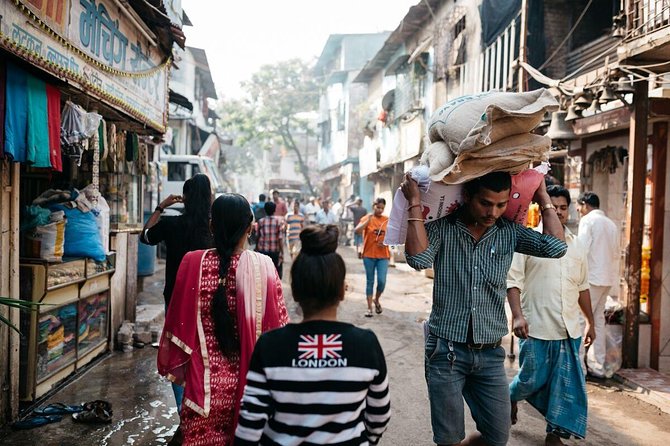
Dharavi is Mumbai you can actually feel. This guided walking tour puts you in the everyday economy of Dharavi, from hands-on-style trades to colorful street life, with a local English-speaking guide and bottled water so you can stay focused on what you’re seeing.
The big reason I like it is that it’s practical. You get safe structure for an area most visitors struggle to access on their own, plus a clear, 3-hour flow that doesn’t drag. The one drawback to plan around is the walking, so bring sturdy shoes and expect tight, busy lanes.
In This Review
- Key highlights you’ll feel fast
- Entering Dharavi with a guide, not a checklist
- Meeting at Mahim Junction, and what to expect on your feet
- Stop 1 in Dharavi: workshops, trades, and the everyday economy
- Pottery-making, soap, and recycling: how to look without getting overwhelmed
- The street art and places of worship you’ll notice on the route
- Stop 2 at Reality Tours and Travel (Dharavi): a quick reality check
- Price and value: why $29.09 can make sense here
- Who this Dharavi tour is best for, and who should rethink it
- Practical tips to make your 3-hour walk feel smooth
- Should you book the Dharavi Tour & Pottery Workshop?
- FAQ
- How long is the Dharavi Tour & Pottery Workshop?
- Where do I meet for the tour?
- How much does the tour cost?
- What is included in the price?
- What about admission fees for the stops?
- Is there a bottled water or drink provided?
- How big is the group?
- Is the tour suitable for most people?
- What is the cancellation policy?
- Will the guide help with transport after the tour?
Key highlights you’ll feel fast
- Mahim Junction Railway Station start keeps the logistics simple and keeps you on the move
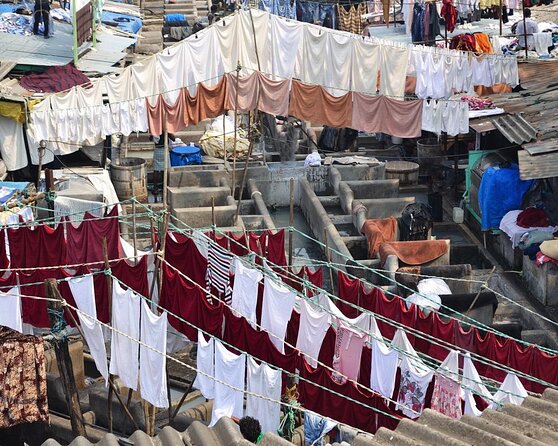
- Real workshops in Dharavi show trades like pottery-making, soap production, recycling, and more
- Street art plus religion side by side includes murals and temples, mosques, churches, and pagodas in one area
- A short stop at Reality Tours and Travel (Dharavi) with a soft drink and a look at community reinvestment
- Small-group feel with a maximum of 25 people and enough time to ask questions
Other Dharavi walks, guides named
Entering Dharavi with a guide, not a checklist
Dharavi can sound intimidating, even when you’re curious. This tour works because it’s built for real movement, not sightseeing-from-a-distance. You’re meeting at Mahim Junction Railway Station, then walking through a part of Mumbai that most people only hear about, but rarely understand on foot.
What I appreciate right away is the tour’s focus on ordinary business and ordinary people. You’ll see how a lot of activity is powered by work that’s creative, practical, and constantly adapting to difficult conditions. And you get an English-speaking guide who can translate what you’re seeing into context you can use later.
One more thing that matters for value: the tour is only about 3 hours, so you can fit it into a busy Mumbai schedule. At this price point, that short time window is part of what makes it feel fair. You’re paying for access plus interpretation, not for a long day that eats your energy.
The other plus is the way it’s run. It’s consistently rated 5 out of 5, with 58 reviews, and the strongest praise is about how informative the guide is and how well she answers questions. That combination is rare: it’s not just a route, it’s a conversation.
Meeting at Mahim Junction, and what to expect on your feet
You start and end at Mahim Junction Railway Station. That means you’re not hunting across the city for a mystery pickup point. It’s also a smart choice because it anchors you near public transportation, so after the tour you’re not stuck.
Come prepared for walking. This is clearly a walking experience, and you’ll be moving through workshop areas and residential streets. You’ll want comfortable shoes first, not second. Your body will notice if you show up in anything flimsy.
Hydration is handled for you: bottled water is provided while you walk, and there’s also water or a cold drink included overall. That matters in Mumbai heat. It also lets you spend your attention on the tour instead of spending time buying things.
There’s also a helpful end-of-tour detail. After you return, your guide will help with transport options, like getting a taxi to wherever you want to go next. That’s not a headline feature, but it makes a difference if you don’t want to scramble at the finish.
Stop 1 in Dharavi: workshops, trades, and the everyday economy
Most of your time is spent at Dharavi, with about 2 hours 30 minutes for this first stop. Dharavi is often described as one of Asia’s largest slum areas, but the tour frames it differently. The message is that Dharavi is a beating heart of work and community, not just a headline.
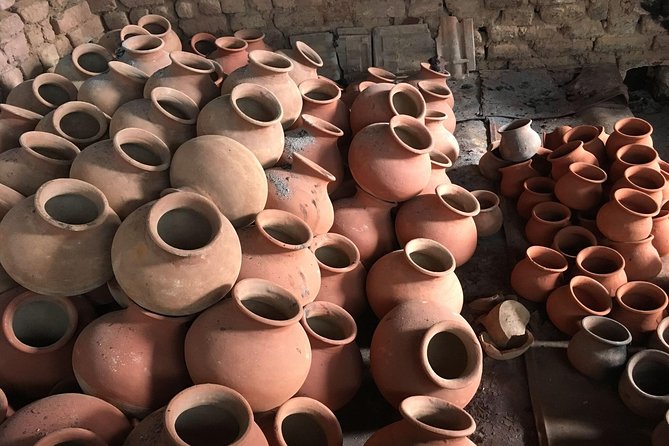
You’ll move through a mix of activities that are practical and hands-on in spirit. The tour includes a range of innovative businesses such as:
- Recycling
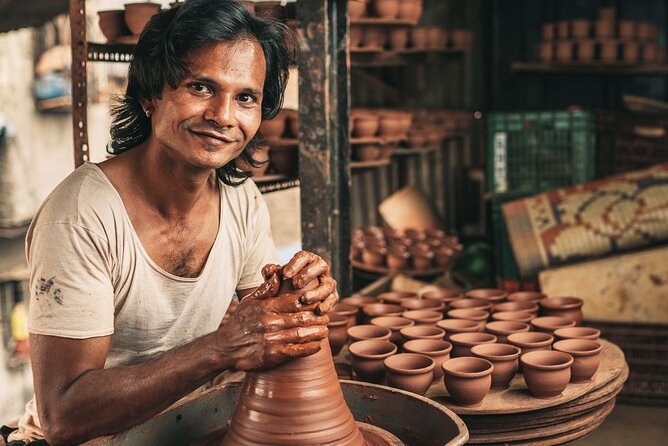
- Pottery-making
- Embroidery
- Bakery
- Soap factory
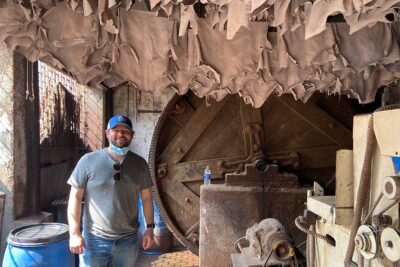
- Leather tanning
- Poppadom-making
- Plus more small trades along the route
The value here is not that you check off a list. It’s that you learn what these businesses do in the flow of daily life. In a place like this, work is interconnected. Materials move from one step to another, and products pass through multiple hands before they reach customers. Seeing multiple trades in one tour gives you a quick map of the local economy.
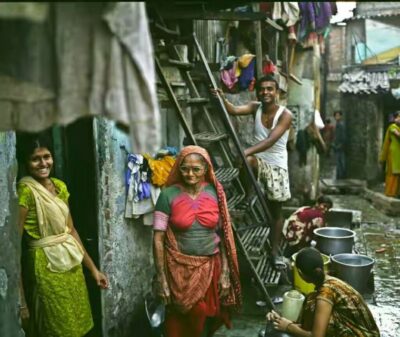
You also get a look at residential areas, which changes the feel of the visit. The tour doesn’t only show you industry. You’ll notice street life, community rhythms, and how people live close to where work happens.
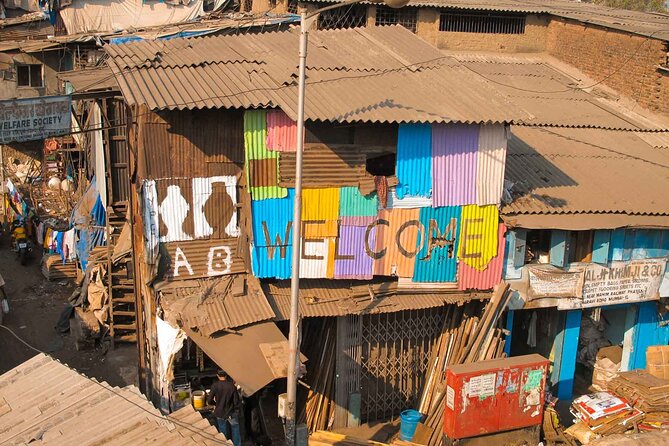
One standout aspect for me is the way the tour highlights colorful street art and the mix of religious spaces. Dharavi is described as a microcosm of India, and the tour points out how murals sit beside temples, mosques, churches, and pagodas. Even if you’re not a street art specialist, you’ll probably feel the message: this isn’t one single culture pasted onto one single building. It’s a layered place.
- Elephanta Caves & Island Guided Private Tour★ 5.0 · 1,327 reviews
- Private Guided Walking Tour in Fort & Colaba★ 5.0 · 895 reviews
- Mumbai: Street Food and Night Markets Tour★ 4.9 · 719 reviews
- Mumbai: Dharavi Slum, DhobiGhat, and Dabbawallas Tour★ 4.9 · 689 reviews
- Dharavi Slum Tour★ 5.0 · 625 reviews
Pottery-making, soap, and recycling: how to look without getting overwhelmed
Because the stop includes pottery-making plus several other trades, you might wonder what the best way to experience it is. I’d treat this like a learning walk, not a photo walk.
Here’s what I think is useful to pay attention to, based on the trades listed for Dharavi:
- How pottery-making fits into the broader workshop pattern, rather than being the only highlight
- Where a soap factory sits in the chain of local supply and distribution
- How recycling connects to many of the other production steps you see nearby
- The way different trades share space, time, and materials in tight conditions
The tour is designed so you can ask questions as you go. That’s where the guide really earns the price. For example, if you’re curious how something like recycling becomes usable raw material, ask. If you want to understand what customers might be nearby or downstream, ask. The consistent review praise about Q and A isn’t random. It’s a big part of how the experience turns into understanding.
Also, don’t ignore the residential part. Seeing the religious sites and street murals in the same visit helps you avoid a one-note impression. You’re not only learning about production. You’re learning about people, and how different parts of life coexist.
The street art and places of worship you’ll notice on the route
In Dharavi, the tour’s focus on murals and religious sites changes the tone from industry to community. You’ll see colorful street art that adds personality to the built environment, and you’ll also spot temples, mosques, churches, and pagodas standing side by side.
This isn’t just scenery. It helps you understand that Dharavi isn’t only defined by work. It’s also defined by identity, faith, and daily routine.
If you care about cultural context, this section is where the tour can surprise you in a good way. You walk through the same general area and realize it carries multiple layers at once. That is the key idea behind calling Dharavi a microcosm of India during the tour.
And because it’s guided, you’re less likely to miss the meaning. When you see the mixture of spaces, you want someone to interpret what you’re seeing. That’s exactly what this kind of tour is built to do.
Stop 2 at Reality Tours and Travel (Dharavi): a quick reality check
After about 2 hours 30 minutes at Dharavi, you’ll reach the second stop: Reality Tours and Travel (Dharavi). This segment is short, around 20 minutes, but it adds an important layer.
You’ll be offered a soft drink, and you’ll learn how funds are re-invested back into the community. Even in a small time window, this matters. It takes the tour from being only a viewing experience and adds a question of impact. You can think about where money goes after the tour fee, and how the program ties back into the neighborhood.
I also like that it’s not overly long. Some tours tack on an info session that feels like a hard sell. Here, the stop reads more like a grounded update. You get a breather, a drink, and a bit of clarity.
Price and value: why $29.09 can make sense here
At $29.09 per person for about 3 hours, this isn’t priced like a luxury experience. It’s priced like an access and interpretation experience.
The value equation looks like this:
- You get a local English-speaking guide
- You get water or a cold drink, including bottled water during the walking portion
- You get structured access to an area many visitors find difficult to visit independently
- The group size is capped at 25, which helps keep the experience from becoming chaotic
There’s also a “real world” logistics advantage built into the tour format. It’s near public transportation and you meet at a station, so you’re not paying extra time to get oriented.
If you want to plan well, note that this tour is often booked about 9 days in advance on average. That doesn’t mean it will sell out instantly every time, but it does suggest you’ll have an easier time locking in a slot if you reserve earlier rather than later.
Who this Dharavi tour is best for, and who should rethink it
This tour is a strong fit if you want:
- A walking tour experience that gets you close to daily life
- A guided explanation of workshops and community spaces
- A time-friendly outing that stays around 3 hours
- A group format that still gives you chances to ask questions
It also says most travelers can participate. That’s a clue that it’s not built for a narrow niche of travelers. Still, use common sense. If walking through active neighborhoods is not your thing, or if you’re not comfortable with crowds and close quarters, you might find it stressful.
And if you were hoping for a pottery hands-on class, here’s the honest expectation: the tour includes pottery-making as part of what you’ll see. The provided details don’t promise that you’ll get to make pottery yourself. Think of it as seeing the craft in context, not learning the craft from scratch.
Practical tips to make your 3-hour walk feel smooth
You’ll have a better time if you show up prepared for movement and questions.
First, wear shoes that can handle uneven, crowded areas. The tour explicitly tells you to do it, and that advice is more than polite. Your footing affects everything from comfort to attention.
Second, plan around hydration. Since bottled water is provided while walking and water or a cold drink is included, you can keep moving instead of pausing to find supplies.
Third, go in ready to talk. The tour works best when you ask questions. The guide’s ability to answer questions is highlighted in the strongest feedback, so treat it like a guided conversation rather than a quiet lecture.
Finally, give yourself buffer time around the start at Mahim Junction. Trains can be fast, but getting to the right meeting spot and getting organized still takes a few minutes.
Should you book the Dharavi Tour & Pottery Workshop?
I’d book it if you want an honest, guided look at Dharavi that mixes workshops, street art, and community life in about 3 hours. The pricing feels aligned with what you get: English guidance, hydration, and access that would be hard to replicate solo.
I’d skip it if you hate walking, if you expect a museum-style experience, or if you only want hands-on pottery making. This is about seeing how trades like pottery-making, soap production, recycling, and other crafts fit into daily life, plus understanding the neighborhood’s cultural mix.
One last reason to lean yes: the experience has a very strong track record, a 5/5 rating across 58 reviews, and the repeated theme is that the guide is informative and answers questions well. If that matters to you, this tour is a safe bet.
FAQ
How long is the Dharavi Tour & Pottery Workshop?
The tour duration is approximately 3 hours, with about 2 hours 30 minutes at Dharavi and about 20 minutes at Reality Tours and Travel (Dharavi).
Where do I meet for the tour?
You meet at Mahim Junction Railway Station in Mumbai, Maharashtra. The tour also ends there.
How much does the tour cost?
The price is $29.09 per person.
What is included in the price?
It includes a local English-speaking guide and water or a cold drink.
What about admission fees for the stops?
The itinerary lists admission ticket free for both the Dharavi stop and the Reality Tours and Travel (Dharavi) stop.
Is there a bottled water or drink provided?
Yes. Bottled water is provided while you walk, and you are also provided a cold drink, with a soft drink at the Reality Tours and Travel stop.
How big is the group?
The maximum group size is 25 travelers.
Is the tour suitable for most people?
The tour says most travelers can participate.
What is the cancellation policy?
Free cancellation is available up to 24 hours in advance for a full refund. If you cancel less than 24 hours before the start time, there is no refund.
Will the guide help with transport after the tour?
Yes. At the end of the tour, your guide will help you with transport options such as a taxi to wherever you want to go next.
More Dharavi Walks with Local Guides





Recently reviewed across Mumbai
- Mumbai City Sightseeing Guided Tour on a Bicycle
★ 5.0 · 10 reviews - Mumbai Street Food & Beach Tour with 10+ Tastings
★ 5.0 · 10 reviews - Mumbai Market Tour & Maharashtrian Cooking Class with Chef Reshma
★ 4.5 · 10 reviews - Sailing Experience in Mumbai on Mid Size Yacht
★ 5.0 · 10 reviews - 3 Days Complete Mumbai Tour Inclusive of Bollywood Studio Experience
★ 5.0 · 10 reviews - Dharavi Slum Tour
★ 5.0 · 10 reviews
Dharavi and Mumbai Slum Tours, compared.
 ★ 4.9Dharavi Slum, DhobiGhat, and Dabbawallas TourFrom $14689 reviews
 ★ 5.0Dharavi Slum TourFrom $20625 reviews
 ★ 5.0Dharavi Slum tour in Mumbai by local residentFrom $4572 reviews
 ★ 4.9Dharavi Slum Slumdog Millionaire Tour with a LocalFrom $10529 reviews
 ★ 5.0Mumbai Slum Tour – Visit Dharavi Slum with Local GuideFrom $5509 reviews
 ★ 5.0Sanjay Colony Slum TourFrom $21498 reviews
 ★ 5.0Dhobi Ghat Laundry and Dharavi Slum Tour with LocalFrom $4469 reviews
 ★ 5.0New Delhi Slum Walking TourFrom $28360 reviews
Browse the lists this tour appears in