
REVIEW · DHARAVI AND MUMBAI SLUM TOURS
Dhobi Ghat (Open Air Laundry) with Dharavi Slum Guided Tour
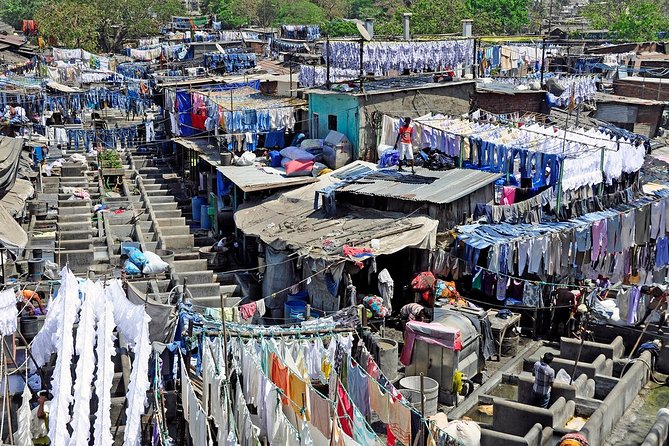
Dhobi Ghat is laundry, done in public. That alone makes this half-day tour a change of pace from typical sightseeing, and adding Dharavi turns it into a lesson in how people make a living in tight spaces. You start with an old-school view of commercial washing, then move into a guided walk of one of Mumbai’s most talked-about neighborhoods.
I really like the way the tour gives structure without killing the spontaneity. At Dhobi Ghat, you get a full hour to watch the work up close, and the details matter, like how dhobis clean and dry clothes and linens for hotels and hospitals.
The second thing I like is that the Dharavi side is about working life, not just looking. You spend time on the recycling process, and you also get a rooftop visit to see how tin hutment life stretches out. A possible drawback to plan around: this is outdoors, including a rooftop stop, so good weather is important.
In This Review
- Key things to know before you go
- How the half-day mix actually feels in real life
- Entering Mahalaxmi Dhobi Ghat, where dhobis wash clothes outdoors
- What you’ll see during the hour
- A practical note for your comfort
- Moving through Dharavi: recycling, tiny workshops, and rooftop homes
- The industries and scenes you can expect
- Rooftop visit: why it sticks in your mind
- Community centre stop, schools and clinics, and daily overlap
- Your guide matters more than you think (Rakesh and the pace)
- Photography, etiquette, and getting through the streets with less hassle
- Heat, water, and the real reason the refreshment break helps
- Weather is not optional here
- Price and value: what $30 covers, and why it’s not just the sightseeing
- The “duration tradeoff” you should know
- Who this tour suits best, and who might want a different option
- Who should think twice
- Should you book Dhobi Ghat and Dharavi together?
- FAQ
- What’s the total duration of the tour?
- What time does the tour start?
- Where do I meet for the tour?
- Are pickup and drop-off included?
- What are the main stops on this tour?
- Is the guide provided, and what language do they speak?
- What’s included in the price, and are there meals?
- What if the weather is bad?
- How does cancellation work?
Key things to know before you go
- A rare working laundry sighting: Mahalaxmi Dhobi Ghat is a traditional commercial wash area still operating.
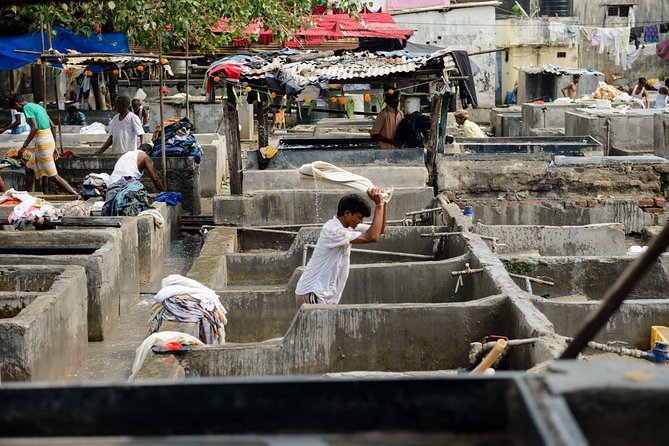
- Dhobis work in the open: You’ll see washing and drying done outside, up close and without a glass wall.
- Hands-on Dharavi themes: expect stops tied to recycling, small industries, and daily routines.
- Rooftop perspective: a viewpoint of tin hutments gives scale and context quickly.
- A named, local-feeling guide style: Rakesh is described as pleasant, informative, and able to match your English level.
- Photo-friendly moments with reminders: you’ll likely want your camera ready, but you should still be respectful around people working.
Other Dharavi walks, guides named
How the half-day mix actually feels in real life
This is a 5 to 6 hour tour that combines two very different Mumbai scenes, with pickup and drop so you are not spending your morning figuring out transit. The format is simple: one focused hour at Dhobi Ghat, then about two hours on foot in Dharavi, plus time to regroup and cool down.
That pacing works because the laundry stop can be visually intense in a practical way. Then the Dharavi walk shifts you from textures and motion to craft work, alleys, and small-scale industry. If you like tours that feel like you are moving through real places, this one has that advantage.
Entering Mahalaxmi Dhobi Ghat, where dhobis wash clothes outdoors
Mahalaxmi Dhobi Ghat is described as a 138 year old open-air laundromat, built in 1890. That means you are not looking at a museum of laundry, you are watching a working system that is still used for Mumbai’s hotels and hospitals.
The big idea here is the dhobis. In this setting, they work in the open to clean and dry linens and clothing, and the whole place runs like a busy industrial neighborhood rather than a single showpiece.
What you’ll see during the hour
Expect to spend most of your time watching the cycle: sorting, washing, rinsing, and drying, all in open air. You’ll also see why this place is one of the few surviving traditional commercial laundries, because the layout is built around the reality of sun, space, and continuous work.
You might also notice how much of the process depends on regular rhythms. Dhobi Ghat is not about fast production for a single order, it looks more like dependable throughput, day after day. That’s what makes it so human and so easy to understand once you stop treating it like a tourist attraction.
- Elephanta Caves & Island Guided Private Tour★ 5.0 · 1,327 reviews
- Private Guided Walking Tour in Fort & Colaba★ 5.0 · 895 reviews
- Mumbai: Street Food and Night Markets Tour★ 4.9 · 719 reviews
- Mumbai: Dharavi Slum, DhobiGhat, and Dabbawallas Tour★ 4.9 · 689 reviews
- Dharavi Slum Tour★ 5.0 · 625 reviews
A practical note for your comfort
This is outdoors, and there’s no guarantee of shade. Wear breathable clothes, and plan on sunscreen, since the drying part is literally tied to light and air.
If you’re someone who gets uncomfortable with close-up views of work, this might feel intense at first. I’d still call it worth it, as long as you go in with respect and patience, because you’re seeing people doing their jobs.
Moving through Dharavi: recycling, tiny workshops, and rooftop homes
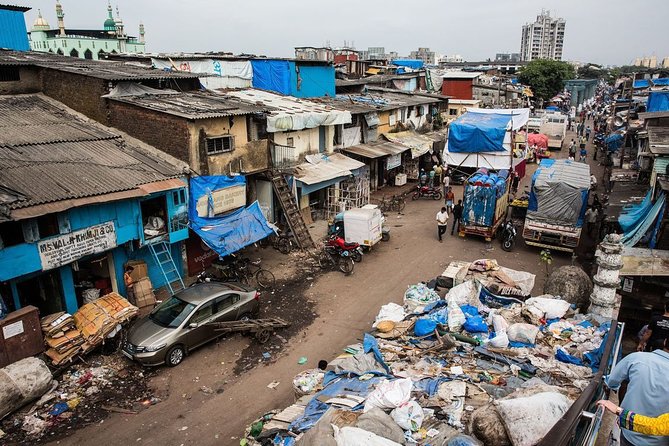
After Dhobi Ghat, you shift to Dharavi on a guided walking tour that covers commercial and residential areas. The tour is about two hours, and it focuses on Dharavi as a place of extreme entrepreneurship, where many small industries operate in very limited space.
Dharavi is also known as a location from Slumdog Millionaire, and the tour context often helps connect film references to the real geography you’re walking through. The goal here is not to make it about movie scenes, it’s about the working systems you can still recognize in daily life.
The industries and scenes you can expect
You will likely move through areas tied to leather work, pottery, embroidered garments, and other small-scale production. You might also encounter soap making, a bakery, color dye processes, and plastic recycling.
One of the standout themes is the recycling loop. The tour highlights a recycling area where metal and plastic come from all over, get sorted, and are processed into finished plastic pellets. That’s a clear, trackable story from raw input to output, and it helps you see Dharavi as a manufacturing ecosystem, not just a label.
There’s also a nod to food and waste streams. The tour description includes recycling of vegetable oil, and that kind of detail matters because it shows how everyday materials become usable inputs again.
Rooftop visit: why it sticks in your mind
One of the tour highlights is a rooftop visit. The description points to tin hutments stretching out as far as you can see, and that viewpoint is the kind of moment that changes your mental map quickly.
Even if you think you understand density from photos, a rooftop view gives you scale in a way that ground-level walking can’t. It’s also a good reminder that the stories of neighborhoods are not only on street level, they are also above you.
Community centre stop, schools and clinics, and daily overlap
The tour includes a community centre, and it also references schools and hospitals within the area. You might see how religious life and community life overlap too, including mention of Muslim people making a shrine for Hindus.
I like that the tour doesn’t only focus on production and waste. It tries to show you how people build community infrastructure alongside work, and that balance makes Dharavi feel less like a single theme park and more like a place with routines.
Your guide matters more than you think (Rakesh and the pace)
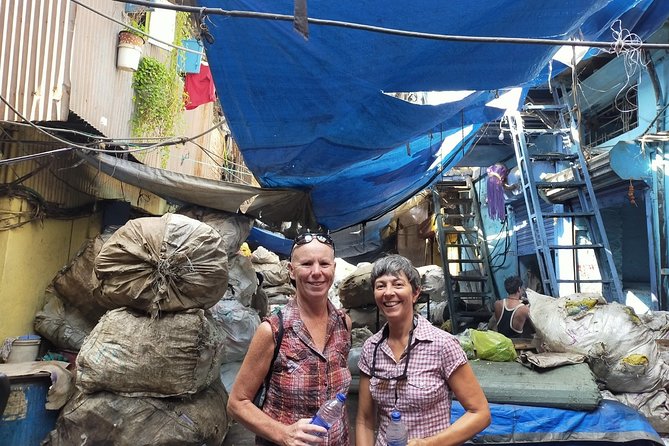
The best tours in places like these are not just about where you go, they are about how you move through it. In this case, the guide is local English speaking, and at least one guide experience centered on Rakesh, who is described as pleasant and very informative.
What stood out from the guide style is how he meets you at your level. One account notes that the guide adjusted to English comfort, using simpler words and speaking more slowly, and that he brought humor along the way. That matters, because without good pacing, you can miss the meaning of what you’re seeing.
You can also expect the tour to keep you oriented. One review called out the helpful, clear instructions about where to meet, and that’s not a minor detail in a city where streets can feel confusing quickly. Having a guide who gets you set up reduces stress so you actually pay attention.
Photography, etiquette, and getting through the streets with less hassle
You’ll likely want photos at Dhobi Ghat and during rooftop moments in Dharavi. The tour is naturally photo-friendly because both areas offer strong visual contrasts: open laundry work below, rooflines and tin surfaces above, and small production spaces along narrow paths.
But keep it practical. Avoid blocking workers while they do their tasks, and don’t rush people who are working or moving through daily routines. If a moment feels too personal, step back and take your shot later from a respectful distance.
Heat, water, and the real reason the refreshment break helps
The tour includes mineral water, and it also mentions refreshments between the tour so you do not feel tired and dehydrated. That’s not just a nice-to-have. With outdoor time and walking, hydration is what keeps you focused rather than distracted.
For clothing, I’d stick to light layers and comfy shoes. Dharavi walking means you should plan for uneven ground and tight lanes. Even if you’re just there for a short period, comfort will make it easier to follow the guide and listen.
Weather is not optional here
The experience notes that it requires good weather. That’s sensible because the Dhobi Ghat work happens in open air and a rooftop visit is part of the plan, so rain or poor visibility can disrupt or cancel the experience.
If you have flexibility, aim for a day that looks stable. If you are stuck with a rainy window, understand the tour provider may offer a different date or a full refund, since the rooftop and outdoor segments really depend on conditions.
Price and value: what $30 covers, and why it’s not just the sightseeing
At $30 per person, this tour can feel like a bargain once you look at what’s included. You get an admission ticket for Dhobi Ghat, and the Dharavi portion includes admission as well. You also get an air-conditioned vehicle for pickup and drop, plus mineral water and mineral water plus guide support.
That matters in Mumbai, where getting across town on your own can cost time and nerves. This tour handles toll and parking fees too, so you are not doing mental math every time you ride.
You also get a private tour setup, meaning only your group participates. Private does not always mean fancy, but it usually means your guide can keep a better pace for your comfort level. Reviews also point to a guide who can match your English level, and that’s part of the value you feel, not just what you read.
The “duration tradeoff” you should know
This is a half-day format, so you see a lot but you do not see everything. The Dhobi Ghat segment is one hour, and Dharavi is about two guided walking hours. If you want long, slow time in one place, you might prefer a longer Dhobi Ghat outing or a deeper Dharavi workshop tour.
Still, for many people, this is the sweet spot. You get the big visuals and the key stories without burning the whole day.
Who this tour suits best, and who might want a different option
This is a strong fit if you want authentic working life rather than only monuments. If you care about how people recycle, how industries operate in small footprints, and how everyday infrastructure supports community work, Dharavi becomes more understandable very fast.
It’s also a good choice if you enjoy photography with context. Watching laundry being done and then seeing recycling production and rooftop scale gives you a theme that connects places: work, materials, and daily systems.
Who should think twice
If you’re very sensitive to poverty imagery, homelessness discussions, or the realities of dense living, you might find the Dharavi portions emotionally challenging. The tour is guided, and it focuses on industry and community, but you will still be in real neighborhoods with real conditions.
Also, because rooftop time and open-air views are part of the plan, people who dislike uneven walking or are worried about weather should consider the forecast carefully.
Should you book Dhobi Ghat and Dharavi together?
I think this is a worthwhile booking if you want a balanced, guided look at two unusual sides of Mumbai in one afternoon. The standout combination is simple: a traditional open-air laundry that’s still doing hotel and hospital washing, plus Dharavi’s working industries, recycling process, and rooftop perspective.
If you book, go in with the right mindset. Treat it as a guided walk through work and community, not a quick photo stop. Wear comfortable shoes, bring water, and plan for weather, because the outdoor timing is part of the point.
If you want less walking, or you’re expecting a relaxed, cushy tour, this might feel too real. But if you want meaning and you like learning by seeing, Dhobi Ghat plus Dharavi is one of the best ways to get there without wasting half the day in transit.
FAQ
What’s the total duration of the tour?
The tour lasts about 5 to 6 hours.
What time does the tour start?
The start time is 10:00 am.
Where do I meet for the tour?
You meet at Third Wave Coffee, Tip Road, Unit no. 58, Ground, Ram Mahal, Senapati Bapat Marg, Marinagar Colony, Mahim, Mumbai, Maharashtra 400016, India. The tour ends back at this meeting point.
Are pickup and drop-off included?
Yes. Pickup & drop are included.
What are the main stops on this tour?
You visit Mahalaxmi Dhobi Ghat for about 1 hour, then you take a guided walking tour in Dharavi for about 2 hours.
Is the guide provided, and what language do they speak?
A local English speaking guide is included.
What’s included in the price, and are there meals?
Included items are local guide, mineral water, pickup and drop, toll tax and parking fees, and an air-conditioned vehicle, plus admission tickets for the stops. Meals are not included.
What if the weather is bad?
The experience requires good weather. If canceled due to poor weather, you will be offered a different date or a full refund.
How does cancellation work?
You can cancel up to 24 hours in advance for a full refund. If you cancel less than 24 hours before the start time, the amount you paid is not refunded.
More Dharavi Walks with Local Guides





Recently reviewed across Mumbai
- Mumbai City Sightseeing Guided Tour on a Bicycle
★ 5.0 · 10 reviews - Mumbai Street Food & Beach Tour with 10+ Tastings
★ 5.0 · 10 reviews - Mumbai Market Tour & Maharashtrian Cooking Class with Chef Reshma
★ 4.5 · 10 reviews - Sailing Experience in Mumbai on Mid Size Yacht
★ 5.0 · 10 reviews - 3 Days Complete Mumbai Tour Inclusive of Bollywood Studio Experience
★ 5.0 · 10 reviews - Dharavi Slum Tour
★ 5.0 · 10 reviews
Dharavi and Mumbai Slum Tours, compared.
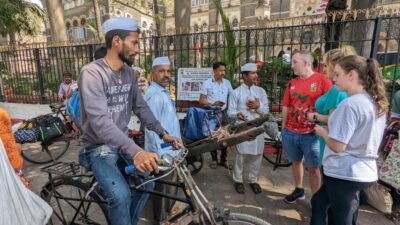 ★ 4.9Dharavi Slum, DhobiGhat, and Dabbawallas TourFrom $14689 reviews
 ★ 5.0Dharavi Slum TourFrom $20625 reviews
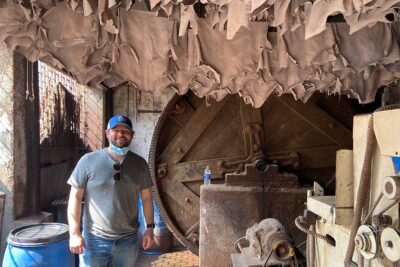 ★ 5.0Dharavi Slum tour in Mumbai by local residentFrom $4572 reviews
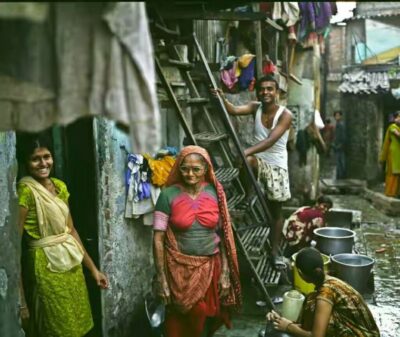 ★ 4.9Dharavi Slum Slumdog Millionaire Tour with a LocalFrom $10529 reviews
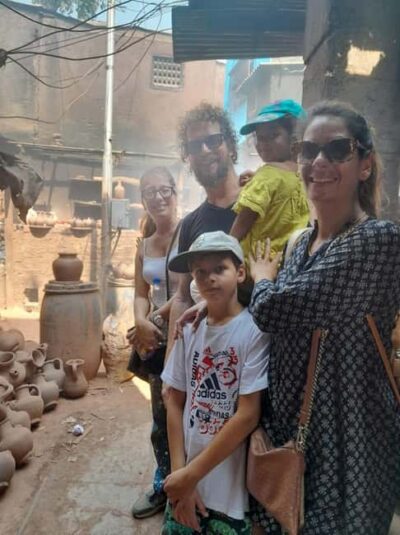 ★ 5.0Mumbai Slum Tour – Visit Dharavi Slum with Local GuideFrom $5509 reviews
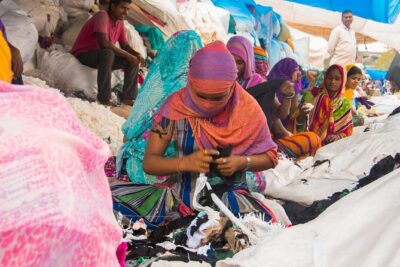 ★ 5.0Sanjay Colony Slum TourFrom $21498 reviews
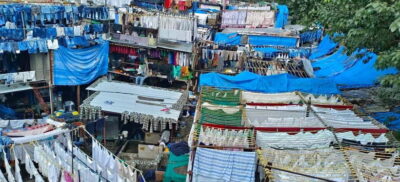 ★ 5.0Dhobi Ghat Laundry and Dharavi Slum Tour with LocalFrom $4469 reviews
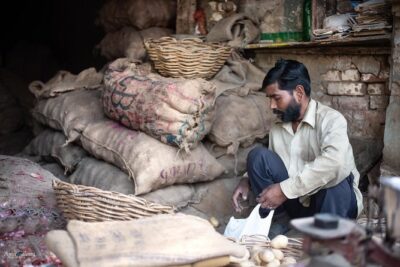 ★ 5.0New Delhi Slum Walking TourFrom $28360 reviews
Browse the lists this tour appears in