
REVIEW · PUSHKAR AND AJMER TOURS
Evening Walking Tour with Fire Rituals-The Pushkar Route
Night in Pushkar changes your ears. This 3-hour evening walk centers on the MahaAarti fire ritual at Brahma Ghat and a guided circuit of temples around Pushkar Lake.
I love how the walk slows down the city. You get the calm side of Pushkar, with temple bells floating over the ghats, and Manish keeps it clear and human in English, answering questions along the way.
The only real drawback is also the easiest to plan for: you’re walking for 3 hours, and temple visits can mean taking shoes off and on.
In This Review
- Key highlights you will actually feel
- Why Pushkar’s evening route hits differently
- Pickup, getting oriented, and the easy start
- Brahma Temple and the practical side of temple entry
- Brahma Ghat MahaAarti at Pushkar Lake, up close and personal
- Ghats, bells, and a route that makes Gandhi Ghat feel personal
- Halwai Gali, malpua, and the sweet stop that fits the walk
- Shopping pressure is the real luxury here
- What you need to know before you go
- Price and value: why $6 makes sense here
- Who this tour is best for
- Should you book the Evening Walking Tour with Fire Rituals?
Key highlights you will actually feel
- MahaAarti at Brahma Ghat, the main event by the lake
- Brahma Temple visit, with locker facilities and skip-the-line entry
- Pushkar Lake ghats route, including Gandhi Ghat and Queen Mary Ghat
- Evening temple-bell atmosphere, when the city sounds softer
- Halwai Gali sweet stop plus Pushkar malpua and masala tea
- Shopping-free tour style, so you can focus on the sights
Pushkar and Ajmer, more options
Why Pushkar’s evening route hits differently
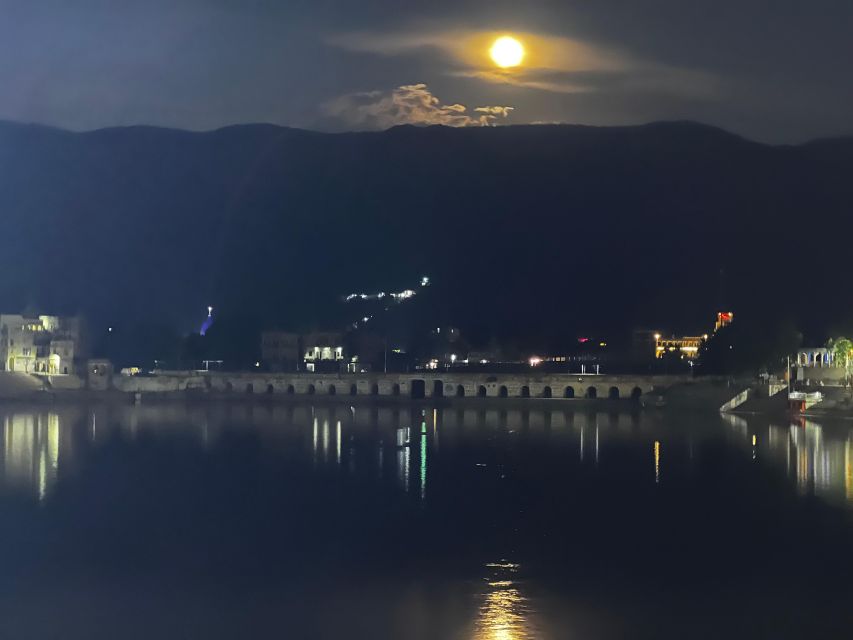
Pushkar at night has a different tempo. The day crowd moves fast. The evening crowd seems to settle in. That matters, because the whole point of this walk is to understand Pushkar as a living spiritual town, not just a list of temples.
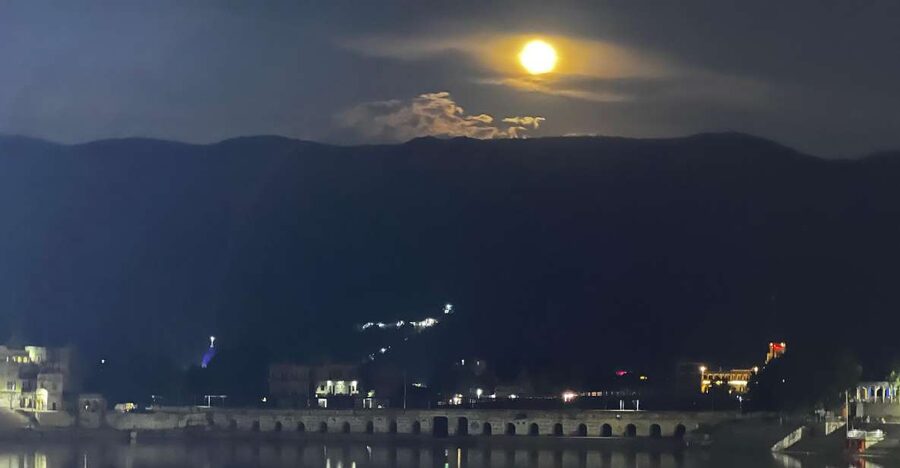
The fire ritual is the headline, but the build-up is what makes it work. As you move through the temple lanes and along the ghats, you’re hearing bells from the lakeside circuit of worship. The sound is part of the experience, not just background noise. It helps you feel how worship is woven into daily movement here.
I also like the fact that this is a 3-hour format. It’s long enough to connect the dots between places, but short enough that you’re not rushed or exhausted before the most important moment.
Pickup, getting oriented, and the easy start
Your tour starts with hotel pickup and drop if your hotel is within about 2 km of Pushkar. That alone helps, because Pushkar streets can be a little like a maze when you’re tired or new to the area.
Once you’re gathered, you’ll head out on foot with a live English guide. You’re not just being shown “where.” You’re being guided through “what you’re seeing and why it matters.” That becomes obvious when you reach the temples and the lake ghats, because the guide can translate the symbols and customs into simple language.
You’ll also get masala tea early enough to feel like a breather, not a souvenir stop. It’s a small inclusion, but it sets the tone for an evening tour. You’re not sprinting through Pushkar. You’re settling into it.
Brahma Temple and the practical side of temple entry
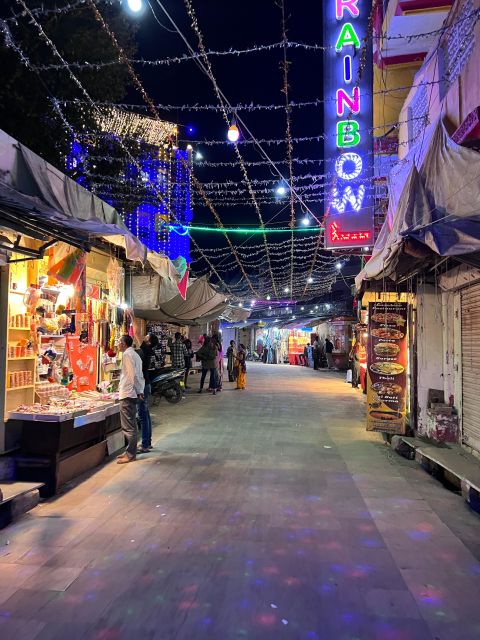
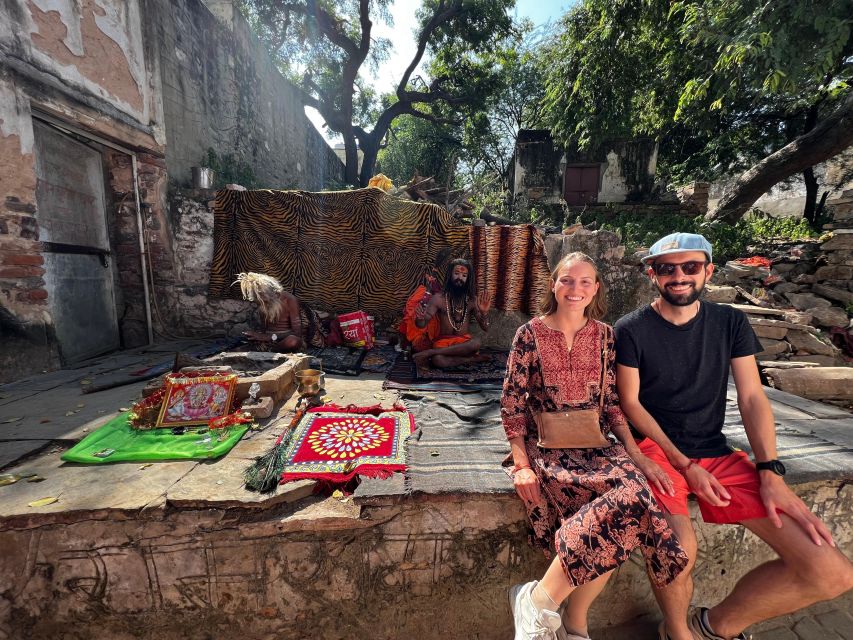
One of the stops is the Brahma Temple, the one notable for being the only one of its kind in the world. Even if you don’t memorize every detail of the theology, you’ll understand the point quickly once you’re standing there.
Two practical things make this stop easier than you might expect.
First, there are locker facilities at Brahma Temple. That helps if you’re carrying a bag you don’t want to keep managing during a careful temple visit.
Second, you’ll have skip-the-line entry through a separate entrance. In busy areas, cutting through the crush is not about privilege. It’s about time. And time is what you need to actually experience the place, not just queue next to it.
Also, plan on taking your time with the entry process. A lot of temple etiquette involves shoes. One guest advice that’s worth repeating is to wear easy shoes, because you may have to take them on and off more than once.
- Walking Sightseeing Tour – The Shine Pushkar★ 5.0 · 64 reviews
- Evening Walking tour with Fire Ceremony – The Pushkar Route★ 5.0 · 35 reviews
- From Jaipur : Private Ajmer Pushkar Tour by Cab★ 4.5 · 29 reviews
- Dhiraj’s painting classes and art workshop★ 5.0 · 24 reviews
- Full Day Spiritual Tour of Ajmer & Pushkar-The Pushkar Route★ 5.0 · 12 reviews
Brahma Ghat MahaAarti at Pushkar Lake, up close and personal
If you only do one thing in Pushkar besides walking around, make it the lake-side fire ritual at Brahma Ghat. This is the MahaAarti, and it’s listed as the main highlight for a reason.
Aarti is not just spectacle. It’s a structured ritual with offerings and chants, done in a place designed for worship. When it’s performed at the lake, you get a stronger sense of why Pushkar Lake matters to so many people.
What I love about this part of the experience is that the guide doesn’t treat it like a show you have to watch silently. You get context for what you’re seeing, which changes how the ritual lands. Instead of thinking, “Fire, candles, and chanting,” you start noticing the meaning behind the steps.
You also get the advantage of being on the right side of timing. This tour is built around the evening, when the ceremony feels most connected to the atmosphere of the ghats. The air, the bells, the gathering, and the ritual all line up. That combination is hard to replicate on your own unless you already know where to stand and when to arrive.
Ghats, bells, and a route that makes Gandhi Ghat feel personal
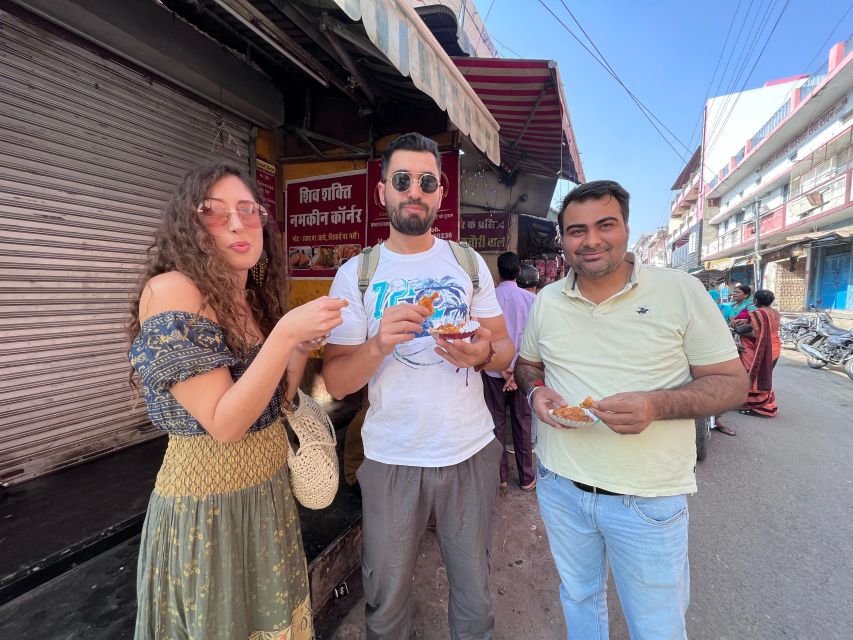
After (or around) the main ritual moment, the tour keeps moving along the ghats at Pushkar Lake. The highlights explicitly include Gandhi Ghat and Queen Mary Ghat, and the overall walk includes several other lakeside spots.
Here’s why this ghats section matters: it turns the lake from an attraction into a map. You learn how different points along the water connect to different kinds of devotion and local life. Without that context, it’s easy to see the lake and only remember pretty reflections.
With the guide, you start seeing patterns. For example, you begin to understand how temples cluster around the ghats and why the soundscape matters. The tour description calls out the evening bells from hundreds of temples around the lake. Even if you can’t count them, you’ll feel what that means when you’re walking and the sound travels ahead of you.
Gandhi Ghat is a great example of why the guided angle helps. It’s known, but the deeper meaning is easier to grasp with someone explaining how locals relate to the place beyond the label.
Queen Mary Ghat adds another layer to that idea, because it shows how Pushkar isn’t only “ancient temple city.” It’s also a town where different eras and stories sit next to each other.
Halwai Gali, malpua, and the sweet stop that fits the walk
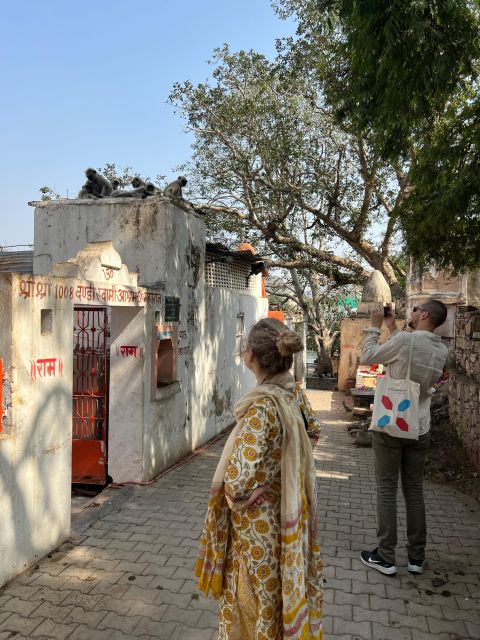
This tour includes a food moment that feels like part of the culture, not a detour.
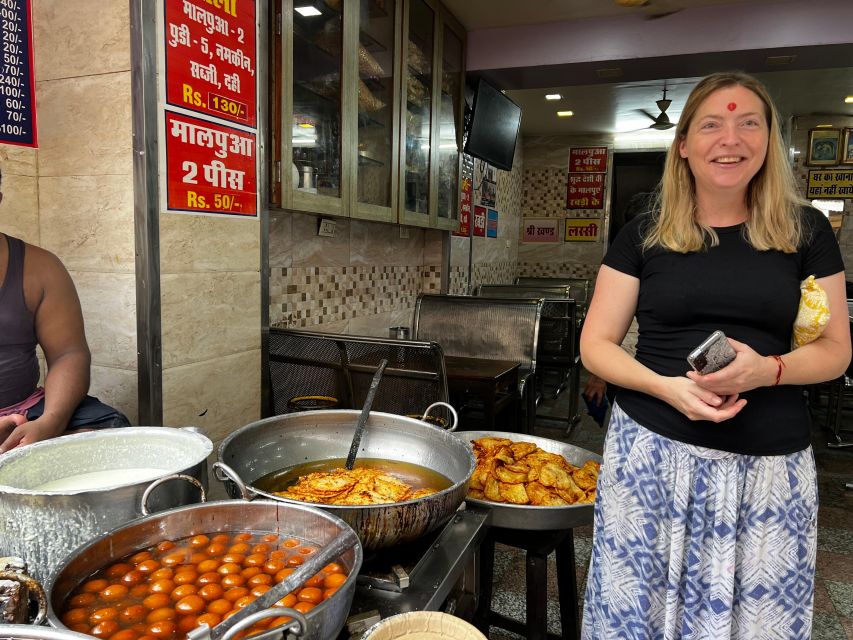
You’ll visit Halwai Gali, described as a place to taste local sweets. You also get Pushkar malpua included, along with the masala tea during the tour.
I like how they do this. The tour is described as shopping free, and the sweet stop is a classic way to experience a place through flavor instead of forcing you into a buying mission. When a guide respects your time and keeps food as a cultural pause, it changes the whole vibe of an evening walk.
If you’re the type who usually skips food tours, this one can still work, because it’s brief and timed to your route. You’re not turning the evening into a long meal. You’re getting one local taste and moving on while the light and ritual energy are still in the air.
Shopping pressure is the real luxury here
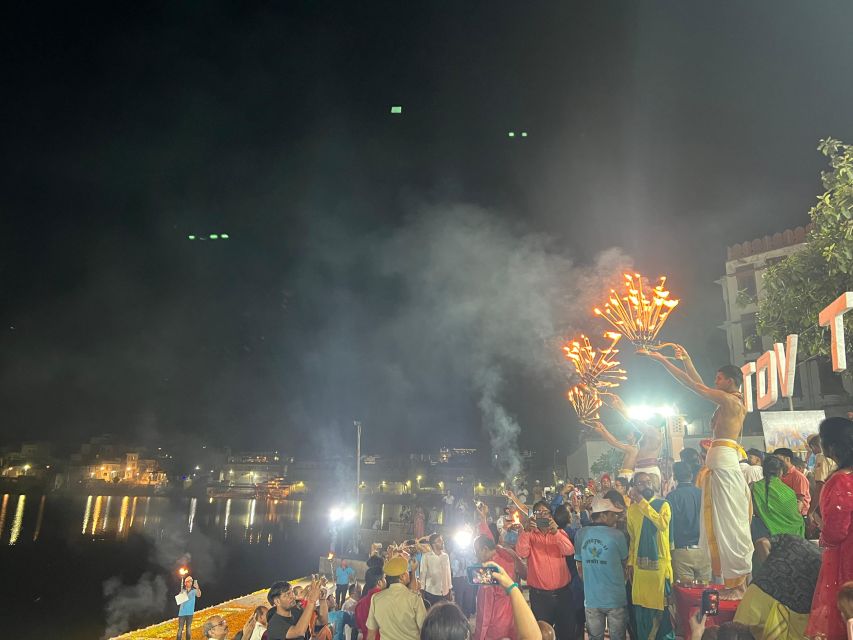
Pushkar has no shortage of shops and sales pitches. So when a tour makes a point of being shopping free, it’s not a small detail. It’s how you keep your head clear.
On this walk, the focus stays on temples, the ghats, and the fire ceremony. You’re not spending your limited time being guided into stores. That means you can pay attention to the sights and ask questions instead of scanning for the “next stop where they’ll try to sell something.”
The guide style is also repeatedly praised. Guests highlight that Manish is welcoming, patient, and willing to answer questions about Hinduism and local customs. One guest even described his academic background, saying he holds a Master’s degree in History. That’s the kind of detail that can matter, because you’ll notice the explanations are structured, not just a memorized script.
What you need to know before you go
A few practical points will help you enjoy this tour more.
- You’re walking for 3 hours, in the evening. Wear comfortable clothing and shoes that won’t punish you during temple stops.
- You may need to take shoes on and off for temples. Bring footwear that’s easy to remove and put back.
- Entry tickets to the points are included, plus locker facilities where needed.
- You’ll have water bottle and masala tea, plus malpua, so you’re not scrambling for snacks right before the main ritual.
- The guide speaks English, and you’ll have time for questions. That is especially helpful if Hindu customs feel complex.
Also, if you want a calmer evening than festival chaos, this route can still be a good choice. One guest described the experience as peaceful even on a day tied to Diwali timing. That doesn’t guarantee a quiet street, but it suggests the tour pace and guidance help you keep perspective even when Pushkar is busy.
Price and value: why $6 makes sense here
At $6 per person for a 3-hour guided evening walk, the value is unusually strong.
Here’s what you’re getting for that price, based on the included items:
- Hotel pickup and drop for hotels within about 2 km
- Live English guide
- Entry tickets to the visited points
- Skip-the-line entrance at Brahma Temple
- Locker facilities at Brahma Temple
- Masala tea, Pushkar malpua, and a water bottle
Even without the cultural importance of the MahaAarti itself, that combination would be costly in many parts of India. The “value” part is not only money. It’s also that you’re paying for interpretation. The best religious experiences don’t come from standing near something important. They come from understanding what you’re seeing.
That’s also why the guide quality matters so much for this tour. When the explanations are clear, you remember the meaning later, not only the images.
Who this tour is best for
This is a smart pick if:
- You want Pushkar Lake and temples, not just photos
- You enjoy ceremonies when you understand the context
- You prefer a calmer, evening pace over daytime rush
- You like learning from a local guide and asking questions as you go
- You want a shopping-free experience
It may not be the best fit if you’re searching for a quick snack-and-photo stop. This is more like a guided spiritual walk where the ritual and the route around the lake are the point.
Should you book the Evening Walking Tour with Fire Rituals?
I think you should book it if you want Pushkar to feel real, not like a check-the-box itinerary.
Book this tour if:
- You plan only a short time in Pushkar and want the evening version of the city
- You care about understanding customs, especially the MahaAarti at Brahma Ghat
- You like guided walking tours where you can actually ask questions, not just follow someone through crowds
- You want included tea and malpua without feeling dragged into shopping
Skip it if you truly dislike anything involving fire ceremonies or you want a silent, self-paced stroll. But if you’re curious about how Pushkar worship works at night, this is one of the easiest ways to get it in just 3 hours.
Pushkar and Ajmer, More Routes



Recently reviewed across Pushkar
- Full Day Spiritual Tour of Ajmer & Pushkar-The Pushkar Route
★ 5.0 · 12 reviews - Fullday pushkar tour from jaipur with guid+camel/jeep safari
★ 4.4 · 12 reviews - Dhiraj’s painting classes and art workshop
★ 5.0 · 24 reviews - From Jaipur : Private Ajmer Pushkar Tour by Cab
★ 4.5 · 29 reviews - Evening Walking tour with Fire Ceremony – The Pushkar Route
★ 5.0 · 35 reviews - Walking Sightseeing Tour – The Shine Pushkar
★ 5.0 · 64 reviews
Pushkar and Ajmer Tours, compared.
 ★ 5.0Spiritual City Walking Tour-THE Pushkar RouteFrom $6907 reviews
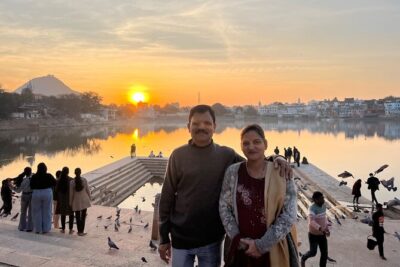 ★ 5.0Afternoon Walk Tour with Sunset & Fire Ritual -The Pushkar RouteFrom $7119 reviews
 ★ 5.0Spiritual Walking tour with Puja Ceremony -The Pushkar RouteFrom $6101 reviews
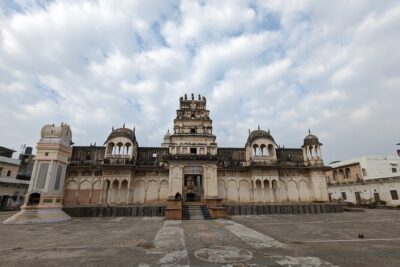 ★ 5.0Walking Sightseeing Tour – The Shine PushkarFrom $564 reviews
 ★ 4.5Pushkar Day Trip from Jaipur – Private Car, Safari, Guide & LunchFrom $5845 reviews
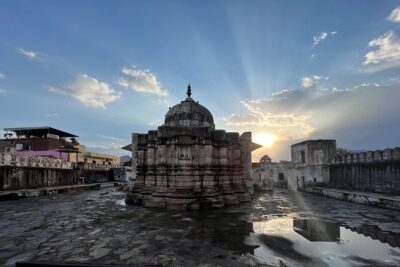 ★ 5.0Evening Walking tour with Fire Ceremony – The Pushkar RouteFrom $835 reviews
 ★ 4.5Private Ajmer Pushkar Tour by CabFrom $1229 reviews
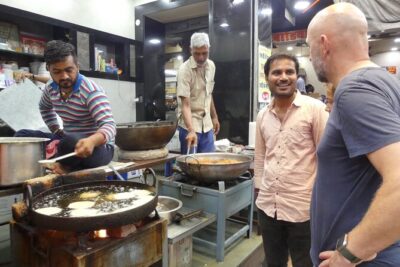 ★ 5.0Experience Private Food And Culture Walk-The Pushkar RouteFrom $1526 reviews
Browse the lists this tour appears in