
REVIEW · PUSHKAR AND AJMER TOURS
Walking Sightseeing Tour – The Shine Pushkar
Sacred sights, walked at human pace. This half-day style route in Pushkar focuses on the holy loop around Pushkar Lake and explains the stories behind places like the Brahma Temple, with a real local guide, not just directions.
I especially like two things: you get a smooth mix of spiritual stops and everyday old-town life, plus a guide who keeps the tone personal and story-led. The route also gives you practical breathing room, with short time blocks at each site and tea or coffee included.
One thing to consider: it is still a walking tour, and some areas involve stairs and uneven ground, so moderate fitness helps. Also, the Savitri temple area is optional by cable car, and that charge is not included.
In This Review
- Key Highlights You Should Know
- First Impressions in Pushkar: Easy Pickup and a Small, Private Group
- Pushkar Lake and Its Ghats: The Best Starting Point for Why This Town Feels Different
- Brahma Temple: One Temple, One Big Explanation
- Gurudwara Sahib Stop: A Quiet Break From the Usual Temple Circuit
- Rangji Temples: Two Similar Structures, Different Stories
- Brahma Ghat and the Aarti Rhythm: The Evening or Morning Flow
- Atamteshwar Mahadev Mandir: One of the Older Shiva Stops
- Varaha Temple and Varaha Ghat: Vishnu by the Oldest Water Spot
- The Hill View and Savitri Temple: Cable Car Is Optional, Not Mandatory
- What You Pay For: Value Breakdown and What’s Extra
- Beyond This Walk: Other Experiences The Shine Pushkar Offers
- Who This Tour Is Best For
- Should You Book The Shine Pushkar Walking Tour?
- FAQ
- How long is the Walking Sightseeing Tour in Pushkar?
- Does this tour offer pickup?
- Where does the tour start and end?
- Is admission to temples included?
- Is tea or coffee included?
- What is not included in the tour price?
- Is this a private tour?
- What kind of physical fitness level do I need?
- Do I need a printed ticket?
- What is the cancellation policy?
Key Highlights You Should Know
- A local guide who turns temples into understandable stories
- Pushkar Lake loop with ghats, a holy bridge feel, and a sunset point
- Free entry at multiple key sites, so your money stays on food and extras
- A religious mix that includes a Sikh Gurudwara, not only Hindu temples
- A flexible private group format, so pacing stays comfortable
- Optional Savitri cable car if you want the hilltop viewpoint
Pushkar and Ajmer, more options
First Impressions in Pushkar: Easy Pickup and a Small, Private Group
This tour is built for people who want to see Pushkar’s main spiritual landmarks without feeling like they’re speed-running. The duration is listed as 2 to 4 hours, which usually means you are walking, stopping, listening, and then moving on, instead of getting trapped at one spot for ages.
You may have pickup offered, and the activity uses a mobile ticket. It also runs as a private tour/activity, meaning your group is the only one involved. That matters in Pushkar because the flow around temples and ghats can get crowded, and having your own pace can help you avoid that constant squeeze.
If you’re choosing between a guide and a DIY stroll, I like that this one is guide-led but not overly formal. You’re not standing around waiting for a lecture. You get focused time at each stop, and the guide’s job is to connect the dots between mythology, daily ritual, and the physical layout of the town.
If your guide happens to be Akash Sharma, that name comes up for being punctual, professional, and hospitable, with strong local know-how. Another guide name you may see associated with this tour is Awash. Either way, the common thread is clear communication and an emphasis on making the walk feel meaningful, not just busy.
Pushkar Lake and Its Ghats: The Best Starting Point for Why This Town Feels Different
The tour kicks off at Pushkar Lake, and that makes sense. This is the heart of the town’s spiritual identity, with 52 ghats around the water. Even if you are not the type who remembers every religious detail, you’ll get the sense that people come here with a purpose, not just for photos.
You’ll spend about 20 minutes at the lake, and the time includes a walk that feels practical. The route highlights classic viewing moments like a sunset point, plus a spiritual walk around Pushkar Lake and mention of a holy bridge. That combination is smart because it helps you understand how the town’s religious life wraps around the water.
What I like for your experience: the lake area is one of the easiest places to “get” Pushkar quickly. It gives you a visual map of how ghats, rituals, and temple locations relate to each other. And because your stop is time-limited, you’re not stuck waiting for the perfect light without a plan.
Possible downside: if you are going at a time when the lake-area crowds are heavy, you may find it tighter than you expect. The upside is that your guide can help you move efficiently to the right spots within your allotted time.
Brahma Temple: One Temple, One Big Explanation
Next comes the Brahma Temple, with about 30 minutes on the schedule. The key idea here is not just architecture, it’s the story. You’ll hear why this temple is considered a special one in the world connected to God Brahma.
You’ll also get time to look around inside the temple, with guidance on what you’re seeing. That’s the difference between walking past a holy building and understanding why it exists and why people treat it with such focus.
Value for you: Brahma Temple is often the kind of stop where visitors leave with blurry impressions. A good guide turns it into something memorable by connecting the place to the broader religious narrative of Pushkar.
Practical note: temple areas usually come with respectful dress and behavior expectations. This tour does not spell out dress rules, but it is smart to wear clothing that is comfortable for walking and respectful for entry areas.
- Walking Sightseeing Tour – The Shine Pushkar★ 5.0 · 64 reviews
- Evening Walking tour with Fire Ceremony – The Pushkar Route★ 5.0 · 35 reviews
- From Jaipur : Private Ajmer Pushkar Tour by Cab★ 4.5 · 29 reviews
- Dhiraj’s painting classes and art workshop★ 5.0 · 24 reviews
- Full Day Spiritual Tour of Ajmer & Pushkar-The Pushkar Route★ 5.0 · 12 reviews
Gurudwara Sahib Stop: A Quiet Break From the Usual Temple Circuit
You then visit the Gurudwara Sahib, about 30 minutes. This is the Sikh religious stop, and it’s a nice change of pace within a mostly Hindu-focused route.
Why this works: Pushkar is religious in multiple ways, and a Gurudwara stop helps you see that spiritual life here is not one-style-only. Your guide should explain more about the Sikh community and what you should notice as you move through.
I like this stop because it adds context. It helps you understand Pushkar as a town where different faith communities share space, rather than a checklist of only one tradition.
Rangji Temples: Two Similar Structures, Different Stories
The tour includes two Rangji-related temple stops, each with a short visit that keeps things moving.
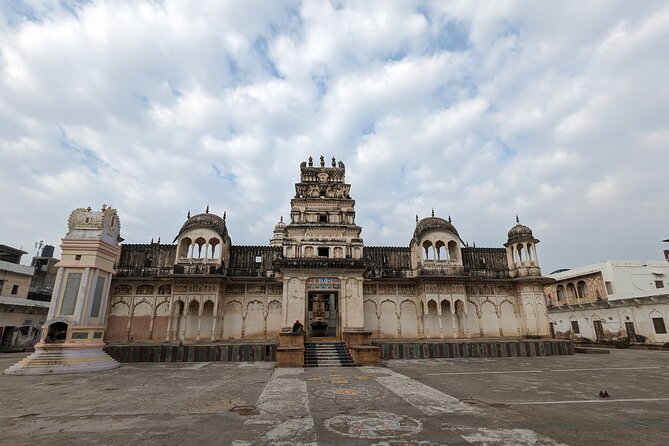
First is the Old Rangji Temple (about 25 minutes). The guide explains the history of why there are two temples with the same structure, including the idea that there is also a New Rangji temple.
Then you visit Shri Rama Vaikunth Nath (Naya Rang ji) Temple, also known as the New Rangnath temple, about 25 minutes. The tour highlights features like a golden pillar and the temple’s beautiful structure, and it includes a mention that it was built by Marwari Seth Bangarh of Didwana.
What you can take away: these temple pairs are a great reminder that similar architecture can have different meanings. If you like religious art and want to understand why locations matter, this part of the walk is usually where your brain starts connecting patterns across Pushkar.
If you dislike tight schedules, this section might feel a little fast. The visits are time-boxed, so you’re not settling in for a long contemplative hour. The tradeoff is that you cover more important ground without losing the story.
Brahma Ghat and the Aarti Rhythm: The Evening or Morning Flow
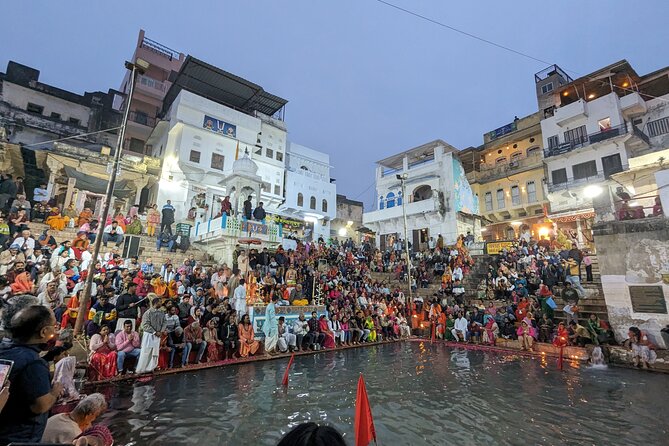
The next stop is the Brahma Ghat, about 10 minutes. This is where people take a holy dip, and that alone makes it feel distinct. You’ll also hear about the Aarti of Shri Pushkar Raj, which happens in the evening and morning every day.
Even if you are not timing your trip perfectly, this is a useful moment. It helps you understand why the ghats are not just “places near water.” They are part of a daily rhythm that gives Pushkar its constant motion and purpose.
Small consideration: because this stop is short, you’ll likely see the setting more than you’ll see a full ritual cycle. If you want longer ritual watching, you may need extra time in Pushkar beyond this tour.
Atamteshwar Mahadev Mandir: One of the Older Shiva Stops
You’ll then visit Ati Prachin Shri Atamteshwar Mahadev Mandir, about 15 minutes. The description here matters: the old temple is said to have been built during the reign of Chauhans, with the upper part built by Guman Ji Rao, the subedar of Ajmer, in 1816.
This is one of those stops where a guide can make history feel like something you can stand in front of. You’re not just looking at stone, you’re hearing how layers of time show up in the place.
Possible drawback: because the time is short, take a photo quickly and focus on listening first. This is not the stop to treat like a museum where you slowly read everything.
Varaha Temple and Varaha Ghat: Vishnu by the Oldest Water Spot
Next is the Varaha Temple (about 15 minutes), near Varaha Ghat, described as the oldest one. Here you’ll see the Vishnu connection along with the ghat setting.
This stop helps balance the earlier Brahma and Shiva themes. In practice, it’s a good mental reset. By the time you reach Varaha, you’ll probably start noticing how Pushkar’s religious geography overlaps with everyday water access.
If you enjoy walking through religious architecture, you’ll likely appreciate this stop. If you mainly care about viewpoints and photos, you may want to speed through the temple part and spend a little more time observing the ghat area, if your guide allows.
The Hill View and Savitri Temple: Cable Car Is Optional, Not Mandatory
Near the end, the tour points you toward a hilltop temple area on the west of the town of Pushkar, tied to Savitri, the wife of God Brahma. This is also where you get a chance to see whole Pushkar town from above.
There’s a cable car service, and the tour notes that the Savitri temple cable car charge is not included if you choose to go. This is the one part of the experience where you should budget a little extra if you want the hilltop without extra walking.
Why it’s worth planning for: the town layout is easier to understand from above, especially after you’ve spent time around the lake and ghats. It also gives you a natural photo moment.
What You Pay For: Value Breakdown and What’s Extra
The price listed is $5.58 per person, which is unusually low for a guided, multi-stop walk in a religious hub. The key value is that many entry costs are included. The tour lists entry/admission free for stops like Brahma Ghat and Varah Ghat, along with VIP entry/admission for the Brahma Temple.
It also includes guide fees, arrival and departure, all fees and taxes, and coffee and/or tea. That combination is practical. You’re not trying to figure out ticket booths while you’re already in sacred areas, and you’re getting a small comfort break built in.
What’s not included is the Savitri cable car charge, if you want to use it. That’s the main extra you might encounter. Everything else on the itinerary is handled.
One more value point: the tour is described as highly rated, with a 5-star rating across 64 reviews and a recommendation rate listed as 100%. That doesn’t guarantee your exact experience, but it does suggest consistency in guiding quality.
Beyond This Walk: Other Experiences The Shine Pushkar Offers
This specific walking sightseeing tour is the focus here, but the provider also advertises add-on-style experiences such as camel safaris, jeep rides, and desert bike expeditions, plus cultural elements like gypsy dance and folk music.
If you want a full Pushkar day, this matters. You can start with the walk for context, then add an adventure or a culture night later. That way you understand the town first, and then you have more meaning for what you see after.
Who This Tour Is Best For
You’ll probably love this tour if you:
- Want a guided overview of Pushkar’s spiritual landmarks without spending your day figuring things out
- Appreciate short, story-led stops rather than long museum-style sessions
- Prefer a private group pace, especially if you’re traveling as a couple or family
- Like a tour that mixes sacred sites with the town’s everyday spiritual flow
You might rethink it if you:
- Hate walking or struggle with stairs and uneven ground
- Want long ritual viewing time, since each stop is time-limited
- Are planning only one “major” activity and hate optional add-ons like cable car charges
Should You Book The Shine Pushkar Walking Tour?
Yes, I’d book it if your goal is a smart first taste of Pushkar. For the price, the biggest win is the balance of free entry, a real local guide, and a route that helps you understand why Pushkar’s lake, ghats, and temples matter.
Skip it only if you want a slow, unstructured day with no schedule pressure at all. This tour is not that. It’s a focused walk that gets you oriented fast, then leaves you ready to explore on your own with better context.
If you do book, go in wearing comfortable shoes and plan your timing so the lake and ghat areas feel right to you. And if you get a guide like Akash Sharma, lean in. The stories are the point.
FAQ
How long is the Walking Sightseeing Tour in Pushkar?
The duration is listed as approximately 2 to 4 hours.
Does this tour offer pickup?
Pickup is offered, and the tour notes arrival and departure are included.
Where does the tour start and end?
It starts in Pushkar, Rajasthan 305022, India and ends back at the meeting point.
Is admission to temples included?
Entry/admission for stops such as Brahma Ghat and Varah Ghat is listed as included, and VIP entry/admission is listed for the Brahma Temple. The tour also lists admission tickets as free for each stop.
Is tea or coffee included?
Yes, coffee and/or tea is included.
What is not included in the tour price?
The Savitri temple cable car charge is not included if you choose to use it.
Is this a private tour?
Yes. It is described as a private tour/activity, meaning only your group participates.
What kind of physical fitness level do I need?
The tour says travelers should have a moderate physical fitness level.
Do I need a printed ticket?
No. It uses a mobile ticket.
What is the cancellation policy?
There is free cancellation. You can cancel up to 24 hours in advance for a full refund, and changes within 24 hours are not accepted.
Pushkar and Ajmer, More Routes




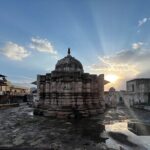
Recently reviewed across Pushkar
- Full Day Spiritual Tour of Ajmer & Pushkar-The Pushkar Route
★ 5.0 · 12 reviews - Fullday pushkar tour from jaipur with guid+camel/jeep safari
★ 4.4 · 12 reviews - Dhiraj’s painting classes and art workshop
★ 5.0 · 24 reviews - From Jaipur : Private Ajmer Pushkar Tour by Cab
★ 4.5 · 29 reviews - Evening Walking tour with Fire Ceremony – The Pushkar Route
★ 5.0 · 35 reviews - Walking Sightseeing Tour – The Shine Pushkar
★ 5.0 · 64 reviews
Pushkar and Ajmer Tours, compared.
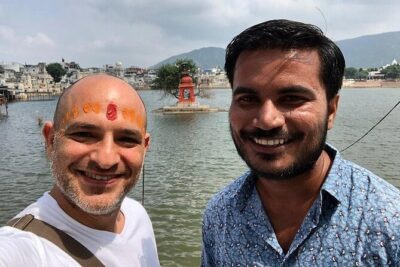 ★ 5.0Spiritual City Walking Tour-THE Pushkar RouteFrom $6907 reviews
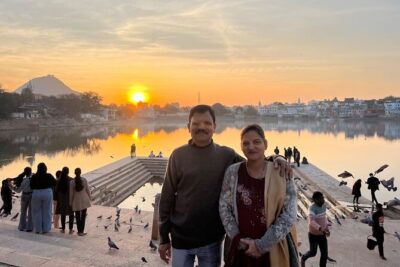 ★ 5.0Afternoon Walk Tour with Sunset & Fire Ritual -The Pushkar RouteFrom $7119 reviews
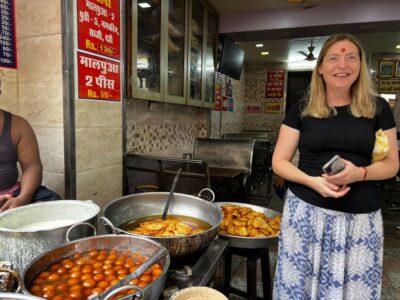 ★ 4.9Evening Walking Tour with Fire Rituals-The Pushkar RouteFrom $6108 reviews
 ★ 5.0Spiritual Walking tour with Puja Ceremony -The Pushkar RouteFrom $6101 reviews
 ★ 4.5Pushkar Day Trip from Jaipur – Private Car, Safari, Guide & LunchFrom $5845 reviews
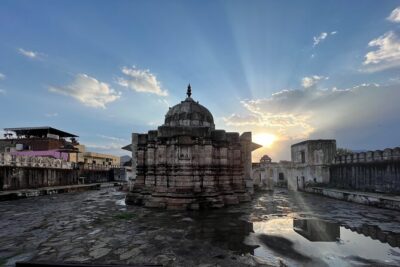 ★ 5.0Evening Walking tour with Fire Ceremony – The Pushkar RouteFrom $835 reviews
 ★ 4.5Private Ajmer Pushkar Tour by CabFrom $1229 reviews
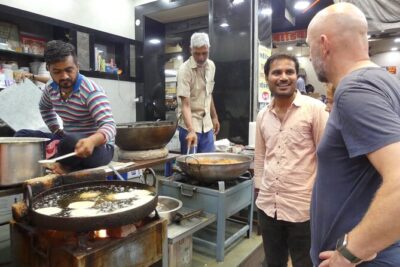 ★ 5.0Experience Private Food And Culture Walk-The Pushkar RouteFrom $1526 reviews
Browse the lists this tour appears in