
REVIEW · DHARAVI AND MUMBAI SLUM TOURS
Group Tour of Dharavi Slum walk with local Guide
Two hours, and Mumbai changes shape. This Dharavi slum walk pairs a local perspective with hands-on sights, from working industries to everyday lanes. I love how the route shows both the places people earn a living and the places they live.
The other thing I really like is how much you get for the money, with an English-speaking guide and bottled water included, plus an admission ticket. Guides like Bharti, Mahesh, and Abhishek show up as real people, friendly and open to your questions.
One possible consideration: the schedule is tight, so you’ll need to keep up a brisk walking pace and be ready for lively, close-up scenes in small alleyways.
In This Review
- Key things to know before you go
- Entering Dharavi With a Local Guide Who Lives It
- What the 2-Hour Route Really Focuses On
- Leather, Pottery, Soap, Bakery, and Color Dye Stops
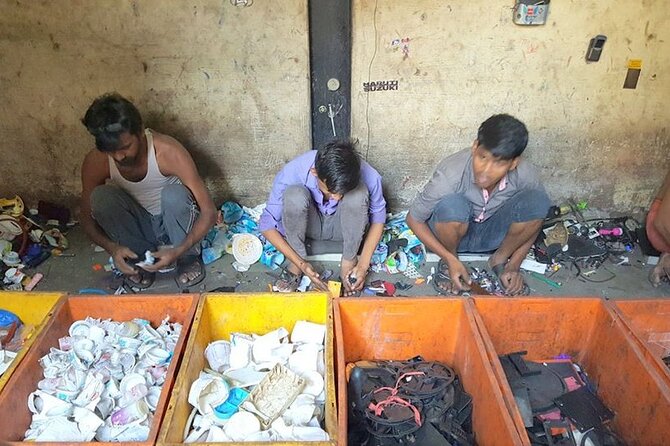
- Recycling and Reuse Work: Plastic and Vegetable Oil Can Recycling
- Transitioning From Work Lanes to Schools, Hospitals, and Homes
- A Stop That Highlights Shared Space: Shrine for Hindus
- The Real MVP: Guides Like Bharti, Mahesh, and Abhishek
- Price and Time: Is This Walk Good Value at $12.26?
- Meeting Points and Getting There Without Stress
- Who Should Book This Dharavi Slum Walk
- Tips for Getting the Most Out of the Walk
- Should You Book It?
- FAQ
- How long is the Dharavi slum walk?
- What is the price per person?
- Is admission included?
- What does the tour include?
- Is coffee or tea included?
- What is the group size?
- Where does the tour start and end?
- Is a mobile ticket provided?
- What is the cancellation policy?
Key things to know before you go
- 2-hour walking route that mixes industries, public services, and home life
- Local guides who grew up in Dharavi, like Bharti, Mahesh, and Abhishek
- Work stops that go beyond stereotypes, including leather, pottery, soap, bakery, and color dye
- Recycling and reusing work you can actually see, including plastic and vegetable oil recycling
- An interfaith moment on the route, including Muslim residents making a shrine for Hindus
- Small group size (up to 15), which makes questions easier to ask
Other Dharavi walks, guides named
Entering Dharavi With a Local Guide Who Lives It
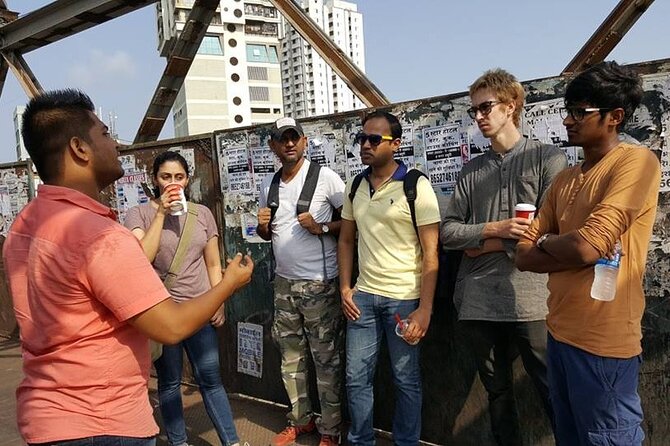
A slum walk can go two ways. Either it feels like a quick photo stop, or it feels like you’re being explained the place by someone who knows it from the inside. This tour leans hard into the second option, because the guide is born and raised up in Dharavi and, as one guide puts it in reviews, he lives in the slums.
That changes everything. When you hear explanations about why certain trades exist, how work and daily life overlap, and what specific buildings are used for, it comes with context instead of guesswork. You’re not just walking through a backdrop. You’re being guided through a living neighborhood where industry and community are tightly linked.
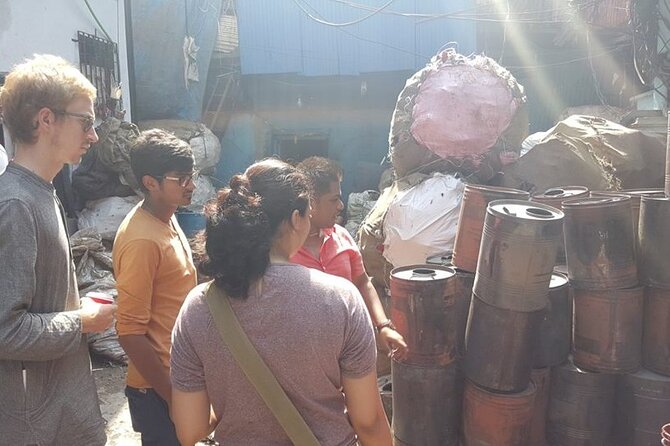
You’ll also feel the pace of a real working area. Dharavi isn’t a museum. It’s busy, active, and practical. Expect to move through narrow spaces, hear activity around workshops, and see people doing their jobs and caring for their families. In a group of up to 15, it stays manageable, and you can still ask questions without yelling.
What the 2-Hour Route Really Focuses On
The tour runs about two hours, and that time budget matters. It’s long enough to hit a lot of stops, but short enough that you should go in ready to pay attention and keep moving.
The route is built around a simple idea: Dharavi is not one thing. It’s work, recycling, small services, religious life, and homes all side-by-side. That’s why your walk touches places tied to film history, multiple industries, and then transitions into the residential side with schools, hospitals, alleys, and houses.
Along the way, you’ll pass key sights such as a location used for Slumdog Millionaire filming. It’s a quick stop, but it helps you connect the neighborhood you’ve heard about with the real layout you’re walking through.
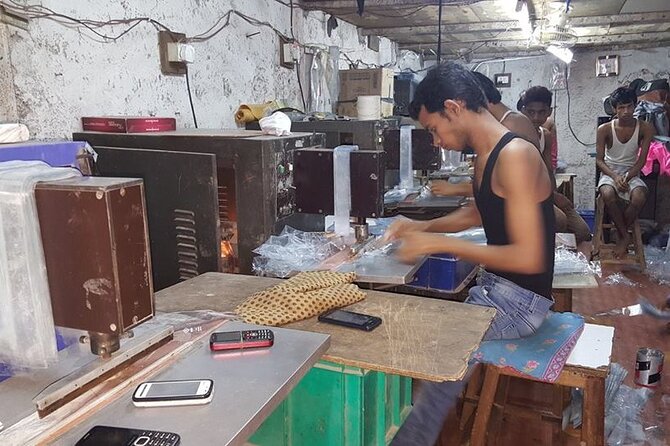
Then the tour turns practical, moving through the trades. That’s where you’ll see the hands-on craft and the day-to-day manufacturing that keeps supply chains going.
Leather, Pottery, Soap, Bakery, and Color Dye Stops
One of the most interesting parts of this walk is how it lets you watch industries that many people never think about until they see them up close.
You’ll spend time in the areas tied to:
- Leather industries
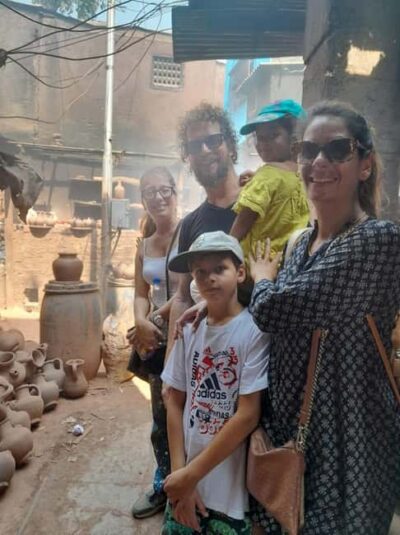
- Pottery
- Making of soap
- Bakery
- Colour dye
- And then small alley segments that connect everything
For me, the value here is in the contrast. Leather and pottery are craft-based, while soap and dye connect to materials and everyday products. The bakery stop adds another angle, showing how food production and routine business fit into the same neighborhood geography.
Color dye is especially eye-catching because it’s less about a single finished item and more about the process. Even without getting technical details, you’ll get the sense that the neighborhood’s industries depend on repeatable steps, local knowledge, and constant work.
A small drawback of these workshop-heavy stops: because they’re active work spaces, you’ll likely have less time for lingering and more reason to listen first. Wear comfortable shoes and keep your schedule mental list short. Let your guide lead, and you’ll get more out of each station.
- Elephanta Caves & Island Guided Private Tour★ 5.0 · 1,327 reviews
- Private Guided Walking Tour in Fort & Colaba★ 5.0 · 895 reviews
- Mumbai: Street Food and Night Markets Tour★ 4.9 · 719 reviews
- Mumbai: Dharavi Slum, DhobiGhat, and Dabbawallas Tour★ 4.9 · 689 reviews
- Dharavi Slum Tour★ 5.0 · 625 reviews
Recycling and Reuse Work: Plastic and Vegetable Oil Can Recycling
If you care about sustainability, this part of the route tends to hit hard for a simple reason: you can see the economics of reuse right in front of you.
The walk includes:
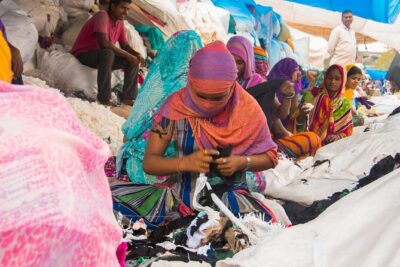
- Plastic recycling
- Recycling of veg oil can
Recycling in Dharavi isn’t framed as a feel-good side project. It’s part of how people earn money, how materials move, and how waste becomes supply. Watching that shift in real time is a powerful way to understand the neighborhood’s logic, because it’s not theoretical. It’s practical, step-by-step work that produces usable outputs.
This is also a place where a local guide really matters. You’re not just seeing a process. You’re hearing what it means for the people doing it and why it works as part of daily life.
Transitioning From Work Lanes to Schools, Hospitals, and Homes
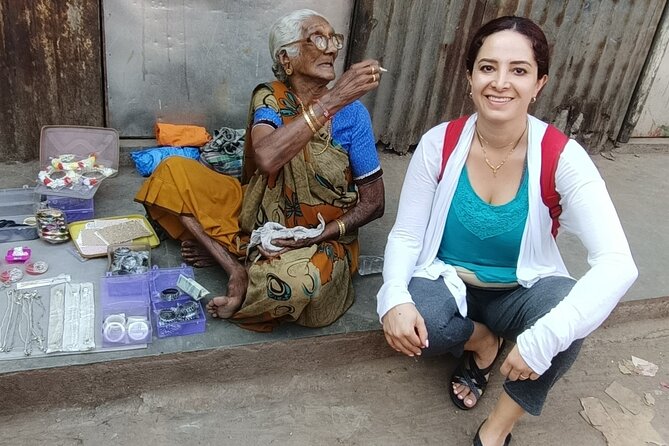
After the industry stops, the tour shifts into the residential side. That change of scenery is one of the reasons the walk feels so complete. You don’t leave with only images of production. You also see the lanes where families live and the community infrastructure that supports daily routines.
Your route includes sights such as:
- Small alley passages
- Schools and hospitals
- Houses in the slum
- More everyday connections between where work happens and where people return home
This matters for your understanding. In many cities, work and life separate. In Dharavi, they overlap. That overlap is the real story, and it’s why the tour includes both sides of the neighborhood.
In practical terms, you’ll want to slow your brain here. The walk becomes more about observing how space is shared and how community services show up in the same area as small industries. You’ll get a better sense of why the neighborhood functions even when it’s packed.
A Stop That Highlights Shared Space: Shrine for Hindus
The itinerary includes a moment tied to religion and community coexistence:
- Muslim people making a shrine for Hindus
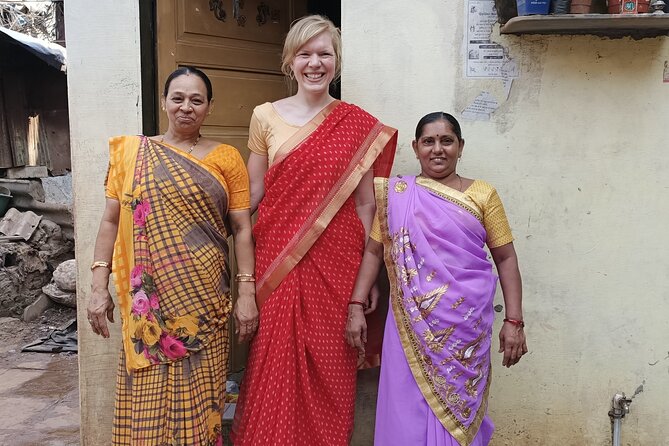
This is a specific, striking stop, and it’s worth your full attention. Even if you don’t know the exact cultural details ahead of time, you can still understand the key idea from what you’re shown: multiple communities participate in shared local life.
This part of the tour is also where respectful behavior counts the most. Keep your tone calm, ask questions only when invited, and avoid turning sacred or private spaces into photo props. If your guide thinks a question is important, he’ll tell you when and where to ask.
The Real MVP: Guides Like Bharti, Mahesh, and Abhishek
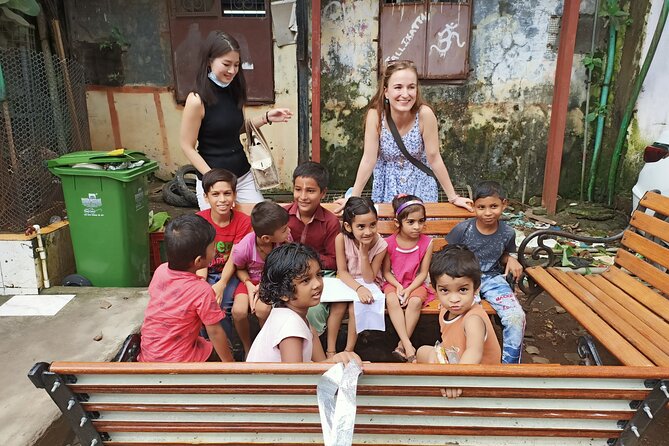
The best reviews point to the same theme: the guide. Not generic friendliness, but real local credibility.
You’ll hear about guides who:
- grew up in Dharavi,
- can explain the logic behind trades and routines,
- and stay open to questions without acting annoyed.
In reviews, I saw names come up like Bharti and Mahesh, with the common thread that they live in the area and can tell you how daily life works, not just what looks interesting from the outside. Another name that comes up is Abhishek, described as professional, friendly, and deeply familiar with the area’s layout and industries.
Here’s why you should care. In a place like this, the difference between a good tour and a forgettable tour is interpretation. A local guide turns what could be awkward, overwhelming scenes into clear, meaningful ones.
Price and Time: Is This Walk Good Value at $12.26?
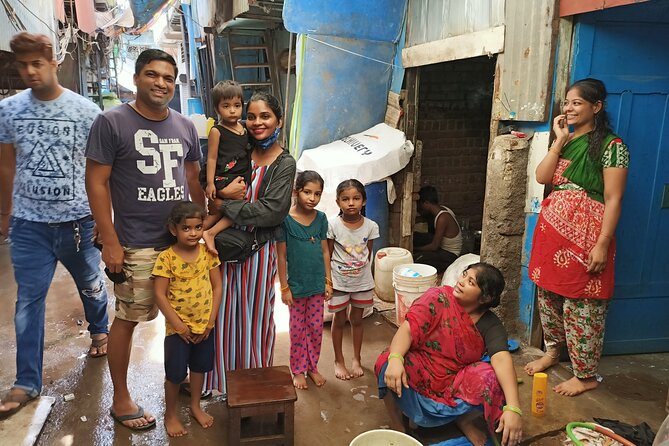
At $12.26 per person for about two hours, this tour lands in the budget-friendly range for a guided experience in Mumbai. What makes it feel like good value is the set of inclusions:
- Bottled water
- English-speaking guide
- Admission ticket included
Also, it’s structured for a small group, up to 15 travelers. That matters because in crowded environments, small groups help your questions get answered and your guide can keep you moving safely.
What’s not included is equally important. Coffee or tea is not included, and food isn’t included either. So if you’re doing this early in the day, eat beforehand. If you finish hungry, plan for a meal right after, because you won’t have it built into the price.
Tips are also not included. In most real-world situations like this, tipping is usually appreciated, especially if you want to reward someone for thoughtful guiding.
Meeting Points and Getting There Without Stress
The start point is at Third Wave Coffee, Tip Road, Unit no. 58, Ground, Ram Mahal, Senapati Bapat Marg, Marinagar Colony, Station, Mahim, Mumbai. The walk ends at Sai Multispeciality Hospital & Research Centre, 90 Feet Rd, behind Sion Hospital, Dharavi.
A practical note: from the end point, you can easily get an Uber or local taxi. That’s a big deal after a walking tour, because you don’t want to burn time figuring out transit when you’re ready to rest.
Because it’s a mobile ticket experience and confirmation happens at booking time, you won’t be stuck waiting around. Still, give yourself a little extra time at the start because Mumbai traffic and walking connections can be unpredictable.
Who Should Book This Dharavi Slum Walk
This is a great fit if you want:
- a guided route that includes both work areas and homes
- real local explanations from someone who lives in the neighborhood
- hands-on industry topics like pottery, soap, bakery, and color dye
- and practical, visible recycling like plastic and vegetable oil recycling
It’s also a good choice if you like asking questions and staying curious. The guide experience is one of the strongest selling points, and the route is designed for conversation.
You might want a different plan if you’re hoping for a mostly educational ride without walking. This is a walk, it’s in active spaces, and you’ll be on your feet for the full two hours.
Tips for Getting the Most Out of the Walk
To make this tour go smoothly, I’d plan for the realities of close, active spaces.
- Wear comfortable shoes. You’ll be in small alleyways and workshop-adjacent areas.
- Keep your questions thoughtful. The guide is open, but you’ll get better answers if your questions focus on how things work and why.
- Be ready to move. This is a packed route in a short time.
- Bring hydration. Bottled water is included, but if you’re sensitive to heat, consider bringing a small extra personal item too.
- Eat before you go. Coffee and any food aren’t included.
If you do these basics, you’ll be able to focus on the point of the experience: understanding how industry and community share the same streets.
Should You Book It?
Yes, I’d book this Dharavi Slum Walk with a local guide if you want a small-group experience that shows more than one angle of Dharavi. The price is reasonable for a guided, ticket-included visit, and the guide connection is what makes the walk meaningful. Names like Bharti, Mahesh, and Abhishek come up for a reason, they’re described as friendly, professional, and comfortable answering questions because they know the neighborhood from lived experience.
Book it when you can give the two hours your full attention. You’ll get a clearer picture of how people work, recycle, learn, care for families, and share religious spaces in the same neighborhood.
If you’re low on stamina or you dislike close, active environments, then you might prefer a slower, more spaced-out plan. But if you want the real, grounded version of Dharavi, this one is worth your time.
FAQ
How long is the Dharavi slum walk?
The tour lasts about 2 hours.
What is the price per person?
The price is $12.26 per person.
Is admission included?
Yes, admission ticket is included.
What does the tour include?
It includes bottled water and an English-speaking guide.
Is coffee or tea included?
No, coffee and/or tea are not included.
What is the group size?
The maximum group size is 15 travelers.
Where does the tour start and end?
It starts at Third Wave Coffee, Tip Road, Unit no. 58, Ground, Ram Mahal, Senapati Bapat Marg, Marinagar Colony, Station, Mahim, Mumbai. It ends at Sai Multispeciality Hospital & Research Centre, 90 Feet Rd, behind Sion Hospital in Dharavi.
Is a mobile ticket provided?
Yes, the tour uses a mobile ticket.
What is the cancellation policy?
You can cancel for a full refund if you cancel up to 24 hours in advance. If you cancel less than 24 hours before the start time, the amount paid is not refunded.
More Dharavi Walks with Local Guides





Recently reviewed across Mumbai
- Mumbai City Sightseeing Guided Tour on a Bicycle
★ 5.0 · 10 reviews - Mumbai Street Food & Beach Tour with 10+ Tastings
★ 5.0 · 10 reviews - Mumbai Market Tour & Maharashtrian Cooking Class with Chef Reshma
★ 4.5 · 10 reviews - Sailing Experience in Mumbai on Mid Size Yacht
★ 5.0 · 10 reviews - 3 Days Complete Mumbai Tour Inclusive of Bollywood Studio Experience
★ 5.0 · 10 reviews - Dharavi Slum Tour
★ 5.0 · 10 reviews
Dharavi and Mumbai Slum Tours, compared.
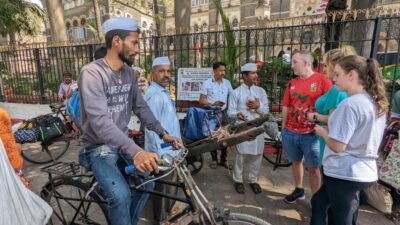 ★ 4.9Dharavi Slum, DhobiGhat, and Dabbawallas TourFrom $14689 reviews
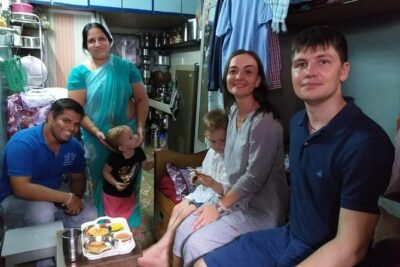 ★ 5.0Dharavi Slum TourFrom $20625 reviews
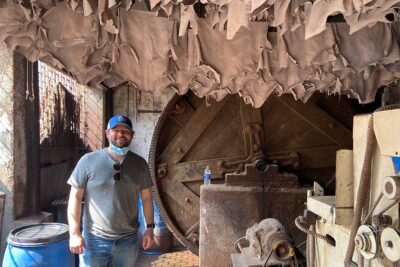 ★ 5.0Dharavi Slum tour in Mumbai by local residentFrom $4572 reviews
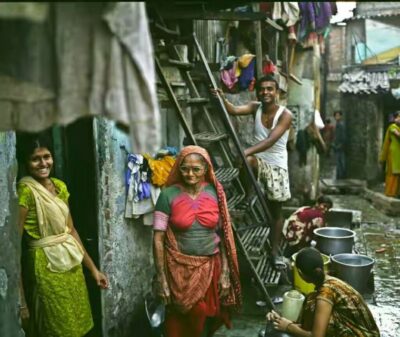 ★ 4.9Dharavi Slum Slumdog Millionaire Tour with a LocalFrom $10529 reviews
 ★ 5.0Mumbai Slum Tour – Visit Dharavi Slum with Local GuideFrom $5509 reviews
 ★ 5.0Sanjay Colony Slum TourFrom $21498 reviews
 ★ 5.0Dhobi Ghat Laundry and Dharavi Slum Tour with LocalFrom $4469 reviews
 ★ 5.0New Delhi Slum Walking TourFrom $28360 reviews
Browse the lists this tour appears in