
REVIEW · DHARAVI AND MUMBAI SLUM TOURS
Life In Dharavi: A Guided Tour Of Dharavi Slum
Dharavi changes how you see a city. This private tour takes you straight into Asia’s largest slum, right in the middle of Mumbai, with an English-speaking local who explains daily life and future development in plain terms. I really like that you get hotel pickup by air-conditioned vehicle and that the focus stays on learning from residents, not gawking. One thing to keep in mind: this is real, everyday living for over a million people, so it can feel emotionally heavy even when the tour is respectful.
If you want a Mumbai experience that goes beyond movie-still imagery, this one aims for context and conversation. You’ll also get bottled water included, so you can travel light for a half-day visit. And yes, it’s private, so your guide can pace the experience to your group.
In This Review
- Key Points That Matter Before You Go
- First Look at Dharavi, Beyond the Headlines
- Private Hotel Pickup, Air-Conditioned Comfort, and a Realistic Time Window
- Entering Dharavi With a Guide Who Lives the Story
- Inside Dharavi: Daily Life, Density, and Why Proximity to Work Matters
- The Industry Angle: Plastic Recycling, Soap, and Pottery
- Learning About Development Plans, and What Residents Hope Changes
- Price and Value: Why $54 Can Make Sense for a Private Half-Day
- Practical Details That Affect Your Day
- Who This Tour Is Best For
- Should You Book Life In Dharavi?
- FAQ
- How long is the Dharavi tour?
- What is the meeting and transport like?
- Is this a private tour or a group tour?
- Do I need to pay for admission tickets separately?
- Is bottled water provided?
- Is lunch included?
- What does the tour cost?
- What languages are the guides?
- Is it easy to reach the meeting point using public transport?
- What is the cancellation policy?
Key Points That Matter Before You Go
- A private, hotel pickup tour saves time and keeps the day smooth in busy Mumbai
- Local perspective with an English-speaking guide helps you understand what you’re seeing
- About 3 hours inside Dharavi gives enough time to learn how people live and work
- Included bottled water makes the visit easier to handle
- Hands-on industry stories like plastic recycling, soap making, and pottery production show how Dharavi earns
- Guides you may meet include Bharti and Divya, both connected to Dharavi life
Other Dharavi walks, guides named
First Look at Dharavi, Beyond the Headlines
Dharavi is one of those places people think they already understand, usually from pop culture. This tour starts by grounding you in location and scale: it sits on prime property in Mumbai, yet it’s home to more than a million people. The setting matters, because Mumbai is expensive, and Dharavi offers a cheaper housing option for people who move to the city to work.
What I like about the way this tour frames things is that it connects everyday life to economic reality. You hear how many residents are second-generation, meaning their families have been there for years. You also learn that many jobs depend on location, since Dharavi sits between two main suburban rail lines, which makes commuting more practical.
A heads-up before you go: the tone is educational, but you’re still walking through a lived-in neighborhood. Even when the guide keeps it factual and respectful, your brain will be doing extra work, comparing what you see to what you’re used to.
Private Hotel Pickup, Air-Conditioned Comfort, and a Realistic Time Window
The tour runs about four hours total, which is a sweet spot if you want Dharavi context without losing your whole day to logistics. Private transportation from your hotel is included, and it’s in an air-conditioned vehicle. That may sound like a small detail, but Mumbai traffic and heat can wear you down fast, and this helps keep the experience from turning into a battle of fatigue.
This is also a private tour, so only your group participates. That matters because Dharavi is complex. A good guide can answer follow-up questions, slow down if you need a moment to process, or move on if you’re ready for the next topic. If you’re traveling as a couple, with family, or in a small group, private is often the best way to keep the conversation humane and focused.
What about the one drawback: because it is private, you’re paying for that added attention and transport. If you’re the type who hates paying for guided time, you might feel the cost more sharply. But if you want explanation and conversation, the structure fits.
Entering Dharavi With a Guide Who Lives the Story
The core promise here is learning Dharavi from people who live there. Your guide speaks English, and the tour includes engagement with residents. That local connection changes how the visit feels, because the explanations don’t come from a script written for tourists. They come from lived experience.
Two guide names stand out in the information you can run into before booking. Bharti is described as someone who has lived in Dharavi all her life, and her family connection goes back many generations. Another guide you may see mentioned is Divya, described as a pioneer as the first female guide from Dharavi. Either way, the big takeaway is the same: your guide’s credibility comes from being part of the community you’re visiting.
In practice, that kind of local perspective tends to make the tour more balanced. You’re not only shown what looks different from the outside. You’re also told why things are the way they are, and what residents want to change.
- Elephanta Caves & Island Guided Private Tour★ 5.0 · 1,327 reviews
- Private Guided Walking Tour in Fort & Colaba★ 5.0 · 895 reviews
- Mumbai: Street Food and Night Markets Tour★ 4.9 · 719 reviews
- Mumbai: Dharavi Slum, DhobiGhat, and Dabbawallas Tour★ 4.9 · 689 reviews
- Dharavi Slum Tour★ 5.0 · 625 reviews
Inside Dharavi: Daily Life, Density, and Why Proximity to Work Matters
The tour’s main stop is Dharavi itself, and it takes about three hours there. This is where you’ll spend the bulk of the time learning how daily life works in a place that houses over a million people.
You’ll hear the logic of the location. Dharavi sits between two main suburban rail lines, so many people find it convenient for work. That detail is important, because it explains why residents don’t just live there for housing reasons. They often live there because the neighborhood helps them reach jobs in a city that runs on transit.
You also learn about affordability in a city where rent is among the highest in the world. The contrast is part of the story. Dharavi provides a cheap and affordable option for those who arrive in Mumbai to earn their living. The guide may also reference that daily wages can be very low, so every expense counts.
That can be a hard moment for visitors, especially if you tend to expect travel to be comfortable. The way to handle it is to stay curious rather than judgmental. Ask questions. Let your guide explain how residents see their own neighborhood.
The Industry Angle: Plastic Recycling, Soap, and Pottery
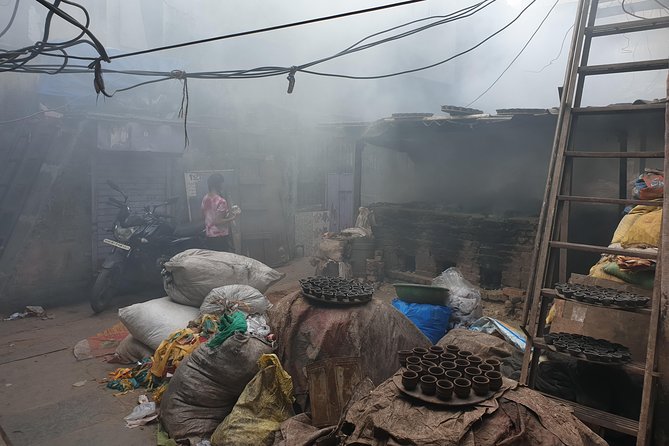
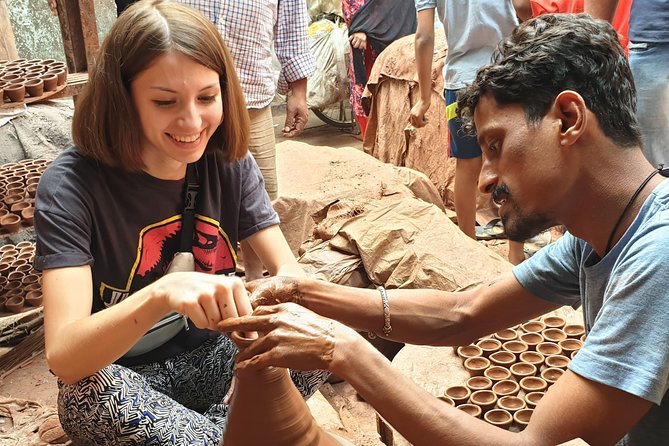
One reason this tour feels more than like a sightseeing stop is the focus on small-scale industries inside Dharavi. You’re not only shown housing. You’re shown work.
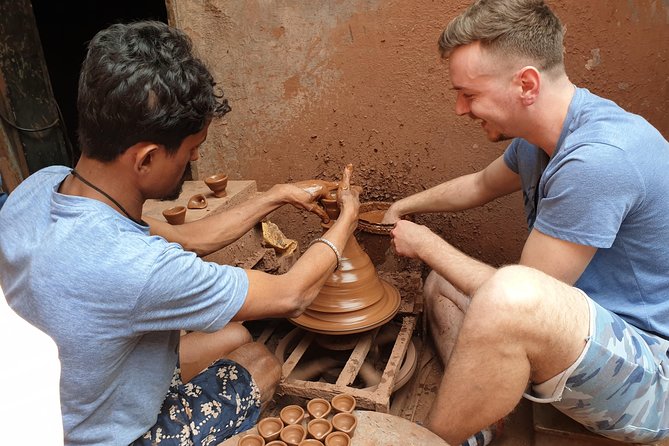
From the guide-led descriptions you can expect to encounter, the kinds of production tied to Dharavi include plastic recycling, soap making, and pottery production. These examples matter because they explain how Dharavi is not only a housing solution, but also an economic engine.
Here’s what I find valuable for your understanding: industries like these connect people to supply chains and skill-building, and they often run in spaces that are too small for outsiders to imagine. When your guide points out what’s being produced, it reframes the neighborhood from a stereotype into a functioning workshop district.
A possible consideration: because this is an industry-focused tour, you’ll be thinking about labor, costs, and opportunity alongside the human side of the neighborhood. If you’re emotionally sensitive, go in with a calm mindset and be prepared for that mix.
Learning About Development Plans, and What Residents Hope Changes
Another major component is discussing plans for development. Dharavi is famous worldwide, but “famous” doesn’t equal “understood.” Your guide will explain how development is talked about and what residents want for the future.
This portion tends to be where the tour becomes more than facts. You’ll likely hear the difference between how outsiders view Dharavi and how residents talk about improving daily life. In many places, development is sold as progress without context. Here, the emphasis stays on what people actually need, and what they fear might happen if changes ignore community realities.
I like this angle because it respects you as a visitor who can handle complexity. You leave with questions that feel real, not just a list of sights.
Price and Value: Why $54 Can Make Sense for a Private Half-Day
The price is $54.00 per person for about four hours, with private transportation from your hotel, an air-conditioned vehicle, bottled water, and a private English-speaking guide. Lunch is not included.
So is it good value? For me, the value comes from the package, not the headline number. Many Mumbai tours offer a guide but not private pickup, or they focus on one viewpoint without enough time for real explanation. Here, you get door-to-door comfort, a private experience, and a guide who can talk with residents rather than only narrate from a distance.
Also, because it’s private, you’re not stuck in a large group where questions get cut short. In a place like Dharavi, that matters. The ability to slow down or ask follow-ups is part of the “what you paid for,” whether you notice it at the time or not.
The potential drawback is that it’s not a cheap, drop-in experience. If your budget is extremely tight or you prefer self-guided travel, this might feel steep. But if you want context and conversation, it’s not just paying for transport. You’re paying for interpretation, access to residents, and time.
Practical Details That Affect Your Day
A few operational bits have an outsized impact on how smooth the tour feels.
- Pickup is offered, and private transportation from your hotel is included, which reduces friction in Mumbai
- Bottled water is provided, which helps you pack light for the four-hour block
- Admission ticket is included as part of the experience
- Lunch is not included, so you’ll want to plan food around the time you return
- The tour is designed as a private activity, only your group participates
- Service animals are allowed, and the meeting area is near public transportation
- Most travelers can participate, which suggests a broad fit for many visitors
If you like structure and clarity, this kind of setup reduces stress and lets you focus on the people and the stories.
Who This Tour Is Best For
This is a strong match if you:
- Want a Mumbai tour with a clear local voice and explanations in English
- Prefer private guiding over joining a big, crowded group
- Are curious about how communities survive economically, not only how they look
- Want a half-day experience that stays focused rather than turning into a rushed checklist
It may be less ideal if you:
- Want a purely comfortable, sightseeing-style outing
- Are not ready to think about inequality, labor, and daily affordability
- Dislike guided conversations and prefer independent wandering
Should You Book Life In Dharavi?
If you want Dharavi to make sense, book it. The mix of private transport, an English-speaking local guide, and time spent learning from residents is the right formula for a visit that feels respectful and informative. The fact that guides can include locals such as Bharti and Divya adds credibility and, more importantly, signals that you’re not just consuming a spectacle.
I’d hold back only if you know you’re uncomfortable with emotionally serious realities. Even then, you can still go into the tour with gentleness, asking questions and letting your guide set the pace.
In short: this is not a quick photo stop. It’s a guided conversation with a real neighborhood, built around learning how people live, work, and talk about what comes next.
FAQ
How long is the Dharavi tour?
The tour is about 4 hours (approx.).
What is the meeting and transport like?
Pickup is offered, and private transportation from your hotel is included in an air-conditioned vehicle.
Is this a private tour or a group tour?
It’s a private tour/activity, and only your group will participate.
Do I need to pay for admission tickets separately?
No, the admission ticket is included.
Is bottled water provided?
Yes, bottled water will be provided.
Is lunch included?
No, lunch is not included.
What does the tour cost?
The price is $54.00 per person.
What languages are the guides?
The tour includes an English-speaking guide.
Is it easy to reach the meeting point using public transport?
The activity is listed as near public transportation.
What is the cancellation policy?
You can cancel for free up to 24 hours in advance for a full refund.
More Dharavi Walks with Local Guides





Recently reviewed across Mumbai
- Mumbai City Sightseeing Guided Tour on a Bicycle
★ 5.0 · 10 reviews - Mumbai Street Food & Beach Tour with 10+ Tastings
★ 5.0 · 10 reviews - Mumbai Market Tour & Maharashtrian Cooking Class with Chef Reshma
★ 4.5 · 10 reviews - Sailing Experience in Mumbai on Mid Size Yacht
★ 5.0 · 10 reviews - 3 Days Complete Mumbai Tour Inclusive of Bollywood Studio Experience
★ 5.0 · 10 reviews - Dharavi Slum Tour
★ 5.0 · 10 reviews
Dharavi and Mumbai Slum Tours, compared.
 ★ 4.9Dharavi Slum, DhobiGhat, and Dabbawallas TourFrom $14689 reviews
 ★ 5.0Dharavi Slum TourFrom $20625 reviews
 ★ 5.0Dharavi Slum tour in Mumbai by local residentFrom $4572 reviews
 ★ 4.9Dharavi Slum Slumdog Millionaire Tour with a LocalFrom $10529 reviews
 ★ 5.0Mumbai Slum Tour – Visit Dharavi Slum with Local GuideFrom $5509 reviews
 ★ 5.0Sanjay Colony Slum TourFrom $21498 reviews
 ★ 5.0Dhobi Ghat Laundry and Dharavi Slum Tour with LocalFrom $4469 reviews
 ★ 5.0New Delhi Slum Walking TourFrom $28360 reviews
Browse the lists this tour appears in