
REVIEW · DHARAVI AND MUMBAI SLUM TOURS
Private City Tour with Dharavi Slum Dhobighat and Dabbawalla
Mumbai in one day feels impossible, until it isn’t. This private 6 to 7 hour route threads together classic landmarks and the day to day of Dharavi and Mahalaxmi Dhobi Ghat, with Sid or Siddhi from Namaste Tours and Trips shaping the pace. It is the kind of tour that helps you see why Mumbai runs the way it does, not just what it looks like.
What I like most is the mix. You get big photo stops like Gateway of India and Chhatrapati Shivaji Terminus, then you shift to street level work at Dhobi Ghat and a guided look at Dharavi for about 2 hours. Second, the guide approach comes through clearly in the feedback, especially Sid’s sensitive, human way of explaining what you are seeing.
One consideration: this is a long day with many stops, so if you want slow, deep time in only one neighborhood, you might feel the schedule is packed. Also, the experience requires good weather, so plan for possible date changes if conditions are rough.
In This Review
- Key highlights worth planning for
- How this private Mumbai tour earns its price
- Pickup, route flow, and why the meeting points matter
- Gateway of India to Chhatrapati Shivaji Terminus: the classic Mumbai opener
- Crawford Market, Marine Drive, and the ocean-side mood shifts
- Hanging Gardens and Kamala Nehru Park: viewpoints with city context
- Banganga Tank and the temple tank stop: a quieter reset
- Antilia and the luxury contrast: what you should notice
- Dhobi Ghat at Mahalaxmi: work you can watch, and why it matters
- Dharavi: a guided look at one of the world’s largest slums
- Where the dabbawalla piece fits in your expectations
- What makes the guide experience stand out
- Who should book this tour, and who might skip it
- FAQ
- How long is the private city tour?
- Where does the tour start and what time is it?
- Is pickup included?
- Do I need admission tickets for the listed stops?
- How long do we spend in Dharavi?
- What happens if the weather is poor?
- Should you book this tour?
Key highlights worth planning for
- Private group pacing: only your group joins, so you are not stuck watching through someone else’s itinerary
- Guided Dharavi and Dhobi Ghat focus: about 2 hours in Dharavi plus time at Mahalaxmi Dhobi Ghat
- Iconic Mumbai landmarks included: Gateway of India, Chhatrapati Shivaji Terminus, Crawford Market, Marine Drive area sights
- Photo plus meaning balance: the route pairs architecture and viewpoints with real city life
- Guide style matters here: reviews repeatedly point to Sid’s professional knowledge and a very human, sensitive approach
- Mobile ticket for convenience: less paperwork, easier day-of check in
Other Dharavi walks, guides named
How this private Mumbai tour earns its price
At about $75.69 per person for a private day, you should think of this as value for two reasons. First, you are not just buying access to one neighborhood, you are getting a full-day route that stacks major landmarks plus Dharavi and Dhobi Ghat. Second, the plan lists free admission at each stop, so the cost is mostly about the guide, time, and getting you to the right places in the right order.
The day also runs long enough to feel like a real introduction. With 6 to 7 hours total and a 9:30 am start, you have time to see the contrast between Mumbai’s public monuments and its working districts. If you like tours that help you get your bearings fast, this format works well.
One small practical note: it is often booked about 78 days in advance, so if you are traveling in peak weeks, early booking helps.
Pickup, route flow, and why the meeting points matter
This tour meets at Regal Cinema, Apollo Bandar, Colaba and ends in Kumbhar Wada, Dharavi. That matters because you are ending inside Dharavi, not back at the waterfront, so you should plan what comes after the tour carefully.
Pickup is offered, and the meeting point is listed as near public transportation. For me, that is a good sign: it usually means the route can work even if you do not have a driver waiting at a specific hotel address.
You also get a mobile ticket, so you can keep it simple on day one. Just make sure your phone battery is topped up, since you will likely be in and out of transit and street-level scenes.
Gateway of India to Chhatrapati Shivaji Terminus: the classic Mumbai opener
The day starts with Gateway of India, an early 20th century arch monument connected to the landing of King-Emperor George V. It is a strong first stop because it gives you a clear landmark to orient around. Even if you are not into monuments, it is the easiest entry point into the city’s scale and street energy.
From there, you move into the legal and institutional area with the University of Mumbai Library and the High Court Principal Bench, Bombay stops. These are short stops, but they help you understand Mumbai as more than a postcard city. You get a sense of how the city organizes public life, not just where the famous buildings sit.
Next comes Chhatrapati Shivaji Terminus, a UNESCO World Heritage Site and a historic railway terminus. This stop is worth it because a terminus is not just a building, it is a system. You see how Mumbai’s transit heritage shaped the city’s growth patterns, and it gives context for why crowds and movement feel like part of the architecture here.
A practical tip: this is the type of stop where a guide’s routing helps. You will spend your time looking, not wandering.
- Elephanta Caves & Island Guided Private Tour★ 5.0 · 1,327 reviews
- Private Guided Walking Tour in Fort & Colaba★ 5.0 · 895 reviews
- Mumbai: Street Food and Night Markets Tour★ 4.9 · 719 reviews
- Mumbai: Dharavi Slum, DhobiGhat, and Dabbawallas Tour★ 4.9 · 689 reviews
- Dharavi Slum Tour★ 5.0 · 625 reviews
Crawford Market, Marine Drive, and the ocean-side mood shifts
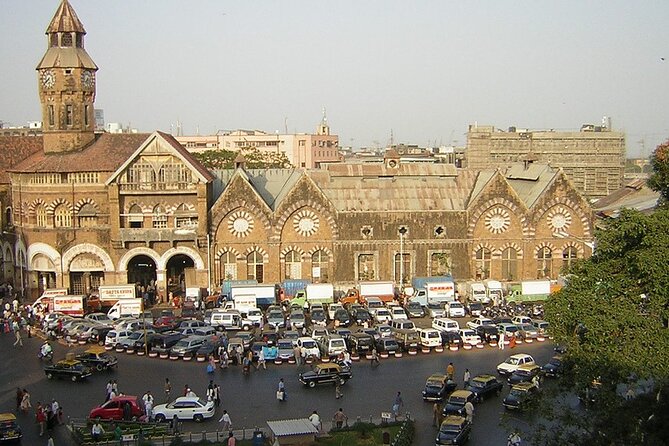
After the UNESCO terminus, the tour heads toward Crawford Market, a famous South Mumbai market building completed in 1869 and connected to a donation by Cowasji Jehangir. Even though the stop is around 20 minutes, it is long enough to notice how markets function in Mumbai. You are not just walking past, you are seeing a working public space.
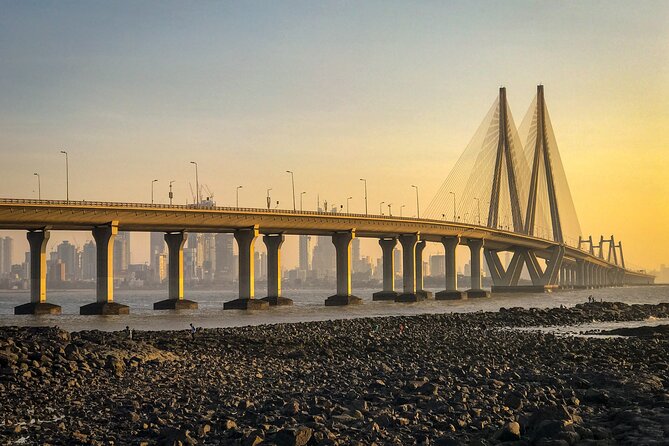
Then you reach Marine Drive, a 3 kilometre-long promenade along Netaji Subhash Chandra Bose Road. The route notes the road and promenade design, including that it is C-shaped and six-lane, which gives you something concrete to look for beyond the views. If you enjoy photo stops with real engineering behind them, this one delivers.
The tour also includes Mani Bhavan Gandhi Museum, dedicated to Gandhi and tied to his political activities in Mumbai. This stop is short, but it adds a human thread to the day. It reminds you that major monuments and major movements are connected.
Hanging Gardens and Kamala Nehru Park: viewpoints with city context
Next up is Hanging Gardens, also known as Pherozeshah Mehta Gardens, terraced gardens on Malabar Hill’s western side, opposite Kamala Nehru Park. The plan’s description is clear: you are going to a viewpoint, not a long museum program. These gardens are a practical break between busy areas, especially if you want a breather with good lines of sight.
Then comes Kamala Nehru Park, built in 1952 and named after the wife of Prime Minister Nehru, with a view over Marine Drive. That view connection is useful because it ties the afternoon together. You get to see the same corridor again, but from above, which helps you understand how the city’s geography shapes the promenade.
If you like moments where one viewpoint makes multiple stops easier to understand, this is one of the strongest sections of the itinerary.
Banganga Tank and the temple tank stop: a quieter reset
After the big open views, the tour pauses at Banganga, a temple tank part of the Hindu Walkeshwar Temple complex in the Malabar Hill area. A tank stop like this is not about big-ticket sights. It is a reset in sound and pace.
Even with only around 20 minutes, the value is in the framing. You are reminded that Mumbai’s skyline and coastline are only one layer. There are also places of routine worship and community meaning, right next to the famous districts.
Antilia and the luxury contrast: what you should notice
Next is Antilia, the private residence of Mukesh Ambani, named after the mythical island Antillia. The route notes that his family moved into it in 2012 and that it sits in the “billionaires row” area.
This is a short stop, and you should treat it as a contrast checkpoint. It gives you an immediate, visual reminder that Mumbai holds extreme wealth and extreme need in close proximity. The tour’s value is not that you stare at a mansion, it is that you understand what that contrast means for the city’s social map.
Dhobi Ghat at Mahalaxmi: work you can watch, and why it matters
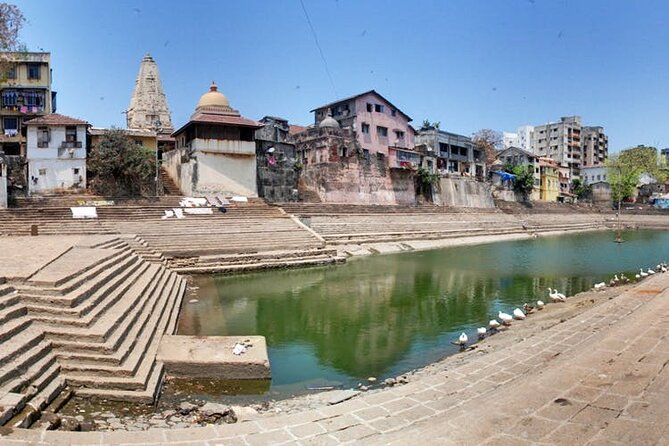
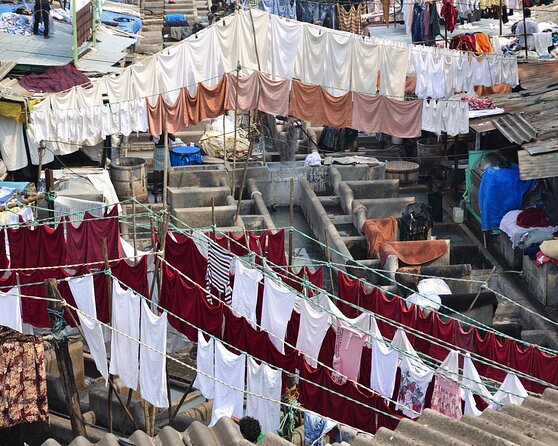
Then you head to Dhobi Ghat, specifically the Mahalaxmi Dhobi Ghat open air laundry place located at Mahalaxmi railway station. The route notes it is also accessible from Jacob Circle monorail station. This stop is listed at about 30 minutes.
What makes Dhobi Ghat important in this itinerary is that it is not a staged attraction. It is a visible labor system, and your guide can help you read what you are seeing without turning it into a spectacle. In the feedback, Sid is praised for explaining history and interesting facts, and for bringing a very human approach to the day. That matters here, because this is one of those places where respectful framing is everything.
Practical advice: wear comfortable shoes. You will be moving around for a working area, and you will want your feet to feel good, not like they are negotiating with you.
Dharavi: a guided look at one of the world’s largest slums
The day’s centerpiece is Dharavi, the locality considered to be one of the world’s largest slums. The route description gives specific scale: about 2.1 square kilometres with a population around 1,000,000.
The tour allots about 2 hours for Dharavi. That time length is significant because it signals the aim: you are not doing a quick drive-by. You are walking and learning with your guide in a neighborhood shaped by dense daily life.
A key detail from the feedback is how the guides handle the human side. One review described the experience as a real privilege, including being taken around people’s private homes. That tells me this is not a theme-park tour. It depends on sensitivity and clarity, and Sid and Siddhi come up repeatedly for that approach.
Also, Dharavi is the end point. That can be a benefit if you are curious and want to keep exploring afterward, but it also means you should plan how you will get out of the area when the tour ends at Kumbhar Wada.
Where the dabbawalla piece fits in your expectations
The tour title includes Dabbawalla, but the day plan you have here focuses on the other listed stops. So here is how I suggest you set expectations: treat it as part of the local flavor of the day rather than a guaranteed, separate attraction with its own long time block.
If this is a must-see for you, I would ask the provider a simple question when you book, like how it is included in the route and how much time it gets. That keeps your day aligned with what you actually want to photograph and understand.
What makes the guide experience stand out
The reviews point to a few guide strengths over and over, and they are exactly the kind of things that matter on a tough route like this.
First is communication and organization. People highlighted excellent email and WhatsApp contact before the tour, which matters because this day crosses very different neighborhoods and you want everything to run smoothly.
Second is the guide’s tone. Feedback specifically calls out Sid’s very human and sensitive approach, plus his professional knowledge. On a tour that includes Dharavi and Dhobi Ghat, that tone can make the difference between feeling like you are consuming a story and feeling like you are learning it responsibly.
Third is flexibility. A review noted Sid was flexible and even added new places when you had already seen some planned stops. That is a big deal if you are on limited time, because it increases the chance the day matches your interests.
Finally, pricing behavior shows up too. One review mentioned the guide said you do not have to buy anything while others can be pushy. If you dislike sales pressure on tours, that is a real quality marker.
Who should book this tour, and who might skip it
I think this tour is a great match if you want a first serious day in Mumbai and you like contrasts. You get major landmarks, viewpoint time, Gandhi-related context, then you close with Dhobi Ghat and Dharavi for a grounded look at how people live and work.
It also suits people who prefer a guided framework. You are given a structured flow, and you are not left trying to connect dots across a massive city.
You might want to skip it if your ideal day is slow and single-theme, like only architecture, only museums, or only one neighborhood with long walking time. With so many stops, the schedule moves.
Also consider that the tour depends on good weather, so if you are traveling during a period with frequent rain, you should be ready for a possible date swap.
FAQ
How long is the private city tour?
The tour runs about 6 to 7 hours.
Where does the tour start and what time is it?
It starts at 9:30 am at Regal Cinema, Apollo Bandar, Colaba, Mumbai. It ends at Kumbhar Wada, Dharavi.
Is pickup included?
Pickup is offered.
Do I need admission tickets for the listed stops?
The plan lists admission ticket free for the stops included.
How long do we spend in Dharavi?
Dharavi is scheduled for about 2 hours.
What happens if the weather is poor?
This experience requires good weather. If it is canceled due to poor weather, you will be offered a different date or a full refund.
Should you book this tour?
Yes, if you want one day that makes Mumbai feel understandable. The mix of major landmarks, viewpoint stops, and the grounded focus on Dharavi and Dhobi Ghat gives you both scale and reality, and the guide feedback around Sid and Siddhi suggests the day stays respectful.
Book it early if your dates are fixed, and pack for a long walking day. If you are choosing between a generic highlights tour and this one, I’d pick this, because it adds the working-city lens that Mumbai is famous for, not just the famous buildings.
More Dharavi Walks with Local Guides





Recently reviewed across Mumbai
- Mumbai City Sightseeing Guided Tour on a Bicycle
★ 5.0 · 10 reviews - Mumbai Street Food & Beach Tour with 10+ Tastings
★ 5.0 · 10 reviews - Mumbai Market Tour & Maharashtrian Cooking Class with Chef Reshma
★ 4.5 · 10 reviews - Sailing Experience in Mumbai on Mid Size Yacht
★ 5.0 · 10 reviews - 3 Days Complete Mumbai Tour Inclusive of Bollywood Studio Experience
★ 5.0 · 10 reviews - Dharavi Slum Tour
★ 5.0 · 10 reviews
Dharavi and Mumbai Slum Tours, compared.
 ★ 4.9Dharavi Slum, DhobiGhat, and Dabbawallas TourFrom $14689 reviews
 ★ 5.0Dharavi Slum TourFrom $20625 reviews
 ★ 5.0Dharavi Slum tour in Mumbai by local residentFrom $4572 reviews
 ★ 4.9Dharavi Slum Slumdog Millionaire Tour with a LocalFrom $10529 reviews
 ★ 5.0Mumbai Slum Tour – Visit Dharavi Slum with Local GuideFrom $5509 reviews
 ★ 5.0Sanjay Colony Slum TourFrom $21498 reviews
 ★ 5.0Dhobi Ghat Laundry and Dharavi Slum Tour with LocalFrom $4469 reviews
 ★ 5.0New Delhi Slum Walking TourFrom $28360 reviews
Browse the lists this tour appears in