
REVIEW · DHARAVI AND MUMBAI SLUM TOURS
Private Dharavi Slum, Dabbawala & Dhobi Ghat tour with Transport
Some cities teach you speed. Mumbai teaches you systems. This private route strings together three working worlds, from dabbawalas to Dhobi Ghat to Dharavi recycling, with a guide who can explain what you are seeing without turning it into a lecture. What I like most is the clear flow and the included round-trip hotel transfers, plus you get free bottled water. The only real drawback: Dhobi Ghat and Dharavi are active, working places, so expect sensory intensity and plan to move at a steady pace for several hours.
I also like that this is a true private tour, so you can ask questions and adjust the pace as you go. My one caution is simple: you should come ready to be respectful and observant, especially in Dharavi, where people live and work right alongside the tour route.
In This Review
- Key takeaways before you go
- Churchgate Railway Station and the Dabbawala Machine
- Dhobi Ghat at Mahalaxmi, Where Laundry Is Public Work
- Dharavi, a Guided Look at Recycling and Real Life
- How the Timing Works, and Why It Matters
- Price and Value for a Private Mumbai Route
- Who This Tour Suits Best
- What You Should Ask Your Guide (So You Get More Out of It)
- Should You Book This Private Dharavi, Dabbawala, Dhobi Ghat Tour?
- FAQ
- What time does the tour start?
- How long does the tour take?
- Where does the tour begin and end?
- Are hotel transfers included?
- Is this tour private or group-based?
- What is included in the price?
- Is food included during the tour?
- What is the minimum age to join?
- Is free cancellation available?
Key takeaways before you go
- Churchgate dabbawalas focus: see the lunch network right at the station, where tiffins move from train to wooden carts
- Dhobi Ghat by Mahalaxmi: you visit the municipal laundry area near the suburban rail station, built for day-to-day labor
- Dharavi recycling visit: you do not just look, you get guided context on how recycling work supports the city
- Private transport and transfers: round-trip hotel pick-up and drop-off keeps you from wrestling with Mumbai traffic
- Tickets and water included: admission is included where listed, plus free bottled water helps you stay comfortable
Other Dharavi walks, guides named
Churchgate Railway Station and the Dabbawala Machine
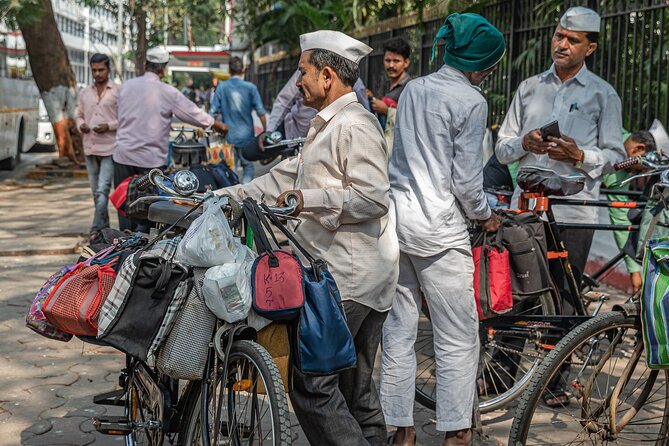
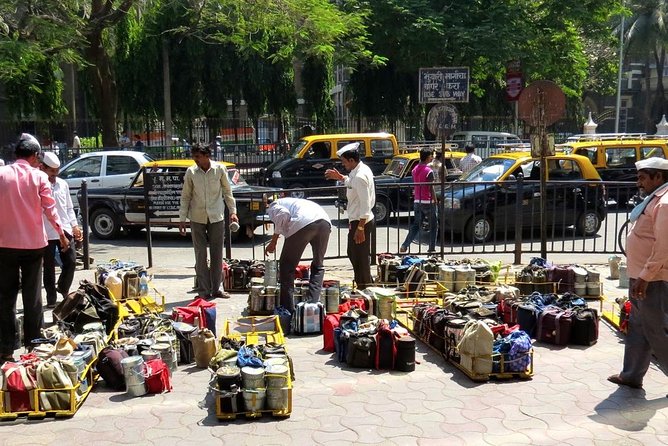
Your day usually starts around 10:00 with a hotel pick-up, then a ride to Churchgate Railway Station. This is where you get a front-row view of Mumbai’s lunch delivery system, the famous dabbawala network that moves thousands of meals to office workers every day. The tour has a tight timing here: you spend about one hour focused on what is happening as dabbawalas disembark their tiffin containers and organize them in wooden carts.
What makes this stop valuable is that it is not an abstract story. You see people handling real containers, moving with practiced efficiency, and coordinating in a crowded public space. Even if you know the reputation of dabbawalas, you still get the “how” in person: the station becomes a sorting hub, and lunch delivery looks like logistics, not folklore.
One practical tip: dress for heat and crowds. Churchgate can get busy quickly, and you will be standing and watching. Wear breathable clothes and keep your water habit going. Good news, you will have free bottled water with the tour, and it helps you avoid the common tourist mistake of skipping hydration because you do not want to carry anything.
Dhobi Ghat at Mahalaxmi, Where Laundry Is Public Work
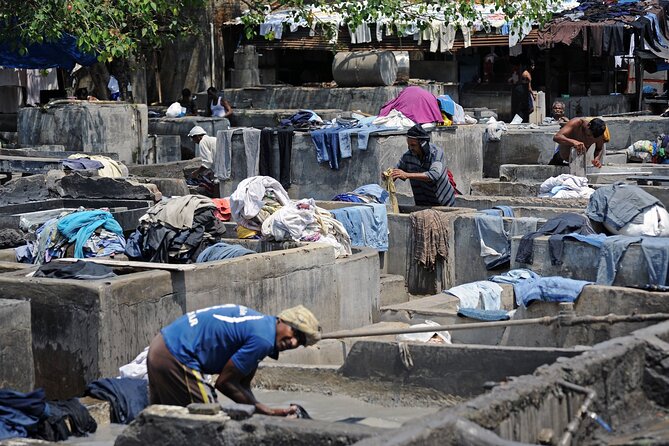
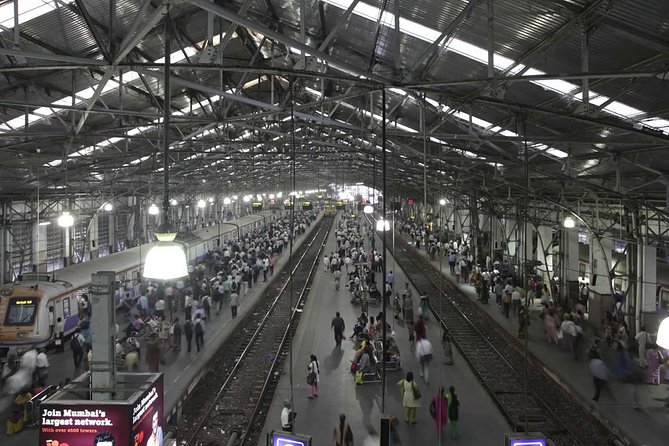
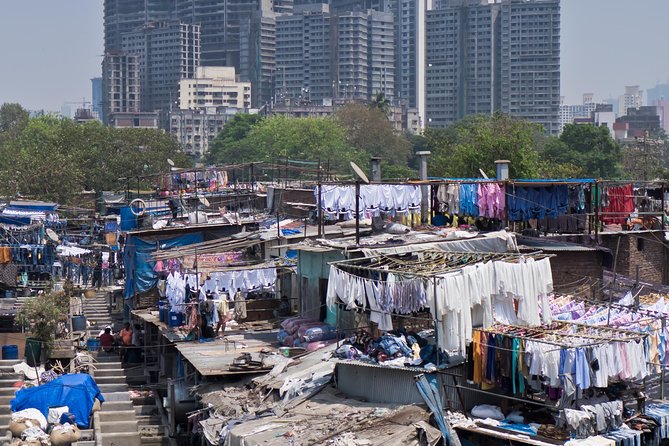
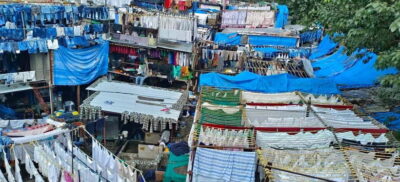
After Churchgate, the route heads to Dhobi Ghat around 11:00, arriving via Mahalaxmi Railway Station on the Mumbai Suburban rail system. The key detail here is location: the station sits next to the municipal dhobi ghats. In other words, this is not a separate attraction that feels staged away from everyday city life. Laundry work happens right next to transit, which explains why the area has such an active rhythm.
You spend about two hours here, and admission is listed as included for this stop. Expect an open-air laundry setting where multiple tasks are visible in the same general area. Even without getting technical, you can quickly understand the scale. This is a worksite that runs through the day, not a single performance. Your guide helps connect what you see to how dhobi operations fit into Mumbai’s wider routines.
The main drawback to know in advance is sensory and emotional. Dhobi Ghat is busy, and it can involve smells and constant movement. If you are the kind of person who needs everything to feel “comfortable” to enjoy a place, this stop may feel like a test. But if you want authentic, real-world Mumbai, Dhobi Ghat is one of the most honest stops on the itinerary.
Practical advice: wear shoes you can stand in for a while. Bring a light layer if you get air-conditioned in transit afterward, but otherwise focus on comfort. And since food is not included later, it is smart to pace yourself here, not rush through it like a checklist.
Dharavi, a Guided Look at Recycling and Real Life
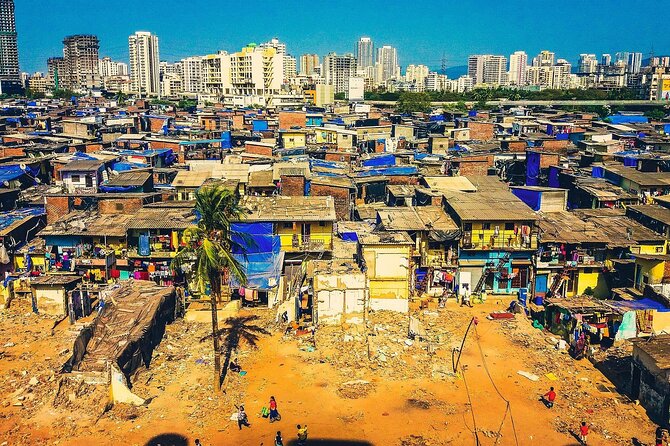
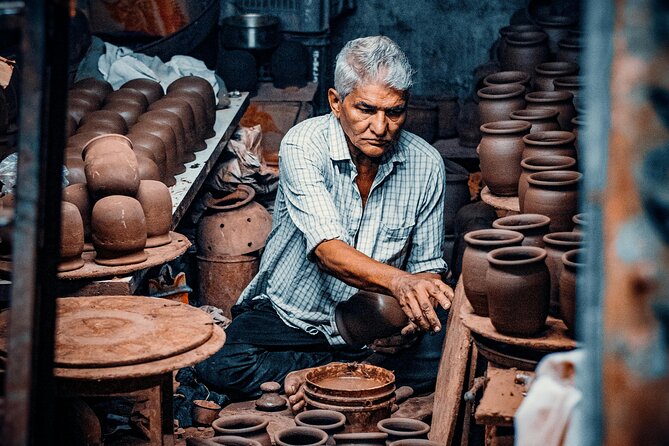
The final major stop is Dharavi, guided by a local perspective. The itinerary framing is clear: you go beyond the idea of Dharavi as a “slum” and focus on how local residents contribute to Mumbai’s large-scale recycling and reuse programs. You visit a recycling area, where you learn how work there supports the city’s materials economy.
This is the emotional center of the tour. Dharavi is a living community, not a theme park, and your guide’s job is to help you understand what you are seeing in a respectful way. The tour is structured so you spend about two hours here. That time matters, because it gives you a chance to get context and to ask questions instead of just snapping photos and moving on.
What I appreciate about this approach is that it focuses on function. A guided recycling visit highlights the practical side of how communities adapt in a high-demand city. You can start connecting dots: materials come in, get sorted and processed, and then end up back in the production chain in some form. That is a very different lens than the usual stereotypes people bring to Dharavi.
A consideration: this portion can feel intense. Even with a guide, it can be confronting to witness dense living conditions and the realities of informal work. If you want a purely “easy vacation” day, this might not be it. But if you want to understand how Mumbai actually operates at street level, Dharavi is the stop that makes the other two pieces click.
- Elephanta Caves & Island Guided Private Tour★ 5.0 · 1,327 reviews
- Private Guided Walking Tour in Fort & Colaba★ 5.0 · 895 reviews
- Mumbai: Street Food and Night Markets Tour★ 4.9 · 719 reviews
- Mumbai: Dharavi Slum, DhobiGhat, and Dabbawallas Tour★ 4.9 · 689 reviews
- Dharavi Slum Tour★ 5.0 · 625 reviews
How the Timing Works, and Why It Matters
This is a 4 to 7 hour private tour, designed as a tight route across south and central Mumbai. The reason the timing feels manageable is that you are not stitching together three separate experiences on your own. You get private vehicle transport, and your guide keeps the day structured around transit points: Churchgate station first, then Mahalaxmi for Dhobi Ghat, then Dharavi, and finally drop-off back to your south Mumbai or Colaba hotel area.
Starting at 10:00 also helps. Early hours can mean less heat, more energy, and fewer crowds than midday. Dhobi Ghat in particular can get more intense as the day progresses, so the morning timing is a practical advantage.
You do need to plan for a walking and standing day. This is not a sit-down museum circuit. It is watching, moving, and being present. Wear comfortable shoes, keep your phone charged, and avoid overpacking bags you cannot comfortably carry.
And since this is a private tour, you are not stuck with an inflexible group pace. That matters when you hit a moment you want to look at longer, or when you need a quick break.
Price and Value for a Private Mumbai Route
At $70 per person, you are paying for more than sightseeing. You are covering the guide time, private vehicle transport, round-trip hotel transfers, bottled water, and the listed admissions. That is the backbone of why the value feels strong.
Here is what you get that is hard to replicate cheaply if you DIY it:
- Round-trip transfers: Mumbai can be slow and unpredictable. Having pick-up and drop-off reduces stress and time loss.
- Professional guide: the guide helps translate what you see into something meaningful, especially for dabbawala operations and recycling work in Dharavi.
- Private vehicle: you are hopping between neighborhoods without needing to plan transit for each segment.
- Bottled water: included, which helps you avoid small convenience costs.
What is not included is also important. Food and drinks are not included, so your total day cost will depend on how you handle meals. Because the tour is several hours long, I recommend budgeting for a simple lunch or snack plan before or after the tour. If you skip planning, you will end up paying for convenience in places that may not be the best value.
Also, the tour is listed as private for your group, and group discounts are included. That can matter if you are traveling as a small group and want to keep the experience personal without paying solo pricing for everyone.
Who This Tour Suits Best
This tour is a strong fit if you want Mumbai that runs on real systems, not just monuments. It is especially good for:
- People who like practical explanations and guided context
- Travelers who prefer a private format with time to ask questions
- Visitors who want a route that connects three very different parts of Mumbai into one coherent story
It might be less ideal if you need a very comfortable, low-stimulation experience. Dharavi and Dhobi Ghat are both working environments with sensory intensity and active movement. If you get overwhelmed easily in crowded, busy settings, you might still enjoy the tour, but you will want to go with realistic expectations and take short breaks when offered.
What You Should Ask Your Guide (So You Get More Out of It)
To make this day really pay off, I suggest you ask your guide practical questions that match each stop. These are the kinds of questions that tend to unlock the experience:
- At Churchgate: How does the handoff work once tiffins reach the station area?
- At Dhobi Ghat: What does the workflow look like across the day?
- In Dharavi: How does the recycling network connect to the broader city?
When I read about guides on this route, one name stands out: Sajid. The feedback highlights him as friendly and helpful, and that kind of guide personality matters because these are not light topics. A good guide keeps the tone respectful while still answering your curiosity.
Should You Book This Private Dharavi, Dabbawala, Dhobi Ghat Tour?
I think this is worth booking if your goal is to understand Mumbai as a working city, not just a skyline. The included hotel transfers, private vehicle transport, and free bottled water remove the usual friction that can ruin a half-day plan. The itinerary is also intelligently sequenced: you start with the lunch logistics at Churchgate, move to laundry work near Mahalaxmi, and end with Dharavi recycling where the city’s material flow ties into everyday survival.
Skip it only if you want a low-stimulation day with minimal standing and minimal emotional weight. Dhobi Ghat and Dharavi are active, real places, and the experience will be more intense than a typical sightseeing loop.
FAQ
What time does the tour start?
The pickup and start time is listed as 10:00 hrs, with the route beginning at Churchgate Railway Station.
How long does the tour take?
The tour duration is listed as 4 to 7 hours (approx.).
Where does the tour begin and end?
It starts at Churchgate Railway Station and ends with a drop back to your south Mumbai/Colaba hotel.
Are hotel transfers included?
Yes, round-trip hotel transfers are included.
Is this tour private or group-based?
It is a private tour/activity, and only your group participates.
What is included in the price?
Included items are a professional guide, transport by private vehicle, GST, bottled water, and admission ticket(s) as listed for the stops.
Is food included during the tour?
No, food and drinks are not included.
What is the minimum age to join?
The minimum age is 18 years.
Is free cancellation available?
Yes, there is free cancellation, and you can cancel up to 24 hours in advance for a full refund.
More Dharavi Walks with Local Guides





Recently reviewed across Mumbai
- Mumbai City Sightseeing Guided Tour on a Bicycle
★ 5.0 · 10 reviews - Mumbai Street Food & Beach Tour with 10+ Tastings
★ 5.0 · 10 reviews - Mumbai Market Tour & Maharashtrian Cooking Class with Chef Reshma
★ 4.5 · 10 reviews - Sailing Experience in Mumbai on Mid Size Yacht
★ 5.0 · 10 reviews - 3 Days Complete Mumbai Tour Inclusive of Bollywood Studio Experience
★ 5.0 · 10 reviews - Dharavi Slum Tour
★ 5.0 · 10 reviews
Dharavi and Mumbai Slum Tours, compared.
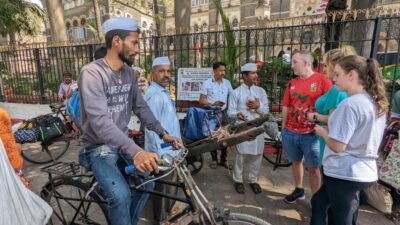 ★ 4.9Dharavi Slum, DhobiGhat, and Dabbawallas TourFrom $14689 reviews
 ★ 5.0Dharavi Slum TourFrom $20625 reviews
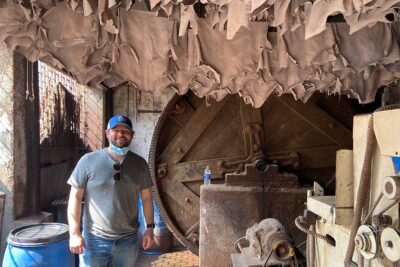 ★ 5.0Dharavi Slum tour in Mumbai by local residentFrom $4572 reviews
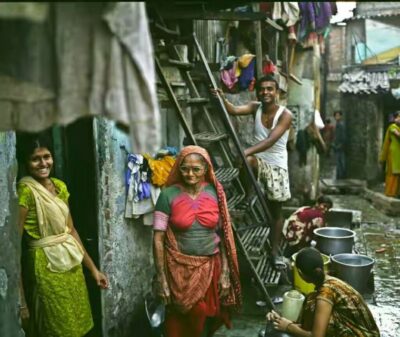 ★ 4.9Dharavi Slum Slumdog Millionaire Tour with a LocalFrom $10529 reviews
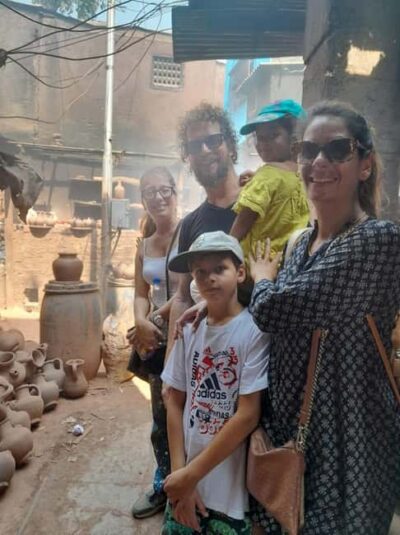 ★ 5.0Mumbai Slum Tour – Visit Dharavi Slum with Local GuideFrom $5509 reviews
 ★ 5.0Sanjay Colony Slum TourFrom $21498 reviews
 ★ 5.0Dhobi Ghat Laundry and Dharavi Slum Tour with LocalFrom $4469 reviews
 ★ 5.0New Delhi Slum Walking TourFrom $28360 reviews
Browse the lists this tour appears in