
REVIEW · DHARAVI AND MUMBAI SLUM TOURS
Private Dharavi Slum Tour
Dharavi hits fast, and it teaches even faster. This private 2-hour walking tour threads through narrow alleys with student guides, so you see the place as lived-in, not staged. You’ll also get context for why Dharavi became globally known, including where Slumdog Millionaire was filmed.
What I like most is the mix of people and work you can actually recognize as you walk. The tour’s focus on student-guided storytelling and the hands-on trades (recycling, dye, leather, pottery, poppadoms, soap, and more) turns a famous name into real daily life.
One consideration: photography is not allowed, and there are tight lanes where you’ll be close to everything. That means you’ll have to rely on your guide’s explanations and your own attention, not a camera roll, to take the experience with you.
In This Review
- Key Highlights at a Glance
- A Different Kind of City Tour, Built on Daily Life
- Getting Picked Up in Mumbai and Finding Your Guide
- The Two-Hour Walking Route Through Tight Alleys
- What You’ll Learn in Dharavi: Community Mix and Real Trades
- Slumdog Millionaire: Seeing the Film Footprint in Real Streets
- Monsoon Flood Risk, Water Standpipes, and Sanitation Realities
- Design Museum Context: Creativity Beyond Film and Work
- Price and Value: Is $65 Reasonable for Two Hours?
- What to Bring (and What to Leave Behind)
- Who This Tour Fits Best
- Should You Book This Private Dharavi Tour?
- FAQ
- How long is the Private Dharavi Slum Tour?
- Where does the tour pickup happen?
- Is this a private group tour?
- What language will the guide speak?
- How much does the tour cost?
- Is transportation included?
- Is water included?
- Is food included?
- Can I take photos or use a camera?
- What is the cancellation policy?
Key Highlights at a Glance
- Student guides who live in Dharavi, meaning the explanations feel grounded in daily reality
- 2 hours of walking through tight lanes, enough time to notice patterns without feeling rushed
- Local trades you’ll hear about, from recycling veg oil cans and dyes to leather work and soap production
- Slumdog Millionaire filming spots that connect pop culture to the actual neighborhood
- Community scale and challenges, including monsoon flood vulnerability and limited sanitation infrastructure
- No cameras allowed, so the tour leans on conversation, not photo stops
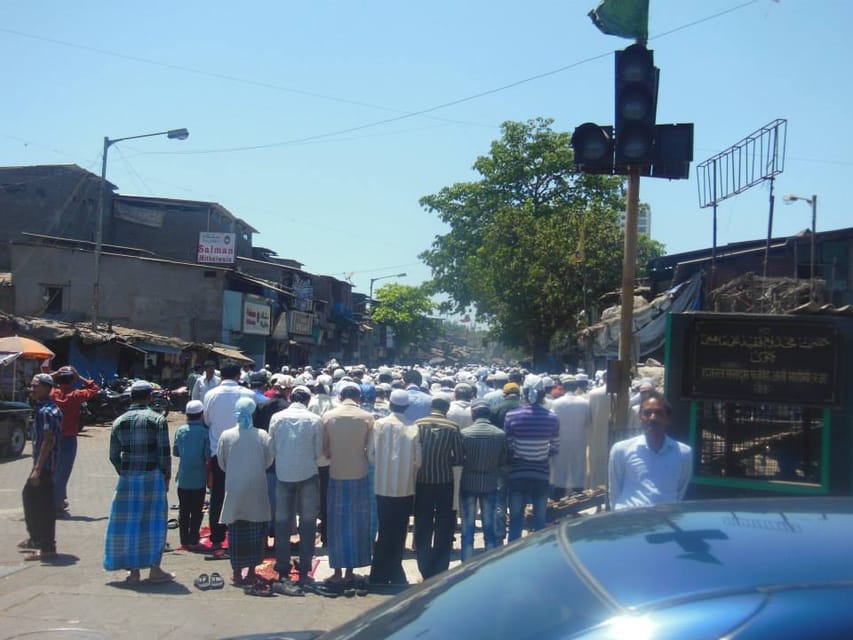
Other Dharavi walks, guides named
A Different Kind of City Tour, Built on Daily Life
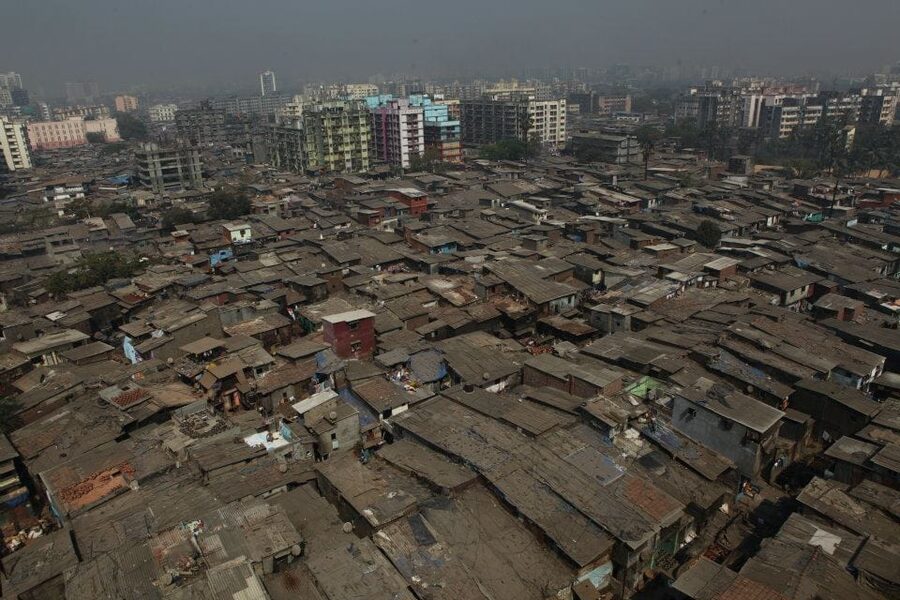
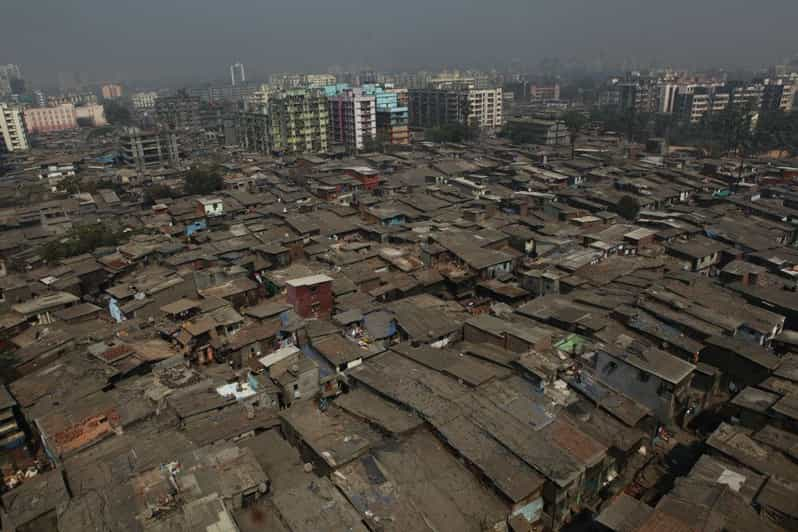
Dharavi is often discussed like a headline, but a good tour treats it like a neighborhood. Dharavi is the second biggest slum in Asia and the third biggest in the world, spread across about 200 hectares (500 acres). When you hear those numbers, the place can feel abstract.
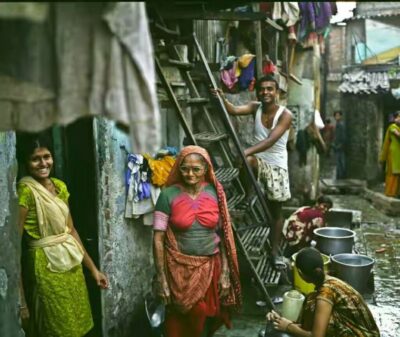
Then you walk. In real time, you start noticing how communities keep their routines, how work happens side by side, and how the neighborhood functions as a mini-city. The point is not to romanticize hardship, but to understand how people manage, build, trade, and support each other.
I also like that the tour isn’t just one theme. You get community variety in the area, then specific work processes like recycling and manufacturing. That balance helps you see Dharavi as more than one type of story.
Getting Picked Up in Mumbai and Finding Your Guide
This experience is built around convenience. Your day starts in Mumbai with hotel pickup and drop-off, plus private air-conditioned transportation. That matters because you can focus on the tour rather than logistics, especially if you’re juggling other sights.
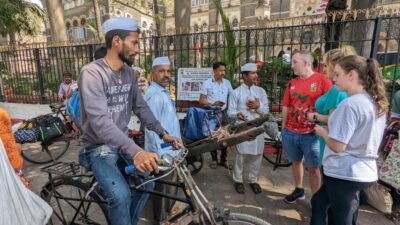
Your guide meets you in your hotel lobby, wearing a purple color shirt with a footprint logo. Several bookings mention guides who speak English well, and the overall vibe is professional and courteous. If you’re traveling with a private group, you’ll generally get a calmer flow, with time for questions.
One more practical detail: you’ll want to come ready to move. The tour lasts about 2 hours, and it’s a walking route through narrow alleys. Comfortable shoes are the main requirement, and that’s not a small thing here.
The Two-Hour Walking Route Through Tight Alleys
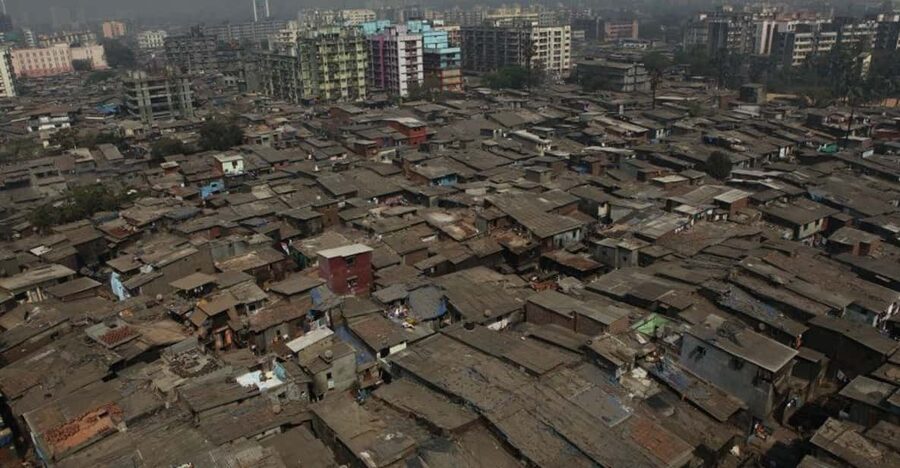
The heart of the tour is the walking portion: narrow lanes, close encounters with daily activity, and constant context from your guide. Dharavi’s layout is the opposite of a wide-boulevard sightseeing day. You’ll experience how density shapes everything, from where people work to how space is shared.
What makes that worth doing is how your guide can connect scenes to explanations. Your tour is designed to help you read what you’re seeing: why certain trades exist, how community routines work, and how local knowledge keeps the system going.
Safety is also part of the equation. Prior bookings describe the guides and organizers as professional, with guests feeling safe and comfortable during the experience. That’s a big deal for a place that can feel intimidating from a distance.
- Elephanta Caves & Island Guided Private Tour★ 5.0 · 1,327 reviews
- Private Guided Walking Tour in Fort & Colaba★ 5.0 · 895 reviews
- Mumbai: Street Food and Night Markets Tour★ 4.9 · 719 reviews
- Mumbai: Dharavi Slum, DhobiGhat, and Dabbawallas Tour★ 4.9 · 689 reviews
- Dharavi Slum Tour★ 5.0 · 625 reviews
What You’ll Learn in Dharavi: Community Mix and Real Trades
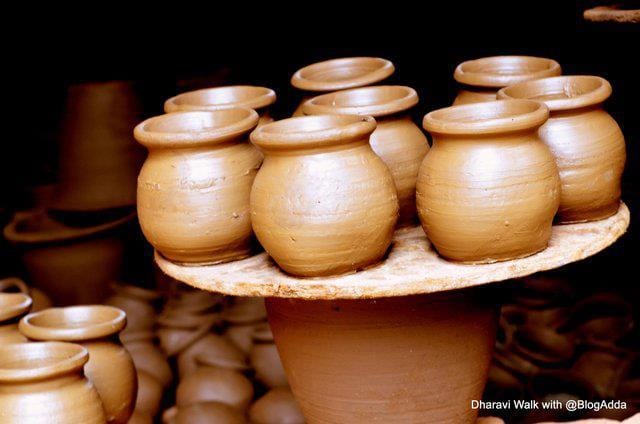
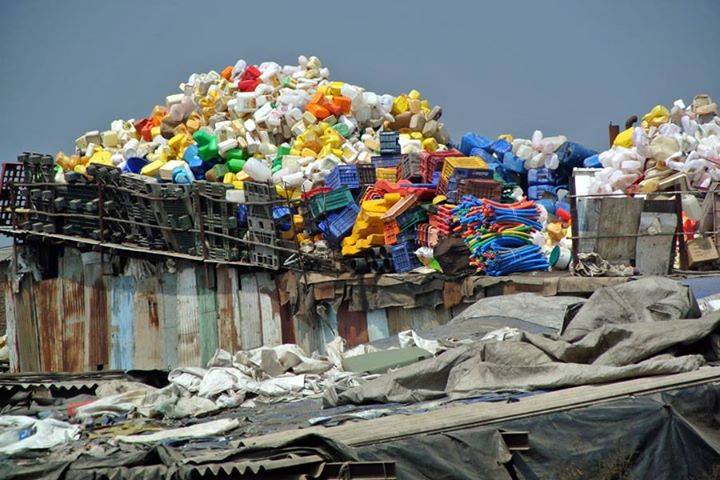
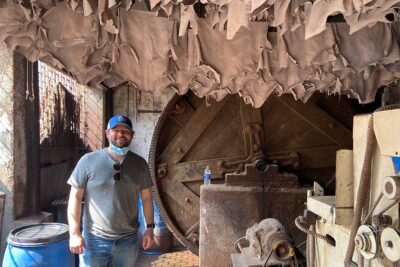
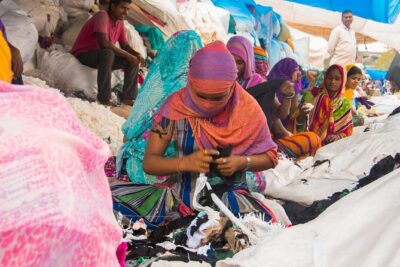
The tour’s highlights are practical and specific: you’ll hear about the diverse communities in the area and the many trades that keep people employed. Dharavi is known for a wide range of activity, including plastic recycling, leather work, pottery, poppadom baking, and soap production.
The tour also points to work like recycling veg oil cans, dye production, and leather manufacturing. Those examples matter because they show a kind of local problem-solving. People are turning raw materials and waste streams into products and income, all within the neighborhood itself.
This is one of the most valuable parts for me, because it shifts your mental model. Instead of thinking of Dharavi only as a place with challenges, you start seeing it as a functioning economy of small-scale production. The guide’s job is to translate that into clear language as you pass the spaces where it happens.
And since the guides are students living in Dharavi, the explanations often sound like lived knowledge. You’re not just hearing facts, you’re hearing how someone understands their home and its work.
Slumdog Millionaire: Seeing the Film Footprint in Real Streets
Dharavi became famous worldwide after Slumdog Millionaire in 2008. This tour includes time to discover where the movie was shot, which adds an extra layer to what you’re walking past.
The best way to use this part of the tour is to treat it like a decoder ring. Film scenes can make a neighborhood feel like a character, not a location. When your guide connects a familiar pop-culture reference to the actual streets and setting, your understanding gets more grounded.
Also, you’ll be walking through a living area, not a closed set. That makes the film connection feel less like a gimmick and more like a prompt for respectful curiosity: what did filmmakers see, and how does that compare to what people experience daily?
Monsoon Flood Risk, Water Standpipes, and Sanitation Realities
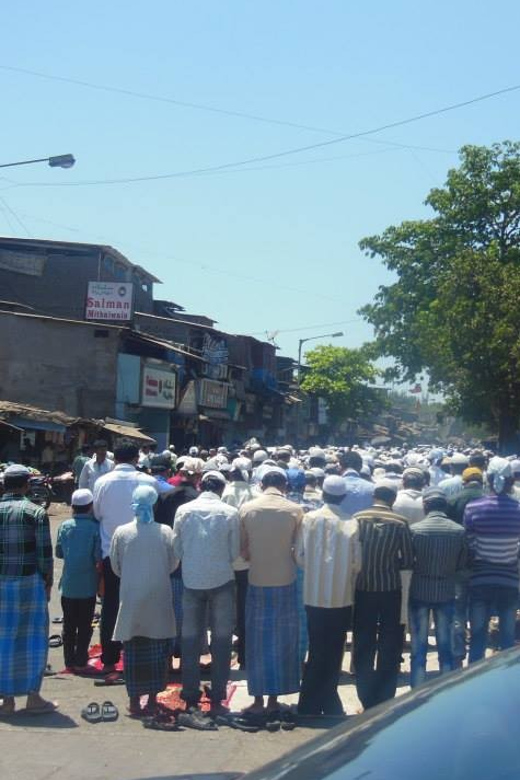
This tour doesn’t ignore the difficult parts of Dharavi. Dharavi’s location and poor sewage and drainage systems make it vulnerable to floods during the monsoon. Public health problems are a recurring issue in places with limited infrastructure.
Water comes from public standpipes positioned throughout the slum. Toilets are limited and often extremely filthy and broken. A local river called Mahim Creek is widely used by local residents for urination and defecation, which can contribute to the spread of contagious diseases.
I appreciate that this isn’t handled like shock value. Your guide can help you understand the underlying systems, why certain risks spike during monsoon, and how the neighborhood copes with limited services.
For you, the practical takeaway is simple: expect to hear about sanitation and disease risk. If you’re the type who wants only comfortable, postcard-level sightseeing, this part may feel heavy. If you want understanding, it’s a key part of the story.
Design Museum Context: Creativity Beyond Film and Work
One interesting local milestone is the opening of Dharavi’s first Design Museum in February 2016. Even if your walk is mostly focused on everyday trades, the museum matters as context.
It signals that Dharavi’s story is not only about survival or production. It’s also about design thinking, learning, and the idea that local creativity can be shaped into institutions and new forms of visibility.
Think of this as a helpful counterpoint. You’ll walk past industries tied to daily jobs, then hear how formal design spaces are emerging. That contrast is useful for understanding how the neighborhood might be changing over time.
Price and Value: Is $65 Reasonable for Two Hours?
At $65 per person for a 2-hour private tour, you’re paying for more than walking. Your price includes hotel pickup and drop-off, private air-conditioned transportation, professional English guide fees, and water. It also covers toll, parking, and tax.
That matters because Dharavi isn’t the kind of place where you’d want to improvise your own route without context. A local student guide helps you interpret what you’re seeing, and a private setup helps you keep the pacing respectful and question-friendly.
The tour does not include food or shopping. So value-wise, you should plan your meals separately. If you’re hungry after, eat nearby in Mumbai rather than counting on the tour to provide anything besides water.
For me, the value math works best if you care about understanding trades and community life, not just ticking off a must-see location. If that’s your goal, $65 is more like paying for translation, safety, and time control.
What to Bring (and What to Leave Behind)
The main thing to bring is straightforward: comfortable shoes. Expect walking in narrow alleys, so you want grip and comfort. You don’t want blisters cutting your attention short.
Also plan for the rules. Cameras are not allowed on this tour, and the instruction is clear: no photograph. That changes how you experience the day. You’ll rely on conversation and memory instead of capturing everything visually.
If you’re hoping to photograph trades or the film-related spots, you’ll be disappointed. If you’re okay putting your attention on listening, asking, and observing, the no-camera policy can actually help you stay respectful and present.
Who This Tour Fits Best
This is a strong match if you want an authentic neighborhood perspective with a guide who lives there. It’s also a good fit if you’re genuinely curious about local trades, including recycling and manufacturing processes you might not see elsewhere.
It also suits you if you prefer structure. A private group and a planned 2-hour route keep the experience focused. You can ask questions without feeling like you’re being rushed through a checklist.
On the other hand, it might not suit you if:
- you need to take photos to feel like the experience is complete
- you dislike walking in tight spaces for any length of time
- you only want uplifting stories and would rather avoid sanitation and monsoon-related realities
Should You Book This Private Dharavi Tour?
Book it if you want more than a name. You’re getting a private, 2-hour walking experience with English guidance, water included, and the chance to understand Dharavi through community life and real work. The Slumdog Millionaire filming connection adds an extra thread, while the monsoon and sanitation context keeps the picture honest.
Skip it if photography is non-negotiable for you, or if you know you cannot handle discussions about limited toilets and public health risks. Also, if you prefer a purely comfortable sightseeing day, this is not that kind of tour.
If you can walk for two hours, wear comfortable shoes, and go in ready to listen, this is the kind of tour that stays with you because it gives you a functioning view of a place most people only see in headlines.
FAQ
How long is the Private Dharavi Slum Tour?
It lasts about 2 hours.
Where does the tour pickup happen?
Pickup is from your hotel in Mumbai.
Is this a private group tour?
Yes, it is a private group.
What language will the guide speak?
The guide provides an English-language tour.
How much does the tour cost?
The price is $65 per person.
Is transportation included?
Yes. The tour includes private air-conditioned transportation, with hotel pick-up and drop-off.
Is water included?
Yes, water is included.
Is food included?
No, food is not included.
Can I take photos or use a camera?
No. Cameras are not allowed, and the tour also follows a no-photograph rule.
What is the cancellation policy?
Free cancellation is available up to 24 hours in advance for a full refund.
More Dharavi Walks with Local Guides





Recently reviewed across Mumbai
- Mumbai City Sightseeing Guided Tour on a Bicycle
★ 5.0 · 10 reviews - Mumbai Street Food & Beach Tour with 10+ Tastings
★ 5.0 · 10 reviews - Mumbai Market Tour & Maharashtrian Cooking Class with Chef Reshma
★ 4.5 · 10 reviews - Sailing Experience in Mumbai on Mid Size Yacht
★ 5.0 · 10 reviews - 3 Days Complete Mumbai Tour Inclusive of Bollywood Studio Experience
★ 5.0 · 10 reviews - Dharavi Slum Tour
★ 5.0 · 10 reviews
Dharavi and Mumbai Slum Tours, compared.
 ★ 4.9Dharavi Slum, DhobiGhat, and Dabbawallas TourFrom $14689 reviews
 ★ 5.0Dharavi Slum TourFrom $20625 reviews
 ★ 5.0Dharavi Slum tour in Mumbai by local residentFrom $4572 reviews
 ★ 4.9Dharavi Slum Slumdog Millionaire Tour with a LocalFrom $10529 reviews
 ★ 5.0Mumbai Slum Tour – Visit Dharavi Slum with Local GuideFrom $5509 reviews
 ★ 5.0Sanjay Colony Slum TourFrom $21498 reviews
 ★ 5.0Dhobi Ghat Laundry and Dharavi Slum Tour with LocalFrom $4469 reviews
 ★ 5.0New Delhi Slum Walking TourFrom $28360 reviews
Browse the lists this tour appears in