
REVIEW · DHARAVI AND MUMBAI SLUM TOURS
Private Guided Walking Tour in Dharavi Slums
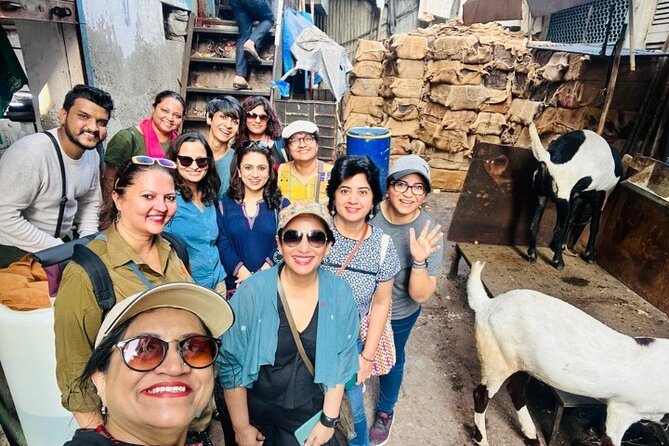
Dharavi changes how you see work. This private walk is powered by local guides and built around real businesses, so you notice how money, skills, and daily life overlap. I also like how the route moves from Mahim’s edge into working areas like recycling and leather making. One consideration: you will see very hard realities along the way, so go with respect, not a search for shock.
For the price of $44.75 per person, you get about two hours of guide time plus a mobile ticket, and the stops have admission listed as free. You’ll walk several short segments rather than one long slog, which is good. Still, bottled water and snacks are not included, so plan ahead.
You start in Mahim at Third Wave Coffee and finish at Kumbhar Wada in Dharavi. Because it’s near public transportation, you can usually fit it into a bigger Mumbai day without too much chaos.
In This Review
- Key highlights you will care about
- A Dharavi walk that explains the real engine of Mumbai
- Price and value: what $44.75 buys in practice
- How the route starts in Mahim, before you even enter Dharavi
- Stop 1 Mahim: the city edge where the story begins
- Stop 2 Dharavi recycling industries: waste turned into a working economy
- Stop 3 Dharavi bylanes and tannaries: daily life next to leather making
- Stop 4 Kumbharwada: potters’ settlement and hands-on craft work
- Guides make or break this tour, and the reviews give clues
- What to bring, and how to plan your Dharavi walking time
- Who this private tour is best for
- Should you book this private guided Dharavi walking tour?
- FAQ
- How long is the private guided walking tour in Dharavi?
- How much does the tour cost per person?
- Where does the tour start and where does it end?
- Is this a private tour or a shared group?
- Are tickets or admission fees included for the stops?
- Are bottled water and snacks included?
- Is the meeting point near public transportation?
- When will I receive confirmation after booking?
- What is the cancellation and weather policy?
Key highlights you will care about
- Private, your group only: no mixing with strangers in the same tight lanes.
- Mahim start, Dharavi follow-through: the tour traces how Dharavi developed from the city edge.
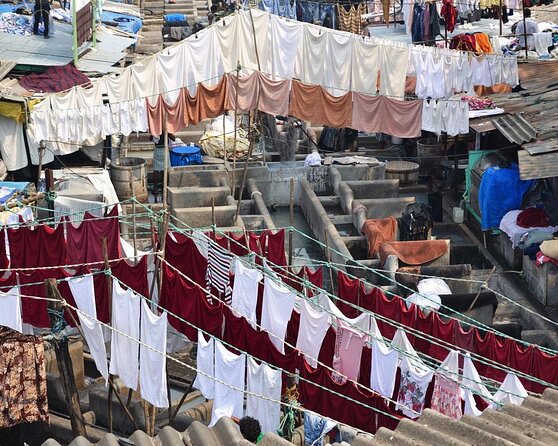
- Recycling industries focus: you see waste turning into usable work.
- Tanneries and bylanes: leather manufacturing and everyday living sit side by side.
- Kumbharwada potters’ settlement: traditional craft work closes the loop.
- Free entry at stops: you are paying for the guide experience, not ticket fees.
Other Dharavi walks, guides named
A Dharavi walk that explains the real engine of Mumbai
People often picture slums as places frozen in hardship. What I like about this tour is that it treats Dharavi as a working system, where people solve problems, run small businesses, and keep life going despite tight space. That shift in mindset is the whole point.
You are not taking a drive-by. You are getting a guided sequence that connects the city’s edge to informal industry, then to craft work. The route helps you understand why the area keeps functioning, even when conditions are challenging.
This is also why local guides matter so much here. Reviews repeatedly highlight guides like Jimmy and Kamlesh, and local residents such as Bharti (described as a 4th generation resident). When a guide lives the neighborhood, you tend to get less lecturing and more plain context.
Price and value: what $44.75 buys in practice
At $44.75 per person, this tour is not cheap like a generic city bus ride, but it also isn’t overpriced for what you get. You’re paying for two things that cost time: guided walking and local interpretation, including history and how the neighborhood works now.
The tour lasts about 2 hours, and it is structured as several short stops. That matters, because it keeps the experience from turning into one endless slog. It also gives you time to ask questions and adjust your pace, especially if you are walking with kids.
Also check what is not included. Bottled water and snacks are not part of the deal, so bring what you need. The good news: admission is listed as free for the stops, so the cost stays focused on the people and the story.
How the route starts in Mahim, before you even enter Dharavi
You begin at Third Wave Coffee on Tip Road in Mahim. The meeting address includes specific unit and street details, so I’d treat it like a “show up a little early” situation. Finishing at Kumbhar Wada in Dharavi is convenient too, since you end where the craft work is, not back at your starting point.
Mahim is more than a starting suburb name. The tour frames it as the city edge where Dharavi began developing. Even if you know Mumbai loosely, this first stop helps you place Dharavi in a larger geography, not as a separate world.
That first segment is short, about 10 minutes, so think of it as your briefing, not a full stop. In my experience, those short “set the scene” parts can save you from getting lost later when the lane network and workshop areas start to feel close together.
- Elephanta Caves & Island Guided Private Tour★ 5.0 · 1,327 reviews
- Private Guided Walking Tour in Fort & Colaba★ 5.0 · 895 reviews
- Mumbai: Street Food and Night Markets Tour★ 4.9 · 719 reviews
- Mumbai: Dharavi Slum, DhobiGhat, and Dabbawallas Tour★ 4.9 · 689 reviews
- Dharavi Slum Tour★ 5.0 · 625 reviews
Stop 1 Mahim: the city edge where the story begins
The Mahim stop is designed to give you the origin angle, in a quick and understandable way. You are looking at the transition point from the wider city into where Dharavi grew. That’s useful because it changes how you interpret everything after.
A lot of visitors arrive with a single image. This start nudges you toward a sequence: development, settlement, and work. If you prefer context you can connect to the street in front of you, this stop earns its time.
Because it is only about 10 minutes, don’t treat it like the main attraction. Instead, use it like a warm-up lap. Ask your guide how they explain Dharavi’s growth, then carry that framework into the recycling and bylanes.
Stop 2 Dharavi recycling industries: waste turned into a working economy
Next comes one of the most important parts of the tour: seeing how recycling happens in an informal industrial complex. The emphasis is on the fact that Dharavi processes waste and feeds it back into production. In other words, this is not just “something people do nearby.” It’s part of an economy.
About 30 minutes here is enough time to get a practical feel for the workflow. You learn to spot the difference between “factory” as a postcard word and “work” as a daily reality in tight spaces. That is a big mental shift.
If you’re the type who likes to understand how items move through cities, you’ll enjoy this stop. It makes the whole area feel less like a mystery and more like a set of trades. It also helps you understand why Dharavi keeps attracting activity and why people stay engaged with work even when conditions are constrained.
Stop 3 Dharavi bylanes and tannaries: daily life next to leather making
Then you go deeper in Dharavi. This second Dharavi stop is split in your experience between bylanes and the tannaries where leather products are manufactured. About 30 minutes is allocated here, so again it is not endless. It is just enough to connect work with where people live.
This is also the stop where the emotional weight can rise. The tour is about breaking stereotypes, and part of breaking stereotypes is showing conditions in which residents live. In one review, a visitor said they had reservations about doing this respectfully, then felt the guides handled it thoughtfully. That matches the overall vibe: you’re not meant to stare and judge, you’re meant to observe with context.
Leather making is a specific industry focus, and that specificity matters. It explains why Dharavi is talked about beyond its geography. You can see how specialized work sits inside residential life instead of being separated from it.
One practical note: this is likely where the walking feels most “lane-like,” so wear shoes you trust. If you arrive already tired, your best move is to pace yourself and let the guide set the tempo.
Stop 4 Kumbharwada: potters’ settlement and hands-on craft work
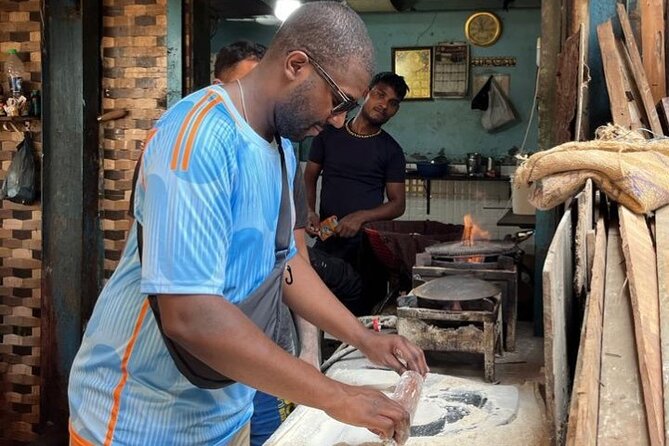
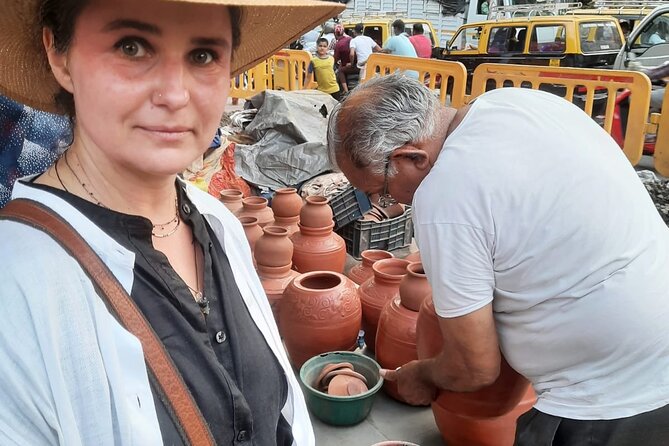
The final stop is Kumbharwada, where you walk through the potters’ settlement. This is about 30 minutes and it’s a nice change of pace after the recycling and tannery focus.
Pottery is different from industrial sorting or leather manufacturing. You get to see another side of Dharavi’s economy, one that looks more like craft work than heavy processing. For many people, this stop is where the tour lands emotionally, because you can connect with skill and daily routine without needing to understand every production step.
I like ending here because it gives you a “human scale” close. You can watch work being done and think about what it takes to sustain a craft in a tight urban space.
Finishing at Kumbhar Wada also helps your logistics. You end near your next move in the neighborhood rather than backtracking immediately to Mahim.
Guides make or break this tour, and the reviews give clues
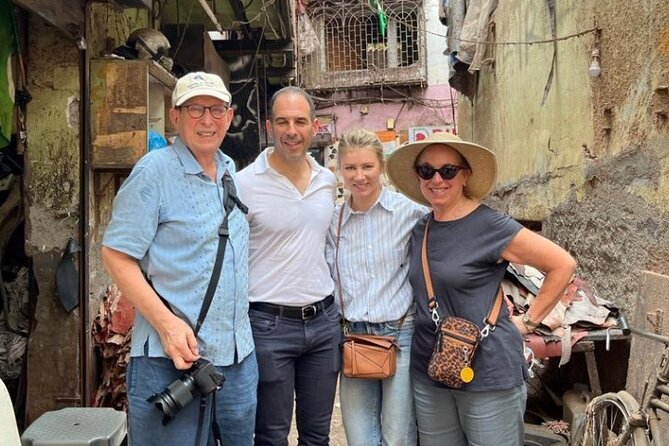
You can learn a lot from the route itself, but what people praise most is the guidance. In multiple reviews, visitors highlight named guides like Jimmy, Kamlesh, Bharti, Palak, Bharti or Bharathi, Siddhesh, Sonniya, Maiyur, Sultan, and Mickey or Sonya from Khaki Tours.
The pattern is clear: the strongest experiences come from guides who combine local knowledge with day-to-day context. Some reviews specifically mention a mix of history and contemporary information. Others stress warmth from the community and a sense that the walk was safe.
There is also an important caution in one review that says the experience can feel exploitative if framed wrong. That’s a fair warning. If you do this tour, your job is to keep your curiosity grounded. Stay respectful, listen more than you interpret, and let the guide lead. A respectful guide can still only do so much if a visitor treats people like exhibits.
What to bring, and how to plan your Dharavi walking time
This tour runs about 2 hours, and it includes multiple short stops rather than a single museum-style track. For that kind of walking, I always recommend you come prepared like you would for a normal city stroll, just with extra attention to comfort.
Because bottled water and snacks are not included, plan to bring them. Even if you don’t feel thirsty right away, the day can surprise you, especially in Mumbai heat. Also, wear breathable clothes and comfortable shoes, since lane walking can be uneven.
Weather matters. The experience is noted as requiring good weather, and if it gets canceled due to poor weather, you should expect either a different date or a full refund. So if you are planning it on a tight schedule, keep a buffer day nearby.
If you are bringing kids, the reviews include families who went together and enjoyed the experience. That’s a good sign. Just remember this is not a playground visit, it is walking and conversation. Bring patience, and choose what level of detail you want to handle.
Who this private tour is best for
This is a private tour, so it tends to work well when you want flexibility and a more focused experience. If you’re traveling as a couple, a family, or a small group, you’ll likely appreciate that it is only your group participating.
I’d also point this tour toward people who want to understand how cities work on the ground. If your Mumbai goal is not only skyline photos but also real neighborhoods and informal economies, Dharavi gives you that.
On the other hand, if you need a very light, entertainment-first itinerary, this may feel intense. You will see conditions residents live in. The value is the context and dignity in how people work and live, but it’s not a carefree stroll.
Should you book this private guided Dharavi walking tour?
Book it if you want a guided, respectful walk that connects Dharavi’s industries to daily life, without pretending the area is anything other than real. This tour’s biggest strength is the way the route links Mahim, recycling work, tannaries, and potters’ craft into one coherent understanding. The second strength is the guides, with multiple named examples and a clear theme of warmth, safety, and thoughtful local perspective.
Skip it or think carefully if you know you struggle with situations that are hard to look at. One review raised concern that the topic can feel exploitative when handled poorly, and that’s worth listening to. If you go, go with humility, and let your guide set the tone.
If you’re on the fence, here’s a simple decision test: if you want to learn how waste, leather making, and pottery can be part of a functioning economy, you’ll get your money’s worth from this format.
FAQ
How long is the private guided walking tour in Dharavi?
The tour lasts about 2 hours (approx.).
How much does the tour cost per person?
The price is $44.75 per person.
Where does the tour start and where does it end?
It starts at Third Wave Coffee, Tip Road, Unit no. 58, Ground, Ram Mahal, Senapati Bapat Marg, Marinagar Colony, Station, Mahim, Mumbai, Maharashtra 400016, India. It ends at Kumbhar Wada, Dharavi, Mumbai, Maharashtra, India.
Is this a private tour or a shared group?
This is a private tour/activity, so only your group will participate.
Are tickets or admission fees included for the stops?
Admission tickets are listed as free for the stops included in the tour.
Are bottled water and snacks included?
No. Bottled water and snacks are not included.
Is the meeting point near public transportation?
Yes, the tour is noted as being near public transportation.
When will I receive confirmation after booking?
Confirmation is received within 48 hours of booking, subject to availability.
What is the cancellation and weather policy?
Free cancellation is available. You can cancel up to 24 hours in advance for a full refund. If canceled within 24 hours of the experience start time, the amount paid is not refunded. The experience requires good weather, and if it is canceled due to poor weather, you will be offered a different date or a full refund.
More Dharavi Walks with Local Guides





Recently reviewed across Mumbai
- Mumbai City Sightseeing Guided Tour on a Bicycle
★ 5.0 · 10 reviews - Mumbai Street Food & Beach Tour with 10+ Tastings
★ 5.0 · 10 reviews - Mumbai Market Tour & Maharashtrian Cooking Class with Chef Reshma
★ 4.5 · 10 reviews - Sailing Experience in Mumbai on Mid Size Yacht
★ 5.0 · 10 reviews - 3 Days Complete Mumbai Tour Inclusive of Bollywood Studio Experience
★ 5.0 · 10 reviews - Dharavi Slum Tour
★ 5.0 · 10 reviews
Dharavi and Mumbai Slum Tours, compared.
 ★ 4.9Dharavi Slum, DhobiGhat, and Dabbawallas TourFrom $14689 reviews
 ★ 5.0Dharavi Slum TourFrom $20625 reviews
 ★ 5.0Dharavi Slum tour in Mumbai by local residentFrom $4572 reviews
 ★ 4.9Dharavi Slum Slumdog Millionaire Tour with a LocalFrom $10529 reviews
 ★ 5.0Mumbai Slum Tour – Visit Dharavi Slum with Local GuideFrom $5509 reviews
 ★ 5.0Sanjay Colony Slum TourFrom $21498 reviews
 ★ 5.0Dhobi Ghat Laundry and Dharavi Slum Tour with LocalFrom $4469 reviews
 ★ 5.0New Delhi Slum Walking TourFrom $28360 reviews
Browse the lists this tour appears in