
REVIEW · HISTORICAL TOURS
Raj Heritage Walk
Walk Kolkata’s colonial core with fresh context.
The Raj Heritage Walk turns Kolkata’s 19th-century civic buildings into an easy, story-first experience, with British rule explained in a way you will not get from a lonely wander. I like how the walk targets key facades in the Maidan and B.B.D. Bagh area, so you understand what you are looking at while the city is still calm. One thing to consider: it is a walking tour, and you will want comfortable shoes and a steady pace.
What really makes this tour click is the human side, the way the guide brings the buildings to life. Guides including Kaushik are praised for being passionate and for making history feel understandable, not like a school lecture. I also love the practical touches, coffee and/or tea plus bottled water, so you are not burning time hunting for a drink mid-walk.
The only drawback is that the route is limited to a set of famous stops, so if you want tons of stops and off-the-beaten-path detours, this will feel focused rather than sprawling. Also, hotel pickup and drop-off is available but costs extra, so you may want to plan around the meeting point if you are staying nearby.
In This Review
- Key things to look for on this Kolkata Raj Heritage Walk
- Where this walk starts in Kolkata, and why the location matters
- Coffee, a small group, and why the 3 to 4 hour format works
- Writer’s Building: looking at governance from street level
- High Court: understanding power with a legal lens
- Town Hall and the idea of public civic life under empire
- The Black Hole monument: tragedy explained, not performed
- Finishing at the General Post Office, then extending your day
- Price and value: does $30 per person make sense?
- Who this Raj Heritage Walk suits best
- Should you book this Raj Heritage Walk?
- FAQ
- What is the duration of the Raj Heritage Walk?
- How much does the tour cost?
- Where is the meeting point?
- Where does the tour end?
- Is pickup from hotels included?
- How many people are in the group?
- What is included in the price?
- What is not included?
- Do I get a ticket on my phone?
- Is free cancellation available?
Key things to look for on this Kolkata Raj Heritage Walk
- Small groups (max 7 travelers), which helps questions and gives the guide room to pace the stories
- Early timing and quiet streets, so the walk feels calmer and easier to follow
- Coffee, tea, and bottled water included, a small cost-saver with real comfort value
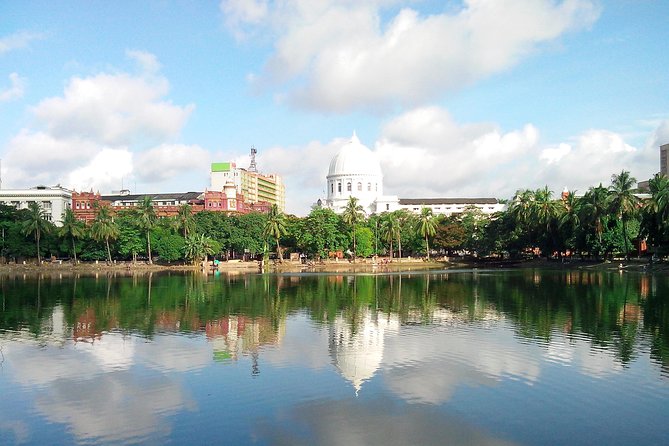
- Iconic colonial-era stops, including the Town Hall, Black Hole monument, Writer’s Building, High Court, and the General Post Office
- Mobile ticket and simple access, since you meet at a clear spot near public transport
- Hotel pickup and drop-off optional (extra fee), helpful if you are starting outside the Maidan area
Shortlisting? Every Kolkata trip below went through the same review.



Where this walk starts in Kolkata, and why the location matters
You meet at 11a at Esplanade East near Tipu Sultan Masjid, in the Maidan area. That matters more than it sounds. The Maidan gives you a big civic stage, open space, and good sight lines to the colonial-era buildings that dominate the core of Kolkata. In other words, you get the payoff early, without wasting the first part of your walk staring at streets that do not connect to what you are learning.
From a practical view, the start is also close to public transportation. That is a big deal for a half-day plan, because Kolkata traffic can be unpredictable. If you are trying to fit this walk into a busy day, the fact that it is not dependent on private transport helps a lot.
Finally, the “front facade view” approach means you are not expected to memorize details from one building and sprint to the next. You slow down for the front of these landmarks and let the guide put them into context. You’ll get more out of it if you stand a bit back, look up, and let the story guide what to notice.
Coffee, a small group, and why the 3 to 4 hour format works

This experience runs about 3 to 4 hours, which is a sweet spot for a walking tour. Long enough to make the history feel connected, short enough that you can still do other things after, without spending the whole day in transit.
It is also designed for manageable attention. With a maximum of 7 travelers, the guide can actually talk to you, not just at you. That tends to lead to better pacing. If you have questions, you are more likely to get a real answer instead of a quick nod and a march forward.
You also get coffee and/or tea plus bottled water. That is not just a perk. It changes the vibe of the walk. You are less likely to lose focus when you hit a stretch where you would normally be looking for a café or buying a drink. Even if you do not drink the coffee, having water included keeps the tour from feeling like “you must solve logistics while learning.”
If you are sensitive to early mornings, this is also worth noting. The schedule includes morning hours (6:30 AM to 9:30 AM), and reviews praise the calm feel when the city is quiet. Plan for that morning start, and you will enjoy the walk more.
Writer’s Building: looking at governance from street level
One of the first big named stops is Writer’s Building. Even if you have seen it from a distance, a guided walk makes a difference because you are not just admiring a façade. You are learning how British administration shaped the city’s public buildings and how those structures became part of everyday power.
What I like about this kind of stop is that it reframes architecture. You start to see the building as a communication tool. Facades, scale, and placement all signal authority. The guide’s stories help you connect the building to the way colonial rule operated, not just to when it was built.
A practical note: when you stand to take it in, try to look at three things in order. First, the overall massing. Second, the entrance and how it aligns with the street. Third, any visible patterns or repeating elements. With the guide talking, this kind of visual checklist will help you avoid the common problem of tuning out after a few minutes.
This stop is also good if you want the tour’s core theme, British rule and its lingering influence, without getting lost in complicated details. You come away with a clearer mental map of what you are seeing.
- Magic Hour Tour★ 5.0 · 241 reviews
- Alleyway Food Tour★ 5.0 · 137 reviews
- Private Half-Day Kolkata Tour★ 5.0 · 125 reviews
- Kolkata: A Sea of Faces and A Thousand Places★ 4.9 · 116 reviews
- Kolkata – Sounds and Sights – Private Full Day City Tour★ 5.0 · 106 reviews
High Court: understanding power with a legal lens
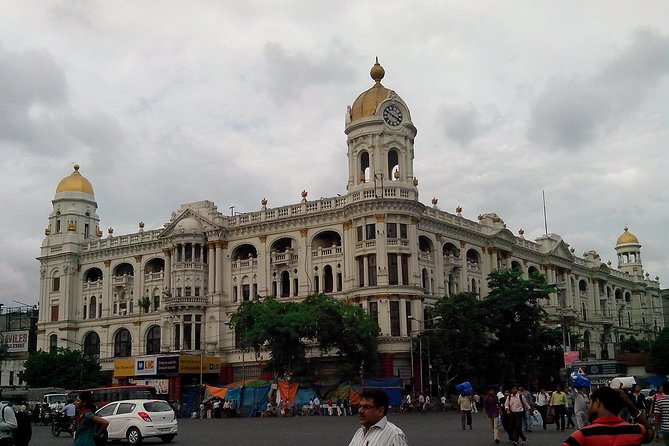
Next up is the High Court. A courthouse is never just a building. It is a symbol, and in colonial contexts it often reflects the legal framework imposed by the ruling system.
In a walking tour format, you get a front-facing view without needing museum-style patience. The guide can point out what makes the building feel official and how that official feel ties into the British presence in Kolkata. You also get the human side, the stories and insight that you would probably miss if you only read a plaque on your own.
Here is how to get more from the High Court portion. Listen for the guide’s explanation of why these institutions were placed where they were and what that meant for the city. Even when you do not catch every detail, the bigger idea lands: structures like courts were part of enforcing rule, creating routine, and shaping public life.
If you like political history but hate long speeches, this is a good stop. You can think of it as political history you can walk past.
Town Hall and the idea of public civic life under empire
The Town Hall is one of the anchors of the walk. This is where the story often shifts from administration to public civic identity, and you can feel the difference.
I like seeing how colonial-era buildings were designed to look permanent and to project legitimacy. A town hall is not just for meetings. It signals how a city organizes itself and how public life works. With a guide, you also get the layer of meaning behind the building, how British rule tried to shape civic culture, and how some habits and traditions can survive long after the political system changes.
The Town Hall stop is also a good photo moment, but do not let photos steal your attention. Take a couple shots, then refocus on what the guide is explaining. The best part of this tour is tying what you see to why it mattered.
If you are traveling with friends who want “quick hits,” Town Hall works well. It is visually impressive, and the story tends to be easy to follow. It also helps you connect earlier stops to later ones as you move toward the monuments and transport hub at the end.
The Black Hole monument: tragedy explained, not performed
The Black Hole monument is the emotional center of this kind of colonial-era route. A monument is different from a courthouse or office building. It points to a remembered event, and it can bring the history into sharp focus.
What I appreciate about a guided approach here is the tone. You are not left to guess what the monument signifies or how to interpret it. Instead, you get stories associated with the site and a framework for understanding the British-era memory of Kolkata’s past.
One consideration: if you prefer purely architectural tours with no heavier subject matter, this stop might feel more serious than the rest. But that is also why it is valuable. It makes the walk honest. It connects the grandeur of institutions to the darker consequences of colonial encounters.
As you stand at the monument, take a slow breath before you snap pictures. Let the story finish the thought. You will get more meaning than if you rush.
Finishing at the General Post Office, then extending your day
The tour ends at the General Post Office on Netaji Subhas Rd, near Fairley Place in B.B.D. Bagh. Ending here is smart. The General Post Office is a landmark in its own right, and it gives you a natural “I can end my day here” moment in a central area.
From a value perspective, landing at a major hub helps you keep options open after the walk. You can continue exploring B.B.D. Bagh on your own, grab a late coffee or snack, or connect to other sights without spending extra money on complicated logistics.
Try a simple strategy right after the tour. Before you head off, look back at what you saw. Ask yourself one question: what theme connected these stops? In this case, it is how colonial-era institutions shaped Kolkata’s built environment and public life, with traditions and narratives that partially remain. If you do that quick mental wrap-up, the whole 3 to 4 hours sticks better.
Also, since the walk includes water and coffee, you will probably feel better than you would after a tour that leaves you to solve refreshments mid-route.
Price and value: does $30 per person make sense?
At $30.00 per person, this tour is priced like a solid, mid-range half-day experience, and the inclusions justify it. You get coffee and/or tea, bottled water, and all fees and taxes. That matters because it reduces the usual little add-ons that creep into guided tours.
The big trade-off is that extra services are not included by default. Private transportation is not included, and hotel pickup and drop-off comes with an extra fee. If you are staying near the Maidan, you will likely save money by using public transport. If you are staying farther away, you can weigh the extra pickup fee against the hassle of getting there on time.
The group size also improves value. With max 7 travelers, you generally get more interaction than you would with a large bus-style group. You are paying for the guide’s storytelling as much as for the landmarks themselves, and the reviews highlight that story quality, including praise for Kaushik’s passionate, engaging way of making history easy to enjoy.
If you like walking, architecture, and context, this is a good buy. If you only want to “see buildings” and you do not care about interpretation, you might find it pricey compared with self-guided walking.
Who this Raj Heritage Walk suits best
This is a great match if you:
- want a structured walk through Kolkata’s colonial civic core without planning a route
- enjoy hearing the background behind landmarks like Town Hall, High Court, and Writer’s Building
- like smaller-group tours, since the max group size is 7
- appreciate a guide who can make morning history feel approachable, as reflected in the strong satisfaction scores and the praise for Kaushik
It might be less ideal if you:
- want a long list of stops or lots of hidden side streets
- hate any heavier historical subject matter, since the route includes the Black Hole monument
- expect WiFi or modern comforts during the tour, because WiFi on board is not included
Should you book this Raj Heritage Walk?
I would book it if you want a focused, early-day way to understand Kolkata’s colonial-era landmarks with real storytelling. The best reason is the combination of small group pacing, a guide people single out by name, and practical inclusions like coffee and water. It is also good value because all fees and taxes are included, so you avoid surprise charges once you are there.
If you are on a tight schedule and you like to walk, this tour can give you a map in your head. You will finish at the General Post Office with a clearer sense of how the city’s key buildings connect to British rule and the traditions that survived.
FAQ
What is the duration of the Raj Heritage Walk?
The walk lasts about 3 to 4 hours.
How much does the tour cost?
The price is $30.00 per person.
Where is the meeting point?
You meet at 11a at 11a, Esplanade East near Tipu Sultan Masjid, in the Maidan area.
Where does the tour end?
It ends at the General Post Office, Netaji Subhas Rd, Fairley Place, in B.B.D. Bagh.
Is pickup from hotels included?
Hotel pickup and drop-off are offered, but it is listed as an extra fee.
How many people are in the group?
The tour has a maximum of 7 travelers.
What is included in the price?
Coffee and/or tea, bottled water, and all fees and taxes are included.
What is not included?
Private transportation is not included, WiFi on board is not included, and gratuities or personal expenses are not included.
Do I get a ticket on my phone?
Yes, you receive a mobile ticket.
Is free cancellation available?
Yes. You can cancel up to 24 hours in advance for a full refund.
Recently reviewed across Kolkata
- Walk the Kolkata Wetlands: Green Eye Candy
★ 5.0 · 10 reviews - Kolkata: Full-Day Spirituality & Temples Tour
★ 4.5 · 10 reviews - Kolkata City Private Sightseeing Tour – Custom Hours, Itinerary
★ 5.0 · 11 reviews - Learn to Cook Authentic Bengali Food in a Local Home
★ 5.0 · 11 reviews - In the Footsteps of the Raj – Dalhousie Square Walk
★ 5.0 · 11 reviews - Kolkata Daily – Private Tour with Snacks, Coffee & Bengali Sweets
★ 5.0 · 11 reviews
Historical Tours, compared.
 ★ 5.0Old Delhi Food, Heritage&Cultural Walk with Rickshaw ride to Masterji Kee HaveliFrom $52742 reviews
 ★ 5.0Blue City Heritage Private Walking Tour With Pickup and Drop-OffFrom $11441 reviews
 ★ 4.0Kolkata Heritage Tram TourFrom $60395 reviews
 ★ 5.0Private Heritage Walking Tour in Jaisalmer Fort and Old BazaarFrom $10306 reviews
 ★ 4.8Panaji: Heritage Walk through Goa’s Latin QuarterFrom $12291 reviews
 ★ 5.0Old Delhi Heritage Walking TourFrom $13247 reviews
 ★ 5.0Jodhpur Blue City Heritage Walking Guided TourFrom $13240 reviews
 ★ 5.03-hour Old Delhi Heritage Walking tour with Rickshaw RideFrom $7240 reviews
Browse the lists this tour appears in