
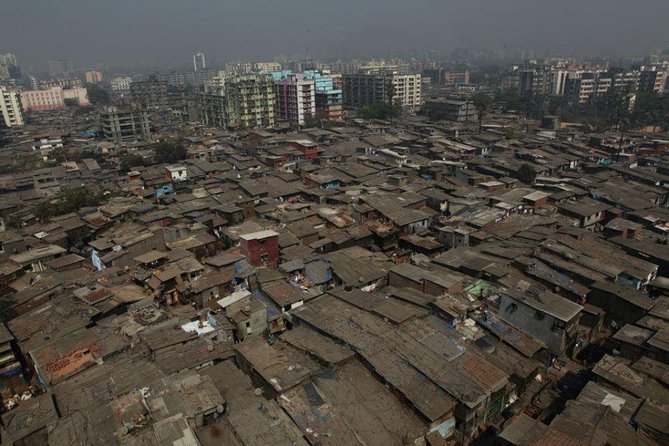
REVIEW · MUMBAI CITY TOURS
Dharavi Slum Tour in Mumbai
One city block can change your view fast. This Dharavi walking tour in Mumbai takes you through the neighborhood made famous by Slumdog Millionaire, guided by people who live and study there, with calm, real-world commentary about daily life. You start at Mahim Railway Station and head into working areas where residents turn waste into products you can recognize.
I love that the tour is run by college-student guides who are Dharavi residents. I also love the practical side of it, you see small-scale industry up close, from plastic and metal recycling to soap production, pottery, and other trades.
One drawback to plan for: it is a real working community, so you should be comfortable with tight walking lanes, modest clothing expectations, and the fact that the conversation includes tough challenges, not just feel-good stories.
In This Review
- Key things that make this Dharavi tour worth your time
- Dharavi is more than Slumdog Millionaire photos
- Entering at Mahim Railway Station, then getting your bearings fast
- The 13th Compound recycling stop, where waste becomes products
- What you’ll likely see after the first workshop yard
- Schools and churches: community context without the sightseeing vibe
- Your guide experience, how college resident guides change the tone
- Price, value, and what your $70 actually buys
- Group size, private vs group, and why max of 2 matters
- What to wear and what walking will feel like
- Respect, privacy, and how to approach tough moments
- For whom this Dharavi tour is a great match
- Quick practical tips before you go
- Should you book this Dharavi tour with Mystical Mumbai?
- FAQ
- Where does the Dharavi slum tour start?
- How long is the Dharavi Slum Tour in Mumbai?
- Is pickup included?
- Can I choose a group tour or a private tour?
- What is included in the price?
- Is there an admission ticket fee?
- Does the tour include food and drinks?
- What group size should I expect?
- What should I wear?
- What is the cancellation policy?
- Do I get confirmation and what kind of ticket do I use?
Key things that make this Dharavi tour worth your time
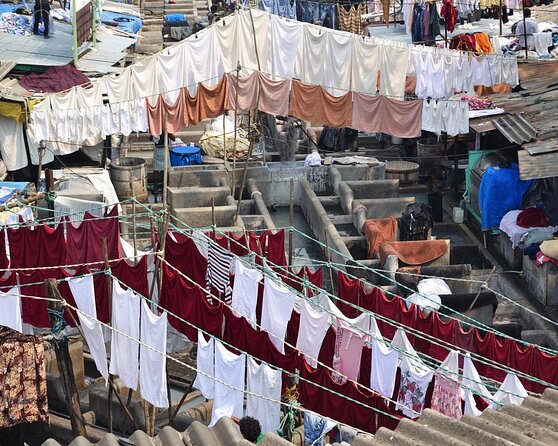
Resident college-student guides, including people like Rajesh, Samir, Anton, and Anthony (depending on who you’re assigned).
A focused route that starts at Mahim Railway Station and works through key industry areas first.
Real production you can see, including recycling yards, small manufacturing, and craft work like pottery.
Community visits, with stops at local schools and churches for context beyond the workshops.
A small-group feel, with choice of group or private tour and a maximum of 2 travelers.
Mumbai, a few more routes through it
Dharavi is more than Slumdog Millionaire photos

Dharavi is the kind of place that film memories can oversimplify. What I like about this tour approach is that it uses that pop-culture entry point, then swaps the movie version for daily reality.
You’re there to understand how people survive, build, and work. That means you’ll hear about the challenges facing residents, not just the outside impressions that many people arrive with. The guide’s tone matters here, and the overall vibe is respectful and question-friendly.
Entering at Mahim Railway Station, then getting your bearings fast
The tour begins at Mahim Railway Station, which is a sensible starting point for getting oriented. From there, you head straight toward the working heart of the area rather than waiting to “learn the neighborhood” later.
This first leg matters. It helps you understand what drives the community economy early on, recycling and small manufacturing before you move into residential context. If you’re the type who needs visual grounding fast, you’ll appreciate how the route is structured.
Because this is a walking tour, your pace will depend on the guide and the streets you’re navigating. Expect moderate physical effort, so treat it like an active city walk, not a slow sightseeing stroll.
The 13th Compound recycling stop, where waste becomes products
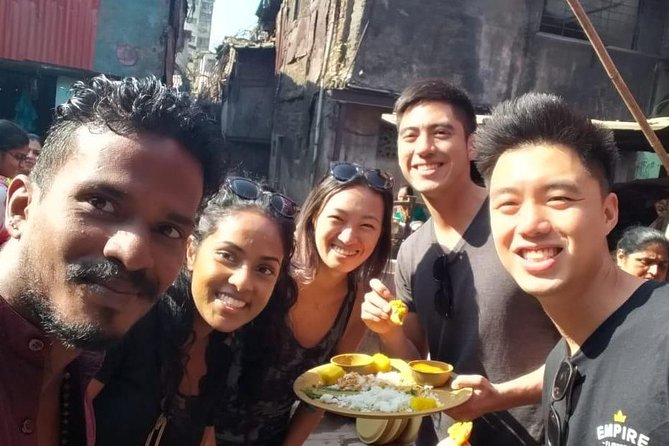
A key first stop is the Plastic and Metal Recycling yard of 13th Compound. This is where the tour’s “wow, I didn’t know this worked like that” factor kicks in.
You’ll see small-sized industry at work, including plastic melting and molding. One specific detail that sticks out is how plastic is turned into items like toys and buttons, including manufacturing for Barbie Dolls of India. It’s a great reminder that global brands connect to local labor in ways most people never notice.
And it’s not just plastic. The broader trade ecosystem includes metal work as well, which helps you see Dharavi as a network of skills, not a single headline image. If you enjoy watching how objects are made, this stop will land with you.
Practical note: this area can be busy and visually intense. Go in with a calm mindset, keep your movements steady, and focus on understanding rather than taking in every detail at once.
Other Dharavi walks, guides named
- Mumbai: Dharavi Slum, DhobiGhat, and Dabbawallas Tour★ 4.9 · 689 reviews
- Dharavi Slum Tour★ 5.0 · 625 reviews
- Dharavi Slum tour in Mumbai by local resident★ 5.0 · 572 reviews
- Mumbai: Dharavi Slum Slumdog Millionaire Tour with a Local★ 4.9 · 529 reviews
- Mumbai Slum Tour – Visit Dharavi Slum with Local Guide★ 5.0 · 509 reviews
What you’ll likely see after the first workshop yard
After the recycling yards, the tour route shifts to other types of production and everyday services. You may walk past or visit areas tied to soap production, pottery, and other trades that support local life.
From the descriptions and guide commentary style, the goal is to show the range of livelihoods in a very compact space. You might also hear references to industries like paint cans, cardboard, and leather. Even if you cannot see every trade in action during the walk, the guide connects the dots so the neighborhood feels coherent.
This is also where the Slumdog Millionaire connection becomes less about scenery and more about context. The film put Dharavi on the map for outsiders, but the tour helps you understand what that spotlight does not show: the everyday work that keeps families fed and products moving.
Schools and churches: community context without the sightseeing vibe

A big part of why I think this tour is more meaningful is that it includes stops at local schools and churches. That’s not typical “industry tour only” energy.
These stops help you zoom out from workshops and see the social fabric. You’ll get commentary on community life and the sensitive issues residents face, and it stays focused on understanding rather than dramatizing.
If your comfort zone is “I want to see the work, then move on,” this portion might make you slower, in a good way. You’ll be dealing with the human side of the story, not just what hands are building.
Photo tip: the tours are designed to feel comfortable, and many guides encourage questions and photos. Still, you should ask before photographing people closely, especially in school-related spaces.
Your guide experience, how college resident guides change the tone
The guides are college students who live in Dharavi, and that detail affects the whole experience. A resident guide can explain what an outsider would miss, like why certain work happens where it does, how people organize their time, and what local concerns weigh most.
You’ll also notice the tour style is built around questions. In the experiences described, guides tend to answer questions clearly and encourage interaction, which helps you avoid feeling like you’re just walking through someone else’s life.
Names that show up in past guide experiences include Rajesh, Samir, Anton, and Anthony. You might not get the same person, but it tells you the program works with different resident guides, not just one script.
The “college” part is also meaningful. It’s described as tied to helping the guides with their studied, so you’re not only paying for narration. You’re supporting the people doing the narration and helping fund their ongoing education.
Price, value, and what your $70 actually buys
The price is listed at $70.00 per person for about 2 hours. On paper, it might look like a lot for a neighborhood walk. In practice, the value comes from three things: resident guidance, a structured route, and the fact that you see work happening, not staged stops.
The tour includes a local guide and a professional guide. It also includes an admission ticket that is listed as free, so you’re paying mainly for the people and the time, not entry fees.
You may be offered lunch if you choose a lunch option, otherwise food and drinks are not included. That’s important in Mumbai, because having to hunt for a snack right after the walk can cut into your day. If lunch is part of your plan, choose the option now rather than deciding later.
If you’re comparing tours, look at what you’re getting for the money. A tour that keeps group size small, starts at a transit hub, and takes you to working sites tends to feel more “worth it” than a generic overview.
Group size, private vs group, and why max of 2 matters
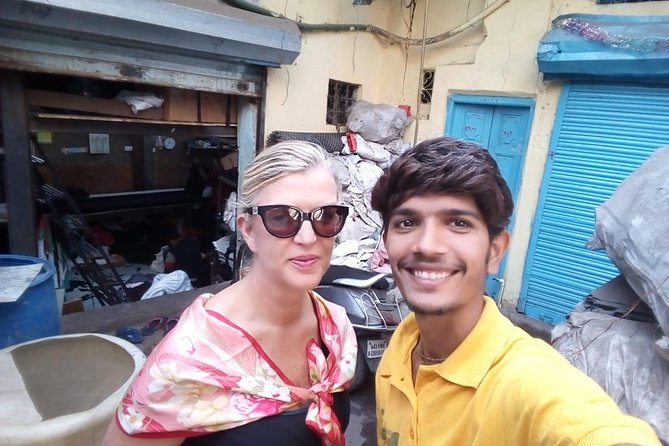
There’s choice of group or private tour, and the maximum group size is 2 travelers. That means you’re less likely to get lost in a crowd or lose your chance to ask questions.
Smaller groups also help with respect and pace. Dharavi is not a museum. Keeping the group tight makes it easier for the guide to manage movement and for you to stay focused on what matters.
If you’re traveling as a couple, this can be a strong fit. If you’re alone, you should still check how the tour operates based on the minimum booking requirement.
What to wear and what walking will feel like
Dress code is described as conservative across India. For this tour, you should plan to wear modest and respectful clothing that covers shoulders and knees.
Also plan for real pavement and real walking. One of the strongest practical tips is to wear good solid walking shoes. Even if the tour is short, the route through alleys and working areas can be uneven.
Fitness level is listed as moderate. That doesn’t mean you need to be an athlete. It just means you should be comfortable walking for roughly 2 hours, and in some experiences the route stretches closer to 3 hours depending on the flow and stops.
If you’re prone to discomfort from crowds, strong smells, or tight spaces, go in with a plan. Carry water if you can, but note food and drinks are not included.
Respect, privacy, and how to approach tough moments
This tour is designed to avoid the “invading privacy” feeling, and the commentary is described as sensitive. You still should do your part.
Keep your curiosity gentle. If you see someone working, watch first, then ask what’s appropriate. If your camera is out, pause and make sure it feels right, especially around homes, schools, and religious spaces.
It also helps to set your expectations. This isn’t a tour that pretends everyone has the same experience, or that says the neighborhood is only hardship or only success. It’s a mix of dignity, work ethic, and real structural challenges.
The best moments often come when you let the guide explain why something is done a certain way, rather than jumping straight to assumptions.
For whom this Dharavi tour is a great match
This is a strong choice if you like:
- Neighborhood tours with resident perspective
- Seeing the practical “how things are made” side of a place
- Small-group experiences where questions are welcome
- Trips with social context, including schools and churches
It’s especially good for visitors who want more than a postcard. If you prefer only classic sights and clean, controlled viewpoints, you might find this tour intense.
And if you’re the type who expects beggars to dominate the scene, shift your mindset. The framing here emphasizes industrious work and dignity. You should be open to that.
Quick practical tips before you go
A few choices can make the walk smoother:
- Wear modest clothing that covers shoulders and knees
- Bring solid walking shoes
- Expect about 2 hours, sometimes edging longer
- Plan on no food or drinks unless you choose the lunch option
- Use your questions early, especially with a college resident guide
Also note the tour is near public transportation, so you can usually plan your day around the location without complex transfers.
Should you book this Dharavi tour with Mystical Mumbai?
If you want a walking tour that connects the visible industries to the community behind them, I think this booking makes sense. The combination of resident college-student guides, small group size, and stops at schools and churches makes the experience feel more grounded than a simple “see the slum” outing.
I’d book it if you’re curious, respectful, and ready for a working neighborhood rather than a staged attraction. If you want a light, purely scenic afternoon, you may find the subject matter and street conditions more challenging than you planned.
If you decide to go, choose the small-group option when available, wear comfortable shoes, and come ready to listen and ask good questions. That’s where the value really shows up.
FAQ
Where does the Dharavi slum tour start?
The tour begins at Mahim Railway Station.
How long is the Dharavi Slum Tour in Mumbai?
It lasts about 2 hours (approx.).
Is pickup included?
Pickup is offered, but hotel pickup and drop-off are not included unless you arrange for it. The tour notes that you can request arranging pickup and drop-off if you want.
Can I choose a group tour or a private tour?
Yes. You can choose either a group or a private tour.
What is included in the price?
The tour includes a local guide and a professional guide. If you select the tour option with lunch, lunch is included.
Is there an admission ticket fee?
The admission ticket is listed as free.
Does the tour include food and drinks?
Food and drinks are not included. Lunch is included only if you choose the lunch option.
What group size should I expect?
The tour has a maximum of 2 travelers.
What should I wear?
Dress code is described as conservative in India. Bring clothing that covers shoulders and knees, and wear something modest and respectful.
What is the cancellation policy?
There is free cancellation. You can cancel up to 24 hours in advance for a full refund. If you cancel less than 24 hours before the start time, the amount is not refunded.
Do I get confirmation and what kind of ticket do I use?
Confirmation is received at the time of booking, and you get a mobile ticket.
More Dharavi Walks with Local Guides





Mumbai, Keep Exploring





Recently reviewed across Mumbai
- Mumbai City Sightseeing Guided Tour on a Bicycle
★ 5.0 · 10 reviews - Mumbai Street Food & Beach Tour with 10+ Tastings
★ 5.0 · 10 reviews - Mumbai Market Tour & Maharashtrian Cooking Class with Chef Reshma
★ 4.5 · 10 reviews - Sailing Experience in Mumbai on Mid Size Yacht
★ 5.0 · 10 reviews - 3 Days Complete Mumbai Tour Inclusive of Bollywood Studio Experience
★ 5.0 · 10 reviews - Dharavi Slum Tour
★ 5.0 · 10 reviews
Mumbai City Tours, compared.
 ★ 4.9Full-Day Sightseeing Tour of MumbaiFrom $241,822 reviews
 ★ 5.0Group Guided Walking Tour in Fort and ColabaFrom $161,073 reviews
 ★ 4.8Elephanta Caves Half-Day Guided Tour with ExpertFrom $301,032 reviews
 ★ 5.0Highlights of Mumbai Sightseeing Tour: TRAVELLERS CHOICE AWARDEDFrom $33915 reviews
 ★ 5.0Private Guided Walking Tour in Fort & ColabaFrom $36895 reviews
 ★ 4.9Street Food and Night Markets TourFrom $13719 reviews
 ★ 4.9Dharavi Slum, DhobiGhat, and Dabbawallas TourFrom $14689 reviews
 ★ 5.0Highlights of South Mumbai Guided Private Tour in AC VehicleFrom $74620 reviews
Browse the lists this tour appears in